Boreal Wormwood
Artemisia borealis
Overview
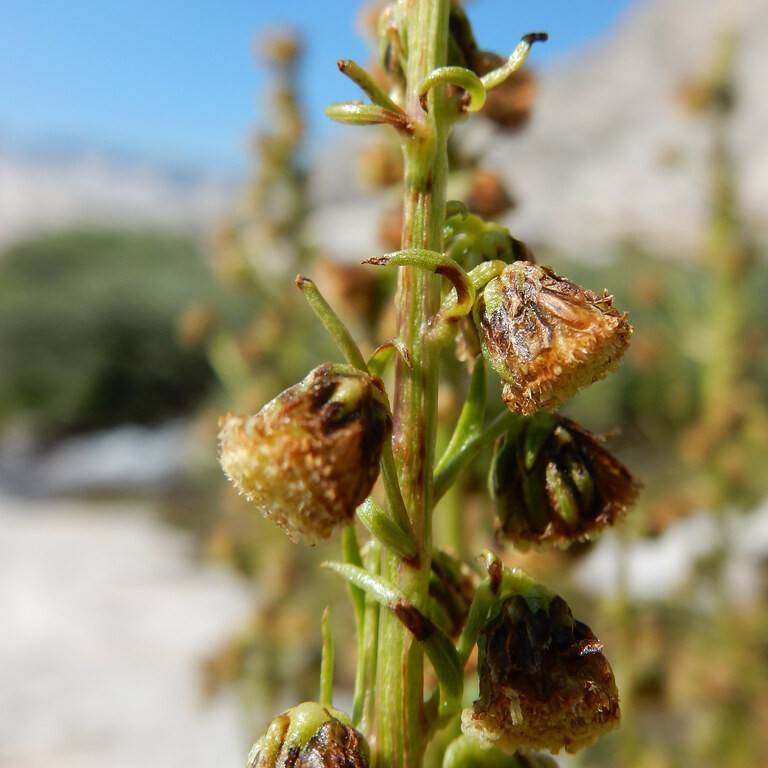
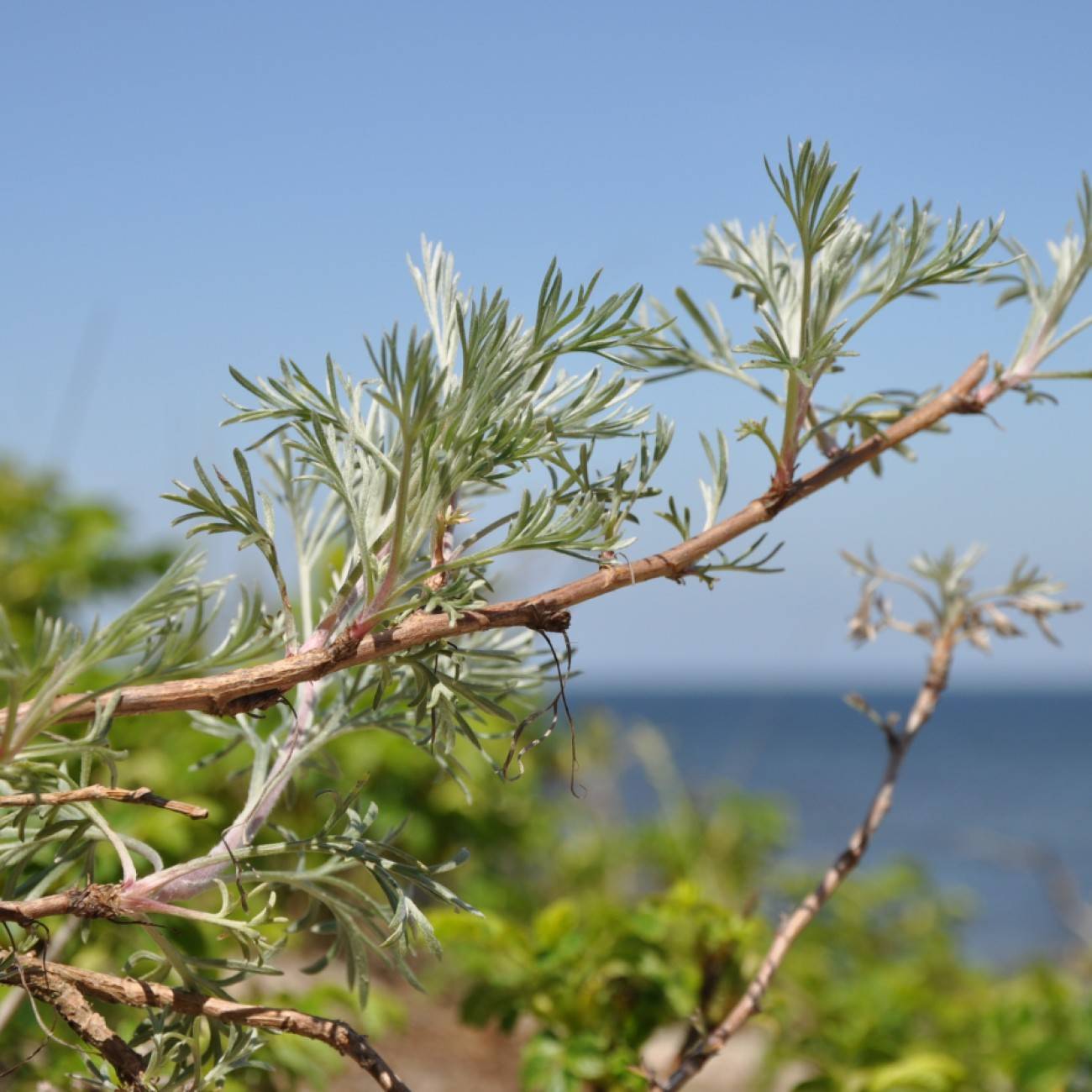
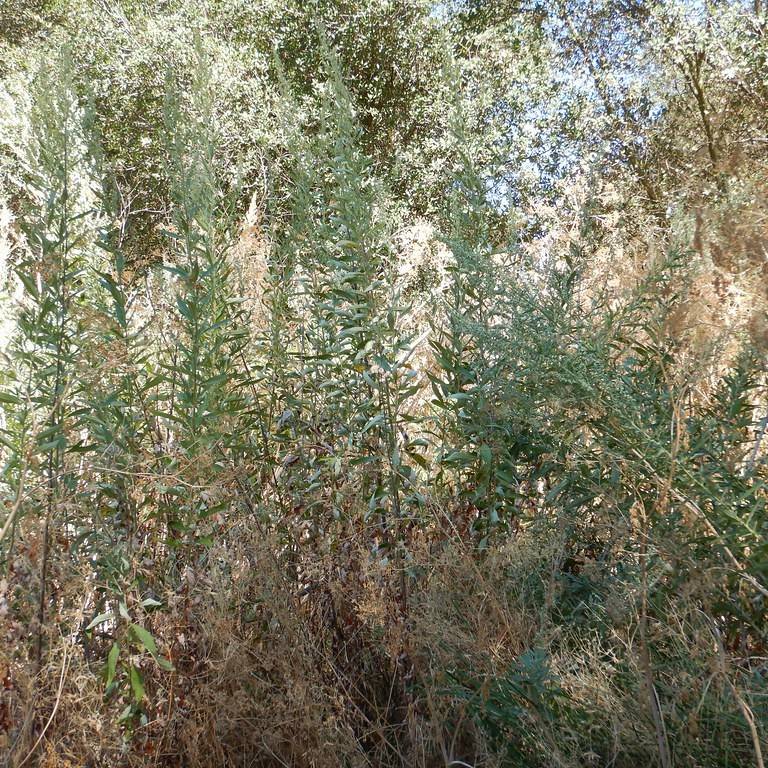
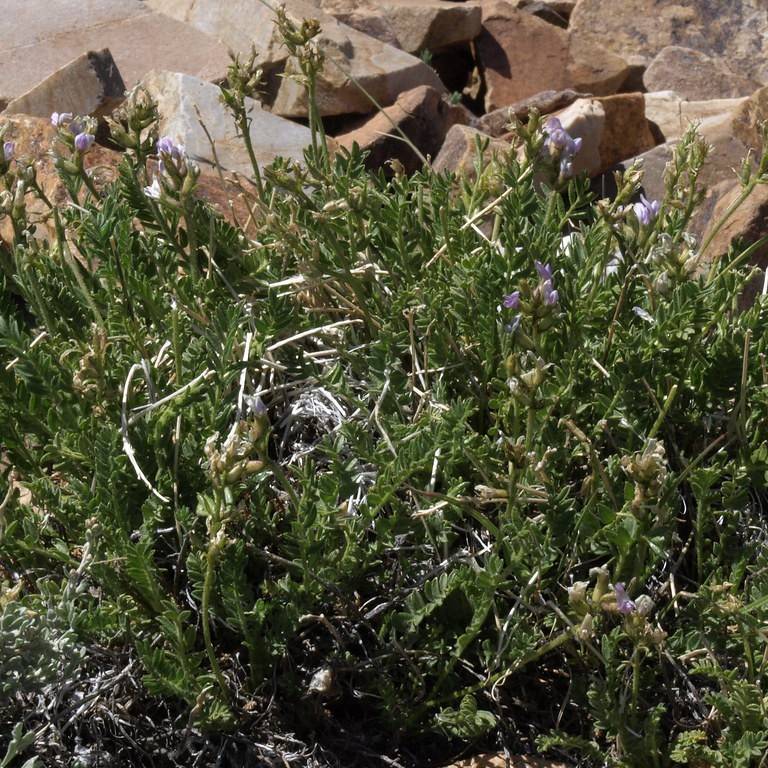
Boreal wormwood is a compact, mat-forming perennial adapted to harsh, cold climates, with finely divided, silvery-gray foliage that emits a strong, distinctive aromatic scent when crushed. It produces small, inconspicuous yellowish flower heads in late summer, typical of the Artemisia genus, and thrives in poor, well-drained soils where few other plants can survive. This species is ecologically important in its native range, providing cover for small alpine and tundra organisms and serving as a food source for specialized insect pollinators.
Care Guide
Watering
Boreal wormwood is highly drought-tolerant, requiring only occasional watering once established, as overwatering quickly leads to root rot. In cultivation, allow the soil to dry out completely between waterings, and reduce moisture significantly during the winter dormant period to prevent fungal issues.
Light
This species requires full, direct sun for at least 6 hours per day to maintain its compact growth habit and vibrant silvery foliage color. It will become leggy and lose its dense form if grown in partial or full shade, and is unlikely to flower in low-light conditions.
Soil
Boreal wormwood prefers very well-drained, low-fertility, sandy or gravelly soils with a neutral to slightly alkaline pH, mirroring its native tundra and alpine habitats. It does not tolerate heavy, clay-rich soils or soils that retain moisture for extended periods, and will not thrive in overly nutrient-rich growing media.
Fertilizer
Fertilization is rarely needed for boreal wormwood, as it is adapted to nutrient-poor soils and excess nutrients will cause leggy, weak growth. If grown in containers, apply a very dilute, balanced all-purpose fertilizer once per year in early spring at most, or simply top-dress with a thin layer of gritty compost.
Temperature
This cold-hardy species can tolerate extreme winter temperatures as low as -40°F (-40°C), and is adapted to short, cool growing seasons in its native range. It struggles in hot, humid climates above 85°F (29°C), where high moisture and heat can cause foliar fungal diseases and root rot.
Pruning
Prune back dead or damaged foliage in early spring before new growth emerges to maintain a neat, compact form and improve air circulation around the plant. Deadheading spent flower heads is not required for plant health, but can be done to prevent self-seeding if unwanted spread is a concern in garden settings.
Propagation
Boreal wormwood is most easily propagated by root division in early spring, when small clumps can be separated from the parent mat and replanted in well-drained soil. It can also be grown from seed sown on the surface of gritty, well-drained media in late fall or early spring, as seeds require a period of cold stratification to germinate successfully.
Humidity
This species prefers low to moderate humidity levels, and is highly susceptible to foliar fungal diseases in high-humidity environments above 60% relative humidity. Ensure good air circulation around plants in cultivation, and avoid misting or wetting the foliage during watering to reduce disease risk.
Repotting
Container-grown boreal wormwood only needs repotting every 3-4 years, when it has completely outgrown its current container and roots are emerging from the drainage holes. Use a very gritty, fast-draining cactus or succulent potting mix when repotting, and select a container with ample drainage holes to prevent waterlogging.
Uses & Symbolism
Boreal wormwood has a long history of traditional use by Indigenous peoples of northern regions as a medicinal herb for treating respiratory ailments, digestive issues, and as a topical remedy for skin irritations. Its aromatic foliage is also used as a natural insect repellent, and its compact, silvery form makes it a popular choice for rock gardens, alpine gardens, and xeriscapes in cold climate regions. Ecologically, it is used in restoration projects for disturbed tundra and alpine sites, as it stabilizes thin, fragile soils and supports native pollinator communities.
Diseases & Pests
The most common issues affecting boreal wormwood are root rot and powdery mildew, both caused by overwatering, poor drainage, or excessive humidity. It may also be affected by aphids and spider mites, particularly when grown in overly warm, sheltered conditions, though these pests are rarely a severe problem for healthy, well-sited plants.
Related plants
Other plants you might like if you grow Boreal Wormwood.