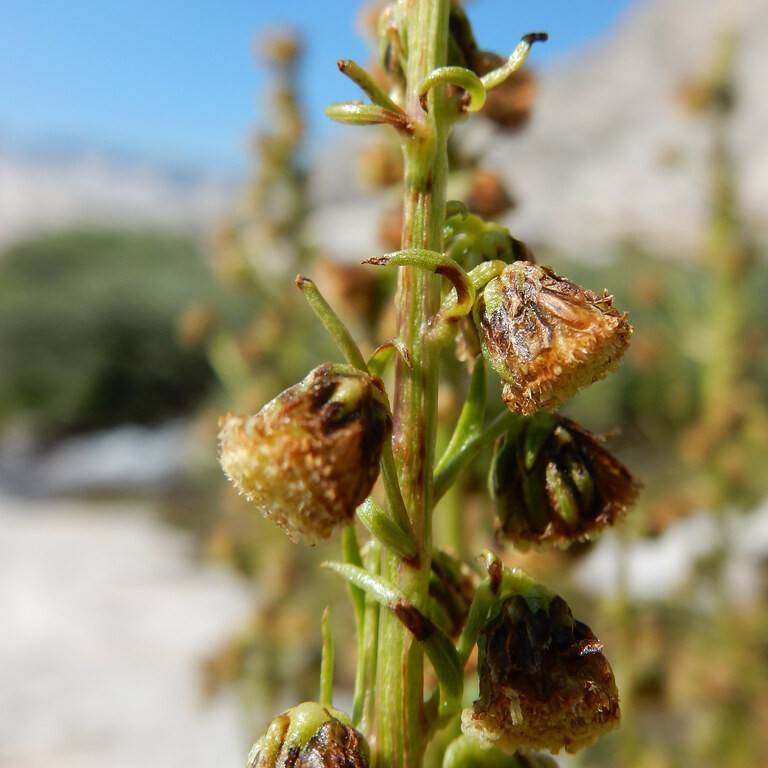
Alpine Wormwood
Artemisia alpina
Overview
Alpine Wormwood is a compact, mat-forming herbaceous perennial adapted to harsh high-altitude conditions, recognized for its finely divided, silvery-gray foliage that emits a distinctive, pungent aroma when crushed. It produces small, inconspicuous yellowish flower heads in late summer, though it is primarily grown for its decorative, drought-resistant foliage. Thriving in rocky, well-drained soils, it is a popular choice for alpine gardens, rockeries, and xeriscaping projects where low-growing, low-maintenance foliage is desired.
Care Guide
Watering
Alpine Wormwood is highly drought-tolerant once established, requiring only occasional deep watering during prolonged dry spells; overwatering is the most common cause of stress, as it leads to root rot. Allow the soil to dry out completely between waterings, and reduce moisture significantly during the winter dormant period to prevent soggy conditions. In container cultivation, water sparingly, ensuring excess water drains freely from the bottom of the pot.
Light
This species requires full, direct sunlight to thrive, needing a minimum of 6 hours of unobstructed sun daily to maintain its compact growth habit and silvery foliage color. In overly shaded conditions, it will become leggy, lose its dense matting form, and develop dull, greenish foliage that is less decorative. It tolerates intense, reflected sunlight from rocky surfaces, making it ideal for south-facing rock gardens.
Soil
Alpine Wormwood requires sharply drained, low-fertility soil with a neutral to slightly alkaline pH, mimicking the rocky, gravelly soils of its native mountain habitat. Heavy clay or water-retentive soils are unsuitable, as they cause rapid root rot; amend heavy soils with coarse sand, gravel, or crushed limestone to improve drainage and adjust pH if needed. It thrives in poor, nutrient-sparse soils, and does not require rich organic amendments to grow well.
Fertilizer
This plant is adapted to low-nutrient environments, so fertilization is rarely necessary and can be detrimental, causing overly lush, leggy growth that is prone to flopping and disease. If grown in very poor container soil, apply a diluted, balanced slow-release fertilizer once at the start of the growing season, at half the recommended strength for general garden plants. Avoid high-nitrogen fertilizers entirely, as they disrupt the plant's natural compact growth habit.
Temperature
Alpine Wormwood is cold-hardy, tolerating winter temperatures as low as -30°F (-34°C), suitable for USDA hardiness zones 3 through 8. It thrives in cool summer temperatures common at high elevations, but can tolerate moderate summer heat provided it has good air circulation and well-drained soil. In regions with hot, humid summers, it may suffer from foliar fungal diseases if not sited in a location with constant air flow.
Pruning
Pruning is minimal for Alpine Wormwood; simply trim back any dead or damaged foliage in early spring before new growth emerges to maintain a neat, compact appearance. If plants become leggy or spread beyond their desired space, shearing back by up to one-third of their height after flowering in late summer will encourage fresh, dense foliage growth. Avoid heavy pruning in late fall, as remaining foliage helps protect the plant's crown through winter.
Propagation
Alpine Wormwood is most easily propagated by division in early spring, when new growth begins; carefully dig up mature clumps, separate them into smaller sections with healthy roots and foliage, and replant immediately in well-drained soil. It can also be grown from stem cuttings taken in mid-summer, using 3-4 inch (7-10 cm) cuttings of non-flowering shoots, rooted in sandy, moist potting mix under bright, indirect light. Propagation from seed is possible, but seeds require a 30-day cold stratification period to germinate, and seedlings grow slowly compared to vegetative propagules.
Humidity
This species prefers low to moderate humidity levels, and is highly intolerant of prolonged high humidity, which increases the risk of foliar fungal diseases and root rot. Good air circulation is critical in humid climates, so avoid planting in enclosed, stagnant locations or overcrowding with other plants that block air flow around the foliage. Indoor container specimens should be kept in well-ventilated rooms, away from humidifiers or steamy areas like bathrooms.
Repotting
Container-grown Alpine Wormwood only needs repotting every 2-3 years, when roots begin to grow out of the drainage holes or the plant becomes root-bound. Use a shallow container with ample drainage holes, filled with a gritty, fast-draining potting mix formulated for cacti or alpine plants, to replicate its native soil conditions. Repot in early spring before new growth starts, taking care not to damage the delicate root system, and avoid overwatering for the first few weeks after repotting to allow roots to acclimate.
Uses & Symbolism
Alpine Wormwood is widely used as an ornamental ground cover in rock gardens, alpine troughs, xeriscapes, and border edges, where its silvery foliage provides a striking contrast to green-leaved alpine plants and bright flowering species. Historically, it has been used in traditional European herbal medicine as a bitter tonic, insect repellent, and remedy for digestive complaints, though its toxic thujone content means internal use is not recommended without medical supervision. Its aromatic foliage is also sometimes dried and used in sachets to repel moths and other household pests.
Diseases & Pests
The most common issues for Alpine Wormwood are root rot and fungal foliar diseases like powdery mildew and rust, almost always caused by overwatering, poor drainage, or excessive humidity with insufficient air circulation. Aphids and spider mites may occasionally infest stressed plants, especially those grown in overly warm, dry indoor conditions, but can be controlled with insecticidal soap or neem oil sprays. Slugs and snails may feed on young foliage in damp, shaded locations, so avoid siting plants in low-lying, moist areas and use barriers if pest pressure is high.
Related plants
Other plants you might like if you grow Alpine Wormwood.
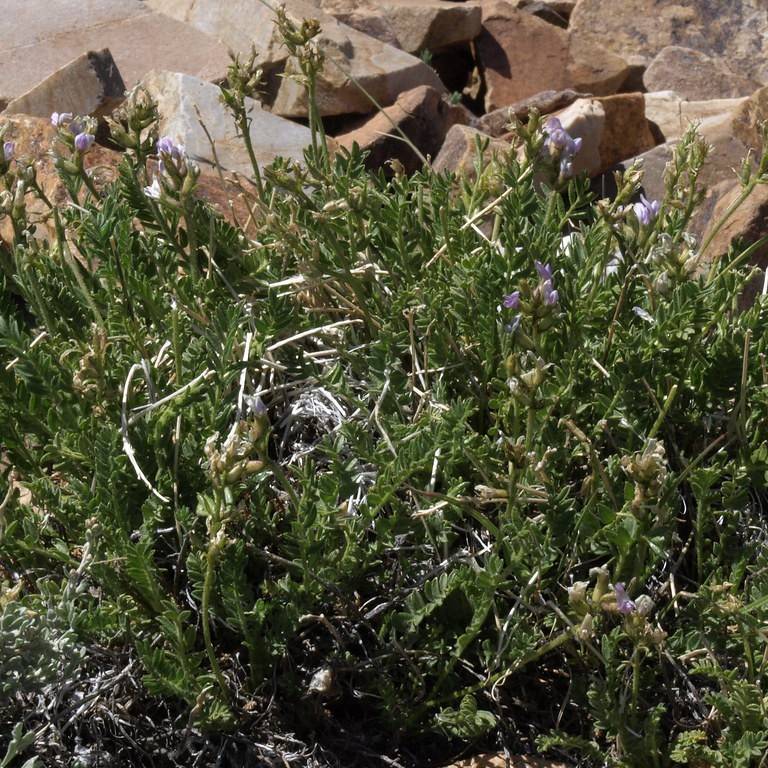
Boreal Wormwood
Artemisia borealis
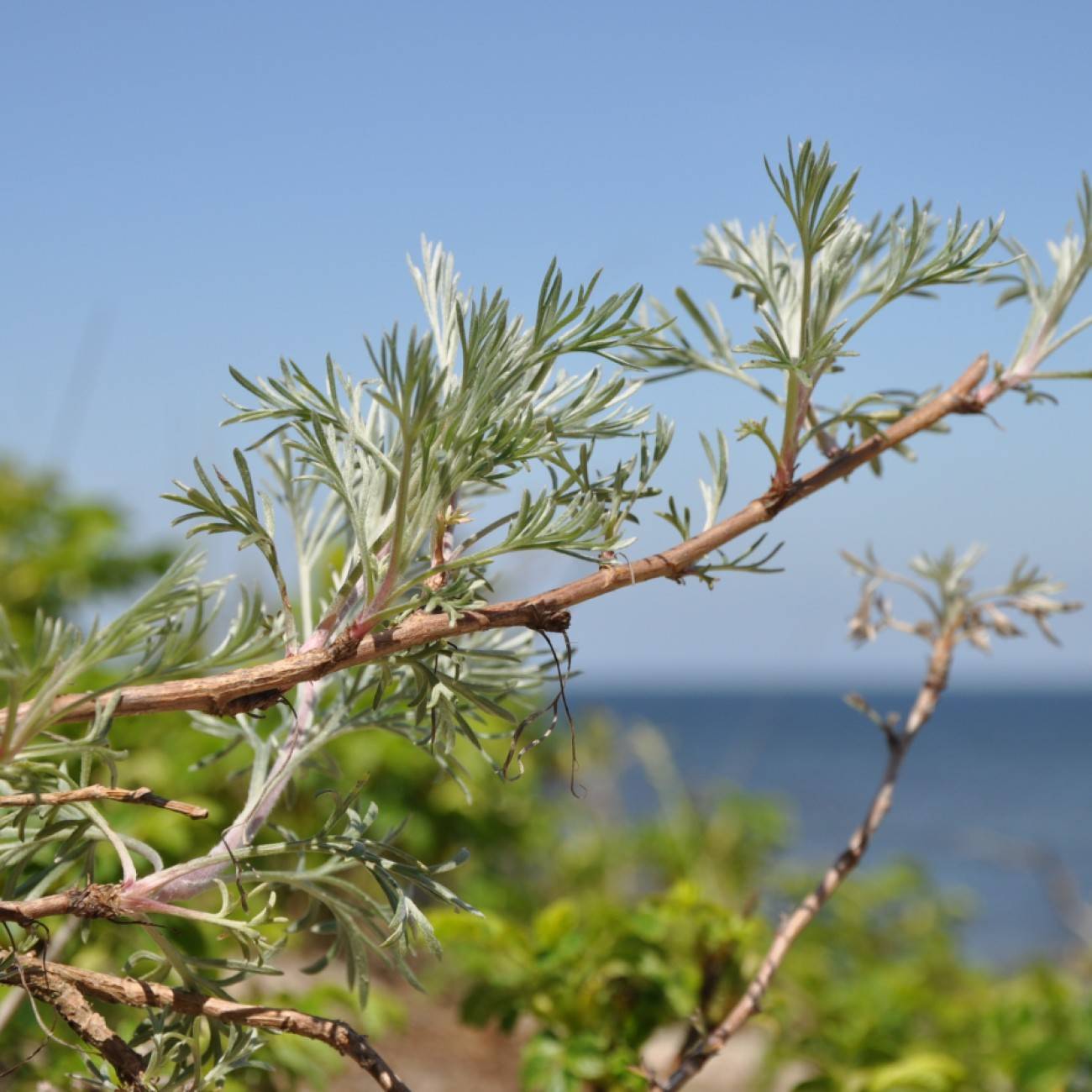
Beach Wormwood
Artemisia stelleriana
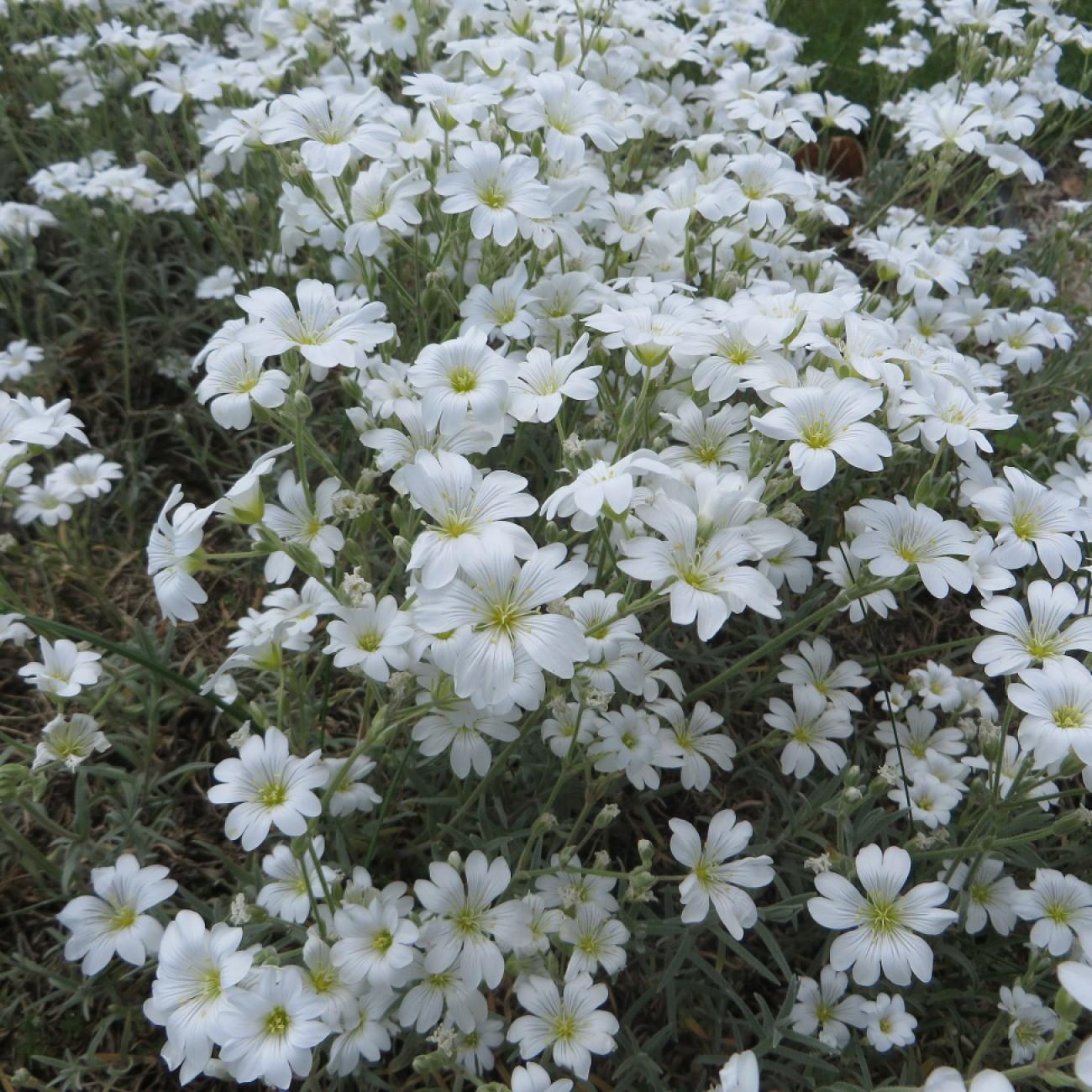
Bieberstein Chickweed
Cerastium biebersteinii
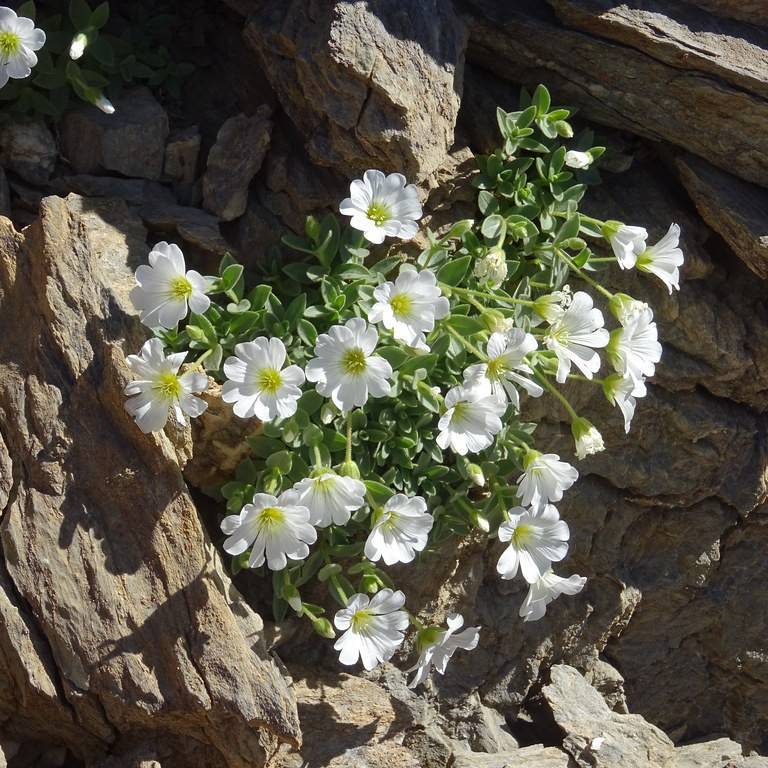
Alpine Mouse Ear Chickweed
Cerastium alpinum
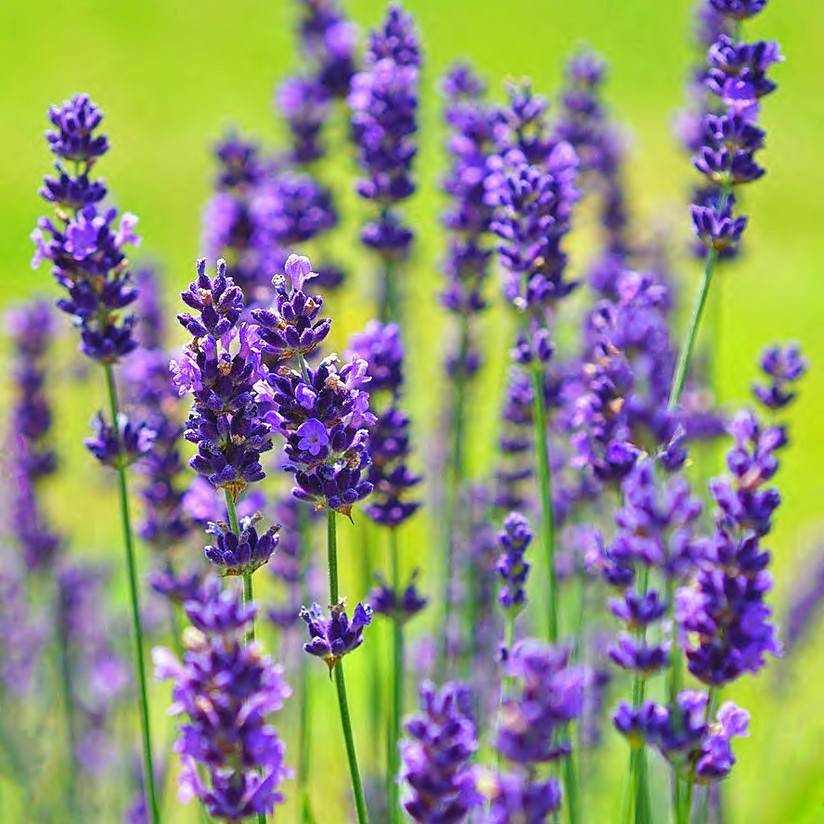
English Lavender
Lavandula angustifolia
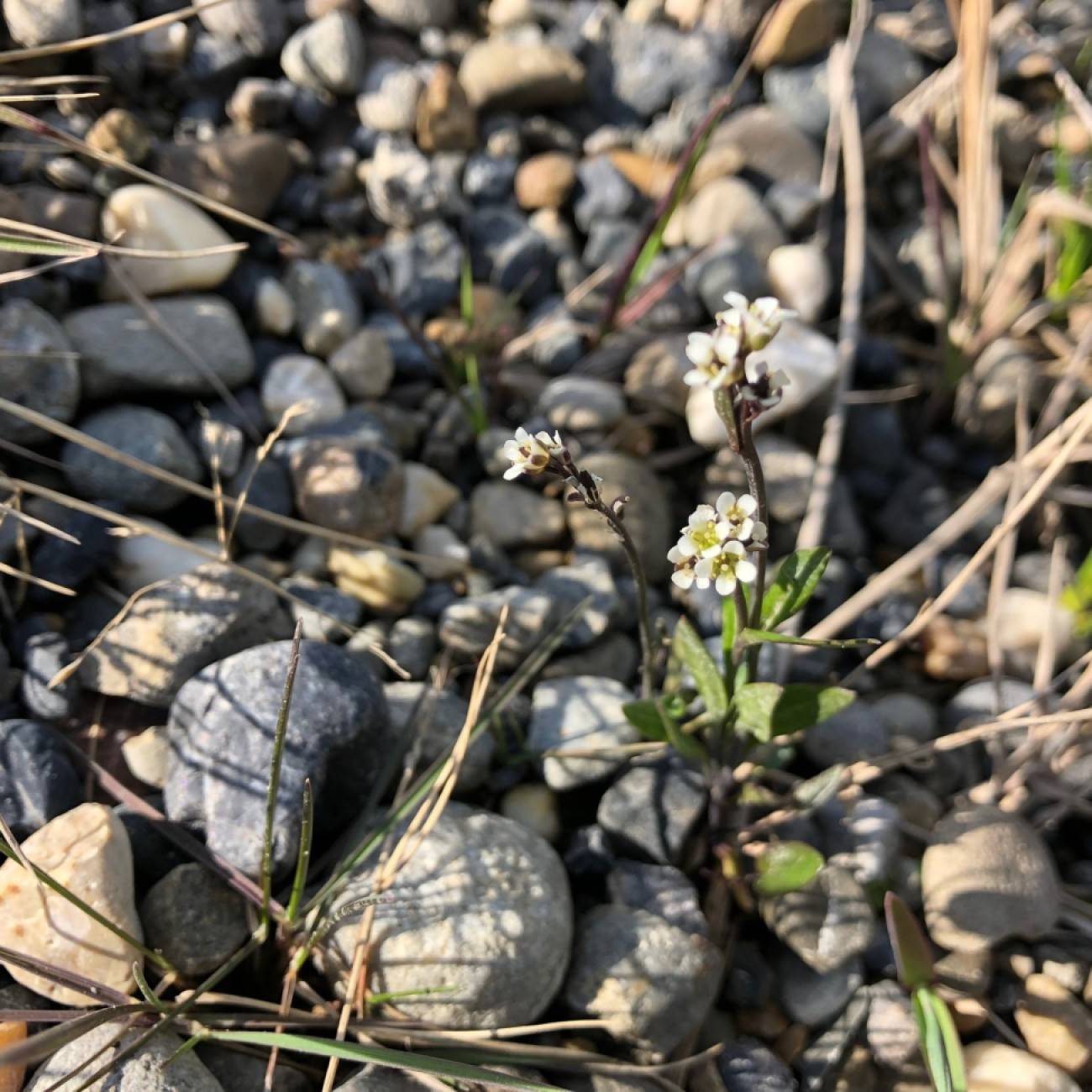
Greenland Rockcress
Boechera groenlandica
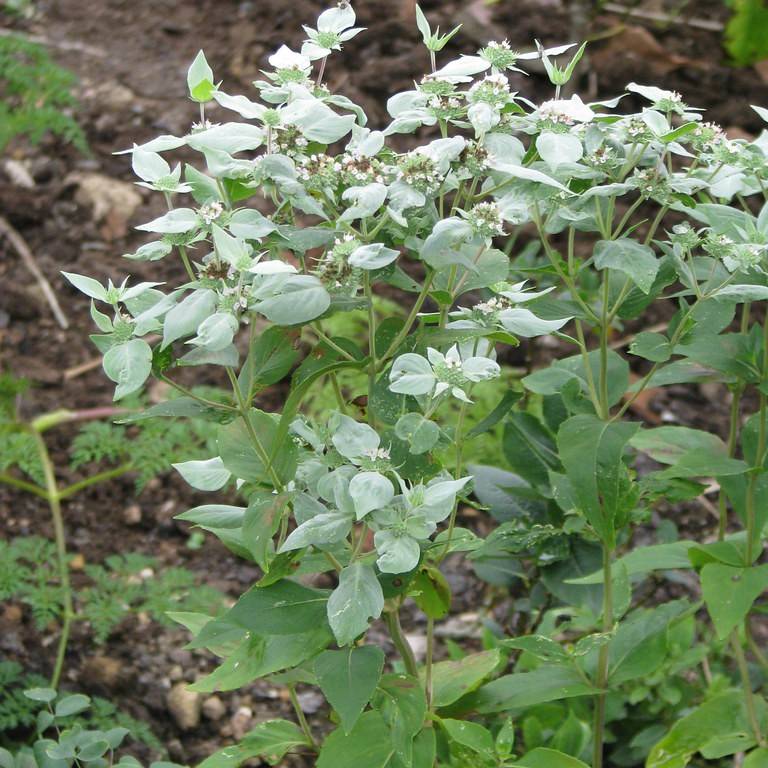
Blunt Mountainmint
Pycnanthemum muticum
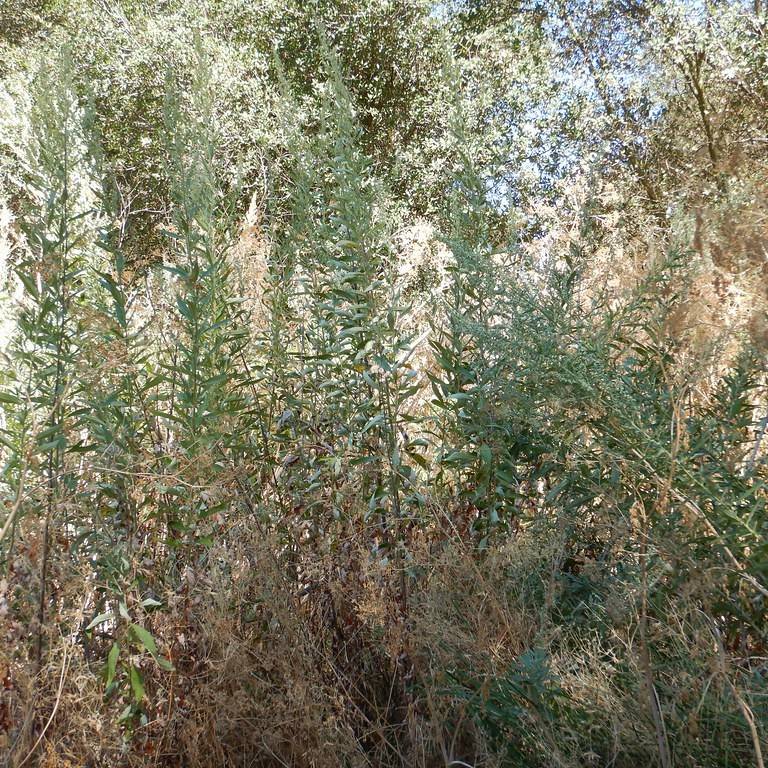
Douglas Wormwood
Artemisia douglasiana