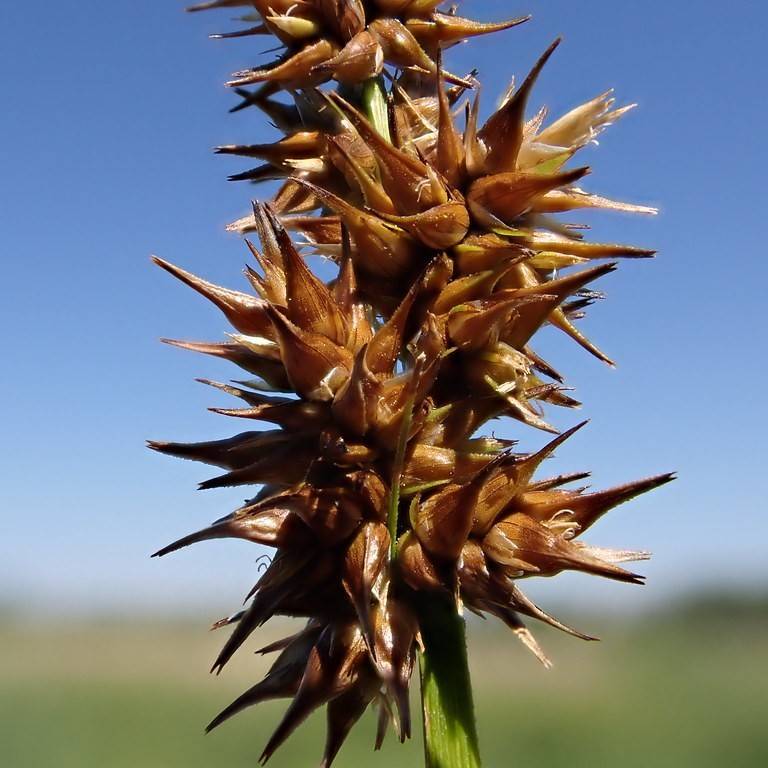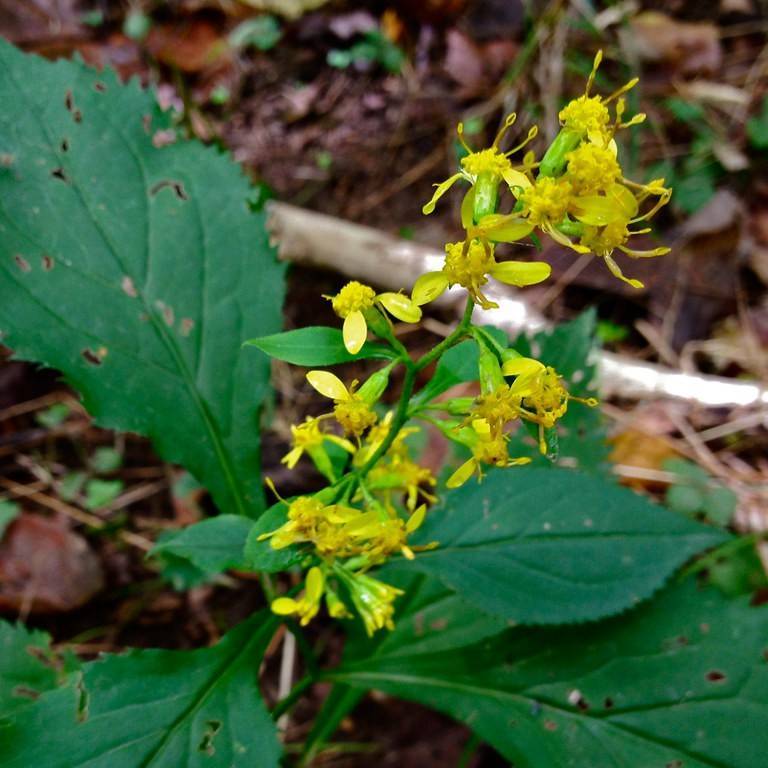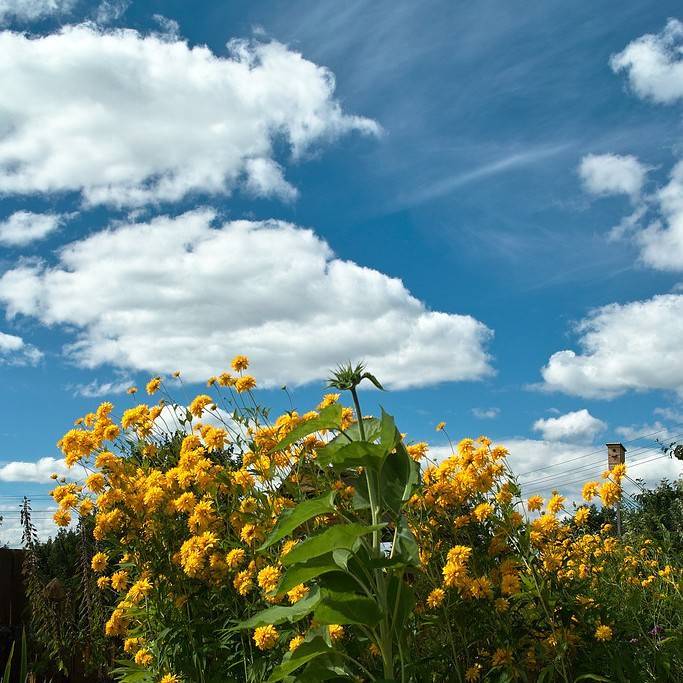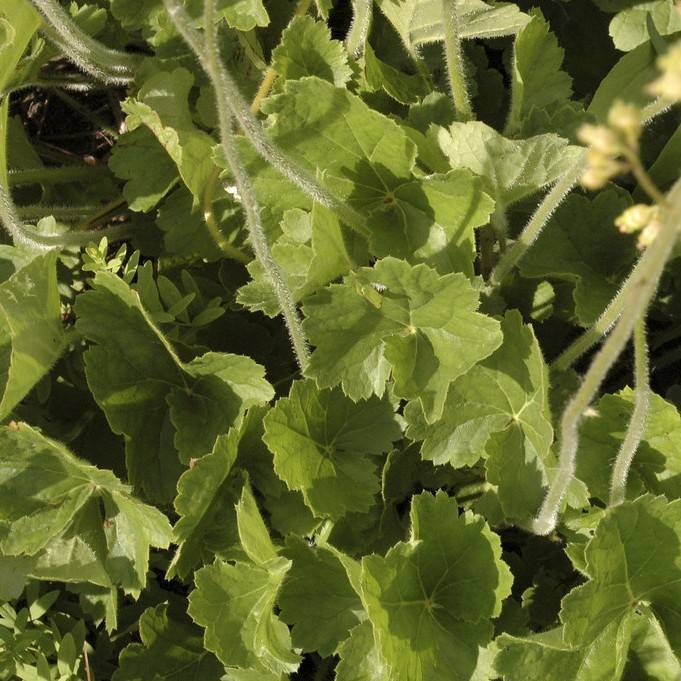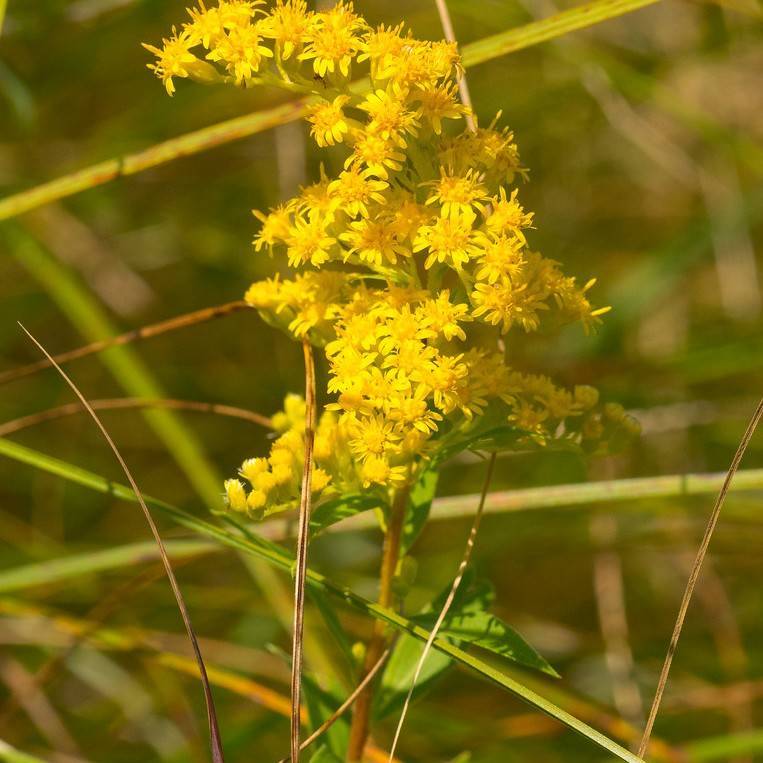
Bog Goldenrod
Solidago uliginosa
Overview
Bog goldenrod is a herbaceous wetland native that forms upright, unbranched stems lined with narrow, lance-shaped, toothed leaves. From late August to October, it bears dense, elongated clusters of tiny, bright yellow composite flowers at the top of each stem, attracting a wide range of pollinators including bees, butterflies, and beneficial wasps. It is adapted to consistently moist, nutrient-poor wetland habitats, distinguishing it from many other goldenrod species that prefer drier upland sites.
Care Guide
Watering
Bog goldenrod requires consistently moist to saturated soil, and should never be allowed to dry out completely. In garden settings, water deeply and regularly to maintain saturated conditions, especially during periods of drought, as even short dry spells can stress the plant. It tolerates shallow standing water for extended periods, making it ideal for rain gardens, pond edges, and bog plantings.
Light
This species thrives in full sun, requiring a minimum of 6 hours of direct sunlight daily to produce abundant blooms and maintain sturdy, upright stems. It can tolerate partial shade, but flowering will be reduced, and stems may become leggy and require staking to stay upright. Full sun exposure also helps minimize the risk of foliar fungal diseases.
Soil
Bog goldenrod prefers acidic, poorly drained, nutrient-poor soils including peat, sandy loam, and muck typical of wetland habitats. It tolerates a pH range of 4.0 to 6.5, and does not perform well in fertile, alkaline, or fast-draining soils that dry out quickly. Amending planting sites with peat moss or well-rotted leaf mold can help lower pH and improve water retention if needed.
Fertilizer
This species is adapted to low-nutrient wetland environments, so it requires very little supplemental fertilization. Over-fertilization, especially with nitrogen-rich products, will lead to leggy growth, reduced flowering, and weakened stems that are prone to flopping. If planted in very poor soil, a single light application of a balanced, slow-release fertilizer in early spring is sufficient.
Temperature
Bog goldenrod is cold-hardy in USDA zones 3 through 8, tolerating winter temperatures as low as -40°F (-40°C) when dormant. It thrives in summer temperatures between 60°F and 85°F (15°C to 29°C), and can tolerate short periods of higher heat as long as soil moisture remains consistent. Winter dormancy is triggered by falling temperatures, with above-ground growth dying back completely to the root crown.
Pruning
Minimal pruning is required for bog goldenrod; spent flower clusters can be left standing through winter to provide seed for birds and shelter for beneficial insect pupae. In early spring, cut back all dead, previous year’s stems to ground level before new growth emerges to encourage fresh, healthy foliage and blooms. If plants become too dense, thin out one-third of the older stems in early spring to improve air circulation and reduce fungal disease risk.
Propagation
Bog goldenrod is most easily propagated by division in early spring, just as new growth begins to emerge; dig up mature clumps, split them into smaller sections with at least 2-3 growing points each, and replant immediately in moist soil. It can also be grown from seed, which requires a 60-day period of cold stratification to break dormancy, and should be sown on the surface of moist soil in late fall or early spring. Cuttings taken from young, soft stem tips in late spring can also root successfully if kept in consistently moist, acidic growing medium.
Humidity
This species tolerates a wide range of humidity levels, but thrives in the moderate to high humidity typical of its native wetland habitats. Average outdoor humidity levels between 50% and 80% are ideal, and it does not require additional humidity when grown outdoors in suitable climates. In drier regions, consistent soil moisture will help compensate for lower ambient humidity.
Repotting
Bog goldenrod is rarely grown in containers, as it prefers consistently saturated soil that is difficult to maintain in a pot long-term. If grown in a container for a bog garden display, repot every 2-3 years in early spring, using a acidic, peat-rich potting mix formulated for wetland plants, and choose a pot without drainage holes to retain moisture. Divide overcrowded clumps at repotting time to prevent root binding and maintain vigorous growth.
Uses & Symbolism
Bog goldenrod is a popular choice for native plant rain gardens, pond edges, wetland restoration projects, and wildlife gardens, as it provides critical late-season nectar for pollinators and seed for songbirds through the winter. Historically, some Indigenous North American communities used parts of the plant to treat fevers, urinary tract issues, and minor wounds, though it is not widely used in modern herbal medicine. Its bright, long-lasting golden blooms also make it a striking cut flower for fresh floral arrangements.
Diseases & Pests
Bog goldenrod is relatively pest and disease resistant, but can be susceptible to foliar fungal diseases including powdery mildew and rust in areas with poor air circulation or extended periods of high humidity and warm temperatures. Aphids and leaf beetles may occasionally feed on foliage, but infestations are rarely severe and can be controlled with insecticidal soap or by attracting natural predators like ladybugs. Root rot may occur if the plant is grown in poorly aerated, stagnant standing water for very long periods.
Related plants
Other plants you might like if you grow Bog Goldenrod.