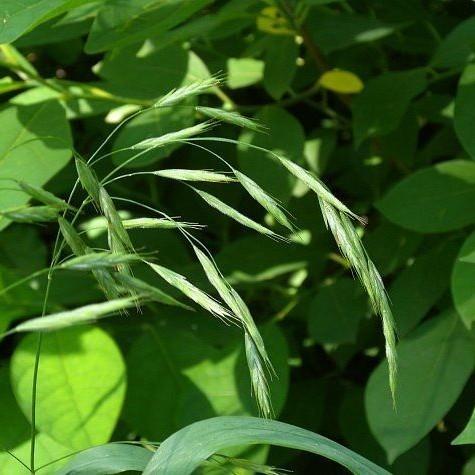
Hairy Wood Brome
Bromus pubescens
Overview
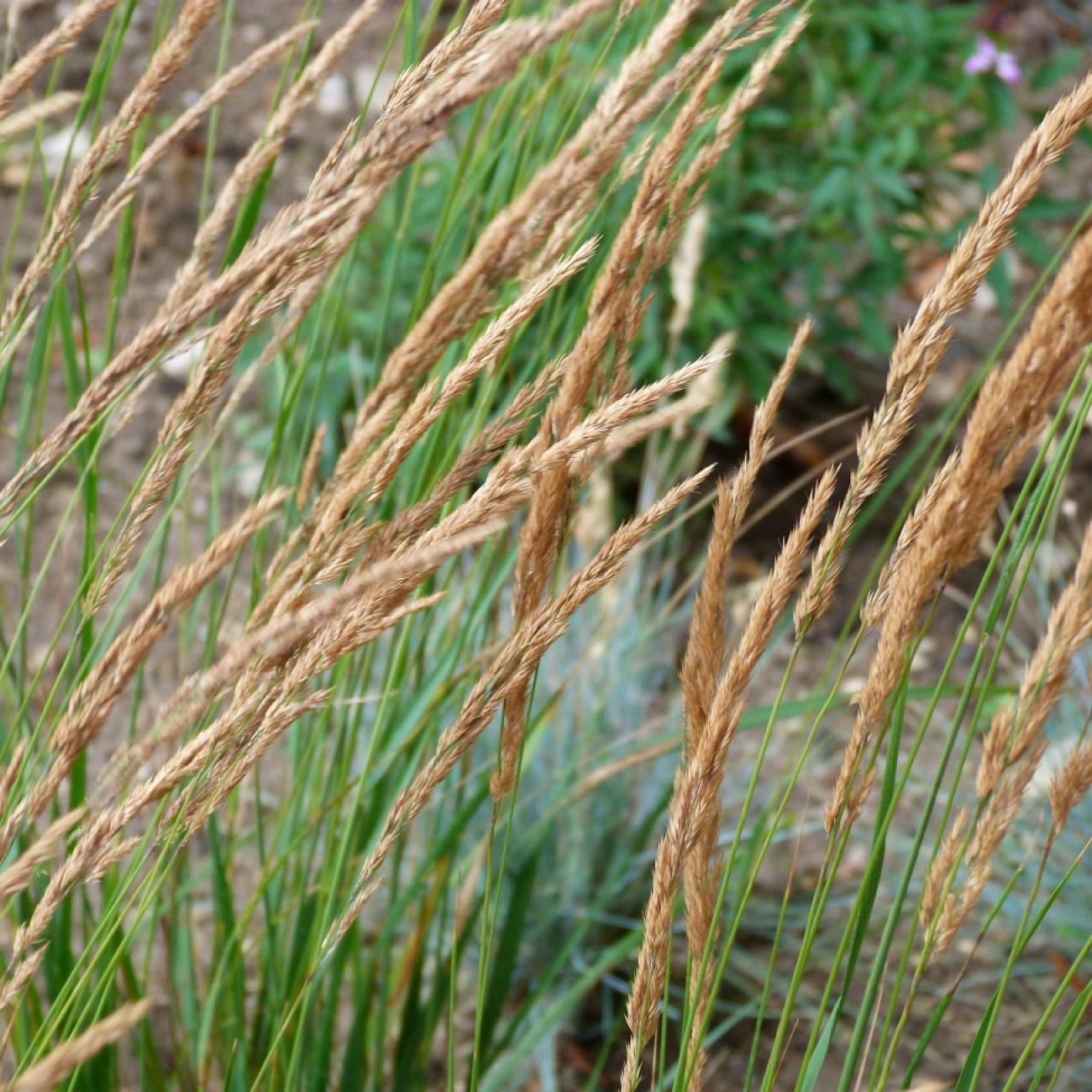
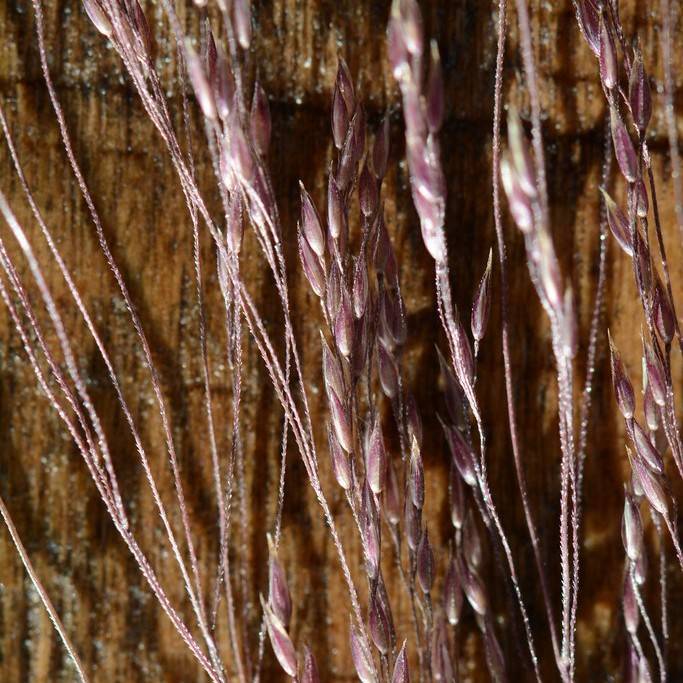
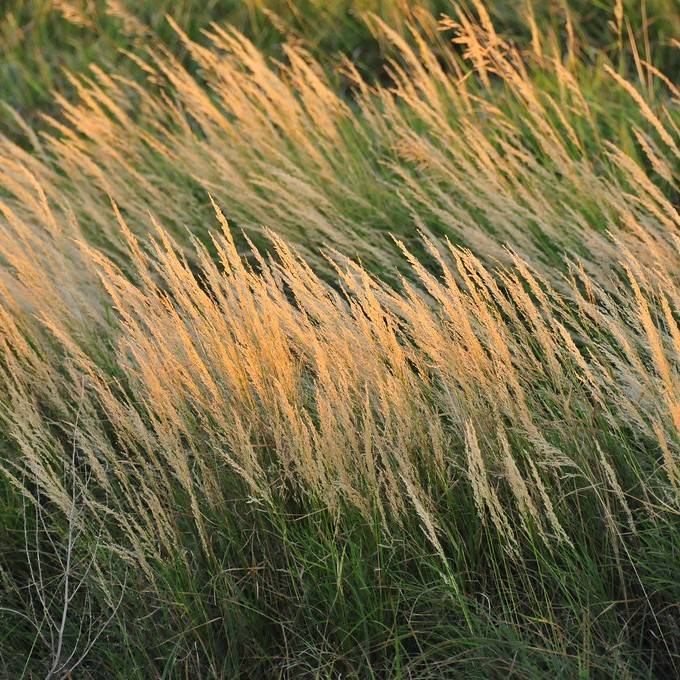
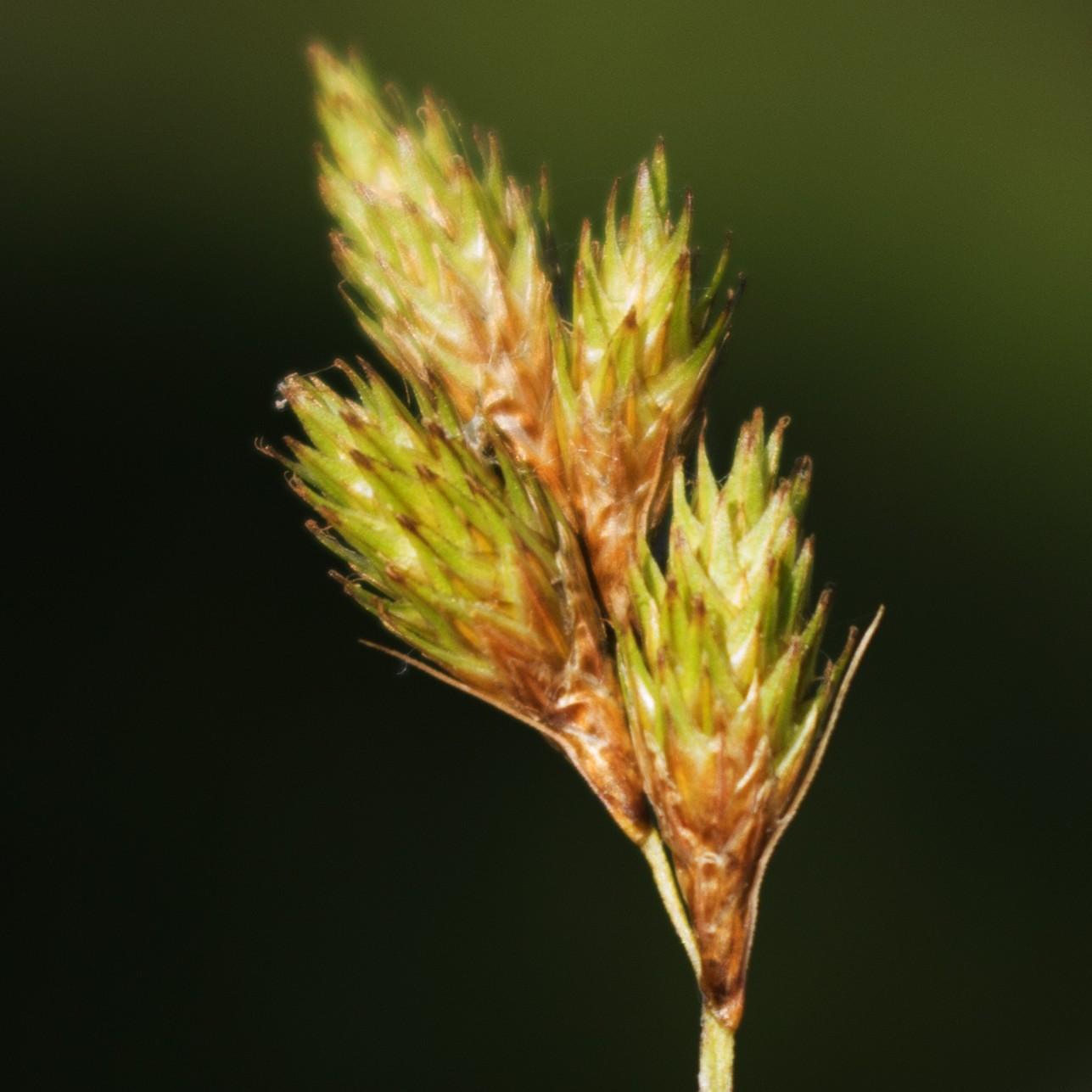
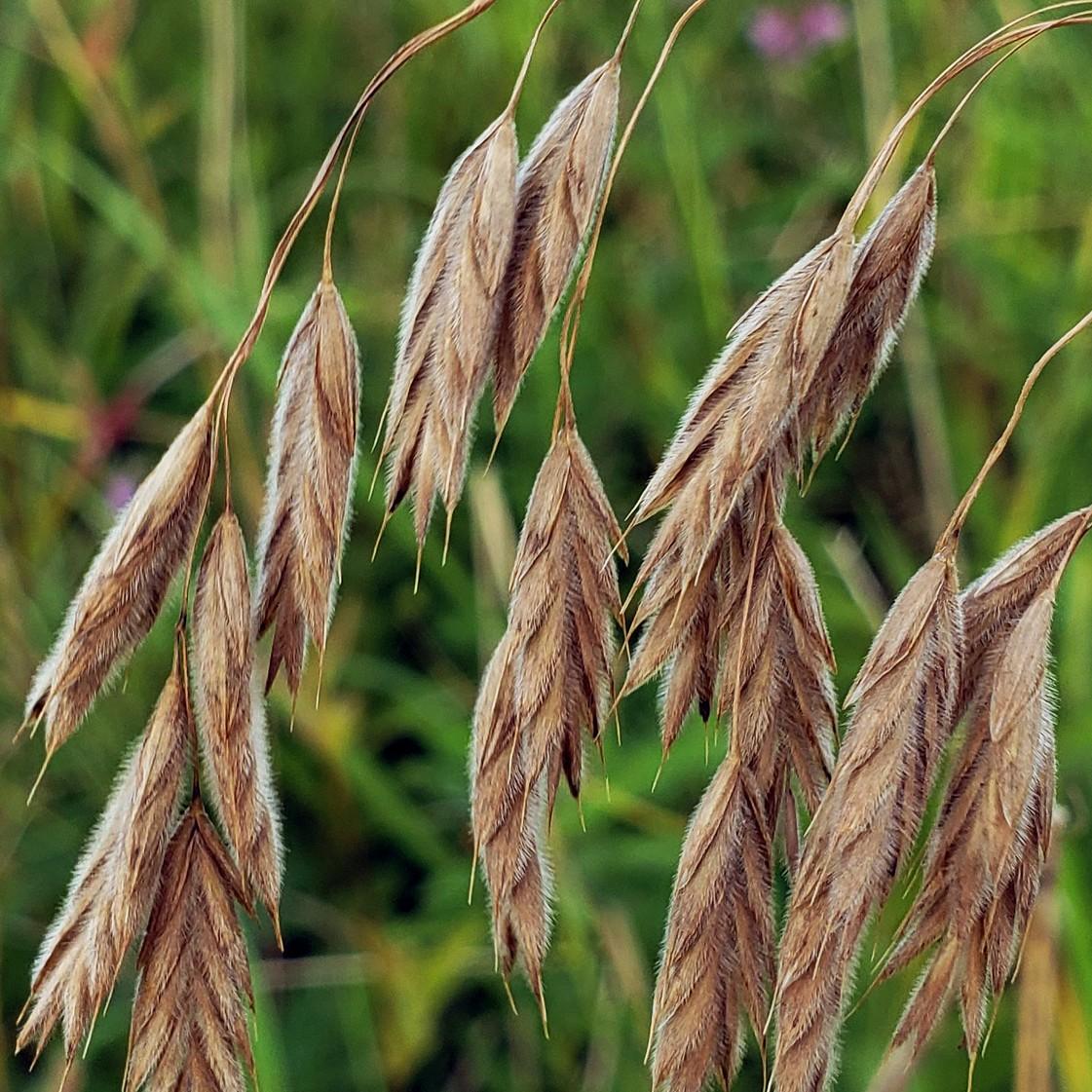
Bromus pubescens, commonly called Hairy Wood Brome, is a clumping cool-season grass adapted to the dappled light and rich soils of deciduous woodlands, floodplains, and shaded slopes across eastern and central North America. It produces soft, fine-textured green foliage covered in fine hairs, with delicate drooping flower spikes that emerge in late spring to early summer, turning tan as they mature into seed heads. This low-maintenance grass is a key component of native woodland ecosystems, supporting a range of pollinators and small wildlife while requiring very little intervention to thrive in appropriate conditions.
Care Guide
Watering
Hairy Wood Brome prefers consistently moist, well-drained soil, and should be watered regularly during extended dry periods to prevent foliage from browning at the tips. It tolerates occasional short-term flooding in low-lying woodland sites, but prolonged standing water will cause root rot and should be avoided. Once established, it has moderate drought tolerance, requiring supplemental water only during periods of extreme heat or extended lack of rainfall.
Light
This species thrives in partial to full shade, making it ideal for planting under deciduous trees or in north-facing garden spots that receive little direct sun. It can tolerate a few hours of gentle morning sun, but intense midday or afternoon sunlight will scorch its foliage and cause it to decline rapidly. In deep full shade, growth may be slightly sparser, but the plant will remain healthy and continue to spread slowly.
Soil
Hairy Wood Brome adapts best to rich, loamy, slightly acidic to neutral soil with high organic matter content, mimicking the leaf litter layer of its native woodland habitat. It tolerates a wide range of soil textures, including clay and silt, as long as drainage is adequate to prevent waterlogging around the root zone. Amending planting sites with compost or leaf mold will improve soil structure and support healthier, more vigorous growth.
Fertilizer
This native grass rarely requires supplemental fertilization when planted in organically rich woodland soil, as it naturally obtains nutrients from decomposing leaf litter. If grown in poor, low-nutrient soil, a single application of a balanced, slow-release organic fertilizer in early spring will support healthy foliage growth without encouraging excessive, leggy spread. Avoid high-nitrogen synthetic fertilizers, which can cause overly rapid growth that makes the plant prone to flopping and pest infestations.
Temperature
Hairy Wood Brome is adapted to temperate climates, thriving in USDA hardiness zones 3 through 8, and tolerates winter temperatures as low as -40°F (-40°C) without protection. As a cool-season grass, it grows most actively in the mild temperatures of spring and fall, and goes semi-dormant during the hottest weeks of mid-summer. Extreme, prolonged heat above 95°F (35°C) may cause foliage to brown temporarily, but the plant will recover as temperatures cool.
Pruning
Pruning requirements are minimal for Hairy Wood Brome; spent flower stalks can be cut back to the base in late fall or early spring before new growth emerges to keep the planting looking tidy. If self-seeding is unwanted, cut flower spikes before they mature and release seed in mid to late summer to prevent unwanted spread in the garden. Dead or damaged foliage can be removed at any time of year to improve the plant’s appearance.
Propagation
Hairy Wood Brome is most easily propagated by seed, which can be sown directly outdoors in late fall to allow natural cold stratification over winter, or stratified indoors for 60 days before sowing in spring. Established clumps can also be divided in early spring or late fall, separated into smaller sections with intact root systems, and replanted immediately at the same depth they were growing previously. Seed germinates reliably in moist, shaded conditions, with young plants reaching mature size in 2 to 3 growing seasons.
Humidity
This species tolerates a wide range of humidity levels, from the moderate humidity of upland woodlands to the higher humidity of riparian floodplain sites, with no special humidity requirements for healthy growth. It does not thrive in arid, low-humidity conditions, and will require more frequent watering if grown in areas with consistently dry air. Good air circulation around the foliage helps prevent fungal issues in areas with very high, prolonged humidity.
Repotting
Hairy Wood Brome is rarely grown in containers, as it spreads naturally via short rhizomes and is best suited for in-ground woodland plantings. If grown in a pot, repot every 2 to 3 years in early spring before new growth emerges, using a rich, loamy potting mix amended with leaf mold to mimic its native soil. Choose a pot with ample drainage holes to prevent waterlogging, and size up only 1 to 2 inches in diameter each time to avoid excess standing moisture in unused soil.
Uses & Symbolism
Hairy Wood Brome is widely used in native woodland gardens, shade landscaping, and restoration projects to control soil erosion on shaded slopes and riparian areas, as its fibrous root system holds soil in place effectively. It provides valuable habitat and food for native wildlife, including caterpillars of several skipper butterfly species, seed for small songbirds and rodents, and cover for ground-dwelling birds and amphibians. Its soft, fine-textured foliage and delicate drooping seed heads also make it an attractive low-maintenance ornamental grass for shaded garden beds, where it pairs well with other shade-loving native perennials such as wild geranium and trillium.
Diseases & Pests
Hairy Wood Brome is relatively resistant to most pests and diseases, though it can occasionally be affected by fungal leaf spots and rusts in conditions of prolonged high humidity and poor air circulation. Aphids and grasshoppers may feed on its foliage, but damage is rarely severe enough to require treatment, as the plant recovers quickly from minor herbivory. Overly wet, waterlogged soil can lead to root rot, which can be prevented by ensuring proper drainage at planting sites and avoiding overwatering.
Related plants
Other plants you might like if you grow Hairy Wood Brome.