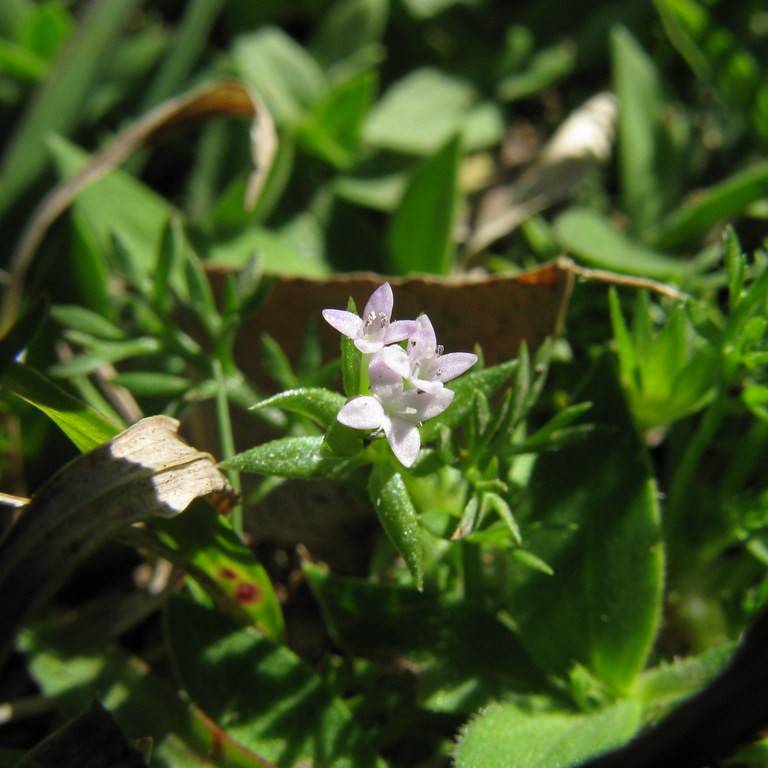
Blue Woodruff
Asperula orientalis
Overview
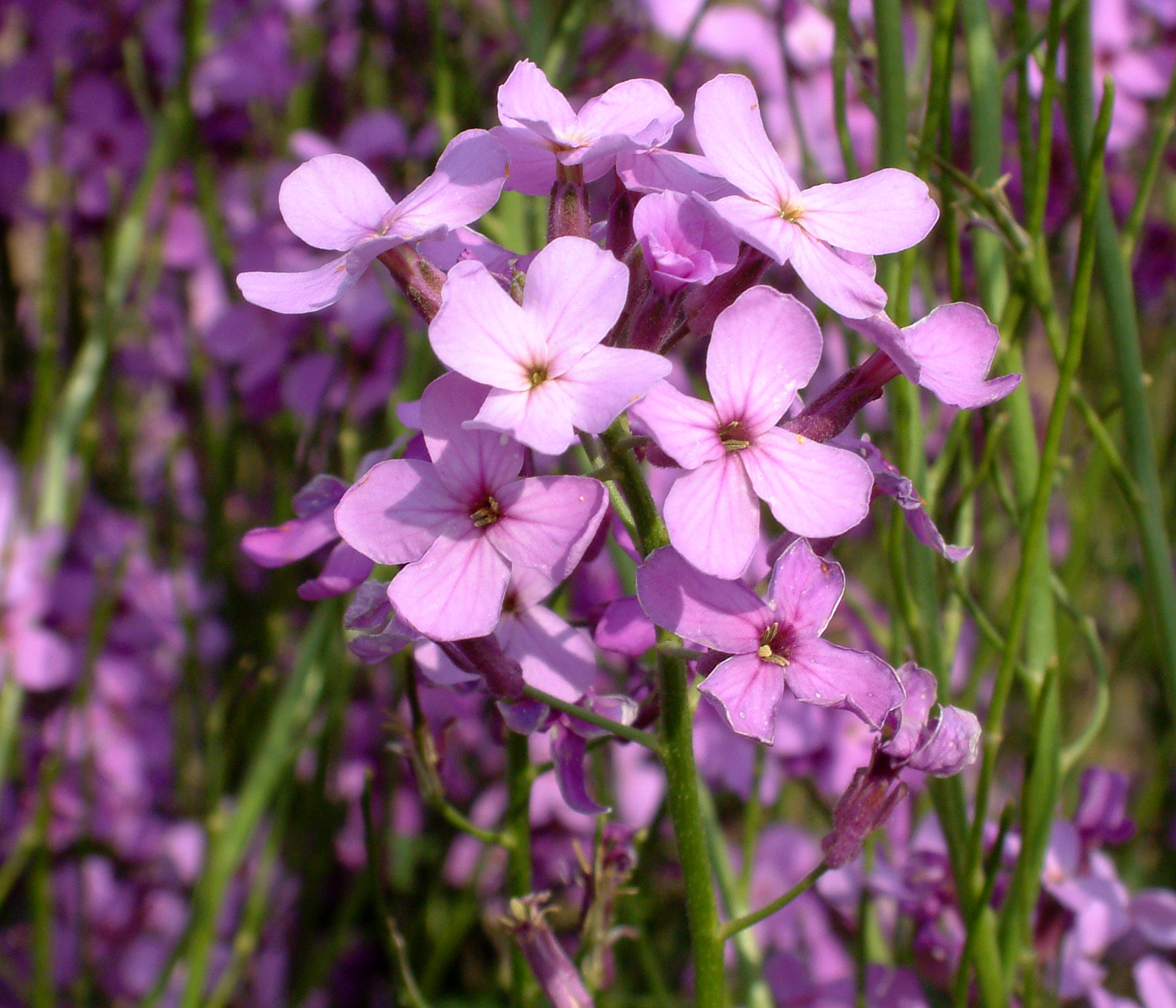
Blue woodruff, also called oriental woodruff, is a compact, mat-forming annual valued for its delicate, star-shaped blue blooms and soft, fern-like foliage. It thrives in cool spring conditions, often fading once summer heat sets in, and self-seeds readily in ideal growing locations. Its mild, sweet scent intensifies when foliage is dried, making it a popular addition to potpourri and sachet blends.
Care Guide
Watering
Keep soil consistently moist but not waterlogged, watering deeply when the top 1 inch of soil feels dry to the touch. Avoid overhead watering to reduce risk of foliar fungal diseases, directing water at the base of the plant instead. Reduce watering frequency once plants begin to yellow and die back in late summer.
Light
Grow in full sun to partial shade, with dappled afternoon shade recommended in regions with hot, intense summer sun to prevent premature wilting and decline. Full sun exposure in cool climates encourages denser foliage and more abundant flower production. Too much deep shade will lead to leggy growth and reduced flowering.
Soil
Prefers well-drained, moderately fertile, loamy or sandy soil with a neutral to slightly alkaline pH between 6.5 and 7.5. Amending heavy clay soils with compost or coarse sand will improve drainage to prevent root rot. It tolerates poor, low-nutrient soils as long as drainage is adequate.
Fertilizer
Blue woodruff has low fertilizer needs; apply a balanced, slow-release 10-10-10 fertilizer once at planting time in spring if soil is very poor. Over-fertilization will promote excessive leaf growth at the expense of flower production and reduce the plant’s characteristic fragrance. No additional feeding is required during the growing season for most garden soils.
Temperature
Thrives in cool temperatures between 50–75°F (10–24°C), tolerating light spring frosts without damage. It is not heat tolerant, and will begin to yellow, set seed, and die back once temperatures consistently exceed 80°F (27°C). It cannot survive hard freezes, as it completes its life cycle in a single growing season.
Pruning
Deadhead spent flower clusters regularly to encourage extended blooming and prevent unwanted self-seeding if you do not want volunteer plants the following year. Trim back leggy growth by up to one-third in mid-spring to promote a bushier, more compact habit. Once plants die back completely in summer, pull and discard spent foliage to clear space for warm-season plantings.
Propagation
Easily propagated from seed sown directly outdoors in fall or early spring, as seeds require a period of cold stratification to germinate reliably. Surface sow seeds, pressing them lightly into the soil without covering, as they need light to germinate, which occurs in 14–21 days at 60–65°F (15–18°C). Self-sown seedlings can be gently transplanted in early spring while they are still small.
Humidity
Adaptable to average outdoor humidity levels between 40–60%, with no special humidity requirements to thrive. High humidity combined with poor air circulation can increase risk of powdery mildew and other fungal foliar diseases. It does not tolerate extremely dry, arid conditions without supplemental watering.
Repotting
Blue woodruff is rarely grown in containers long-term, but if potted, it does not require repotting during its single growing season. If transplanting nursery starts, move them to their final pot or garden location once they have 2–3 sets of true leaves, taking care not to disturb the delicate root system. Discard potted plants once they die back at the end of the growing season.
Uses & Symbolism
Dried blue woodruff foliage and flowers are added to potpourri, sachets, and herbal wreaths for their long-lasting sweet, hay-like scent. It is grown as a low edging plant in cottage gardens, rock gardens, and cool-season border plantings, and is a good companion plant for spring bulbs. Historically, it was used to flavor wines, cordials, and herbal teas, though culinary use is less common today.
Diseases & Pests
Blue woodruff is relatively pest and disease resistant, but may develop powdery mildew or leaf spot in warm, humid conditions with poor air circulation. Aphids and spider mites may occasionally infest new growth, especially on plants grown in overly dry conditions. Overwatering or poorly drained soil can lead to root rot, which is usually fatal for the plant.
Related plants
Other plants you might like if you grow Blue Woodruff.