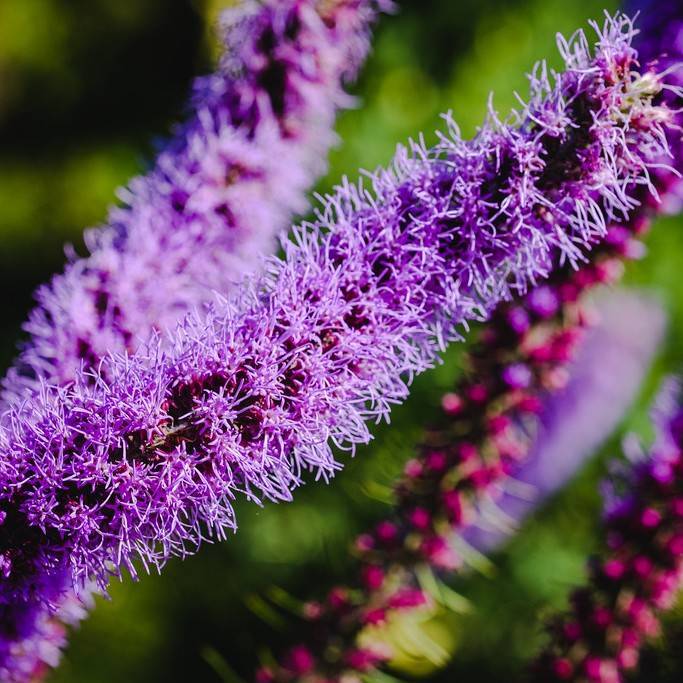
Blazing Star
Liatris spicata
Overview
Blazing star, also called gayfeather, is a prairie native distinguished by its unique vertical flower spikes that open from the top down, rather than the bottom up like most spike-flowering plants. It thrives in meadows, prairies, and rain gardens, providing a bold vertical accent in mixed perennial borders. Its grass-like, deep green foliage forms a low clump at the base before flowering stalks emerge in mid-summer.
Care Guide
Watering
Blazing star is drought-tolerant once established, requiring regular watering only during prolonged dry spells in its first growing season to help roots establish. Avoid overwatering, as soggy soil will quickly cause root rot; allow the top 2 to 3 inches of soil to dry out between waterings. During winter, reduce moisture significantly to prevent bulb and root decay in cold, wet conditions.
Light
This species requires full sun, meaning at least 6 to 8 hours of direct, unfiltered sunlight per day to produce strong, upright flower stalks and abundant blooms. Partial shade will cause stems to become weak, leggy, and prone to flopping, and will reduce flowering volume. It tolerates intense summer heat and direct midday sun without scorching.
Soil
Blazing star prefers well-drained, sandy or loamy soil with a neutral to slightly acidic pH between 5.5 and 7.5. It tolerates poor, rocky, and low-nutrient soils very well, as long as drainage is excellent. Heavy clay soils that hold moisture are unsuitable; amend with sand or compost to improve drainage before planting to prevent root rot.
Fertilizer
Blazing star does not require frequent fertilization, as it is adapted to low-nutrient prairie soils. A light application of balanced, slow-release 10-10-10 fertilizer in early spring, just as new growth emerges, is sufficient for the entire growing season. Over-fertilization will cause excessive leaf growth and weak, floppy stems that require staking.
Temperature
It is hardy in USDA zones 3 through 9, tolerating winter temperatures as low as -40°F (-40°C) and summer highs above 90°F (32°C). It requires a period of cold winter dormancy to thrive, making it unsuitable for tropical or frost-free climates without artificial chilling. Mulch around the base in late fall in colder zones to protect roots from extreme freeze-thaw cycles.
Pruning
Deadhead spent flower spikes after blooming finishes to encourage a possible second, smaller flush of flowers later in the season, and to prevent unwanted self-seeding if you wish to control spread. In late fall after foliage dies back, cut stalks down to 1 to 2 inches above the soil line to prepare the plant for winter dormancy. Remove any yellowed or damaged foliage during the growing season to improve air circulation.
Propagation
Blazing star can be propagated by seed, or by division of established clumps every 3 to 4 years in early spring or late fall. For seed propagation, sow seeds outdoors in fall to allow natural cold stratification over winter, or cold stratify seeds in the refrigerator for 4 to 6 weeks before sowing indoors in late winter. Division is the most reliable method to retain specific cultivar traits, as seed-grown plants may not come true to the parent plant.
Humidity
Blazing star tolerates a wide range of humidity levels, from dry prairie conditions to moderate summer humidity common in its native range. It does not thrive in high, constant humidity, especially when combined with poor air circulation and wet soil, as this increases the risk of fungal diseases. Ensure plants are spaced 12 to 18 inches apart to allow good air flow around foliage.
Repotting
When grown in containers, repot blazing star every 2 to 3 years in early spring before new growth emerges, using a well-drained potting mix amended with sand or perlite for extra drainage. Choose a pot with multiple drainage holes to prevent water buildup, as soggy potting mix is the most common cause of failure for container-grown specimens. Divide overcrowded clumps during repotting to maintain healthy growth and prevent root binding.
Uses & Symbolism
Blazing star is a popular cut flower, both fresh and dried, with sturdy stems and long-lasting blooms that hold their color well when dried. It is a staple of pollinator gardens, attracting bees, butterflies, and hummingbirds, and is a host plant for several native moth species. It is also frequently used in rain gardens, meadow plantings, and xeriscapes due to its drought tolerance and ability to stabilize soil.
Diseases & Pests
Blazing star is relatively pest and disease resistant, but can be susceptible to root rot, powdery mildew, and leaf spot if grown in poorly drained soil or overly shaded, high-humidity conditions. Common pests include aphids, spider mites, and Japanese beetles, which feed on foliage and flower buds; these can be controlled with insecticidal soap or neem oil applications. Rabbits and deer rarely browse blazing star due to its bitter foliage, making it a good choice for gardens prone to wildlife damage.
Related plants
Other plants you might like if you grow Blazing Star.
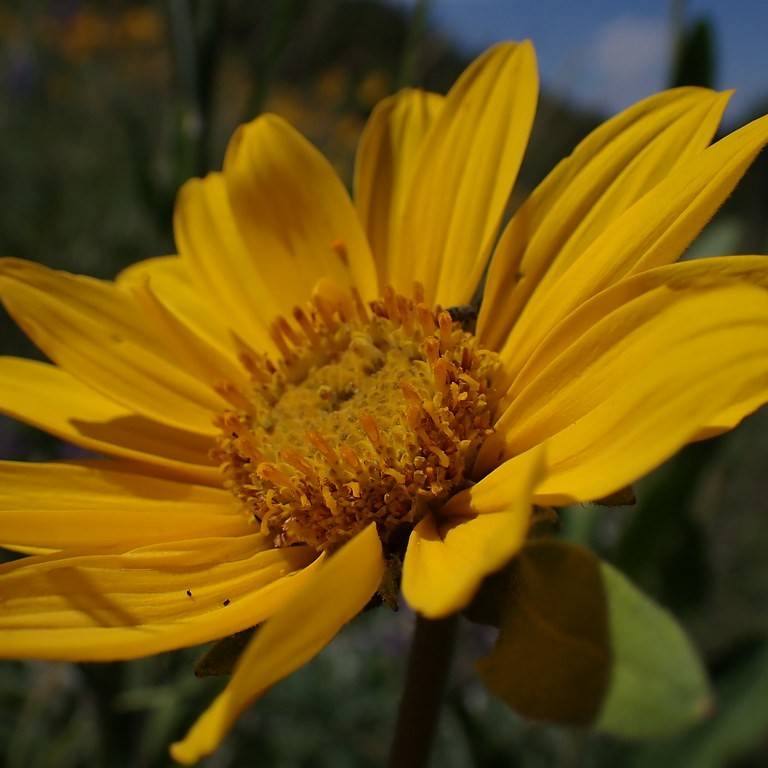
Arrowleaf Balsamroot
Balsamorhiza sagittata
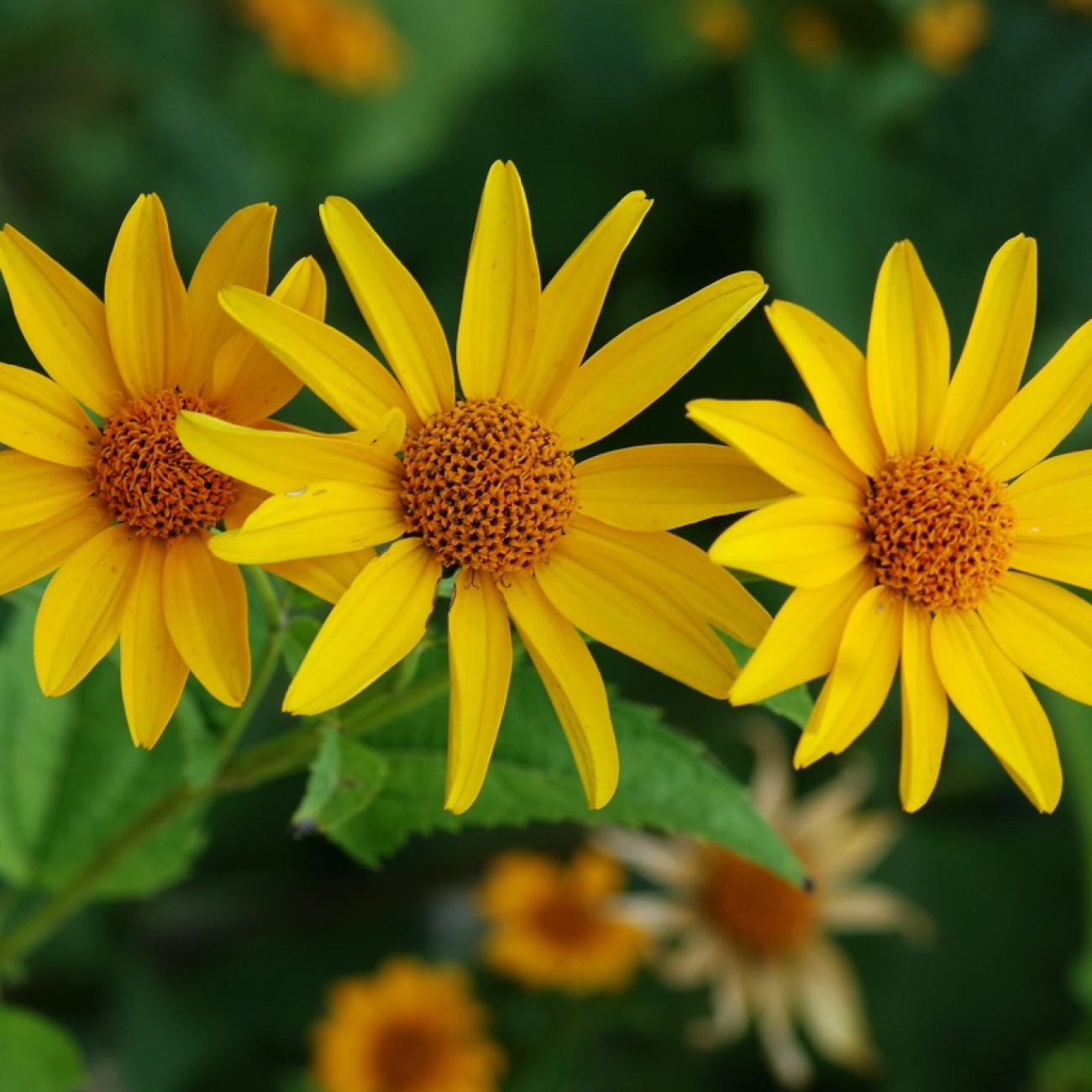
False Sunflower
Heliopsis helianthoides
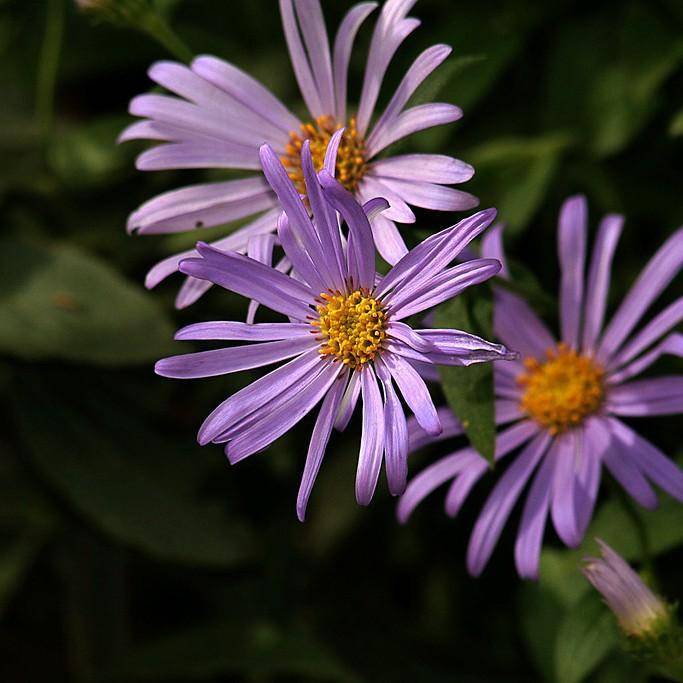
Frikart Aster
Aster × frikartii
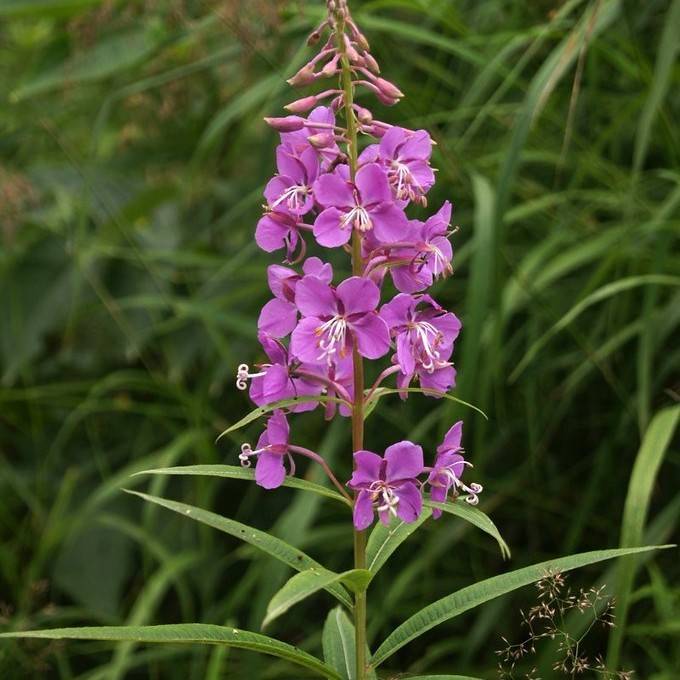
Hybrid Fireweed
Chamerion angustifolium 'Album' or interspecific Chamerion hybrids
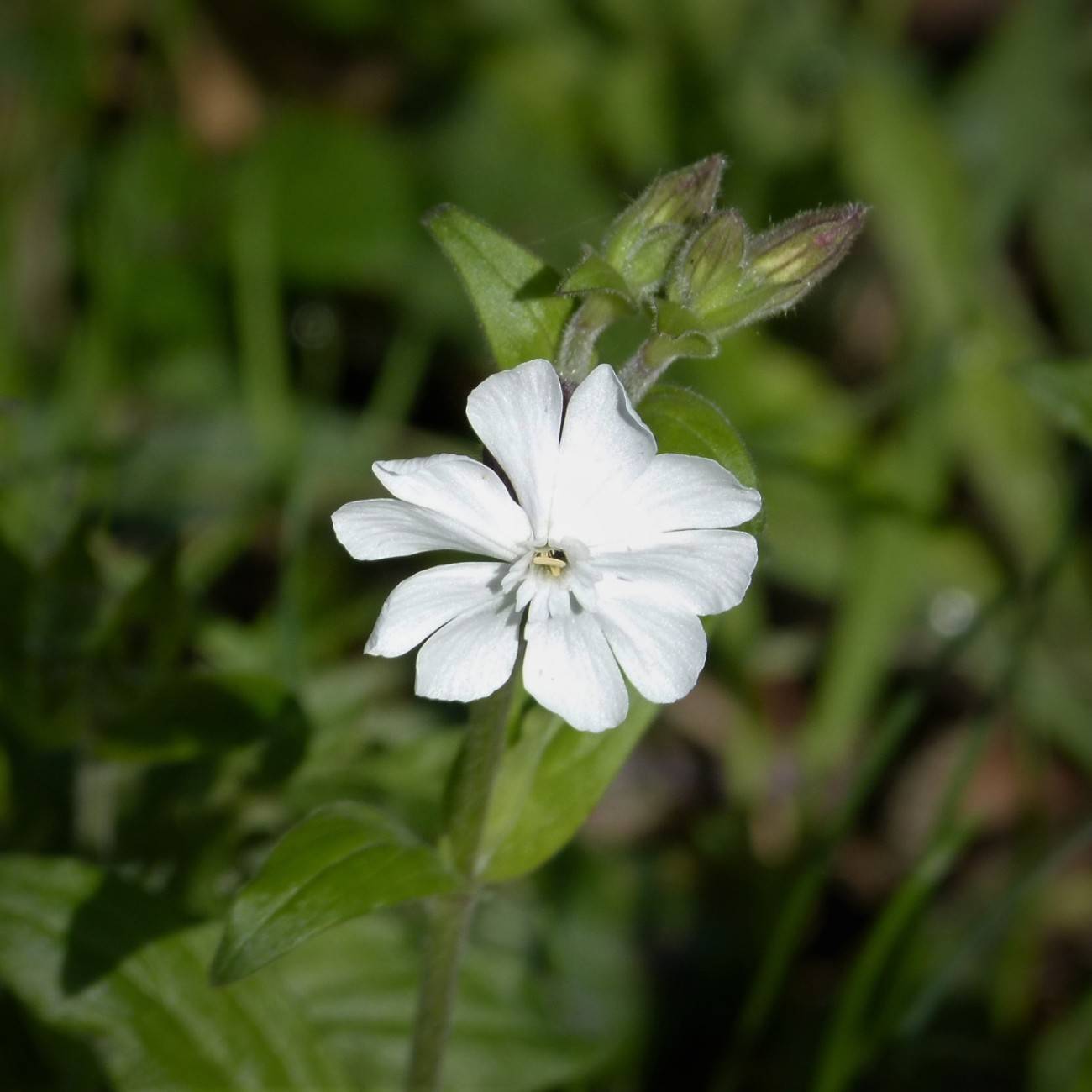
Campion
Silene vulgaris
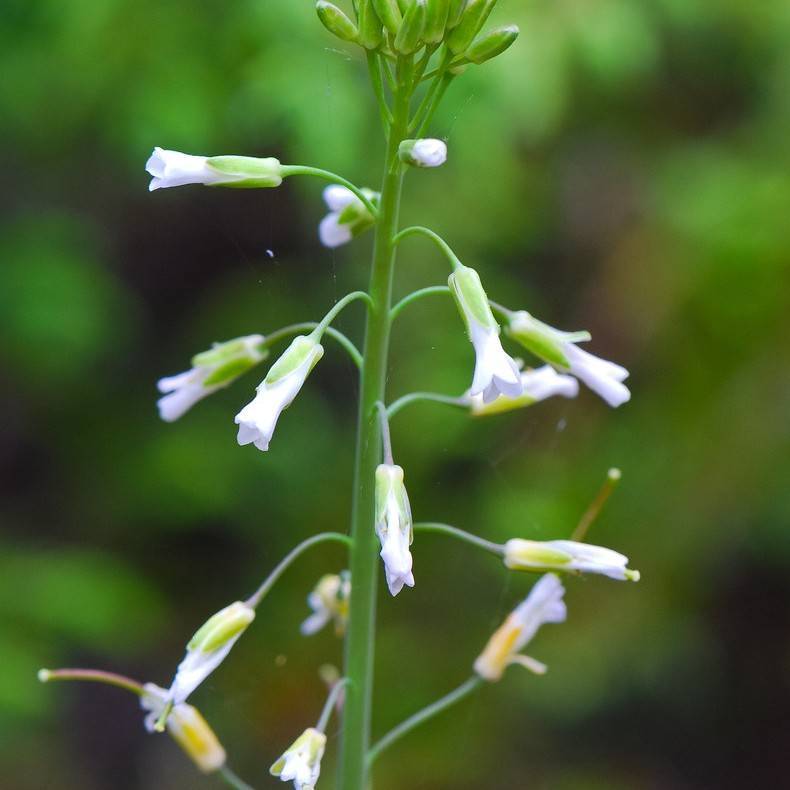
Graham's Rockcress
Boechera grahamii
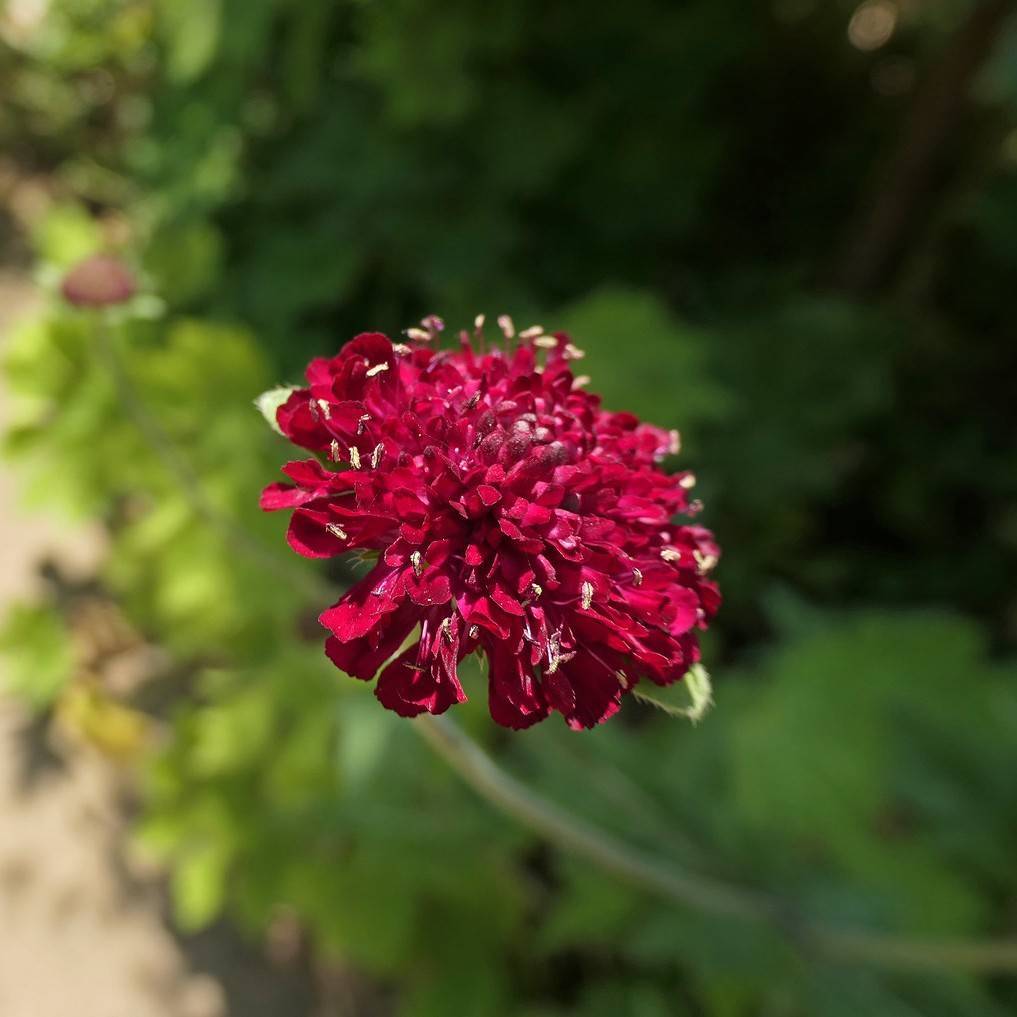
Knautia
Knautia arvensis
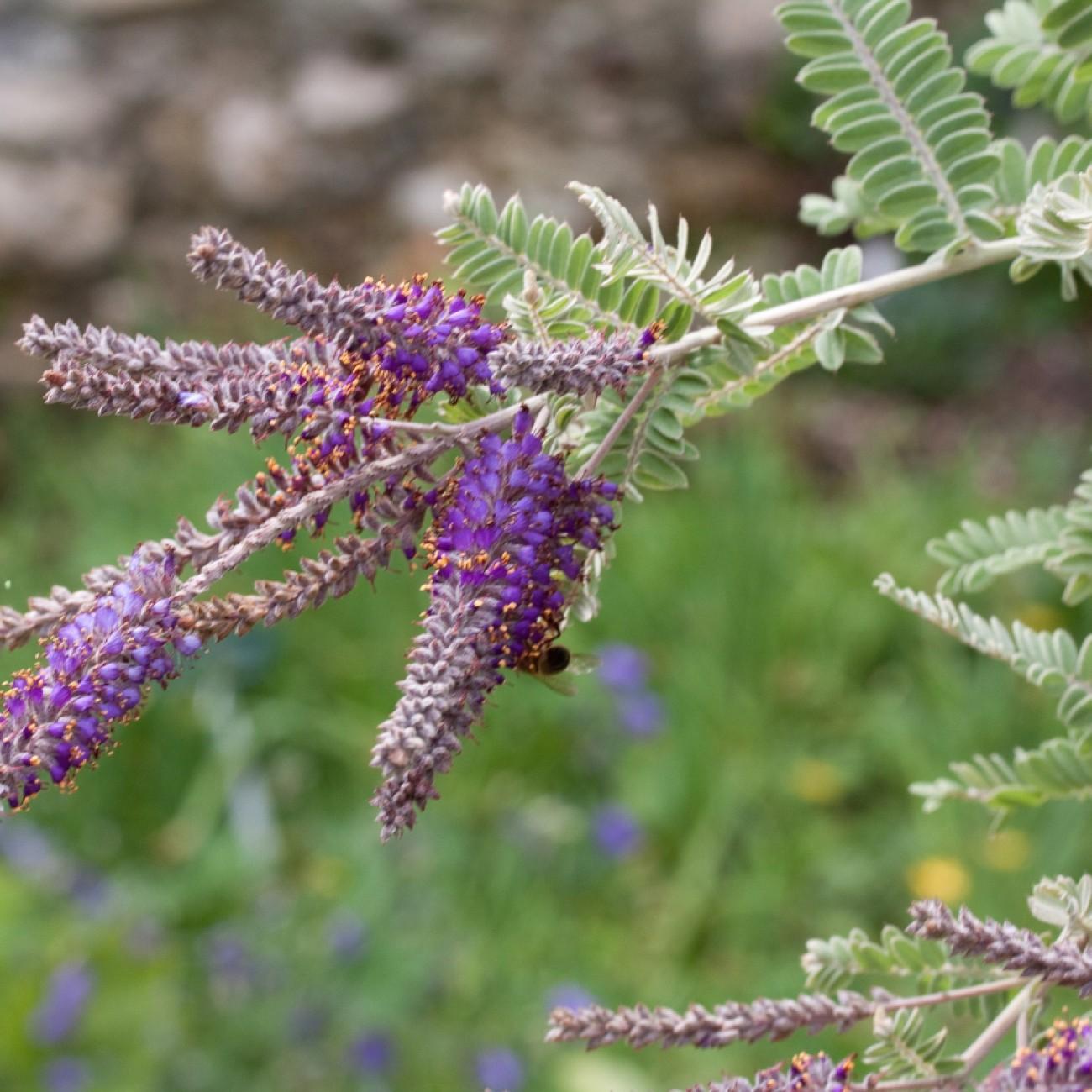
Dwarf False Indigo
Baptisia australis var. minor