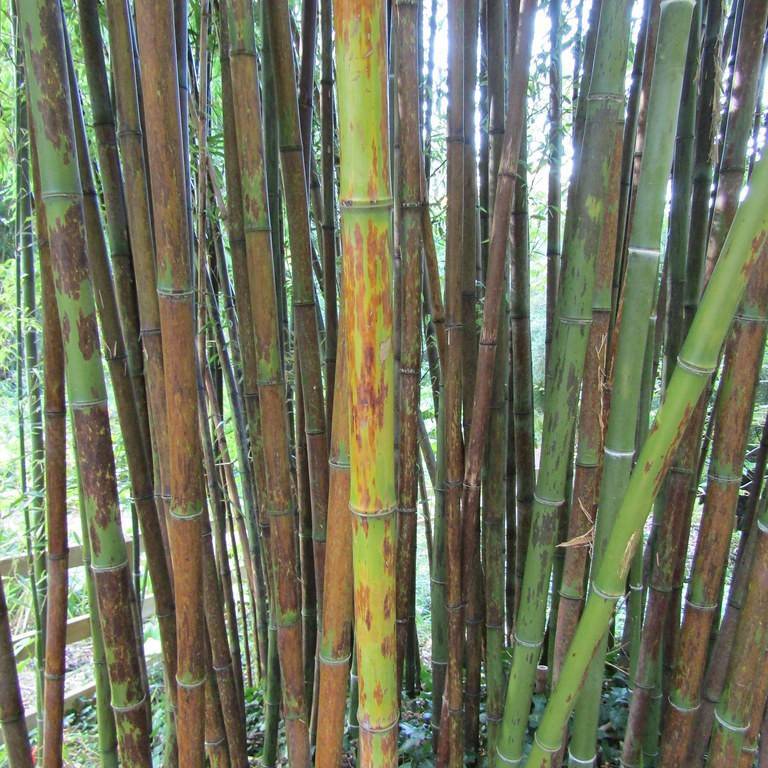
Blackstem Bamboo
Phyllostachys nigra
Overview
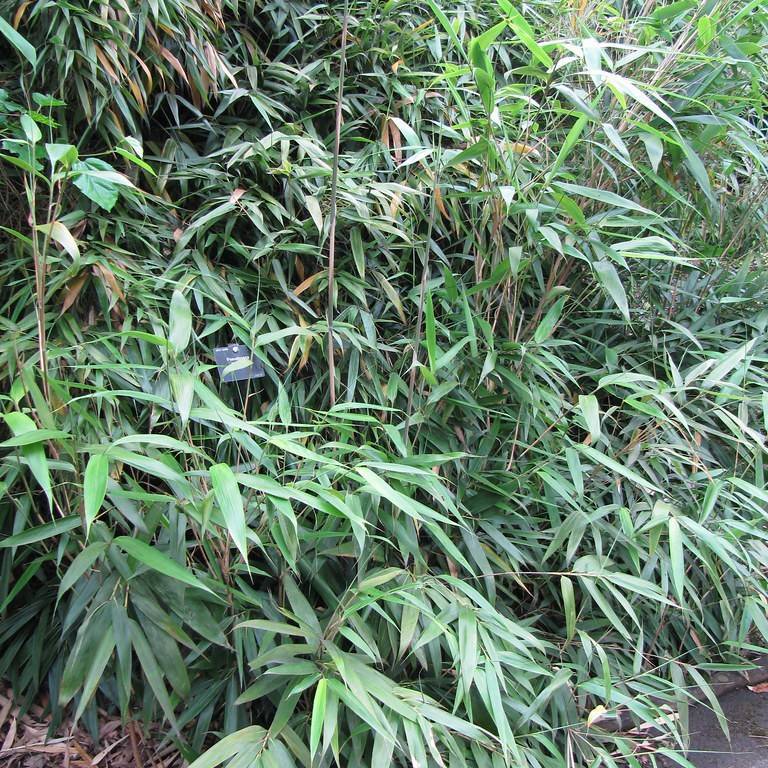
Blackstem Bamboo, also called black bamboo, is a running bamboo species famous for its dramatic color transformation: new culms emerge green, hardening to a deep, glossy black over 2 to 3 growing seasons. It forms dense, upright clumps of slender, arching culms topped with light green, lance-shaped foliage that stays evergreen in mild climates. A highly adaptable species, it is widely cultivated across temperate and subtropical regions for its bold visual appeal, though its running growth habit requires containment to prevent unwanted spread.
Care Guide
Watering
Water young Blackstem Bamboo deeply 1 to 2 times per week to keep soil consistently moist but not waterlogged, as soggy roots can cause rot. Established plants are moderately drought tolerant, but regular watering during dry spells supports lush foliage and healthy culm development, while reducing watering in winter when growth slows.
Light
Thrives in full sun to partial shade, with at least 4 hours of direct sunlight daily to encourage the deepest black coloration on mature culms. In extremely hot, arid climates, light afternoon shade prevents leaf scorch, though too much shade will slow growth and result in weaker, less vibrantly colored stems.
Soil
Prefers well-drained, loamy, slightly acidic to neutral soil with a pH between 5.5 and 7.0, though it adapts to most soil types including clay and sandy soils as long as drainage is adequate. Avoid heavy, waterlogged soils, and amend poor soils with compost or well-rotted manure before planting to boost nutrient content and structure.
Fertilizer
Feed in early spring before new culms emerge with a balanced, slow-release 10-10-10 fertilizer formulated for grasses or bamboo to support vigorous seasonal growth. Apply a second light feeding of high-nitrogen fertilizer in mid-summer to encourage healthy foliage development, avoiding fertilization in late fall or winter to prevent stimulating tender new growth vulnerable to frost damage.
Temperature
Grows best in temperatures between 60 and 85°F (15 and 29°C), and is hardy to USDA zones 7 through 10, tolerating brief winter dips as low as 0°F (-18°C) once established. In regions with harsh winters, apply a thick layer of mulch around the root zone to insulate roots from freezing temperatures, and shelter young plants from cold, drying winds to prevent culm damage.
Pruning
Prune away dead, damaged, or weak culms at ground level in late winter before new growth emerges to improve air circulation and direct energy to healthy stems. Thin overcrowded clumps annually by removing older, less attractive culms to maintain an open, neat appearance, and trim lower side branches if desired to showcase the dark black stems. To control spread, install a 2 to 3 foot deep plastic or metal root barrier around the planting area, and trim any rhizomes that grow beyond the barrier each year.
Propagation
The most reliable propagation method is rhizome division, done in early spring before new shoots emerge: dig up a section of healthy rhizome with attached young culms, cut it from the parent plant, and replant immediately in prepared soil. Cuttings are less successful for this species, though 1-foot long culm cuttings taken from 1 to 2 year old stems can be rooted in moist, warm potting mix with high humidity, though success rates are far lower than division.
Humidity
Tolerates average ambient humidity levels between 40 and 60%, common in most temperate outdoor environments, and requires no extra humidity when grown in the landscape. When grown as a large container houseplant, mist foliage occasionally during dry winter months if indoor humidity drops below 30% to prevent leaf tip browning.
Repotting
Container-grown Blackstem Bamboo requires repotting every 2 to 3 years in early spring before new growth starts, as its fast-growing rhizomes will quickly become rootbound and stunt growth. Choose a container at least 2 inches wider than the previous one with ample drainage holes, use a well-drained loamy potting mix amended with compost, and trim back up to one-third of the root ball if needed to fit the new pot. For long-term container growth, select a heavy, wide pot to prevent the tall, top-heavy plant from tipping over in wind.
Uses & Symbolism
Blackstem Bamboo is a highly popular ornamental landscape plant, used to create tall privacy screens, hedges, or focal point specimen plantings that provide year-round evergreen interest. Its hard, durable black culms are harvested for use in craft projects, furniture making, musical instruments, and light construction in its native range. In temperate regions, it is sometimes grown as a large statement houseplant in bright, sunlit rooms, though it requires regular pruning to keep it at a manageable indoor size.
Diseases & Pests
Blackstem Bamboo is relatively pest and disease resistant, though it may be affected by common bamboo pests including aphids, spider mites, and scale insects, which suck sap from foliage and can be controlled with horticultural oil or insecticidal soap. Fungal diseases including bamboo mosaic virus, root rot, and leaf spot can occur in overly wet, poorly drained soil or dense, poorly aerated clumps, and are prevented by ensuring proper drainage, adequate spacing between culms, and avoiding overwatering. In nutrient-poor soils, it may develop leaf yellowing, which can be corrected with a balanced fertilizer application and soil amendment with organic matter.
Related plants
Other plants you might like if you grow Blackstem Bamboo.