Black Poui
Jacaranda copaia
Overview
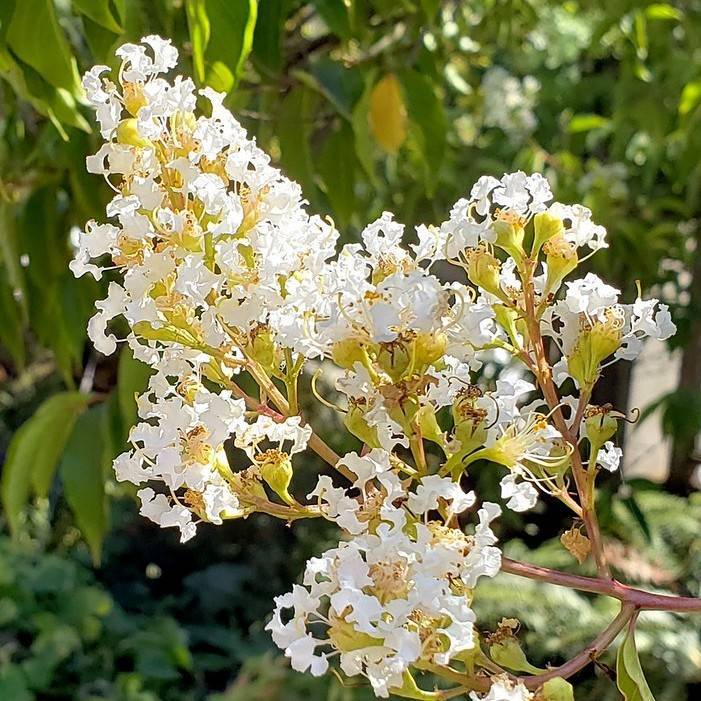
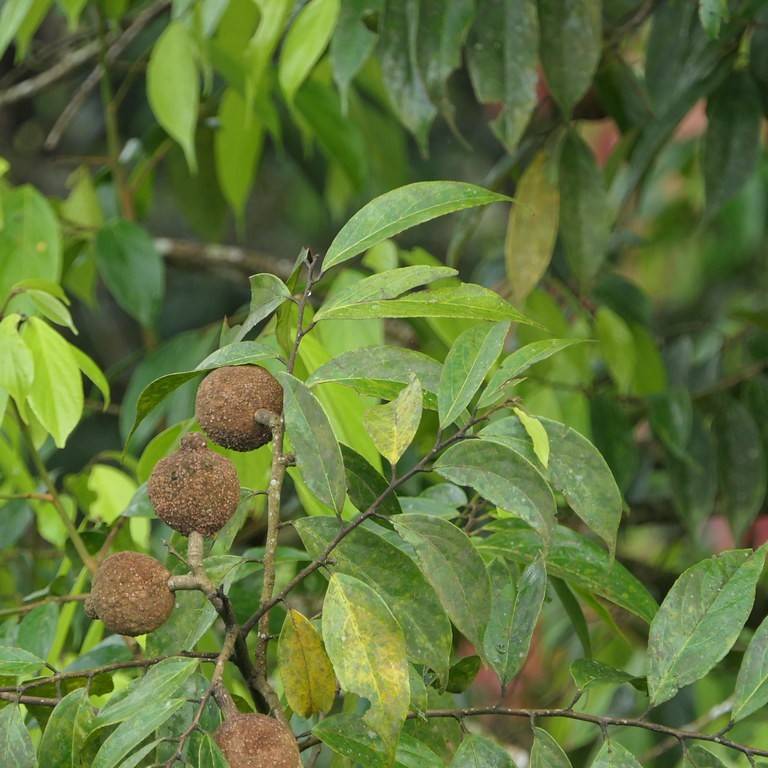
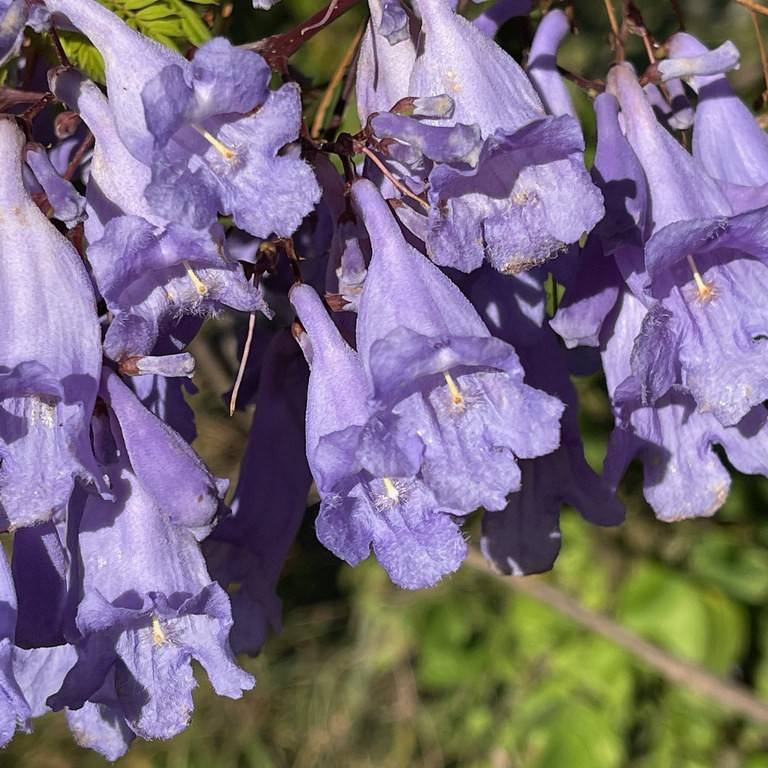
Black Poui is a fast-growing canopy tree native to lowland tropical rainforests, recognized for its smooth grey bark, fern-like bipinnate leaves, and profuse blooms that cover the tree before new foliage emerges in spring. Its common name references the dense, dark heartwood it produces, which is highly prized for construction and woodworking. While it thrives in its native tropical habitat, it is occasionally cultivated in warm, frost-free regions as a striking ornamental landscape tree.
Care Guide
Watering
Black Poui requires consistent moisture during its active growing season, with regular watering to keep the soil evenly moist but not waterlogged, as standing water can cause root rot. Once established, it has moderate drought tolerance, though extended dry periods may reduce flowering and cause premature leaf drop. During the dormant winter season, reduce watering frequency to allow the top several inches of soil to dry out between sessions.
Light
This tree requires full, direct sunlight for at least 6 to 8 hours per day to support vigorous growth and abundant flowering. It can tolerate very light, dappled shade, but insufficient light will lead to sparse foliage, reduced bloom production, and leggy, weak growth. When young, ensure it is not overshadowed by taller competing trees to allow it to establish a strong, healthy canopy.
Soil
Black Poui grows best in fertile, well-drained loamy soils with a slightly acidic to neutral pH range between 5.5 and 7.0. It can adapt to a range of soil types, including sandy and clay soils, as long as drainage is adequate to prevent root suffocation and rot. It does not tolerate waterlogged or heavily saline soils, which can stunt growth and lead to premature tree death.
Fertilizer
Feed young Black Poui trees with a balanced, slow-release granular fertilizer (10-10-10 NPK) every 2 to 3 months during the spring and summer growing seasons to support rapid, healthy development. Mature trees only require annual fertilization in early spring, using a formula higher in phosphorus to encourage robust flower production. Avoid over-fertilizing, especially with high-nitrogen products, as this can lead to excessive leaf growth at the expense of blooms.
Temperature
Black Poui thrives in warm tropical and subtropical climates, with ideal daytime temperatures between 70 and 90°F (21 and 32°C). It is highly frost-sensitive, and temperatures below 32°F (0°C) will cause severe foliage damage, and extended freezes can kill even mature trees. It is only suitable for outdoor cultivation in USDA hardiness zones 10 through 12, where winter temperatures remain consistently above freezing.
Pruning
Prune Black Poui during its dormant winter season to remove dead, damaged, or crossing branches, improve air circulation within the canopy, and maintain a desired shape. Young trees can be lightly pruned to encourage a strong, central leader and balanced branching structure, which reduces the risk of branch breakage as the tree matures. Avoid heavy pruning, as this can reduce flowering the following spring by removing the previous season’s growth that forms flower buds.
Propagation
Black Poui is most commonly propagated from fresh seeds, which should be sown immediately after collection in a well-drained seed starting mix and kept warm and moist until germination, which typically occurs within 2 to 4 weeks. It can also be propagated from semi-hardwood cuttings taken in late summer, though rooting success rates are lower than with seed propagation, and cuttings often require rooting hormone and consistent high humidity to establish. Seed-grown trees typically begin flowering 5 to 7 years after planting, while cutting-grown specimens may bloom slightly earlier.
Humidity
This tropical tree prefers moderate to high humidity levels between 60 and 80%, which mimics its native rainforest habitat. It can tolerate average household humidity levels if grown as a young potted specimen indoors, but very dry air will cause leaf browning and tip burn. To boost humidity for indoor or young outdoor plants, mist the foliage regularly or place a tray of pebbles filled with water beneath the plant’s container.
Repotting
Young Black Poui trees grown in containers should be repotted every 1 to 2 years in early spring, before new growth begins, moving to a container just 2 to 3 inches larger in diameter than the current one to avoid excess soil moisture retention. Once the tree reaches a desired container size, top-dress with fresh, nutrient-rich soil annually instead of repotting to limit growth and maintain a manageable size. Ensure all containers have ample drainage holes to prevent waterlogging, and use a well-drained, loamy potting mix amended with organic matter for best results.
Uses & Symbolism
Black Poui is widely cultivated as a large ornamental shade tree in warm tropical and subtropical landscapes, valued for its spectacular spring floral display that carpets the ground beneath it with fallen purple-blue petals. Its dense, durable, dark heartwood is commercially harvested for use in construction, furniture making, cabinetry, and wood carving, as it is highly resistant to rot and insect damage. In traditional Central and South American medicine, extracts from its bark and leaves have been used to treat a range of ailments including respiratory infections, inflammation, and skin conditions.
Diseases & Pests
Black Poui is relatively resistant to most pests and diseases, but can be susceptible to root rot if grown in poorly drained, waterlogged soils, which causes yellowing foliage, wilting, and eventual tree death if left unaddressed. Aphids, scale insects, and whiteflies may infest young foliage, sucking sap and causing leaf curling, stunted growth, and the development of sooty mold on honeydew secretions. It may also develop leaf spot fungal diseases during periods of extended high humidity and poor air circulation, which can be managed by removing affected foliage and applying appropriate fungicidal treatments if needed.
Related plants
Other plants you might like if you grow Black Poui.