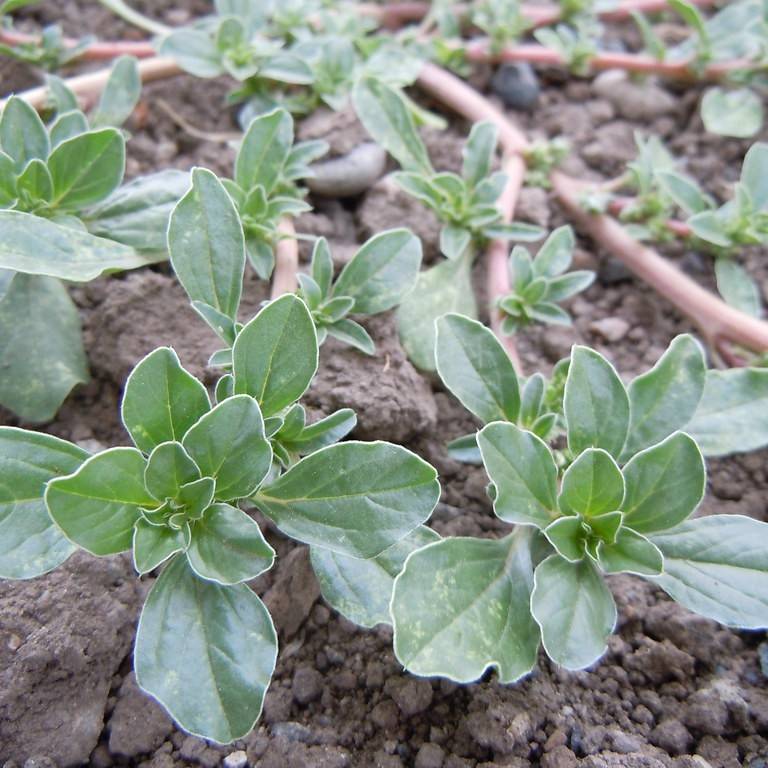
California Amaranth
Amaranthus californicus
Overview
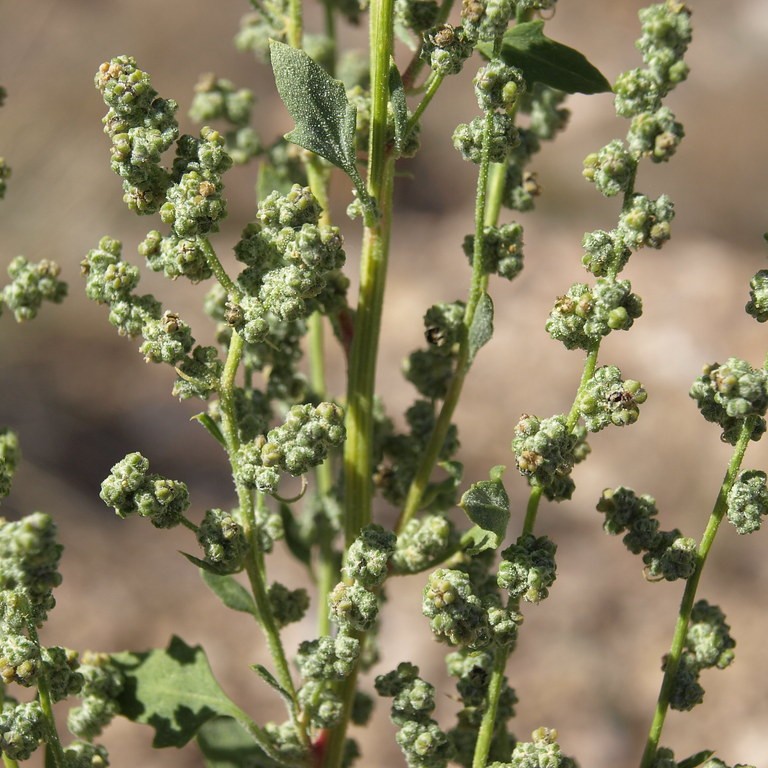
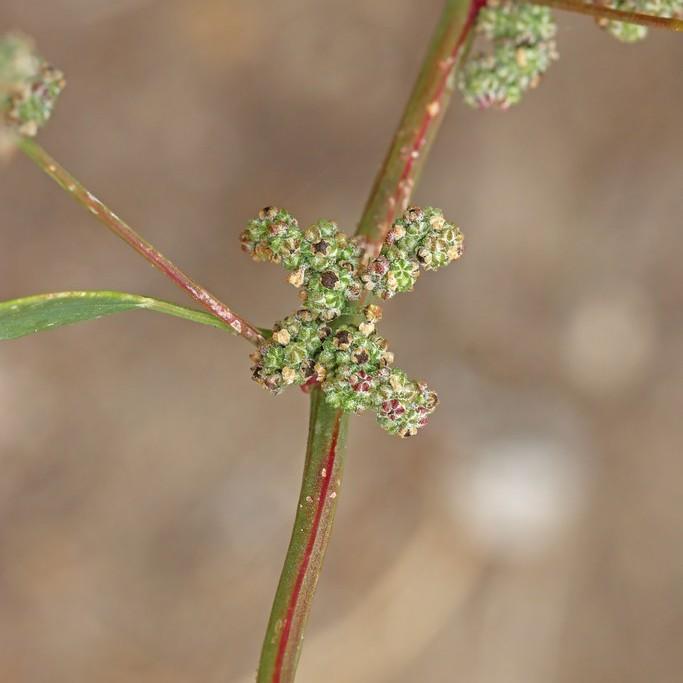
California amaranth is a fast-growing, upright or sprawling annual herb with reddish-green oval leaves and dense, spike-like clusters of tiny green to reddish flowers that bloom from mid-summer to fall. It thrives in open, often disturbed habitats including roadsides, fields, and riparian corridors, and is well-adapted to the dry, variable climates of its native range. It is closely related to cultivated grain amaranths, sharing many of their edible and nutritional properties, while being uniquely suited to western North American growing conditions.
Care Guide
Watering
California amaranth is drought-tolerant once established, requiring only occasional deep watering during prolonged dry spells; overwatering increases risk of root rot and fungal disease. Seedlings need consistent, light moisture to germinate and establish, but mature plants can thrive with 1 inch of water or less per week, making them ideal for low-water xeriscapes. Avoid overhead watering to reduce foliar disease risk, directing water at the base of the plant instead.
Light
This species grows best in full sun, requiring at least 6 hours of direct sunlight daily for robust growth, maximum leaf and seed production, and strong stem structure. It can tolerate partial shade, but growth will be leggier, flowering will be reduced, and the plant may be more prone to pest infestations. In hotter desert portions of its range, it can benefit from light afternoon shade to prevent leaf scorch during peak summer heat.
Soil
California amaranth adapts to a wide range of soil types, including sandy, loam, clay, and even nutrient-poor, disturbed soils, as long as drainage is adequate. It prefers a neutral to slightly alkaline soil pH between 6.0 and 8.0, and will not tolerate waterlogged, poorly drained substrates. Amending heavy clay soils with a small amount of compost can improve drainage and support healthier root growth, though fertilization is rarely required.
Fertilizer
This hardy plant rarely needs supplemental fertilization, as it efficiently draws nutrients from even low-quality soils; over-fertilization leads to excessive leafy growth at the expense of seed production and weak stems that flop over. If growing for edible leaf harvest, a single application of balanced, all-purpose organic fertilizer at planting time can support tender, lush foliage growth without overstimulating the plant. For grain production, avoid nitrogen-rich fertilizers entirely, as they reduce seed yield and quality.
Temperature
California amaranth thrives in warm temperatures between 65–90°F (18–32°C), and is tolerant of short periods of extreme heat up to 105°F (40°C) as long as it has access to minimal moisture. It is frost-sensitive, with all above-ground growth dying back immediately after the first light freeze of fall. Seeds germinate best when soil temperatures reach 60°F (15°C) or higher, so plant outdoors after all risk of frost has passed in cooler portions of its range.
Pruning
Pruning is generally unnecessary for California amaranth, though pinching back the top 2–3 inches of young plants when they reach 6 inches tall encourages bushier, more compact growth and increases leaf harvest yield. If you wish to prevent self-seeding and spread in garden settings, cut off all flower heads before they mature and release their small, wind-dispersed seeds. Remove any yellowed or diseased lower leaves periodically to improve air circulation around the base of the plant.
Propagation
California amaranth is most easily propagated from seed, which can be directly sown outdoors in prepared soil after the last frost date, sown 1/4 inch deep and spaced 12–18 inches apart to allow for mature growth. Seeds germinate reliably in 7–14 days when soil temperatures are consistently above 60°F (15°C), and no pre-treatment is required to break dormancy. It will readily self-seed in favorable growing conditions, with volunteer seedlings emerging the following spring that can be transplanted to desired locations while young.
Humidity
This species is well-adapted to low to moderate humidity levels between 20% and 60%, which are typical of its native western North American habitats. It does not tolerate high, prolonged humidity above 70% for extended periods, as this increases the risk of powdery mildew and other foliar fungal diseases. In humid regions, ensure plants are spaced generously to promote air circulation and reduce ambient moisture around the foliage.
Repotting
As a fast-growing annual, California amaranth is rarely repotted; most specimens are direct-sown outdoors or transplanted once from seed trays to their final growing location after the last frost. If started in small starter pots, transplant seedlings to their permanent bed or a 1-gallon or larger container when they develop 2–3 true leaves, taking care not to damage the developing taproot. Container-grown specimens do not need further repotting during their single growing season, as they complete their lifecycle within 4–6 months.
Uses & Symbolism
The young, tender leaves of California amaranth are edible raw in salads or cooked like spinach, offering a mild, slightly nutty flavor and high levels of iron, calcium, and vitamin A. The small, nutrient-dense seeds can be harvested, toasted, ground into gluten-free flour, or popped like popcorn, and were a traditional food source for many Indigenous groups across its native range. It is also planted in native pollinator gardens to support bees, butterflies, and seed-eating birds, and is used for erosion control on disturbed or dry sites.
Diseases & Pests
California amaranth is relatively pest and disease resistant, but can be affected by aphids and spider mites during periods of prolonged dry heat, which can be controlled with strong sprays of water or insecticidal soap for severe infestations. In high humidity or overwatered conditions, it may develop powdery mildew or root rot, which can be prevented by ensuring proper soil drainage, adequate spacing for air circulation, and avoiding overhead watering. It is occasionally a host for beet leafhoppers, which can transmit curly top virus to nearby vegetable crops, so it should be planted at a distance from beets, tomatoes, and other susceptible species if this virus is a local concern.
Guides that mention California Amaranth
Related plants
Other plants you might like if you grow California Amaranth.