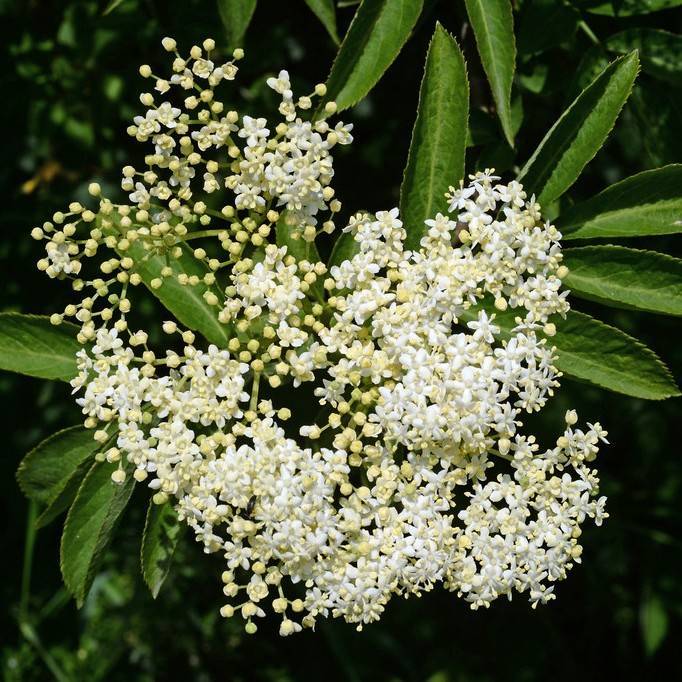
Black Elder
Sambucus nigra
Overview
Black elder is a fast-growing deciduous shrub with arching stems, pinnate dark green leaves, and flat-topped clusters of fragrant creamy white flowers that bloom in late spring to early summer. These flowers give way to clusters of glossy dark purple-black berries in late summer to early fall, which are a key food source for birds and other wildlife. Many ornamental cultivars exist with dark purple or variegated foliage, making it a popular choice for landscape borders and wildlife gardens.
Care Guide
Watering
Water newly planted black elder regularly to keep the soil evenly moist for the first 1-2 growing seasons until the root system is established. Mature plants are moderately drought tolerant, but will produce more flowers and berries with supplemental water during extended dry periods, avoiding overwatering that leads to waterlogged soil. Reduce watering frequency in late fall and winter when the plant is dormant.
Light
Black elder thrives in full sun, which promotes the most abundant flowering, fruiting, and deepest foliage color in ornamental dark-leaved cultivars. It can tolerate partial shade, though growth may be leggier, and flower and berry production will be reduced in heavily shaded locations. Avoid deep, full shade, as it can lead to sparse growth and increased susceptibility to fungal diseases.
Soil
Grow black elder in moderately fertile, well-drained soil with a pH range of 5.5 to 7.5 for best performance. It is adaptable to a wide range of soil types, including loam, sandy loam, and clay soils, as long as they do not remain waterlogged for extended periods. Amending heavy clay or poor sandy soil with organic matter such as compost at planting time will improve drainage and nutrient availability.
Fertilizer
Fertilize established black elder plants once per year in early spring, before new growth emerges, using a balanced all-purpose granular fertilizer or a layer of well-rotted manure spread around the base of the plant. Avoid over-fertilizing, as excessive nitrogen can lead to lush, weak growth that is more prone to breakage and pest infestations. Young plants do not require fertilizer in their first growing season if planted in amended soil.
Temperature
Black elder is hardy in USDA zones 4 through 9, tolerating winter temperatures as low as -30°F (-34°C) once fully established. It prefers moderate summer temperatures between 60 and 80°F (15 and 27°C), but can tolerate short periods of heat above 90°F (32°C) if provided with adequate moisture. Late spring frosts can damage new growth and emerging flower buds, so planting in a sheltered location away from frost pockets is recommended.
Pruning
Prune black elder in late winter or early spring while the plant is dormant, removing dead, damaged, or crossing branches to improve air circulation and maintain a healthy shape. For plants grown primarily for berry production, cut back one-third of the oldest stems to ground level each year to encourage new, vigorous growth that produces more flowers and fruit. Ornamental dark-leaved cultivars can be cut back more heavily each spring to promote dense, compact growth with the most vibrant foliage color.
Propagation
Black elder is most easily propagated from hardwood cuttings taken in late fall or winter, using 8-12 inch (20-30 cm) sections of dormant, healthy one-year-old stems planted directly in moist garden soil or potting mix. It can also be propagated from softwood cuttings taken in early summer, rooted under high humidity in a shaded location. Seeds can be sown in fall, but require cold stratification over winter to germinate, and may not grow true to the parent plant, especially for named cultivars.
Humidity
Black elder tolerates a wide range of humidity levels, thriving in the moderate humidity typical of its native temperate regions. It can handle both occasional low humidity spells and periods of high humidity, as long as the foliage has good air circulation to prevent fungal diseases. Avoid planting in enclosed, stagnant air locations where humidity remains consistently high, as this increases the risk of powdery mildew and leaf spot.
Repotting
Black elder is primarily grown in the landscape, but can be grown in large containers for patio use, requiring repotting every 2-3 years in late winter before new growth begins. Choose a container that is 2-3 inches larger in diameter than the current one, with drainage holes to prevent waterlogging, using a well-drained potting mix amended with compost. Once the plant reaches its desired mature size, refresh the top 2-3 inches of potting soil each year instead of repotting to avoid root disturbance.
Related plants
Other plants you might like if you grow Black Elder.
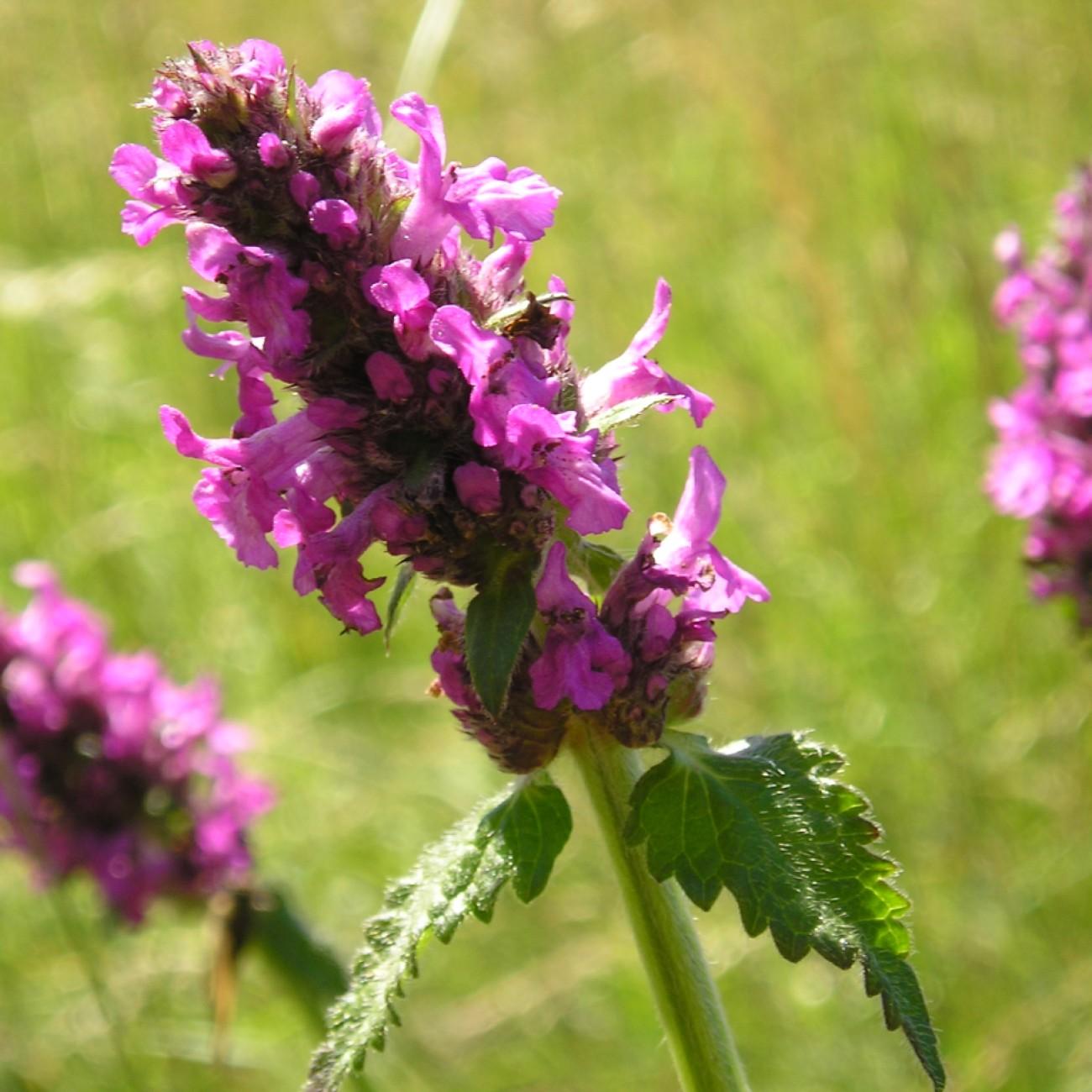
Alpine Betony
Betonica alpinum (syn. Stachys alpina)
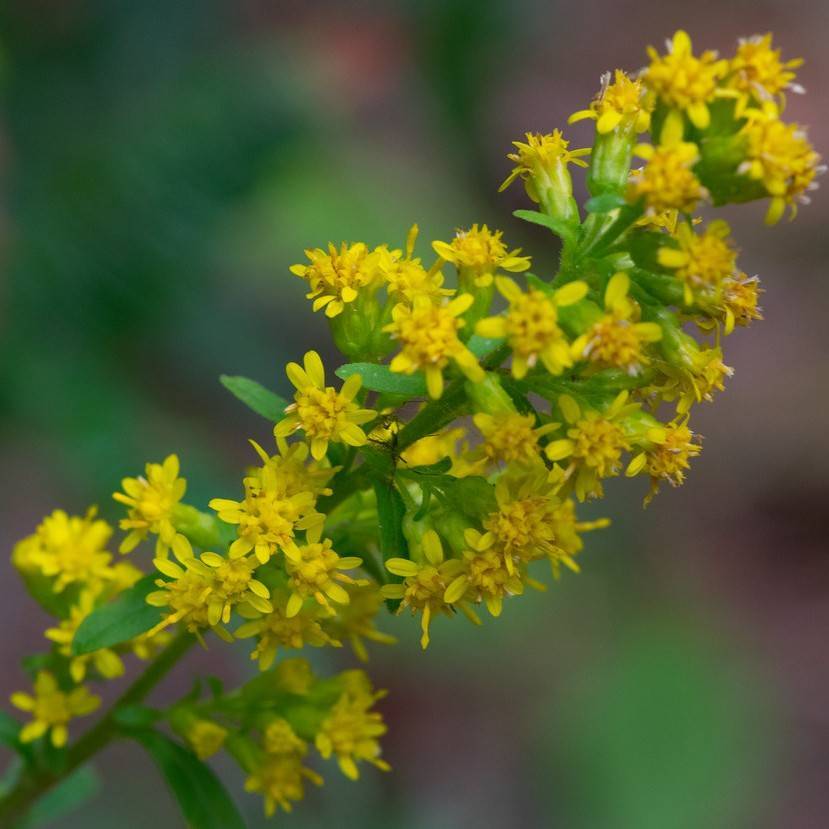
Elm Leaved Goldenrod
Solidago ulmifolia
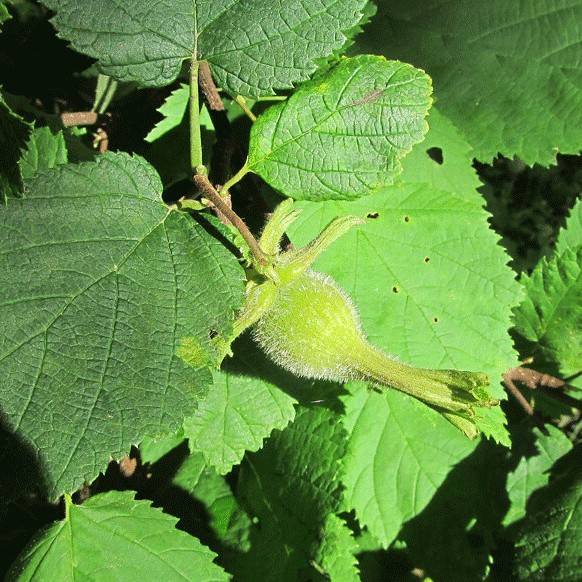
Beaked Hazel
Corylus cornuta
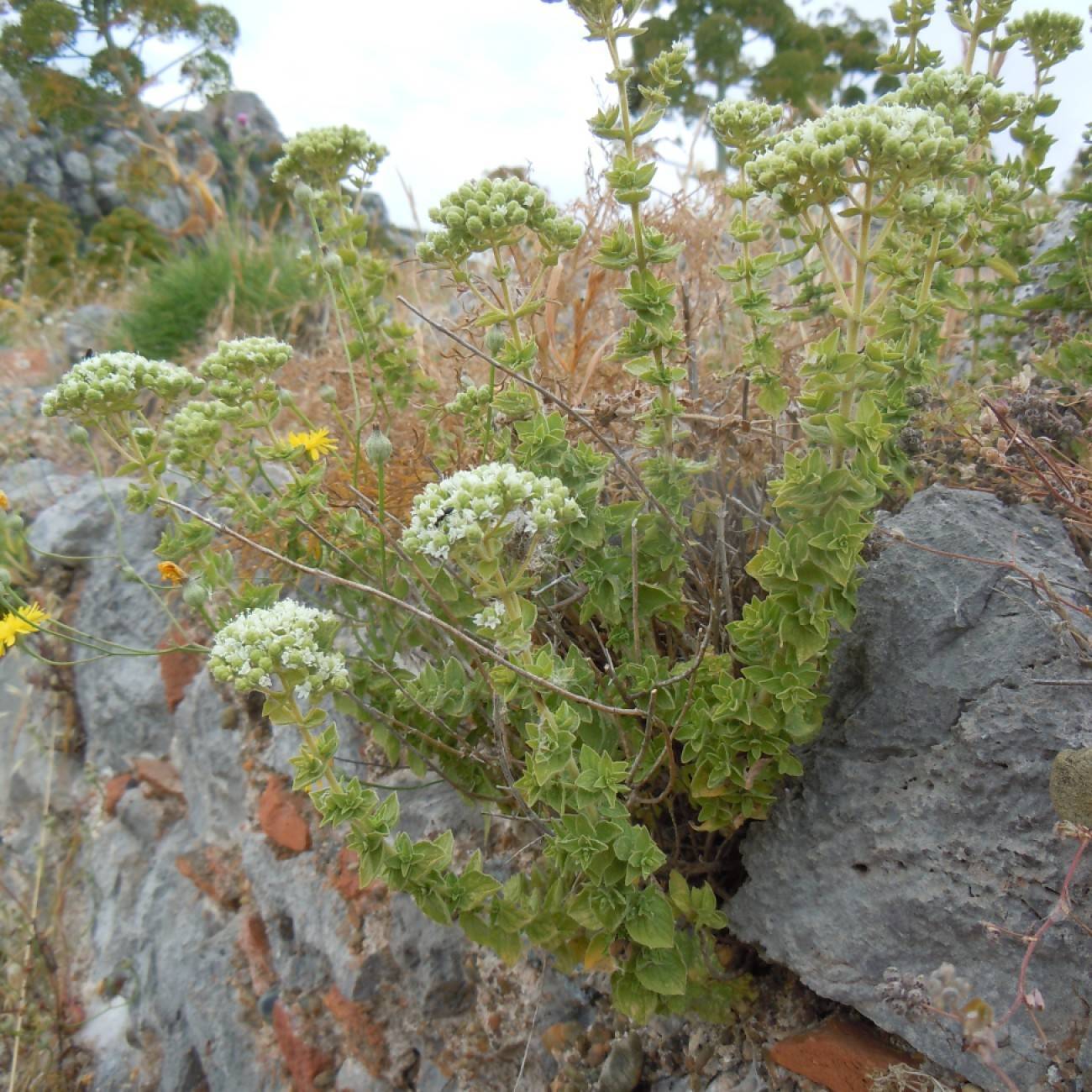
American Feverfew
Parthenium integrifolium
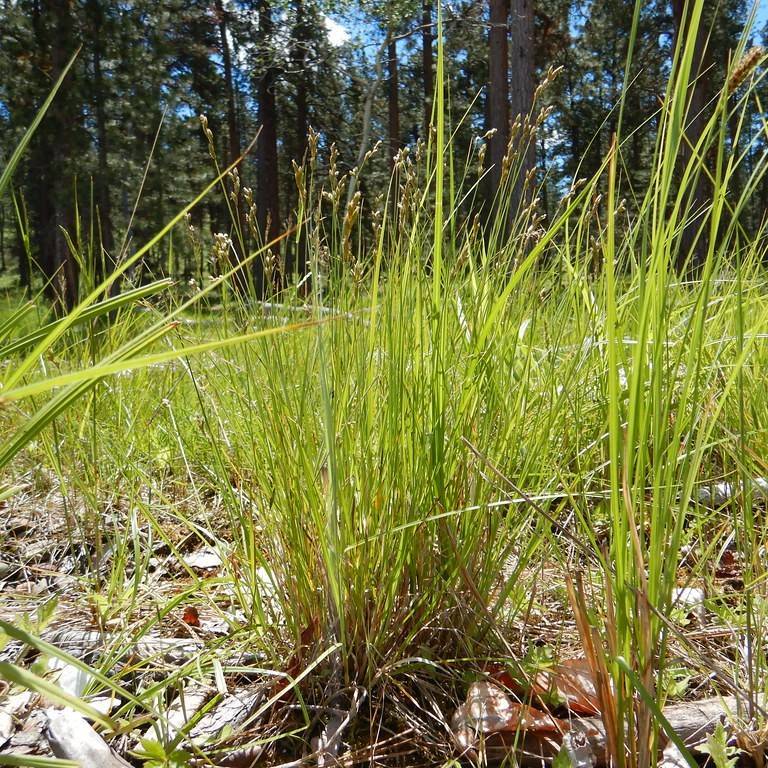
Connect Sedge
Carex connectens
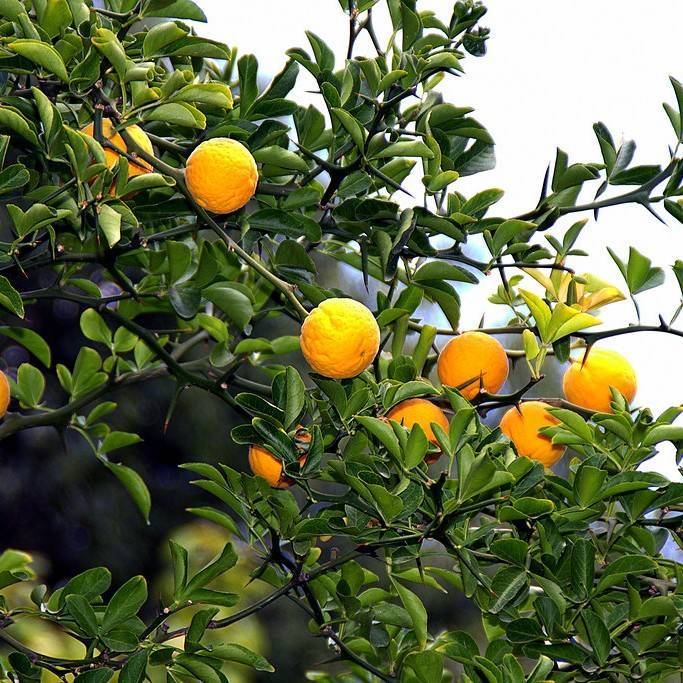
Hardy Orange
Poncirus trifoliata (syn. Citrus trifoliata)
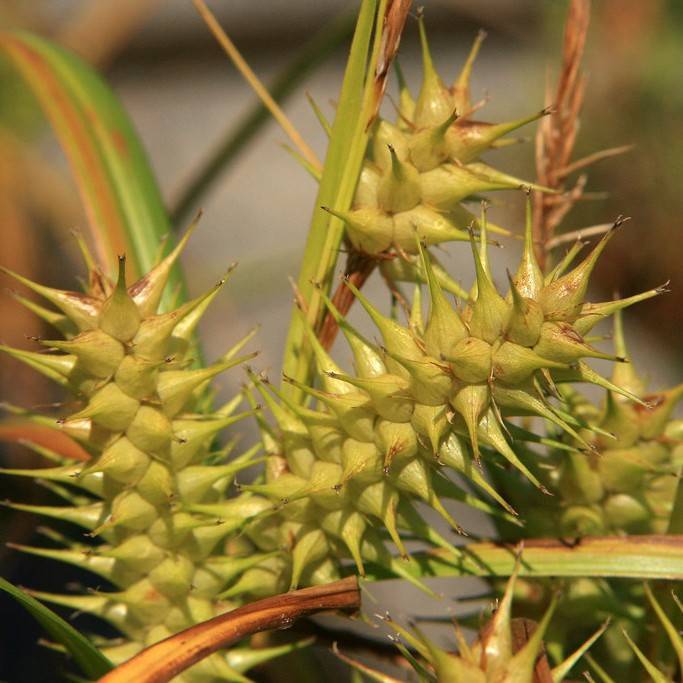
Hop Sedge
Carex lupulina
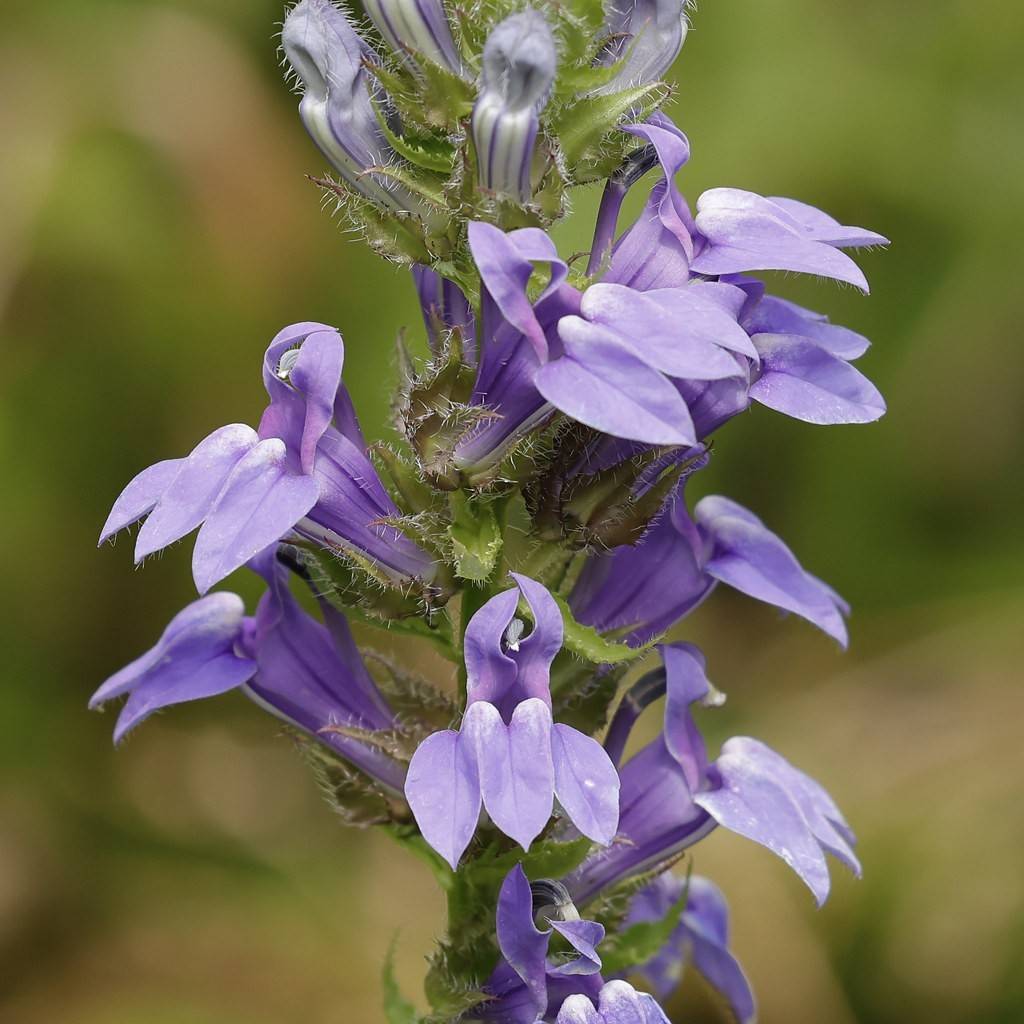
Great Blue Cardinal Flower
Lobelia siphilitica