Lemon Balm
Melissa officinalis
Overview
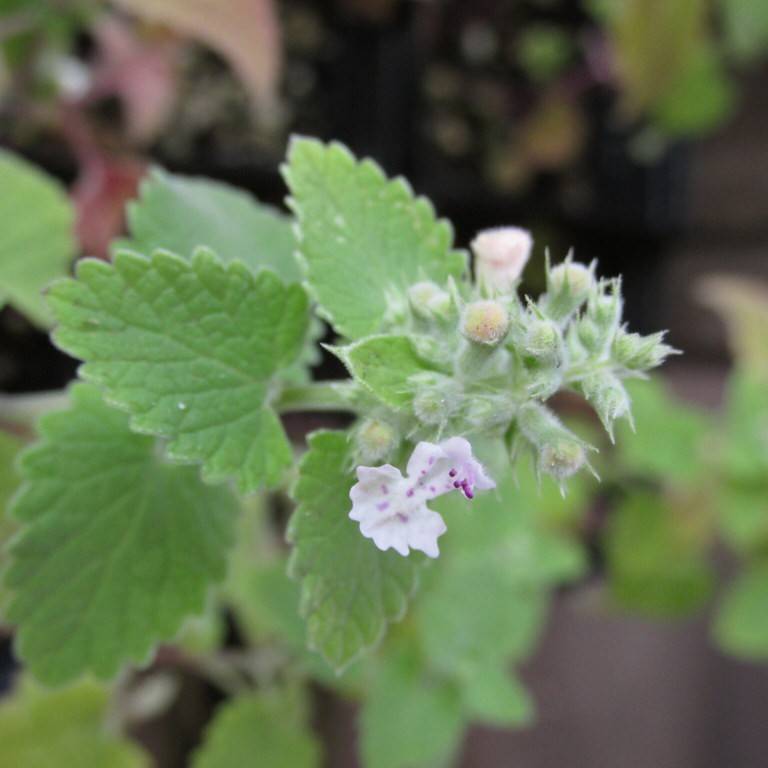
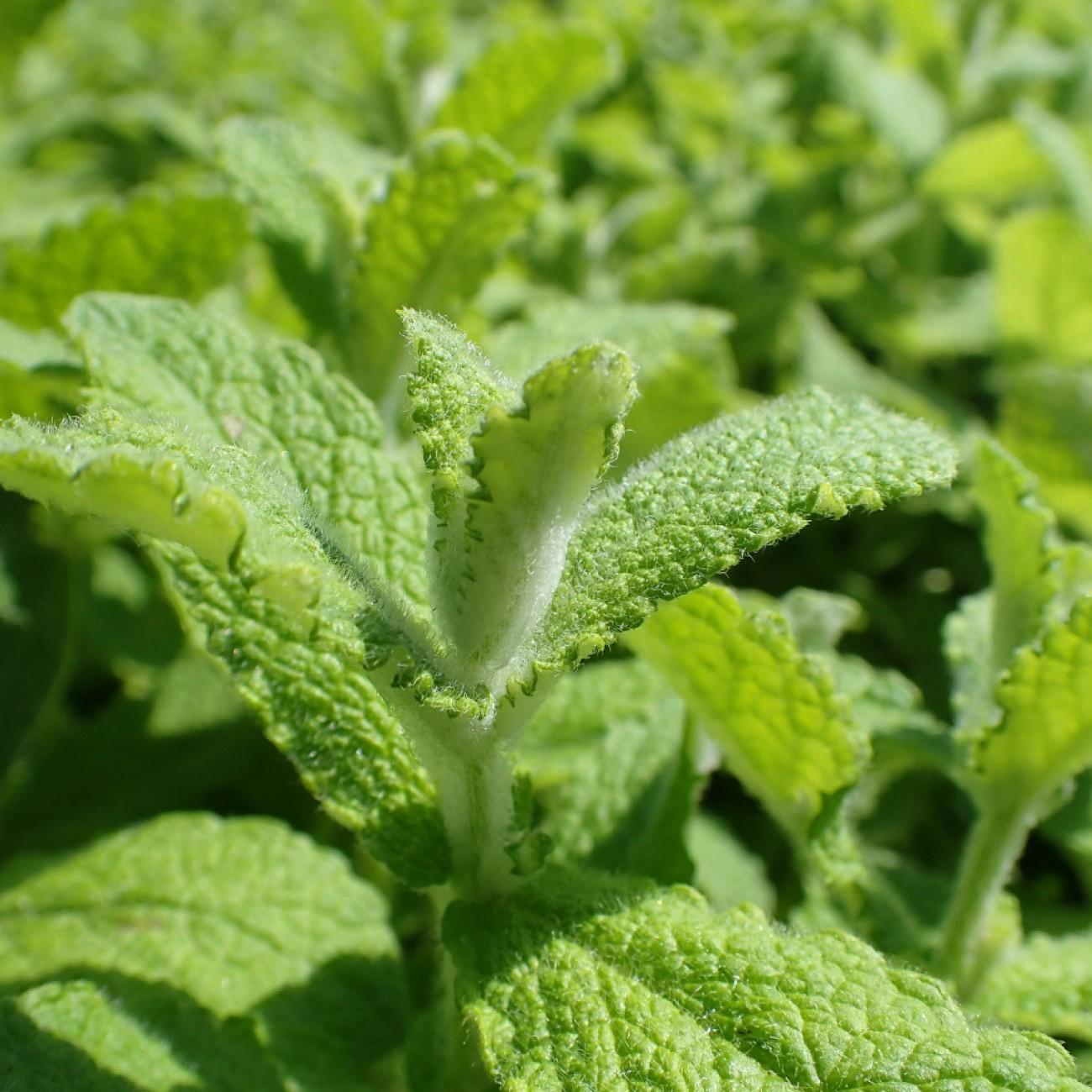
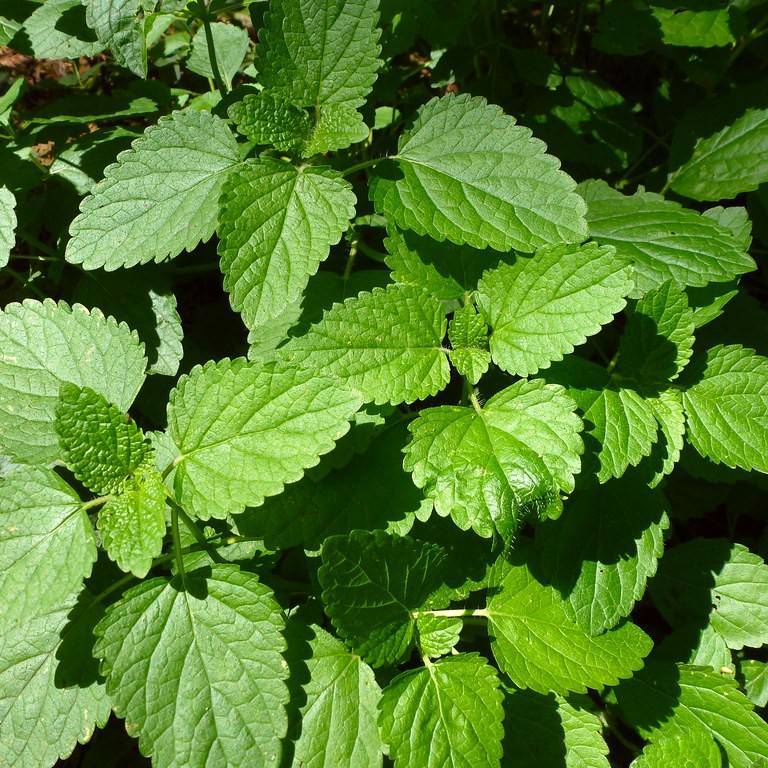
Lemon balm is a bushy, herbaceous perennial recognized for its bright green, ovate leaves that release a sharp, citrusy aroma when crushed. It produces small, clustered white or pale yellow flowers in summer that attract pollinators including bees, butterflies, and hummingbirds. Widely naturalized across temperate regions worldwide, it adapts readily to a range of growing conditions and may spread aggressively in ideal environments.
Care Guide
Watering
Water lemon balm regularly to keep soil consistently moist but not waterlogged, reducing frequency in winter when growth slows. Avoid overhead watering to minimize fungal disease risk, directing water at the base of the plant instead. Mature plants have mild drought tolerance, but prolonged dry periods will cause leaf browning and reduced flavor intensity.
Light
Grow lemon balm in full sun to partial shade, with 6 to 8 hours of direct sunlight daily for best leaf growth and essential oil production. In hot, arid climates, provide afternoon shade to prevent leaf scorch and reduce moisture loss. Indoor plants thrive near a south or west-facing window that receives bright, filtered light for most of the day.
Soil
Plant lemon balm in well-draining, loamy or sandy soil with a slightly acidic to neutral pH between 6.0 and 7.5. It tolerates poor, rocky soils as long as drainage is adequate, avoiding heavy clay soils that hold standing water and cause root rot. Adding organic matter such as compost or aged manure at planting time will improve soil structure and support vigorous growth.
Fertilizer
Lemon balm has low nutrient needs and rarely requires heavy fertilization, which can dilute its characteristic lemon scent and flavor. Apply a balanced, all-purpose organic fertilizer once in early spring as new growth emerges, at half the recommended strength to avoid overfeeding. Potted plants may benefit from a second light feeding in mid-summer if growth appears stunted or leaves are pale.
Temperature
Lemon balm grows best in temperatures between 60°F and 80°F (15°C to 27°C), and is hardy in USDA zones 3 through 9. It can tolerate light frosts, with top growth dying back in winter and regrowing from the root system in spring. In regions with severe winters, apply a 2 to 3 inch layer of mulch around the base of the plant to insulate roots from extreme cold.
Pruning
Prune lemon balm regularly throughout the growing season to encourage bushy, compact growth and prevent it from becoming leggy. Cut back stems by one-third to one-half after flowering to prevent self-seeding and stimulate fresh, flavorful leaf production. In late fall, trim all dead top growth to 2 to 3 inches above the soil line to prepare the plant for winter dormancy.
Propagation
Lemon balm is most commonly propagated from seed sown directly in the garden after the last frost date, or started indoors 6 to 8 weeks before the last expected frost. It can also be propagated via stem cuttings taken in spring or early summer, rooted in moist potting mix or water within 2 to 3 weeks. Mature clumps can be divided every 3 to 4 years in early spring or fall to control spread and produce new, vigorous plants.
Humidity
Lemon balm adapts well to average household humidity levels between 40% and 60%, requiring no special humidity adjustments for indoor growth. In very dry indoor environments, occasional misting of leaves can help prevent leaf tip browning, though it is not strictly necessary. Outdoor plants tolerate a wide range of humidity levels, from arid Mediterranean climates to more humid temperate regions.
Repotting
Potted lemon balm should be repotted every 1 to 2 years in early spring, before new growth begins, to refresh soil and accommodate its spreading root system. Choose a pot that is 2 to 4 inches larger than the current container, with multiple drainage holes to prevent waterlogging. Trim back overgrown roots by up to one-third during repotting to keep the plant a manageable size for container growing.
Uses & Symbolism
Lemon balm leaves are used fresh or dried to add a bright, citrusy flavor to teas, salads, sauces, desserts, and infused beverages. It has a long history of use in traditional herbal medicine to reduce stress, improve sleep, soothe digestive discomfort, and treat minor cold symptoms. The plant is also grown ornamentally in pollinator gardens, as a border plant, or in containers, where its fragrant foliage and attractive flowers add visual and sensory appeal.
Diseases & Pests
Lemon balm is relatively pest-resistant, but may be affected by common garden pests including aphids, spider mites, and whiteflies, which can be controlled with insecticidal soap or neem oil. Fungal diseases such as powdery mildew and root rot can occur in poorly draining soil or if plants are overcrowded and receive insufficient air circulation. It is occasionally affected by leaf spot, which can be managed by removing affected foliage and avoiding overhead watering.
Related plants
Other plants you might like if you grow Lemon Balm.