Catnip
Nepeta cataria
Overview
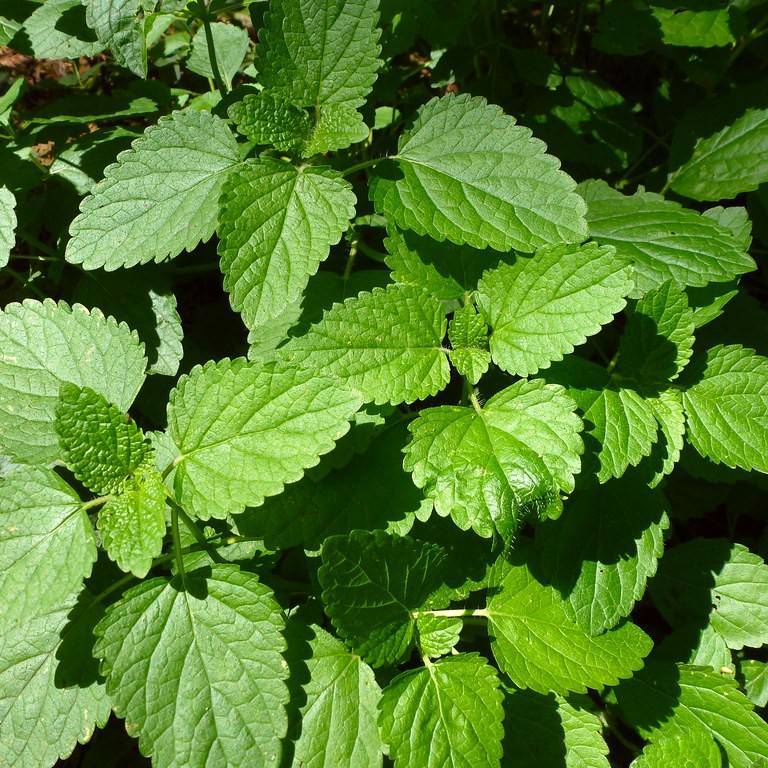
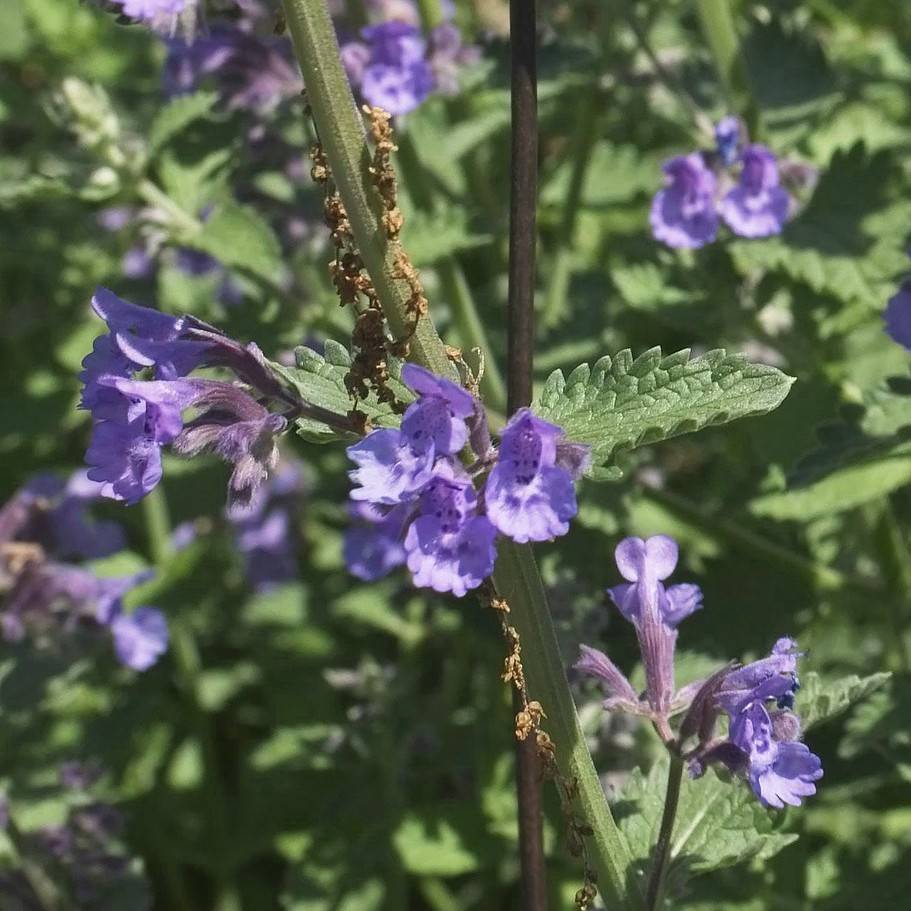
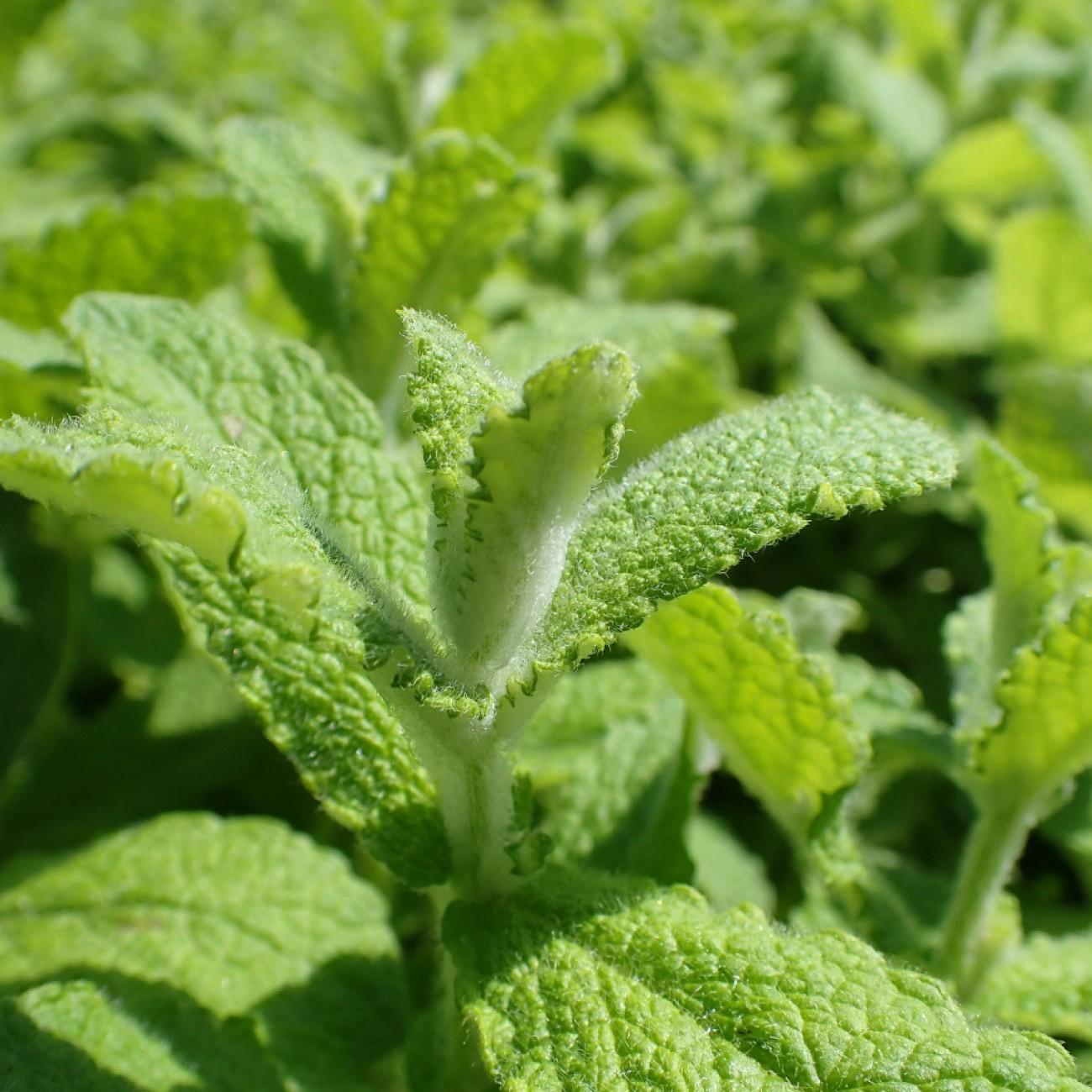
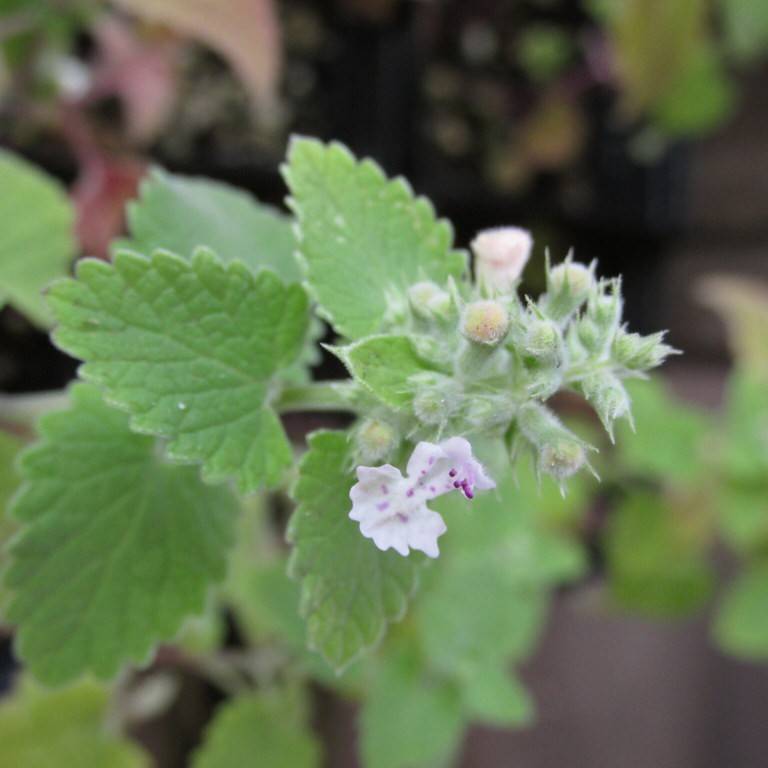
Catnip is a hardy, herbaceous perennial in the mint family, recognizable by its square stems, fuzzy gray-green foliage, and spikes of small white or pale purple spotted blooms. Its leaves and stems contain nepetalactone, a volatile compound that triggers playful, sedative, or euphoric responses in roughly 70% of domestic cats, as well as some wild feline species. Adaptable and drought-tolerant once established, it spreads readily in garden settings, often grown as a decorative border plant, feline enrichment crop, or companion plant to repel common garden pests.
Care Guide
Watering
Water young catnip plants regularly to keep the soil evenly moist but not waterlogged, as soggy roots will quickly cause rot. Once established, catnip is highly drought-tolerant, requiring only occasional deep watering during prolonged dry spells, and will suffer if overwatered. Potted indoor catnip needs more frequent watering than outdoor plants, as containers dry out faster, but always allow the top 1-2 inches of soil to dry out between waterings.
Light
Catnip thrives in full sun, receiving a minimum of 6 hours of direct, unfiltered sunlight per day to produce dense, fragrant foliage and abundant blooms. It can tolerate partial shade, but plants grown in low light will become leggy, produce fewer essential oils, and have a weaker effect on cats. Indoor catnip should be placed in a south-facing window, or under grow lights for 12-14 hours per day if natural light is insufficient.
Soil
Catnip is adaptable to most well-draining garden soils, including sandy, loamy, and even poor, rocky substrates, with a preferred pH range of 6.1 to 7.8. Heavy, clay-heavy soils that retain moisture will cause root rot, so amend dense soil with compost, perlite, or coarse sand to improve drainage before planting. Potted catnip grows best in a standard, well-aerated potting mix with added perlite to reduce compaction and excess moisture retention.
Fertilizer
Catnip is a light feeder that rarely requires fertilization when grown in garden soil, as excess nutrients will cause rapid, leggy growth with reduced essential oil content. For potted catnip, apply a diluted, balanced all-purpose liquid fertilizer once every 4-6 weeks during the active spring and summer growing season only. Avoid over-fertilizing, as this will weaken the plant’s scent and its effect on cats, and may lead to lush growth that is more susceptible to pest infestations.
Temperature
Catnip is cold-hardy in USDA zones 3 through 9, tolerating winter temperatures as low as -40°F (-40°C) when grown outdoors, dying back to the ground in winter and re-emerging in spring. It prefers average summer temperatures between 55°F and 85°F (13°C to 29°C), and will suffer from heat stress if exposed to prolonged temperatures above 90°F (32°C), requiring partial shade during the hottest midday hours in warm climates. Indoor catnip grows well at standard room temperatures between 60°F and 75°F (16°C to 24°C), and should be kept away from cold drafts from windows or air conditioning units.
Pruning
Prune catnip regularly throughout the growing season by pinching back the top 2-3 inches of stems to encourage bushy, compact growth, and prevent the plant from becoming leggy or spreading aggressively. Deadhead spent flower spikes as soon as they fade to prevent the plant from self-seeding excessively across the garden, and to encourage a second flush of blooms later in the season. In late fall, cut outdoor catnip back to 1-2 inches above the soil line to prepare it for winter dormancy, and remove any dead or diseased foliage to reduce overwintering pest and disease risk.
Propagation
Catnip is most easily propagated from seed, sown directly outdoors after the last frost date, or started indoors 6-8 weeks before the last expected frost, with seeds germinating in 7-10 days at temperatures between 60°F and 70°F (16°C to 21°C). It can also be propagated from softwood stem cuttings taken in late spring or early summer: cut a 4-6 inch healthy stem, remove the lower leaves, dip the cut end in rooting hormone, and plant in moist, well-draining potting mix, where roots will form in 2-3 weeks. Established catnip clumps can be divided in early spring or fall, splitting the root ball into smaller sections and replanting them 18-24 inches apart to give new plants room to spread.
Humidity
Catnip tolerates a wide range of humidity levels, thriving in average outdoor humidity between 30% and 60%, and requiring no special humidity adjustments when grown outdoors. Indoor catnip grows well at standard household humidity levels, and will not suffer in dry indoor air, though very high humidity above 70% can increase the risk of fungal leaf spot and powdery mildew. Avoid misting catnip foliage, as excess moisture on the leaves can encourage fungal growth, especially in poorly ventilated spaces.
Repotting
Potted catnip grows quickly and will need to be repotted every 1-2 years in early spring, before new growth emerges, when roots start to grow out of the drainage holes of the current container. Choose a new pot that is 1-2 inches larger in diameter than the current one, with ample drainage holes, and use a fresh, well-draining potting mix to reduce the risk of root compaction and rot. After repotting, water the plant thoroughly and place it in a sunny location to help it acclimate to its new container, and avoid fertilizing for 4-6 weeks to prevent burning the newly disturbed roots.
Uses & Symbolism
Dried catnip leaves and stems are widely used as a feline enrichment product, stuffed into toys, sprinkled on scratching posts, or given directly to cats to encourage play and reduce stress. For human use, catnip is brewed into a mild, calming herbal tea with reported sedative effects to relieve anxiety, insomnia, and mild digestive upset, and its fresh leaves can be added sparingly to salads, sauces, or infused into oils for culinary use. It is also a popular companion plant in vegetable gardens, as its strong scent repels aphids, squash bugs, flea beetles, and mosquito pests, while its nectar-rich flowers attract beneficial pollinators like bees and butterflies.
Diseases & Pests
Catnip is relatively pest-resistant, but may be susceptible to aphids, spider mites, and whiteflies, which can be controlled with regular sprays of insecticidal soap or neem oil, or by introducing beneficial predatory insects like ladybugs. Fungal diseases such as powdery mildew, leaf spot, and root rot are the most common issues for catnip, almost always caused by overwatering, poor air circulation, or overly humid growing conditions. To prevent fungal issues, ensure plants are spaced 18-24 inches apart to allow for airflow, avoid overhead watering that wets the foliage, and plant in well-draining soil to prevent prolonged root moisture.
Related plants
Other plants you might like if you grow Catnip.