Bee Bee Tree
Tetradium daniellii
Overview
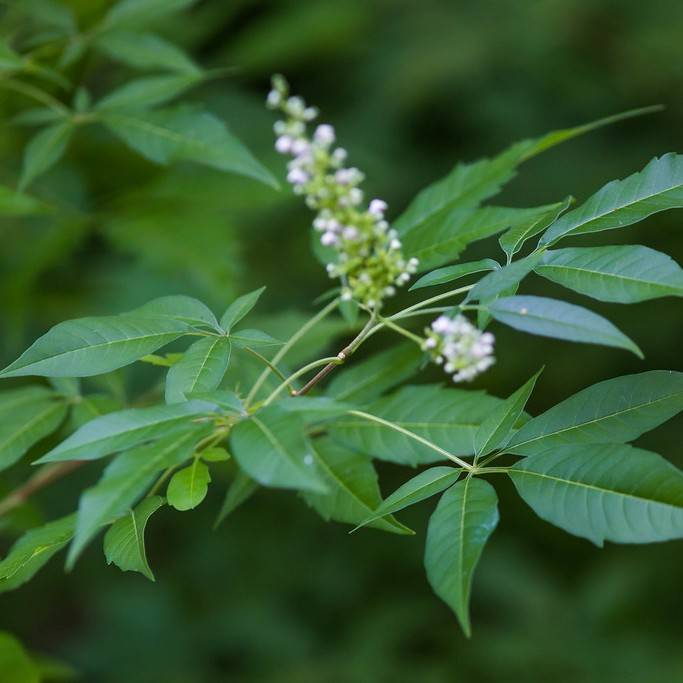
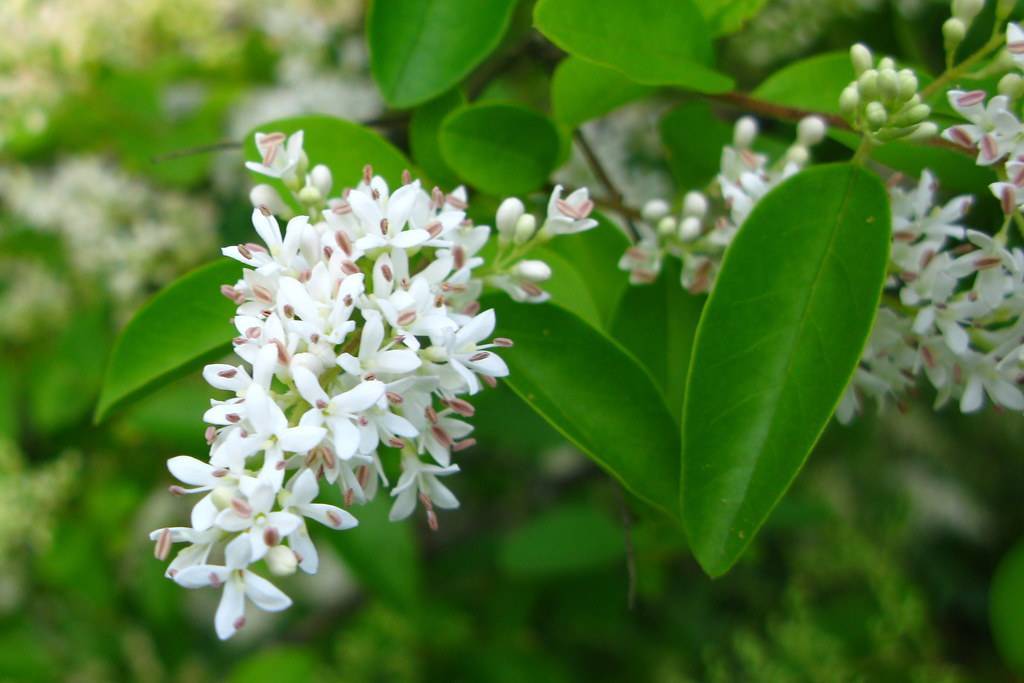
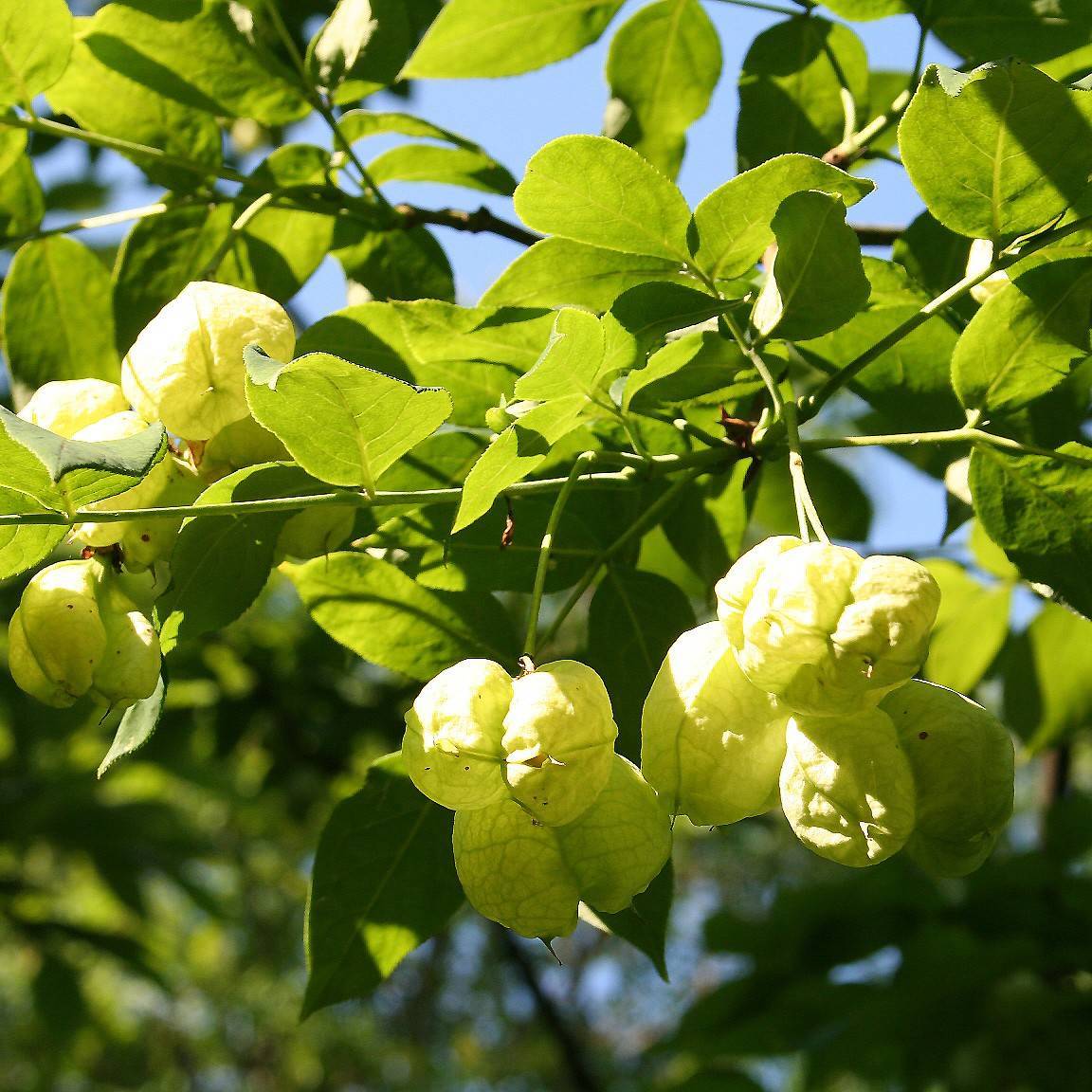
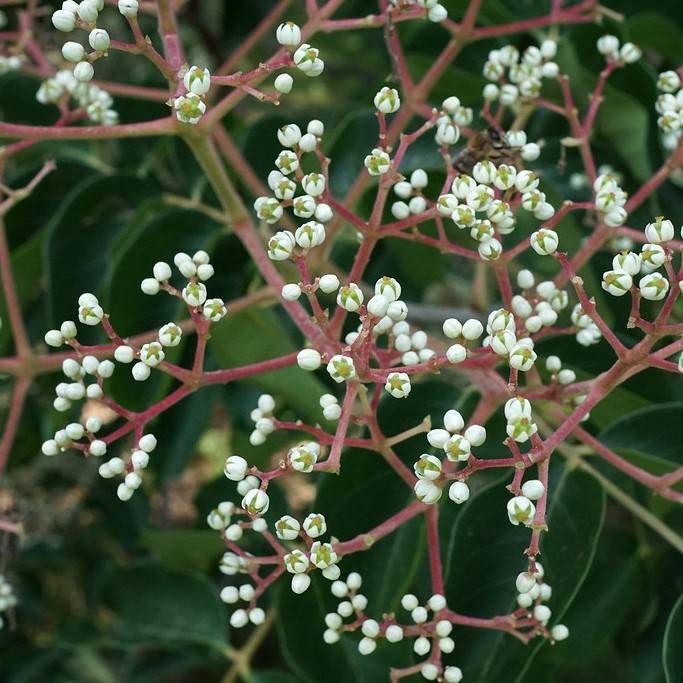
The bee bee tree, also called Korean evodia, is a broad, rounded deciduous tree that produces large clusters of small, creamy white flowers in late summer, when few other landscape trees are in bloom. Following flowering, it bears clusters of small, reddish-purple seed pods that split open to reveal shiny black seeds, which attract birds in fall. Its glossy, dark green compound foliage turns a subtle yellow in autumn, adding mild seasonal interest to gardens and public green spaces.
Care Guide
Watering
Water newly planted bee bee trees deeply once or twice weekly for the first two growing seasons to establish a robust root system, reducing frequency once established. Mature trees are highly drought-tolerant, requiring supplemental watering only during extended periods of extreme heat or prolonged dry spells. Avoid overwatering, as soggy soil can lead to root rot in young specimens.
Light
Bee bee trees thrive in full sun, requiring a minimum of six hours of direct, unfiltered sunlight daily to produce abundant blooms and maintain a dense, healthy canopy. They can tolerate partial shade, but flowering will be reduced, and the tree may develop a more sparse, leggy growth habit in low-light conditions. Plant in an open, unshaded location for optimal performance.
Soil
This adaptable tree grows well in most well-drained soil types, including loam, sandy loam, and clay loam, with a preferred pH range of 6.0 to 7.5. It tolerates slightly alkaline or acidic soils, as well as moderate urban pollution and compacted soil, making it suitable for street plantings. Avoid heavy, waterlogged soils that remain saturated for long periods.
Fertilizer
Fertilize young bee bee trees once annually in early spring with a balanced, slow-release 10-10-10 fertilizer to support vigorous vegetative growth. Mature, established trees rarely require supplemental fertilization, as they obtain sufficient nutrients from surrounding soil. Avoid overfertilizing, which can lead to excessive foliage growth at the expense of flower production.
Temperature
Bee bee trees are cold-hardy in USDA zones 4 through 8, tolerating winter temperatures as low as -30°F (-34°C) without significant damage. They thrive in warm summer temperatures up to 95°F (35°C), though prolonged extreme heat may require occasional supplemental watering. Young saplings may benefit from a layer of winter mulch in the coldest parts of their range to protect shallow roots.
Pruning
Prune bee bee trees during late winter dormancy to remove dead, damaged, or crossing branches, and to maintain a desired shape or height. This tree naturally develops a strong, rounded structure, so heavy pruning is rarely required unless shaping for a specific landscape use. Avoid pruning in spring or summer, as this can remove developing flower buds and reduce seasonal bloom.
Propagation
Bee bee trees are most commonly propagated from fresh, stratified seeds collected in fall, which require 90 to 120 days of cold stratification to break dormancy before sowing in spring. Semi-hardwood cuttings taken in mid-summer can also root successfully when treated with rooting hormone and kept in a warm, humid environment. Suckers growing from the base of mature trees can be dug up and transplanted in early spring for easy propagation.
Humidity
Bee bee trees adapt well to a wide range of humidity levels, thriving in both the humid summers of the southeastern U.S. and the drier air of midwestern regions. They have no specific humidity requirements, though very dry conditions may lead to minor leaf scorch on young, unestablished specimens. Mature trees tolerate low humidity with no adverse effects.
Repotting
Bee bee trees are rarely grown in containers long-term, as they develop a deep, extensive root system that requires ample space to spread. Young saplings may be kept in large containers for 1 to 2 years before planting in the ground, repotting annually in early spring into a slightly larger pot with fresh, well-drained potting mix. Once root growth begins to circle the container, transplant the tree to a permanent outdoor location to avoid stunting growth.
Uses & Symbolism
Widely planted as a pollinator-friendly landscape tree, its late-summer nectar-rich blooms are a critical food source for honeybees, native bees, and butterflies, making it a popular choice for beekeepers and wildlife gardens. It also serves as a shade tree for residential yards, parks, and street plantings, thanks to its rounded canopy and tolerance of urban conditions. The dried seed pods are occasionally used in cut flower arrangements for their unique texture and color.
Diseases & Pests
Bee bee trees are relatively pest and disease resistant, with few common issues; occasional infestations of aphids, scale insects, or spider mites may occur, particularly on stressed young specimens. Root rot can develop in poorly drained, waterlogged soils, so proper site selection with good drainage is critical to prevent this fungal issue. Leaf spot may appear in very wet, humid conditions, but it is rarely severe enough to require treatment.
Related plants
Other plants you might like if you grow Bee Bee Tree.