
Crape Myrtle
Lagerstroemia indica
Overview
Crape myrtle is a warm-climate woody perennial celebrated for its long-lasting clusters of crinkled, crepe-like flowers in shades of pink, purple, red, and white that bloom from mid-summer to early fall. Its distinctive smooth, peeling bark reveals mottled layers of tan, gray, and cinnamon brown, adding year-round visual interest even when deciduous in winter. Adaptable to urban conditions and heat tolerance, it is a staple landscaping plant in USDA hardiness zones 7 through 9, with some cold-hardy cultivars thriving in zone 6.
Care Guide
Watering
Water newly planted crape myrtles deeply once or twice a week for the first growing season to establish a robust root system, keeping soil evenly moist but not waterlogged. Once established, plants are highly drought-tolerant, requiring supplemental watering only during extended periods of extreme heat or prolonged dry spells. Avoid overhead watering to reduce the risk of foliar fungal diseases, directing water at the base of the plant instead.
Light
Crape myrtles require full sun, defined as a minimum of 6 hours of direct, unfiltered sunlight per day, to produce abundant blooms and maintain dense, healthy foliage. Insufficient light will result in sparse flowering, leggy growth, and increased susceptibility to pest and disease issues. Plant in an open, unshaded location away from tall buildings or dense tree canopies for best performance.
Soil
Grow crape myrtles in well-drained, loamy soil with a slightly acidic to neutral pH range of 5.5 to 7.0 for optimal nutrient uptake and growth. While tolerant of a wide range of soil types including clay, sandy, and poor urban soils, they will not survive in consistently waterlogged or compacted conditions that cause root rot. Amend heavy clay soils with organic matter such as compost or aged pine bark at planting time to improve drainage.
Fertilizer
Fertilize established crape myrtles once annually in early spring, just before new leaf growth emerges, using a balanced slow-release 10-10-10 or 8-8-8 fertilizer formulated for woody landscape plants. Avoid excessive nitrogen fertilization, which can promote lush foliage growth at the expense of flower production and increase vulnerability to aphid infestations and winter damage. Lightly spread fertilizer evenly over the root zone, keeping it at least 6 inches away from the trunk to prevent burn, and water thoroughly after application.
Temperature
Crape myrtles thrive in warm temperatures between 60°F and 90°F (15°C to 32°C) during their active growing season, with exceptional heat tolerance once established. Most cultivars are hardy to winter temperatures as low as 0°F (-18°C), though young plants and less hardy varieties may suffer dieback in zones colder than 7, which can be mitigated with a thick layer of winter mulch around the root zone. Prolonged freezing temperatures below 10°F (-12°C) may kill above-ground growth, but plants will often resprout from the root crown in spring in milder climates.
Pruning
Prune crape myrtles in late winter or early spring before new growth begins, removing dead, damaged, or crossing branches to improve air circulation and maintain a desired shape. Avoid the common practice of heavy topping (called 'crape murder'), which disfigures the plant, weakens branch structure, and reduces flowering for multiple seasons. Remove spent flower clusters (deadhead) during the blooming period to encourage a second, smaller flush of flowers later in the season if desired.
Propagation
Crape myrtles are most commonly propagated from softwood cuttings taken in late spring or early summer, using 4-6 inch long tip cuttings from healthy, non-flowering stems, dipped in rooting hormone and placed in a well-drained propagation medium under high humidity. They can also be grown from seed, though seed-grown plants will not retain the exact characteristics of the parent cultivar, and may take 2-3 years to reach flowering maturity. Suckers that emerge from the root base of established plants can also be dug up and transplanted in late winter while the plant is dormant.
Humidity
Crape myrtles tolerate a wide range of humidity levels, growing well in both dry arid climates and humid subtropical regions, though high humidity paired with poor air circulation increases the risk of powdery mildew and other foliar fungal diseases. Indoor potted crape myrtles benefit from average household humidity levels between 40% and 60%, with misting not required if the plant is placed in a well-ventilated area. Avoid grouping crape myrtles too closely together in humid climates to maintain good air flow around foliage.
Repotting
Dwarf crape myrtle cultivars grown in containers should be repotted every 2-3 years in early spring before new growth emerges, moving to a pot one size larger with adequate drainage holes to prevent root rot. Use a well-drained potting mix formulated for woody shrubs, combining equal parts peat moss, perlite, and pine bark to provide good aeration and moisture retention. For mature container plants that cannot be upsized, root prune annually by removing 1-2 inches of outer root mass and replacing the top layer of potting mix to refresh nutrients and prevent root binding.
Uses & Symbolism
Crape myrtles are widely used as ornamental landscape specimens, privacy screens, street trees, and foundation plantings in warm regions, with dwarf cultivars suitable for container growth on patios or balconies. Their long bloom period, attractive bark, and fall foliage make them a versatile four-season landscaping plant, and their compact root systems make them safe to plant near sidewalks and building foundations. Some traditional medicine systems use extracts from crape myrtle bark and leaves to treat diabetes, diarrhea, and other ailments, though clinical evidence supporting these uses is limited.
Diseases & Pests
The most common disease affecting crape myrtles is powdery mildew, a white fungal growth that appears on leaves and buds in humid conditions with poor air circulation, which can be prevented by planting resistant cultivars in full sun with adequate spacing. Cercospora leaf spot, which causes brown spots and early leaf drop in late summer, is another common fungal issue, managed by removing fallen leaf debris and avoiding overhead watering. Common pests include aphids, which secrete honeydew that leads to sooty mold growth, and Japanese beetles, which chew on foliage and flowers; these can be controlled with horticultural oil or insecticidal soap applications when infestations are severe.
Related plants
Other plants you might like if you grow Crape Myrtle.
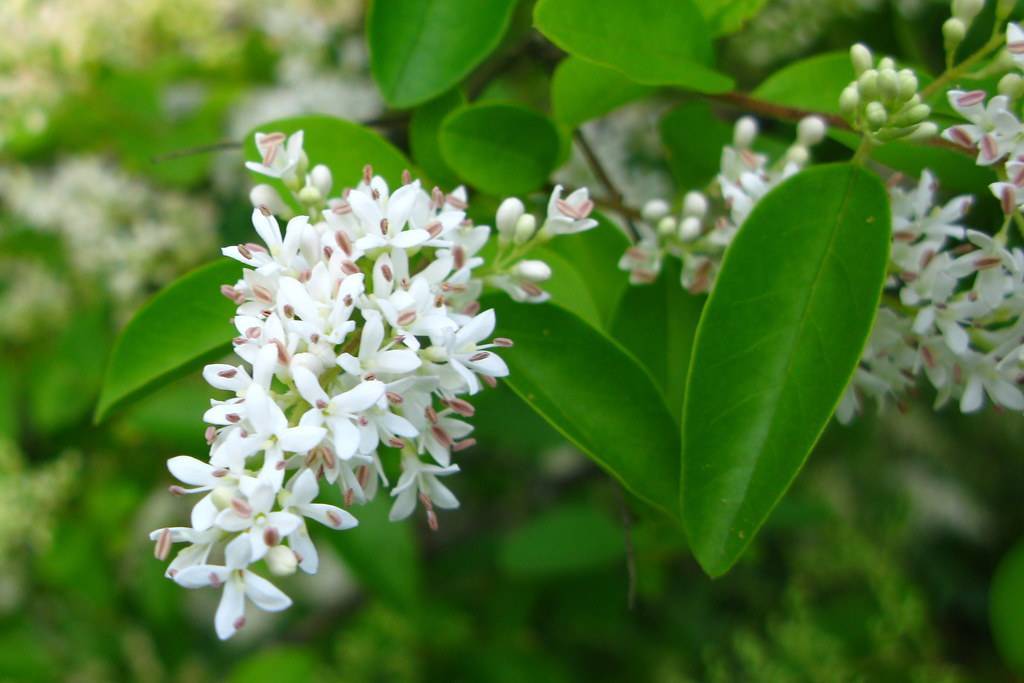
Amur Privet
Ligustrum amurense
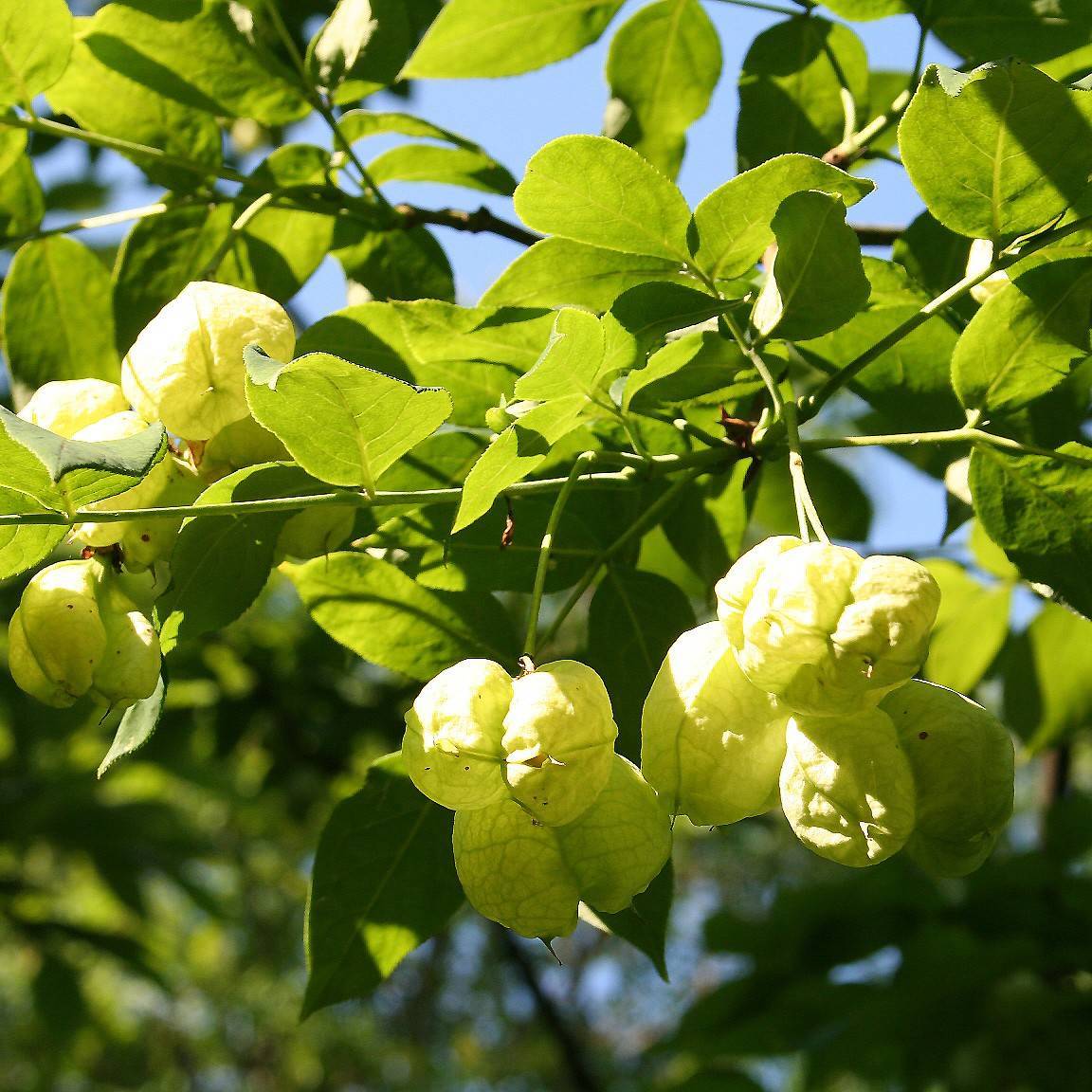
European Bladdernut
Staphylea pinnata
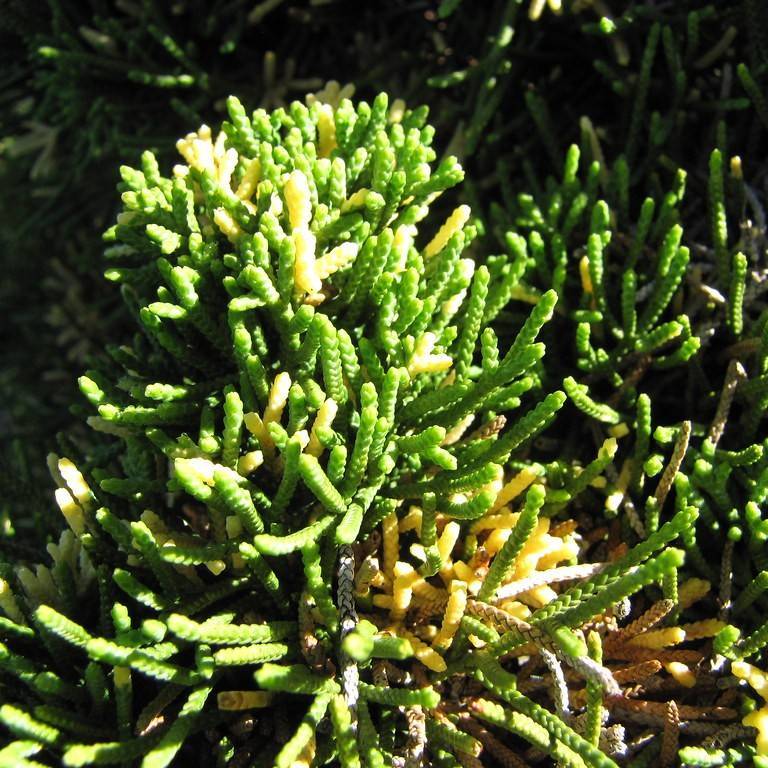
Hollywood Juniper
Juniperus chinensis 'Torulosa'
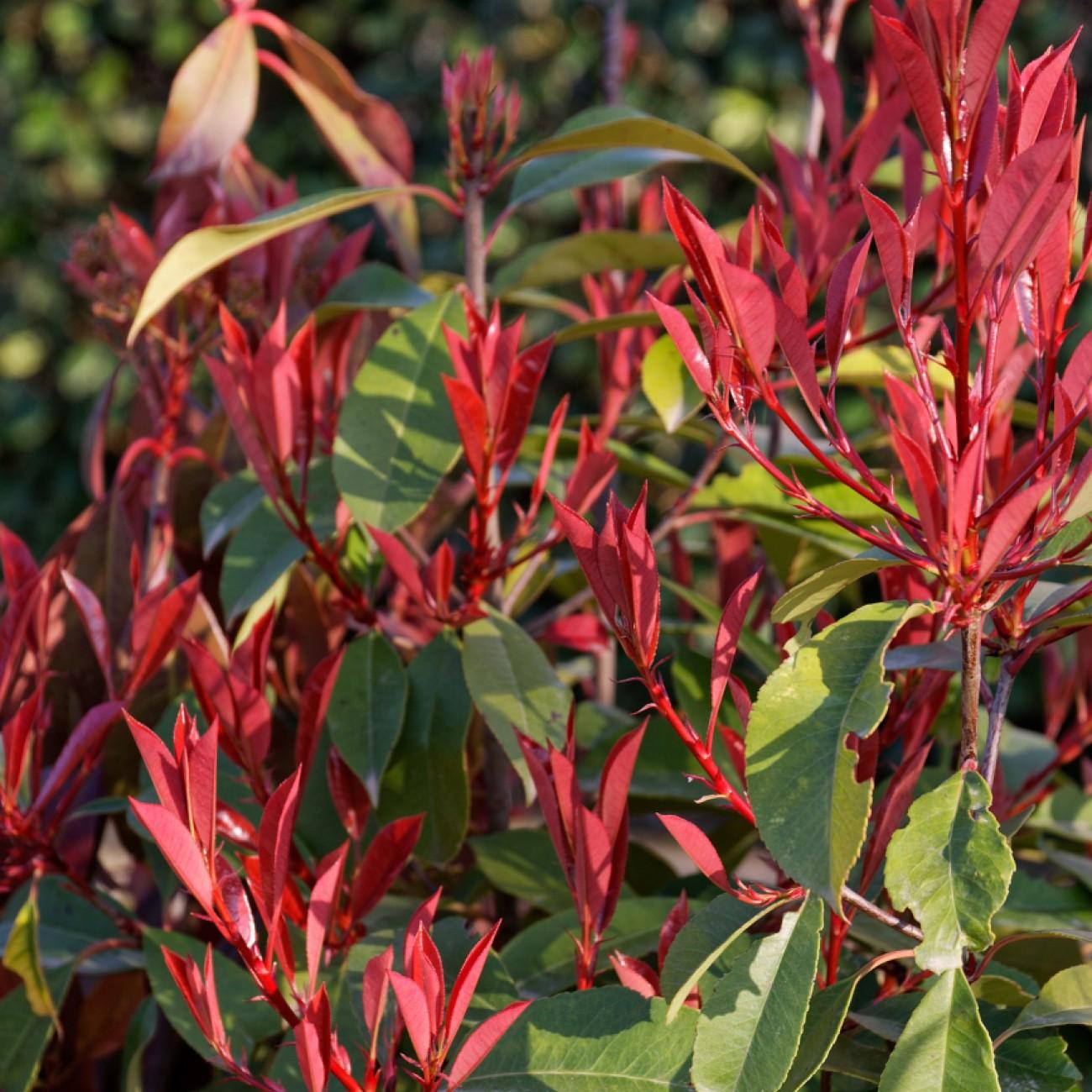
Fraser Photinia
Photinia × fraseri
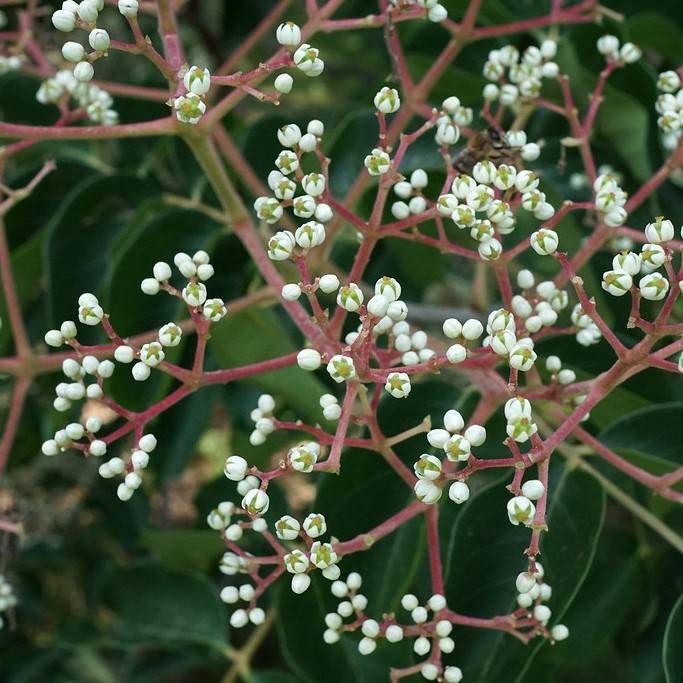
Bee Bee Tree
Tetradium daniellii
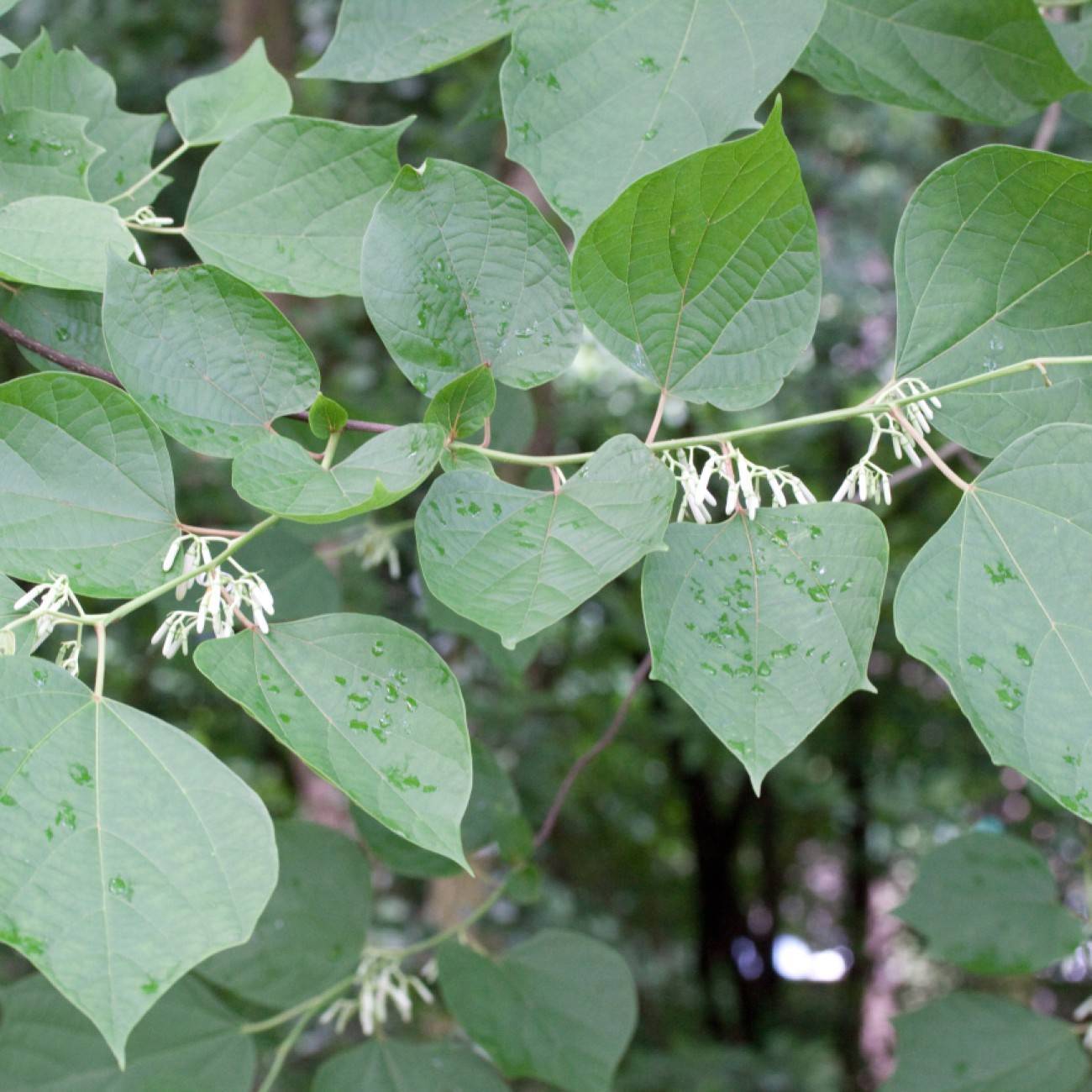
alangium
Alangium platanifolium var. macrophyllum
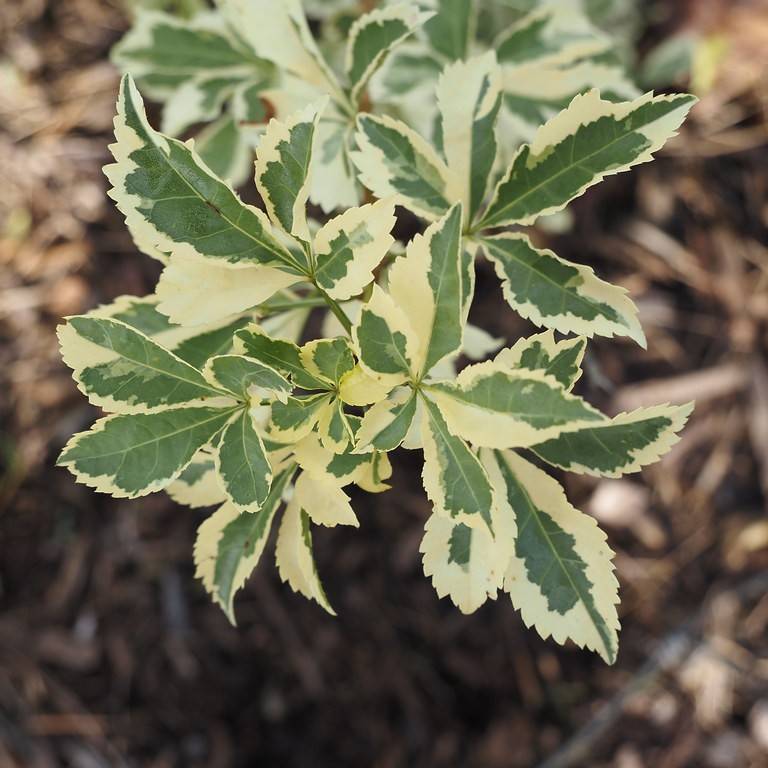
aralia
Eleutherococcus sieboldianus 'Variegatus'
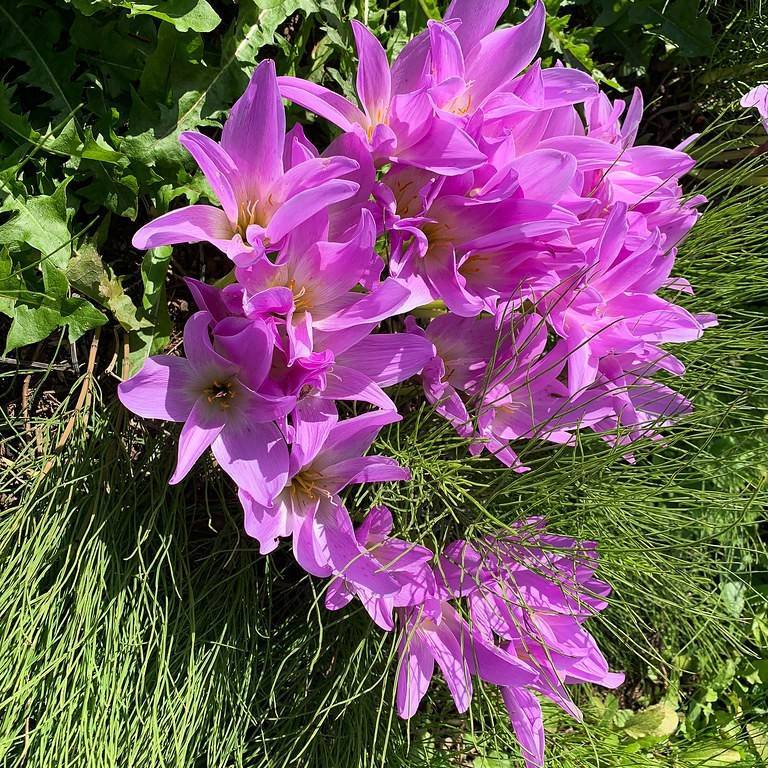
autumn crocus
Colchicum 'Violet Queen'