Asian Bell Tree
Radermachera sinica
Overview
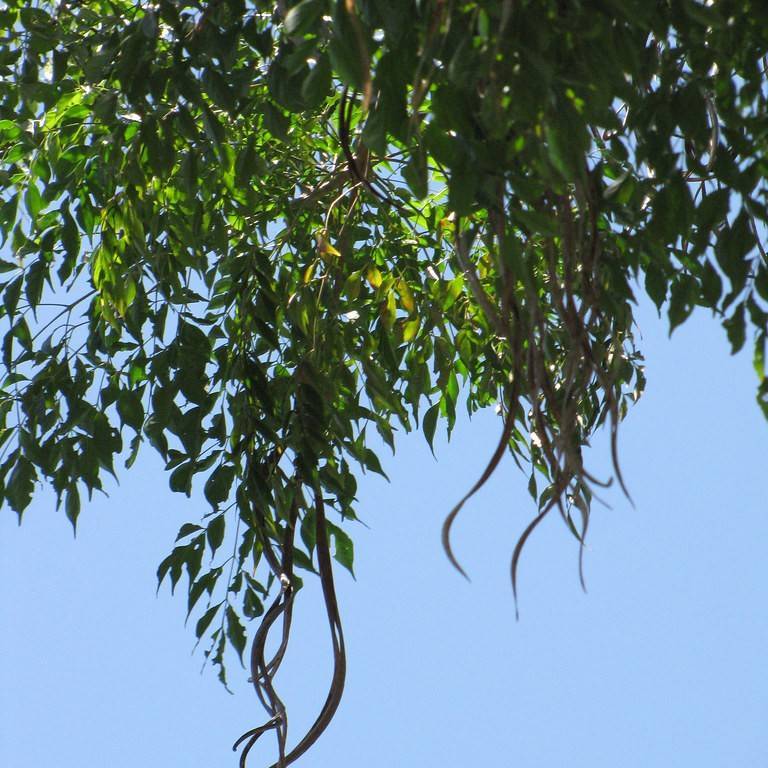
The Asian Bell Tree, also called China Doll, is a fast-growing evergreen tree with feathery, glossy compound leaves that lend it a lush, tropical appearance. In its native outdoor habitat, it produces clusters of sweetly scented, bell-shaped flowers in spring, though blooming is rare when grown indoors. It is widely cultivated both as a landscape tree in warm climates and as a popular houseplant for its attractive, dense foliage.
Care Guide
Watering
Water when the top 1-2 inches of soil feels dry to the touch, reducing frequency in winter when growth slows. Avoid overwatering, as this can lead to root rot, and ensure the pot has ample drainage holes to prevent standing water at the root zone.
Light
Thrives in bright, indirect light; position it near a south or west-facing window with a sheer curtain to filter direct midday sun, which can scorch its delicate leaves. Indoor specimens require a minimum of 4 hours of bright light daily to maintain their dense, bushy form, while outdoor trees tolerate partial to full sun in mild climates.
Soil
Prefers a light, well-draining potting mix with a slightly acidic to neutral pH between 6.0 and 7.0. A mix of peat moss, perlite, and pine bark works well to improve aeration and moisture retention without becoming waterlogged.
Fertilizer
Feed with a balanced, water-soluble houseplant fertilizer diluted to half strength every 2-4 weeks during the active growing season (spring and summer). Suspend fertilization entirely in fall and winter, when the plant enters a period of slower growth and nutrient uptake decreases.
Temperature
Grows best in consistent temperatures between 65-75°F (18-24°C), and can tolerate brief dips down to 50°F (10°C) but is highly sensitive to frost. Avoid placing indoor specimens near cold drafts from windows, doors, or air conditioning units, as sudden temperature fluctuations can cause leaf drop.
Pruning
Prune in early spring before new growth emerges to shape the plant, control its size, and encourage bushier, denser foliage. Remove any yellowed, damaged, or leggy branches as needed throughout the year, and cut back overgrown stems by up to one-third to maintain a compact form suitable for indoor growing.
Propagation
Most commonly propagated from stem cuttings taken in spring or early summer, using 4-6 inch long semi-hardwood cuttings with at least two sets of leaves. Dip the cut end in rooting hormone powder, plant in moist, well-draining propagation mix, and keep in a warm, humid location with bright indirect light until roots develop in 4-6 weeks.
Humidity
Prefers moderate to high humidity levels between 40-60%, which mimics its native subtropical environment. If indoor air is dry, boost humidity by placing the pot on a tray filled with pebbles and water, misting the foliage regularly, or using a small room humidifier near the plant.
Repotting
Repot young, actively growing Asian Bell Trees every 1-2 years in spring, moving to a pot one size larger than the current one to accommodate root growth. Mature specimens only need repotting every 3-4 years, or when roots begin to grow out of the drainage holes, to avoid disrupting their established root system unnecessarily.
Uses & Symbolism
Outdoors in frost-free climates, it is planted as a shade or ornamental landscape tree, prized for its fragrant spring blooms and evergreen foliage. As an indoor houseplant, it adds a lush, tropical accent to home and office spaces, and is often used to improve indoor air quality by filtering common volatile organic compounds. In traditional Chinese medicine, parts of the plant have been used to treat minor ailments such as headaches and inflammation.
Diseases & Pests
Common indoor pests include spider mites, mealybugs, and aphids, which thrive in dry, low-humidity conditions and can be treated with neem oil or insecticidal soap. Overwatering or poorly draining soil frequently leads to root rot, the most common fungal disease affecting this species, which causes yellowing leaves and wilting. Leaf spot diseases may also occur if foliage is consistently wet or the plant is kept in poorly ventilated conditions, requiring removal of affected leaves and improved air circulation.
Related plants
Other plants you might like if you grow Asian Bell Tree.