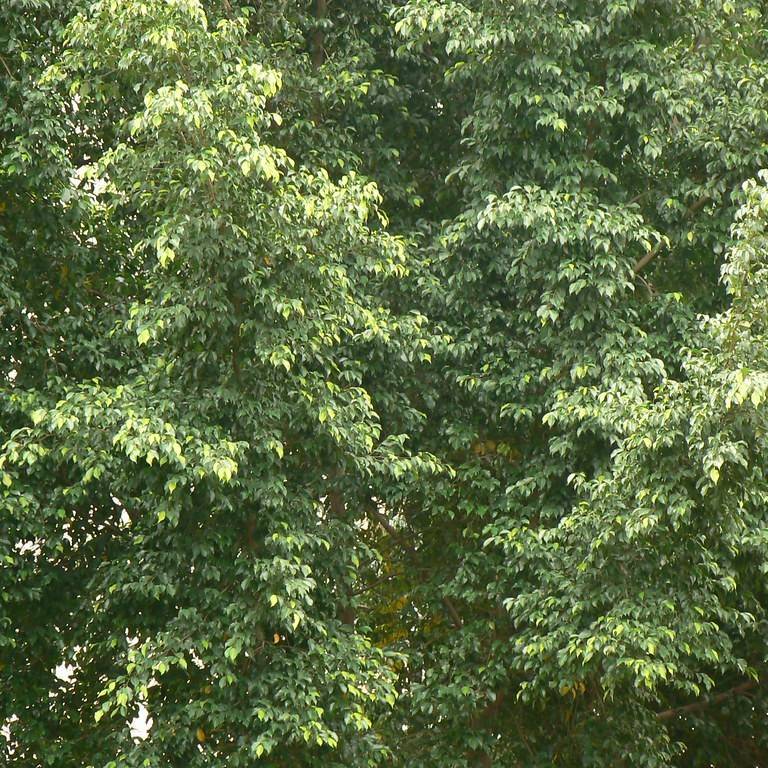
Drooping Laurel
Cryptocarya rigida
Overview
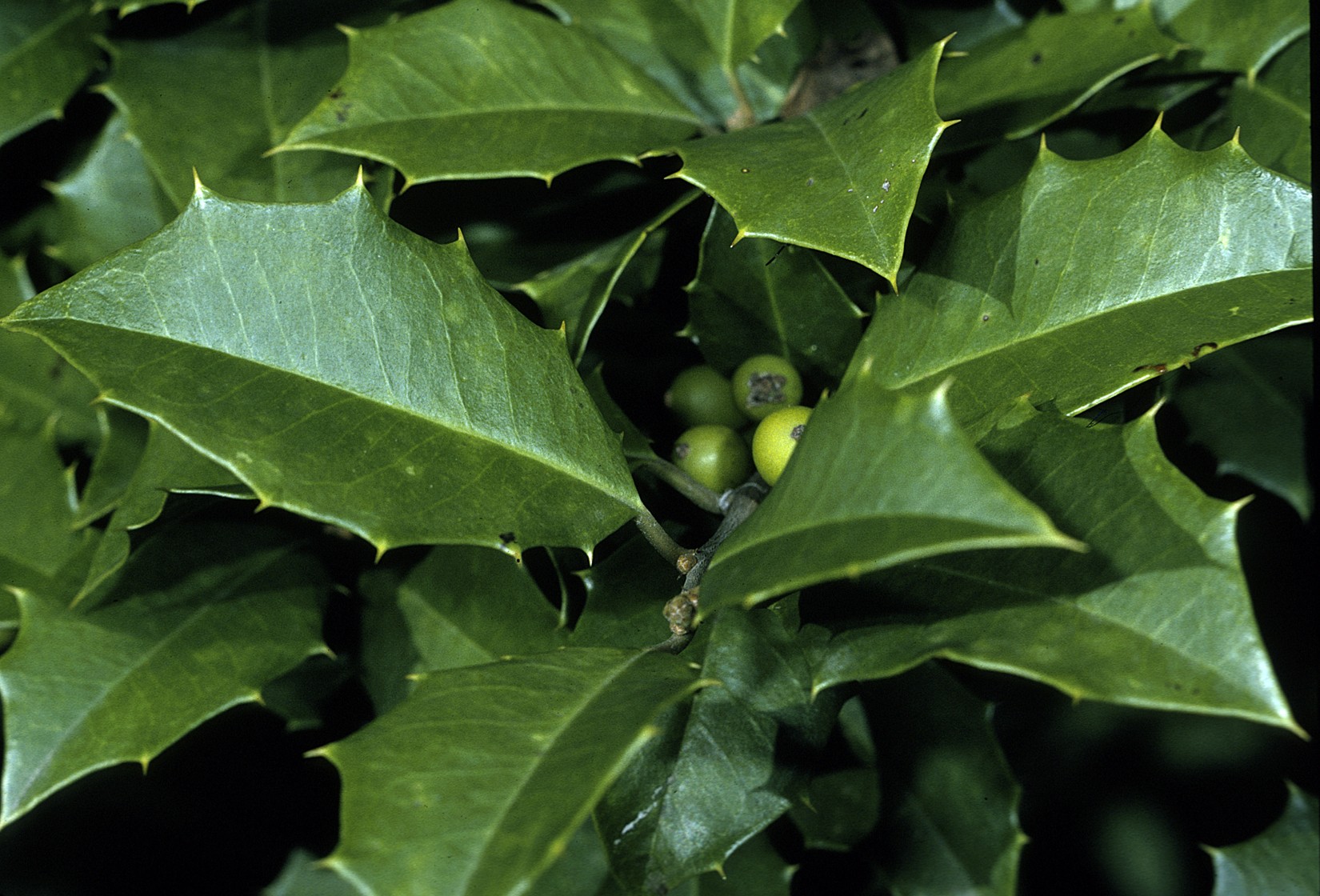
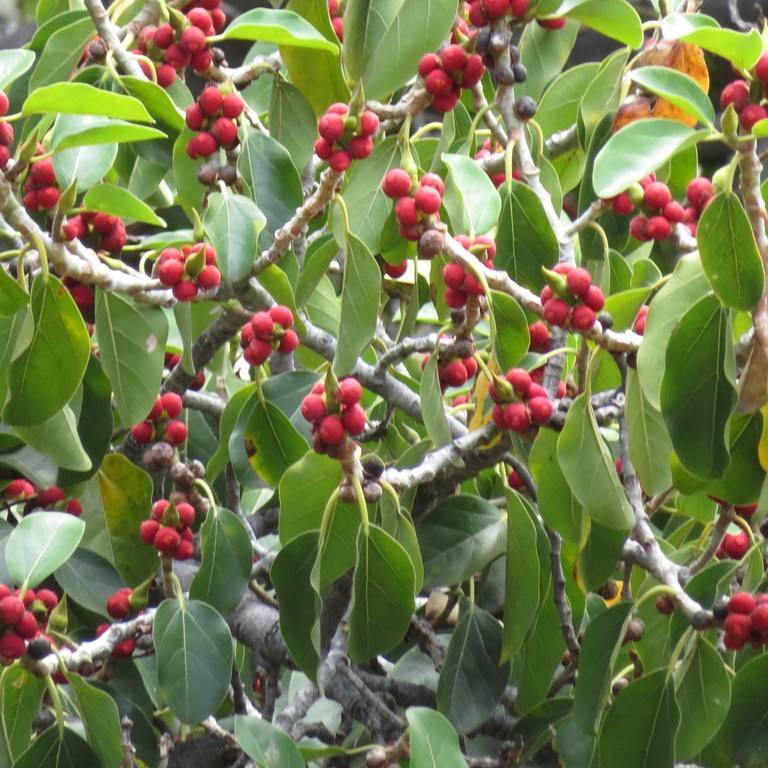
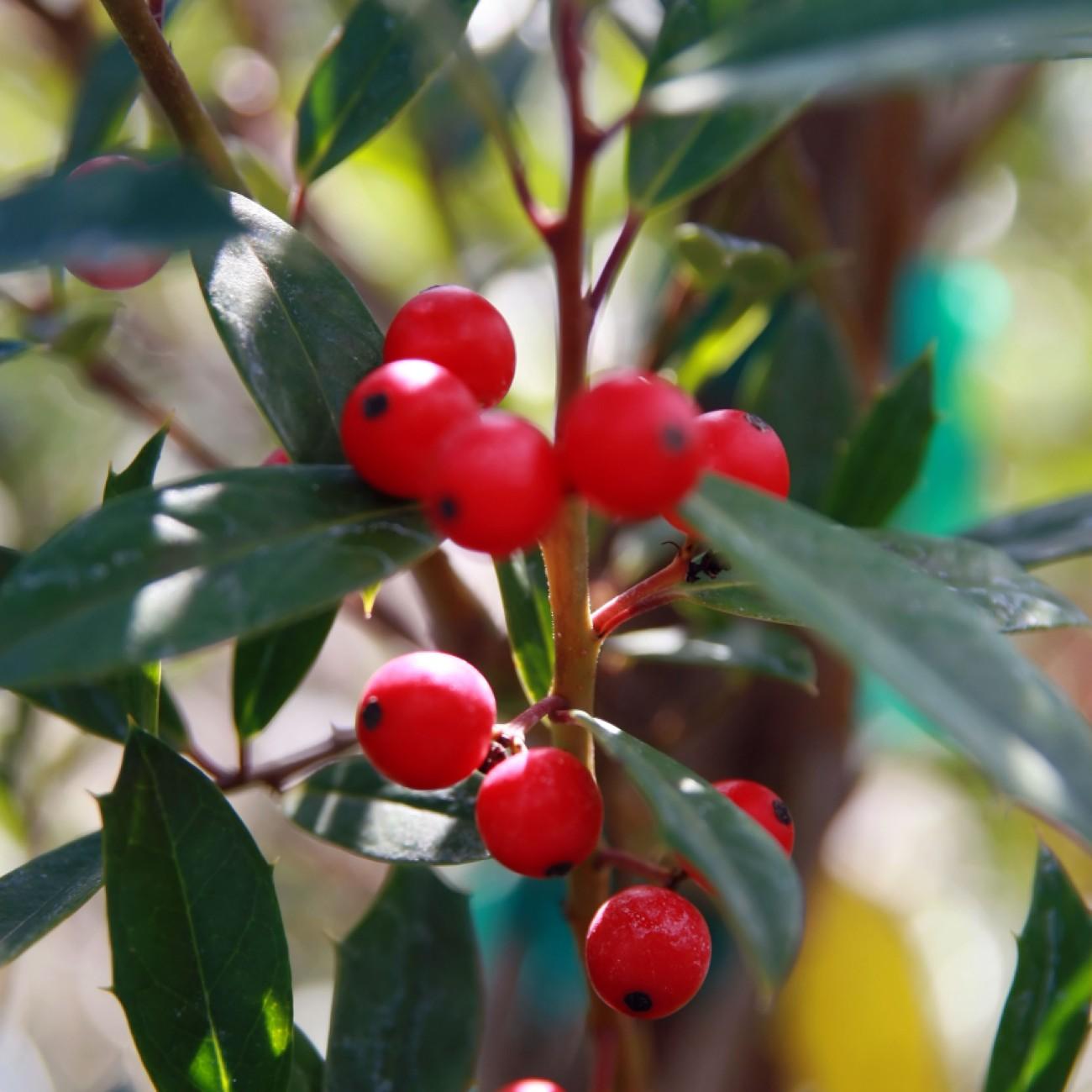
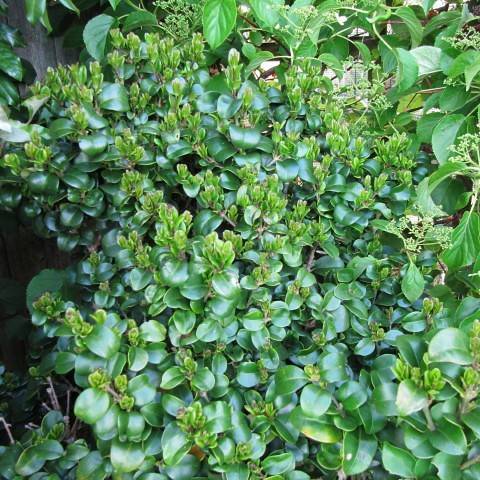
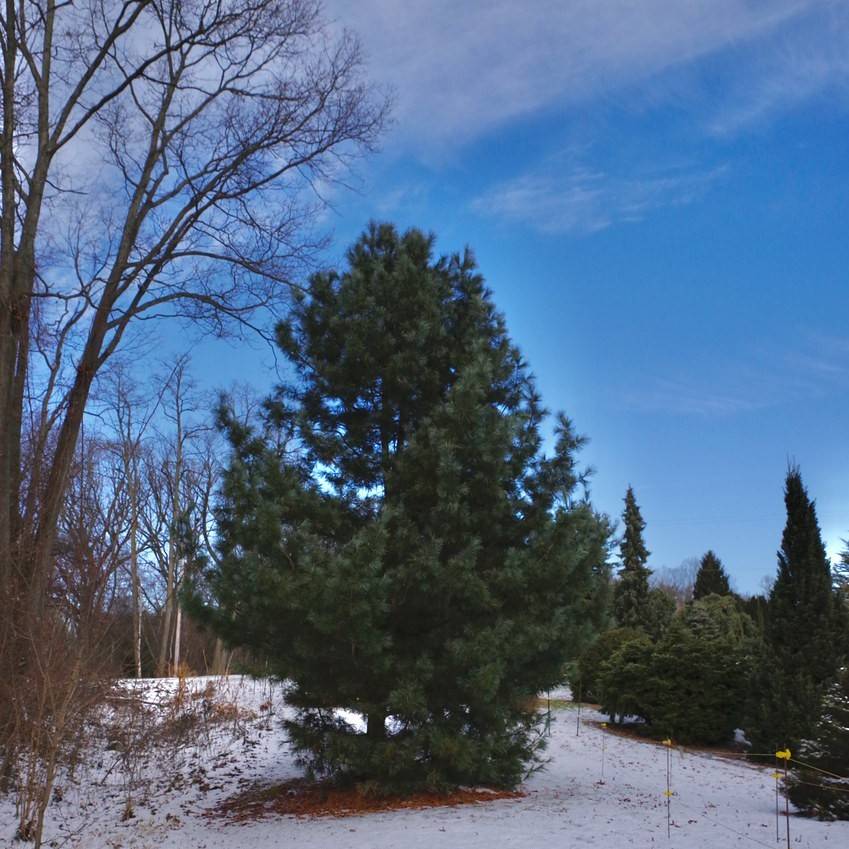
Drooping laurel is a broad-canopied evergreen tree named for its graceful, downward-arching branches and glossy, dark green elliptical leaves that have a paler, silvery underside. In spring, it produces clusters of tiny, creamy-white fragrant flowers that attract native pollinators, followed by small, dark purple fleshy fruits that feed local bird species. It is well-adapted to mild, humid climates, making it a popular low-maintenance screening or specimen tree for temperate and subtropical gardens.
Care Guide
Watering
Water regularly during the first 2-3 years after planting to establish a deep root system, keeping the soil consistently moist but not waterlogged. Once established, drooping laurel is moderately drought-tolerant, requiring supplemental water only during extended dry periods to prevent leaf drop. Reduce watering frequency in cooler winter months to avoid root rot in poorly draining soils.
Light
Thrives in partial to full shade, making it ideal for understory plantings or locations with dappled sunlight. It can tolerate full sun only if provided with consistent moisture and protection from intense midday sun, which can scorch its delicate foliage. Young plants require more shade protection than mature, well-established specimens.
Soil
Prefers rich, well-draining loam soil with a slightly acidic to neutral pH range of 5.5 to 7.0. It can tolerate heavy clay soils as long as they are amended with organic matter to improve drainage, as standing water will quickly damage its root system. Add a 2-3 inch layer of organic mulch around the base of the tree annually to retain moisture, regulate soil temperature, and suppress weed growth.
Fertilizer
Feed drooping laurel once annually in early spring with a slow-release, balanced native tree fertilizer to support new foliage growth and flowering. Avoid high-nitrogen fertilizers, as they can encourage excessive leaf growth at the expense of flower and fruit production. For potted specimens, apply a diluted balanced liquid fertilizer every 2 months during the active growing season from spring to fall.
Temperature
Grows best in mild, temperate to subtropical climates with average temperatures ranging from 50-85°F (10-29°C). It is marginally frost-tolerant, able to withstand brief dips to 25°F (-4°C) with minor foliage damage, but young plants require frost protection during cold winter months. Prolonged exposure to temperatures below 20°F (-7°C) will kill unprotected specimens.
Pruning
Prune drooping laurel in late winter or early spring before new growth emerges to maintain its desired shape and remove any dead, damaged, or crossing branches. It responds well to hard pruning if you wish to keep it compact as a hedge or screen, though excessive pruning can reduce flowering for the current season. Always use clean, sharp pruning tools to avoid spreading disease between cuts.
Propagation
Most commonly propagated from fresh seed, which should be sown immediately after harvesting in autumn for the highest germination rates, as seed viability drops quickly after drying. Semi-hardwood cuttings taken in late summer can also root successfully if treated with rooting hormone and kept in a humid, shaded propagation bed for 3-6 months. Propagation from cuttings is preferred for cultivars to preserve specific growth habits or foliage characteristics.
Humidity
Prefers moderate to high humidity levels between 50-70%, consistent with its native rainforest margin habitat. It will tolerate average indoor humidity if grown as a large container houseplant, but may develop brown leaf tips if exposed to prolonged dry air from heating or cooling vents. Mist foliage regularly or place a humidity tray beneath potted specimens to boost moisture levels in dry environments.
Repotting
Potted drooping laurel specimens should be repotted every 2-3 years in early spring before new growth begins, moving up to a container 2 inches larger in diameter than the current pot. Use a well-draining potting mix formulated for native Australian plants or a blend of loam, peat moss, and perlite to ensure proper drainage. After repotting, water thoroughly and keep the plant in shaded conditions for 1-2 weeks to reduce transplant stress.
Uses & Symbolism
Drooping laurel is widely planted as an ornamental specimen or screening tree in Australian gardens, valued for its year-round glossy foliage, graceful form, and ability to thrive in shaded locations where many other trees struggle. Its dense, pendulous canopy provides excellent habitat and food for native birds and pollinators, supporting local biodiversity in residential and restoration landscapes. In its native range, its hard, durable wood has historically been used for small construction projects and woodcrafts.
Diseases & Pests
Drooping laurel is relatively pest and disease resistant when grown in its preferred conditions, but can be susceptible to root rot if planted in poorly draining, waterlogged soils. Scale insects and aphids may occasionally infest new growth, sucking sap and causing leaf curling or yellowing; these can be controlled with horticultural oil or insecticidal soap applications. Fungal leaf spot may occur in excessively humid, poorly ventilated conditions, which can be managed by improving air circulation around the plant and avoiding overhead watering.
Related plants
Other plants you might like if you grow Drooping Laurel.