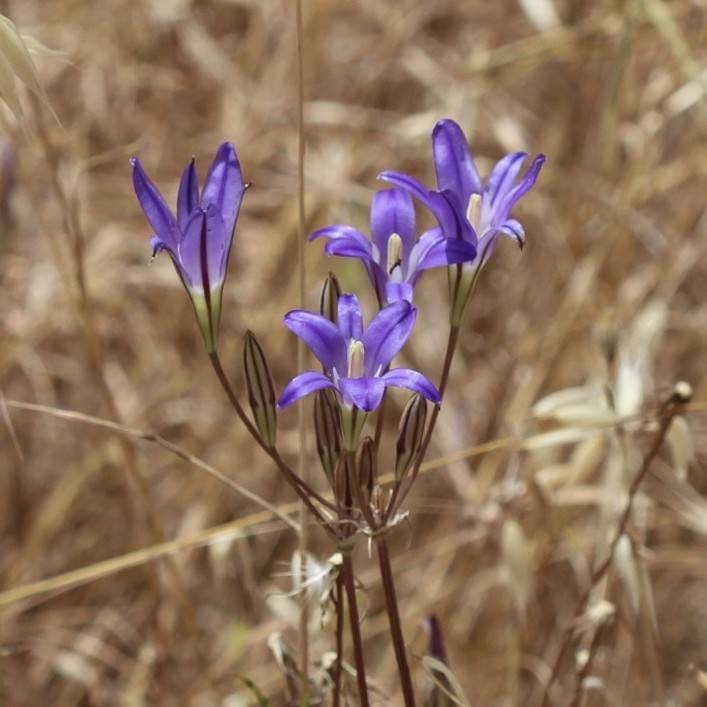
Indian Valley Brodiaea
Brodiaea insignis
Overview
Indian Valley Brodiaea is a geophytic perennial that dies back to an underground corm after its spring flowering period, remaining dormant through the dry summer and winter months. It is a federally threatened species in its native range, threatened by habitat loss, grazing, and urban development in its limited Sierra Nevada foothill habitat. Its delicate, vibrant blooms are a nectar source for native bees, butterflies, and hummingbirds, supporting local pollinator populations in its natural ecosystem.
Care Guide
Watering
This drought-tolerant bulb requires regular, moderate moisture during its active growth period from late winter to early spring, as it emerges from dormancy and develops flower stalks. Once flowering concludes and foliage begins to yellow in late spring, reduce watering gradually to allow the corm to enter dry summer dormancy, avoiding excess moisture that can cause corm rot. During its dormant period, keep the soil completely dry, as wet conditions in summer are fatal to this species adapted to California’s Mediterranean climate.
Light
Indian Valley Brodiaea thrives in full sun, requiring a minimum of 6 hours of direct, unfiltered sunlight daily to produce strong flower stalks and abundant blooms. It can tolerate very light, dappled shade, but excessive shade will lead to leggy growth, reduced flowering, and increased risk of fungal disease. In particularly hot inland climates, light afternoon shade can help prevent scorching of delicate foliage during the hottest spring days.
Soil
This species requires sharply drained, low-fertility, sandy or gravelly loam soil with a neutral to slightly acidic pH between 6.0 and 7.5 to prevent corm rot. Heavy clay soils that retain moisture are unsuitable; amend heavy soils with coarse sand, pumice, or grit to improve drainage before planting. Soil should be low in organic matter, as high nutrient levels can lead to soft, lush growth that is vulnerable to damage and poor flowering.
Fertilizer
Indian Valley Brodiaea is adapted to low-nutrient native soils, so it requires very little fertilization to thrive. A light application of low-nitrogen, phosphorus-rich bulb fertilizer in early spring, just as new growth emerges, can support healthy flower development, but avoid high-nitrogen formulas that encourage foliage growth at the expense of blooms. Do not fertilize after flowering has concluded, as this can disrupt the plant’s natural dormancy cycle and damage the corm.
Temperature
This bulb is adapted to Mediterranean climates with cool, wet winters and hot, dry summers, tolerating winter lows down to 10°F (-12°C) when planted in well-drained soil. It requires a 8-12 week period of cool (35-45°F / 1-7°C) winter temperatures to break corm dormancy and trigger spring growth. High summer temperatures during dormancy are well-tolerated, as long as the corm is kept completely dry to prevent rot.
Pruning
Pruning requirements are minimal for Indian Valley Brodiaea; remove spent flower stalks after blooming if you wish to prevent self-seeding, or leave them intact to allow seeds to mature for natural propagation. Do not remove yellowing foliage until it has completely died back in late spring, as the leaves continue to photosynthesize and store energy in the corm for the next year’s growth. Remove any dead or damaged foliage at the end of the dormancy period before new growth emerges in late winter.
Propagation
Indian Valley Brodiaea can be propagated from seed or by dividing mature corm offsets that develop around the parent corm during the dormant period. To propagate from seed, collect ripe seed pods in late summer after they have dried on the plant, sow seeds in fall in sharply drained soil, and expect germination the following spring, with plants taking 3-4 years to reach flowering size. To divide corms, carefully dig up dormant clumps in late summer, separate the small offset corms from the parent, and replant immediately at a depth of 2-3 times the corm’s width.
Humidity
This species is adapted to the low to moderate humidity levels of its native California foothill habitat, thriving in average outdoor humidity between 30% and 60%. High humidity, especially combined with warm temperatures during dormancy, increases the risk of corm rot, so ensure excellent air circulation around plants in more humid climates. Indoor-grown specimens require no supplemental humidity, as typical household humidity levels are sufficient for healthy growth.
Repotting
Potted Indian Valley Brodiaea corms only need repotting every 3-4 years, or when the clump becomes overcrowded and flowering declines. Repot during the late summer dormant period, gently separating crowded corms and replanting them in fresh, sharply drained, low-fertility potting mix at a depth of 2-3 inches (5-7.5 cm), spaced 2-3 inches apart. Use a shallow, wide pot with ample drainage holes to prevent excess moisture retention around the corms, and avoid overwatering immediately after repotting.
Uses & Symbolism
Indian Valley Brodiaea is a popular choice for native plant gardens, rock gardens, and Mediterranean xeriscapes, where its vibrant spring blooms add seasonal color while supporting local pollinator populations. Historically, the starchy corms of this species were harvested and roasted as a food source by Indigenous peoples of California, including the Nisenan and Miwok tribes. Due to its threatened status in the wild, cultivated specimens are often used in habitat restoration projects in its native range to support wild population recovery.
Diseases & Pests
The most common issue for Indian Valley Brodiaea is corm rot, caused by overwatering or poorly drained soil, especially during the summer dormant period. Aphids and thrips may occasionally feed on new growth and flower buds, which can be controlled with a strong jet of water or insecticidal soap, avoiding harsh chemicals that harm native pollinators. Fungal leaf spot can occur in overly wet, shaded conditions, which can be prevented by ensuring full sun exposure, proper air circulation, and avoiding overhead watering.
Related plants
Other plants you might like if you grow Indian Valley Brodiaea.
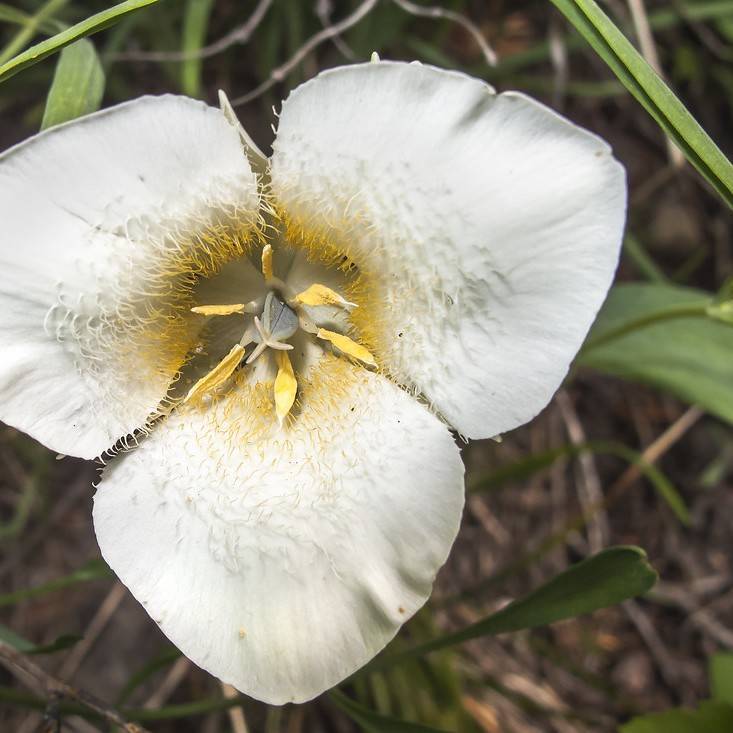
Baker's Mariposa Lily
Calochortus apiculatus
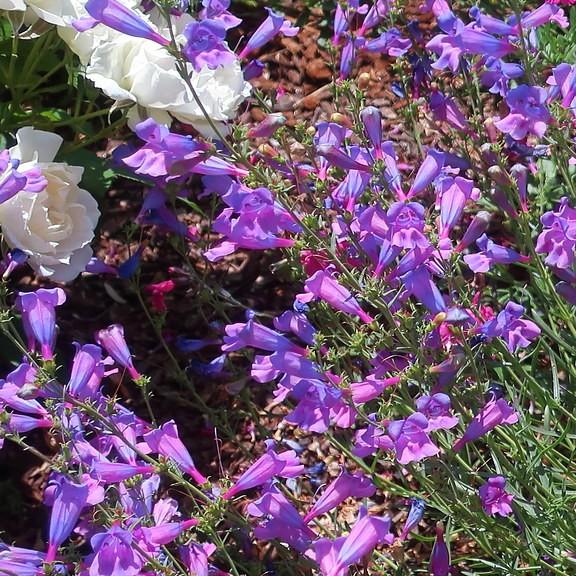
Foothill Penstemon
Penstemon heterophyllus
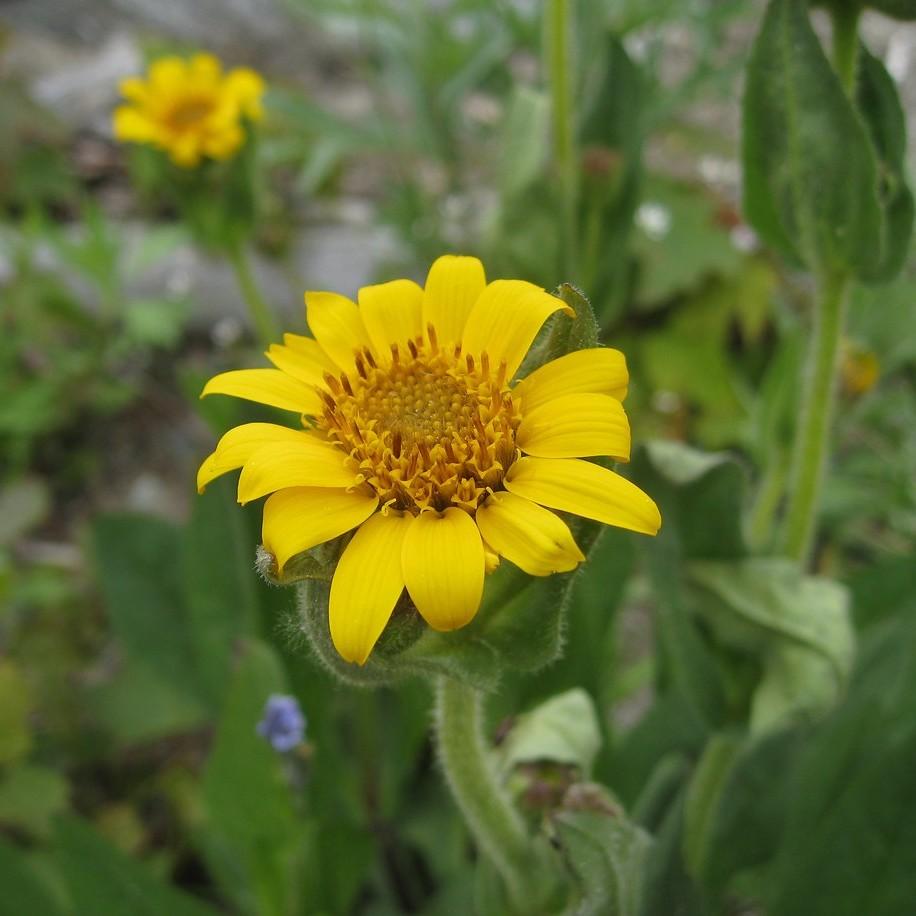
Carey's Balsamroot
Balsamorhiza careyana
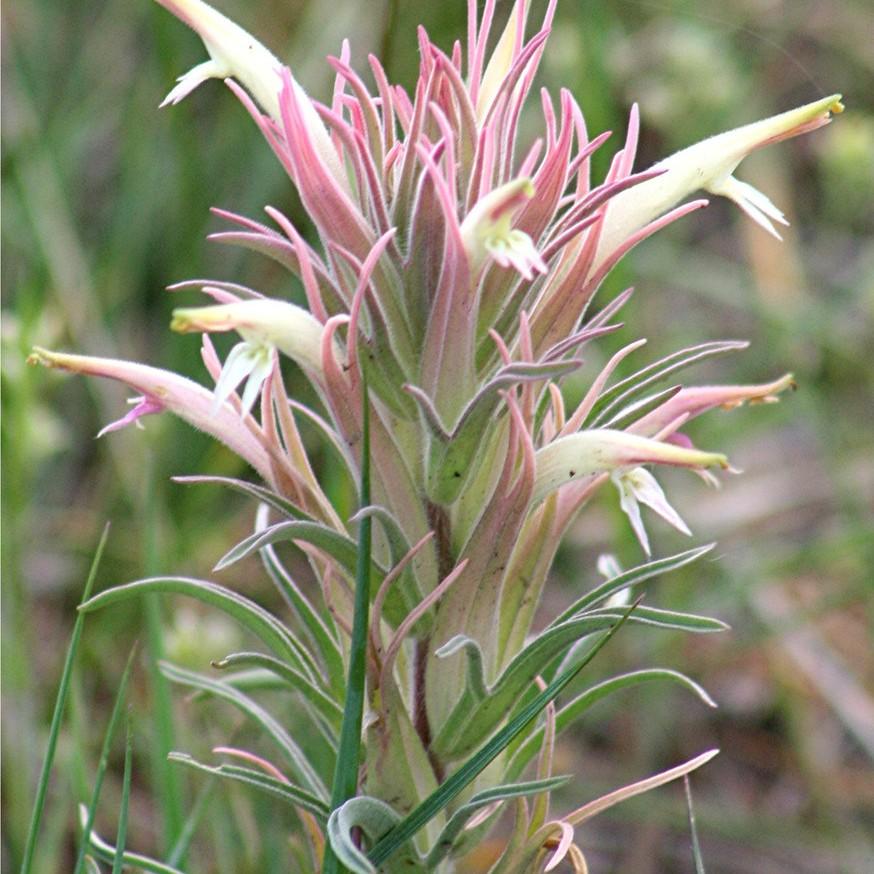
Downy Paintbrush
Castilleja sessiliflora
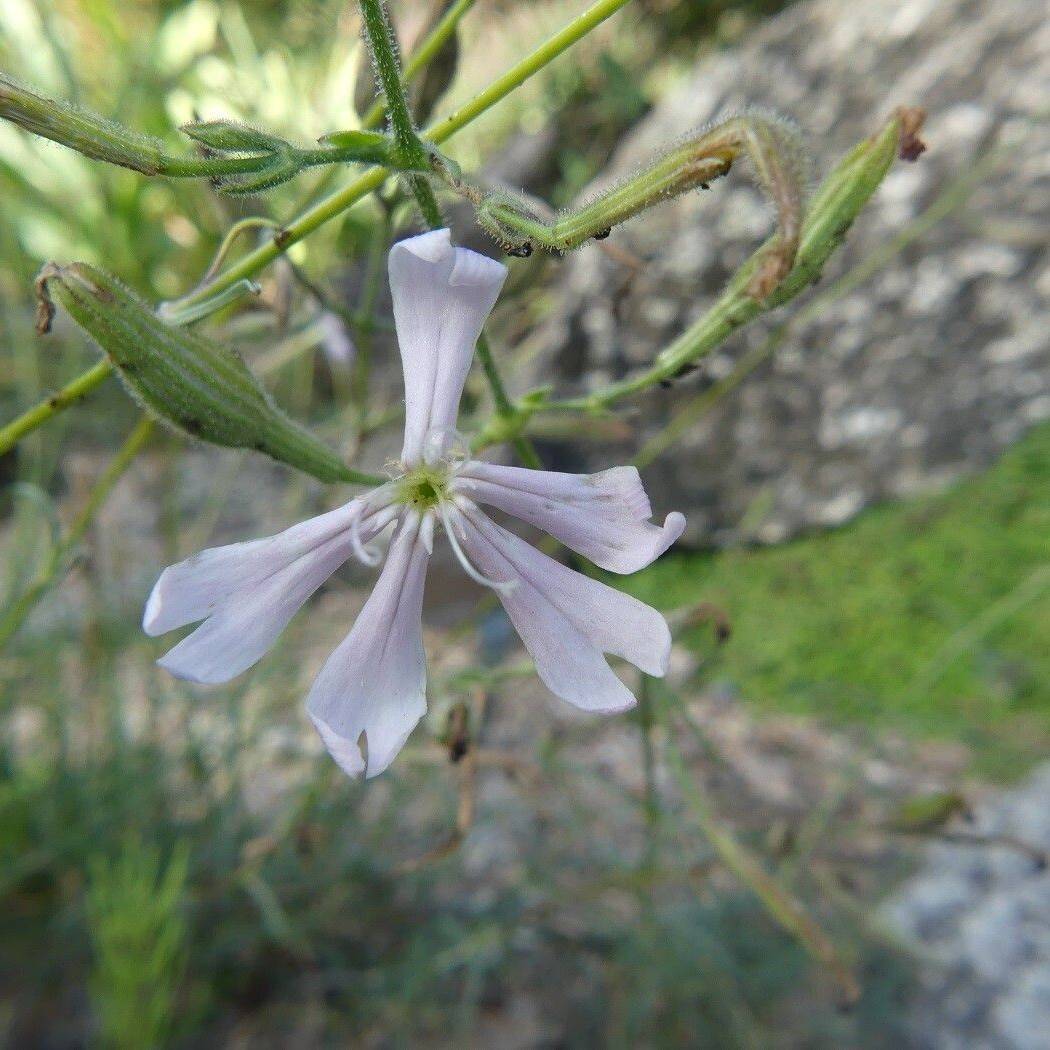
Collins Rockcress
Arabis collinsii
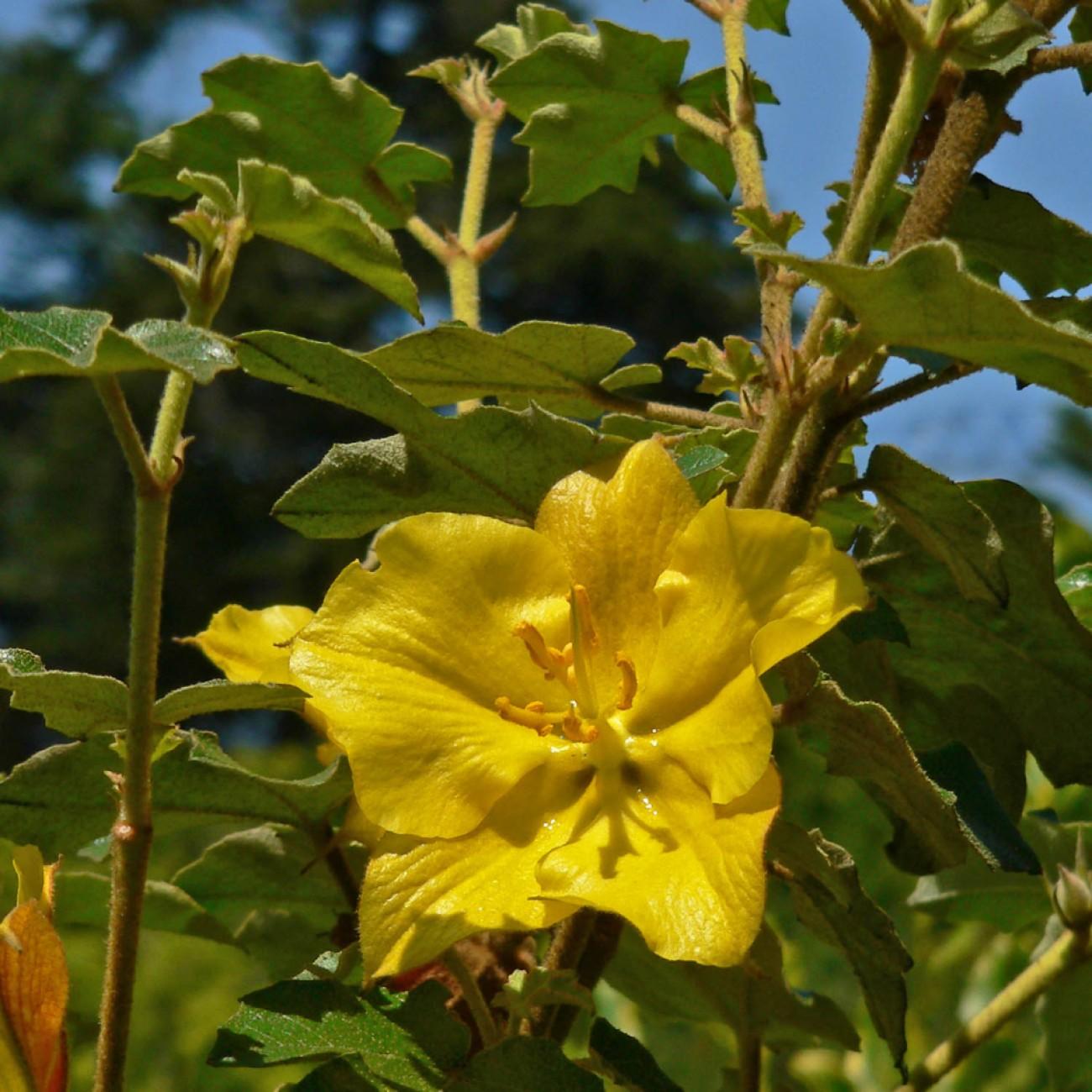
Flannel Bush
Fremontodendron californicum
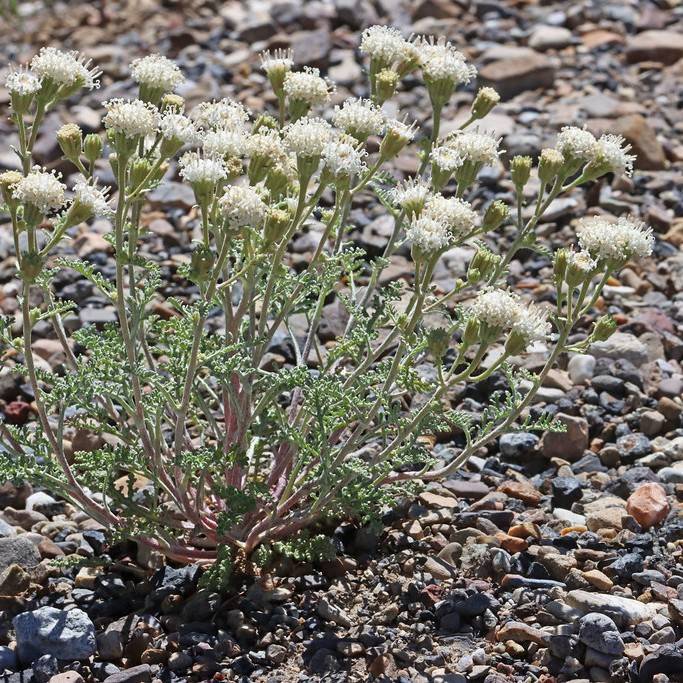
Alpine Pincushion
Leucospermum oleifolium
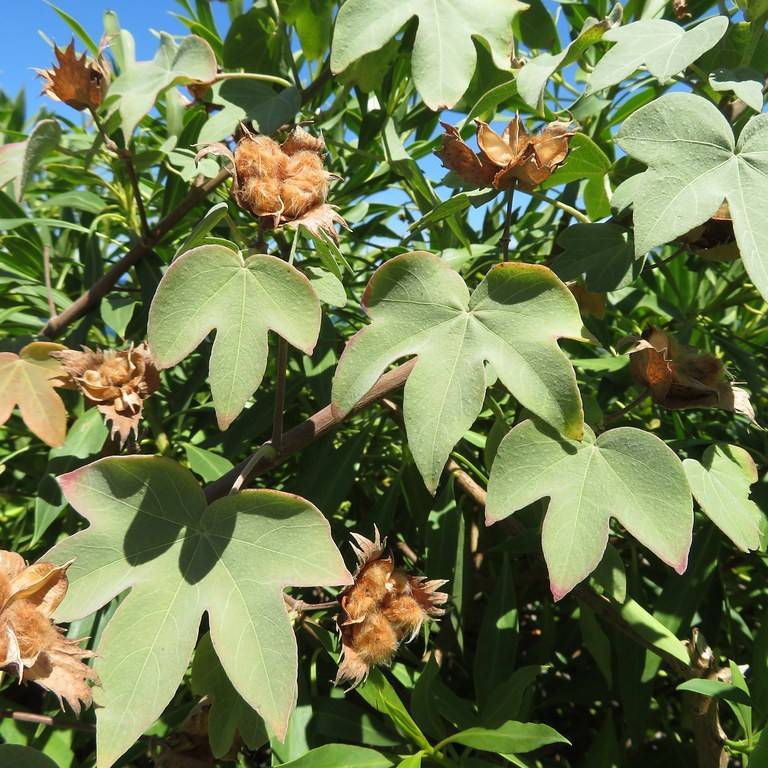
Hawaiian Cotton
Gossypium tomentosum