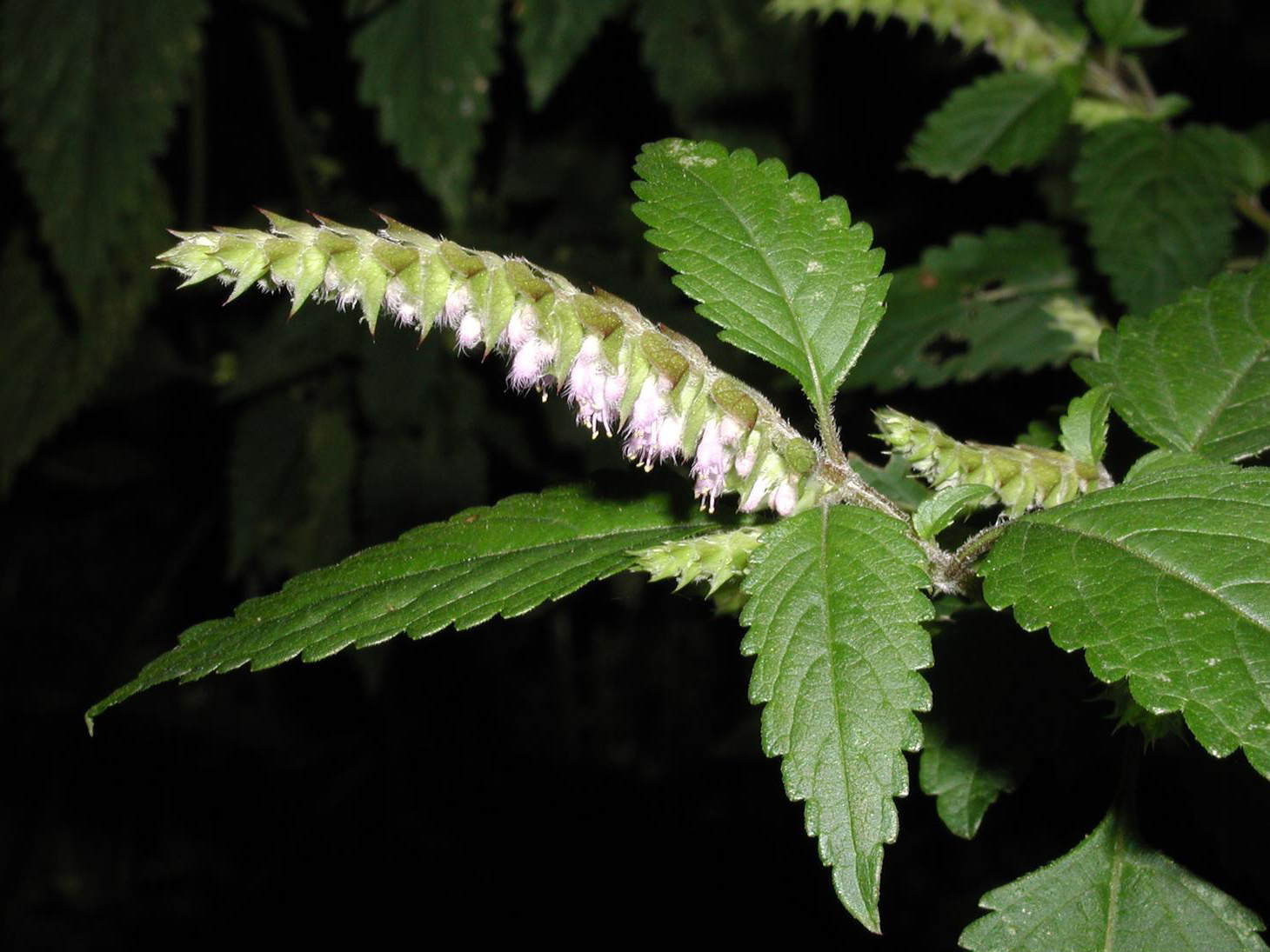
Japanese Shrub Mint
Elsholtzia ciliata
Overview
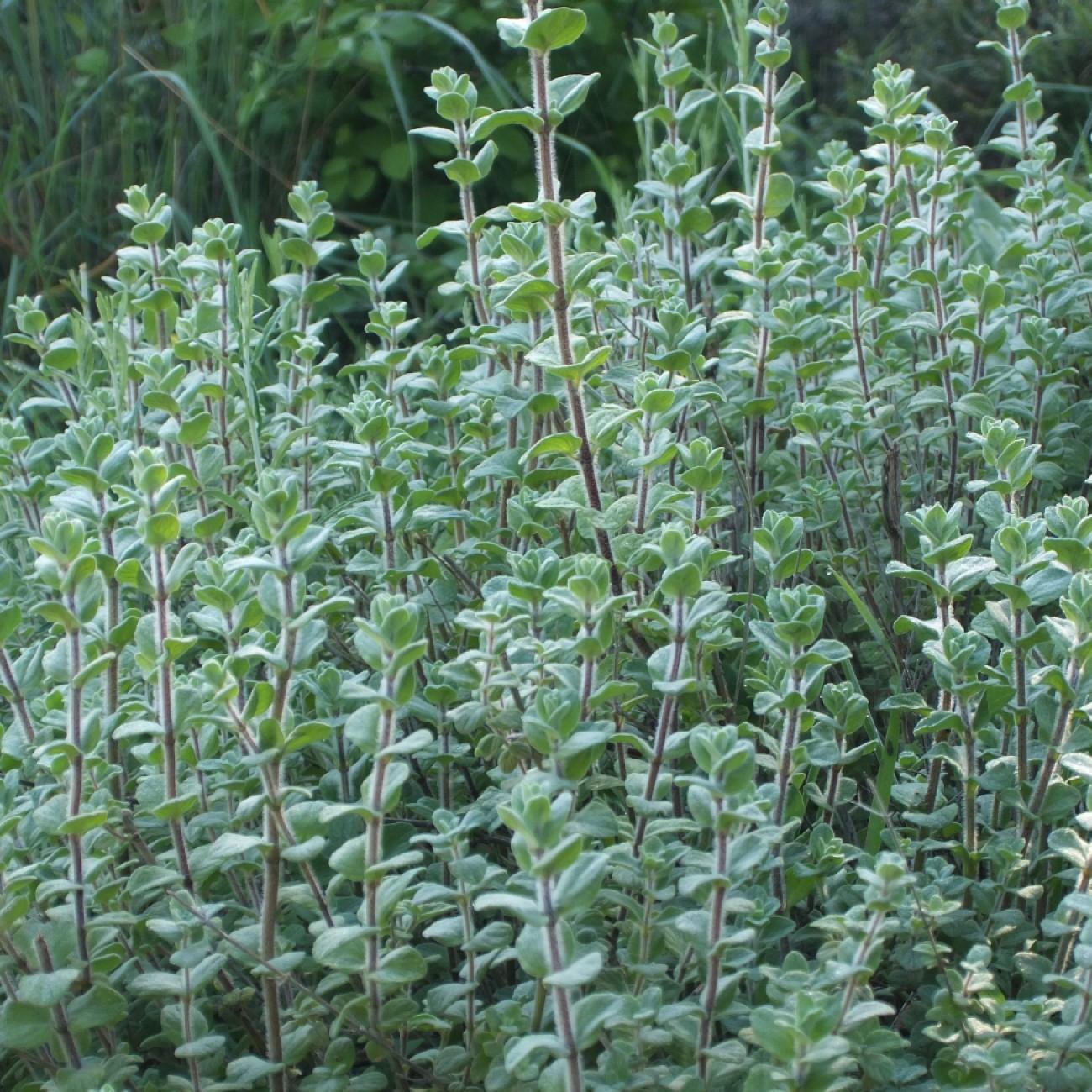
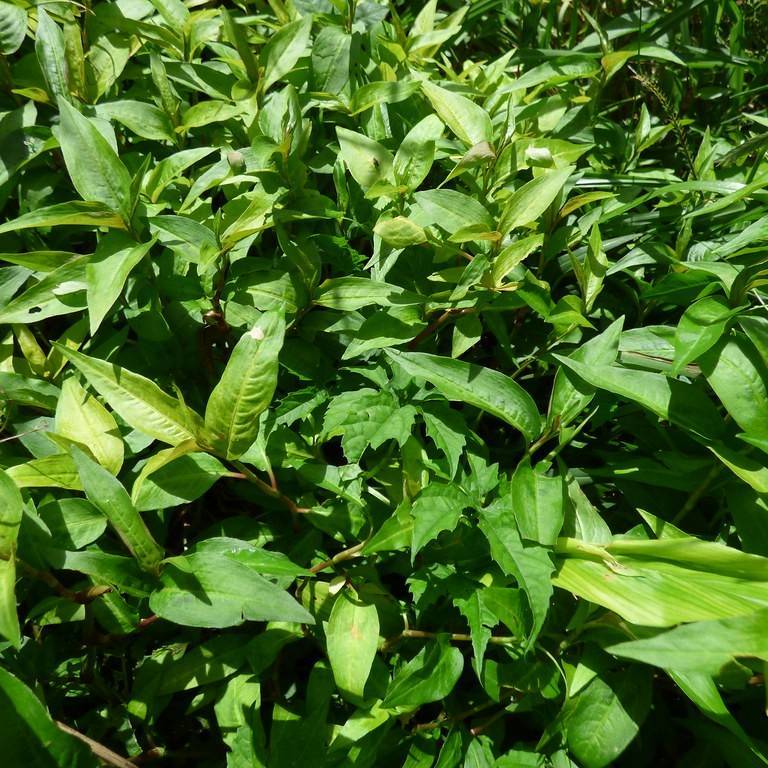
Japanese Shrub Mint, also known as crested late-summer mint, is a aromatic herbaceous plant in the mint family that thrives in disturbed, moist sites across its native East Asian range. It produces upright, branching stems lined with ovate, toothed leaves that emit a sharp, minty-citrus scent when crushed, and blooms from late summer to early fall with whorled clusters of small, tubular pale purple or pink flowers that attract pollinators including bees and butterflies. Though sometimes considered a minor invasive weed in non-native regions of North America and Europe, it is widely cultivated in its native range for its practical and decorative benefits.
Care Guide
Watering
Japanese Shrub Mint prefers consistently moist, well-drained soil, requiring regular watering during dry periods to prevent wilting, especially when grown in full sun. Avoid overwatering or waterlogged conditions, as this can lead to root rot, and allow the top 1 inch of soil to dry out slightly between waterings in cooler months.
Light
This plant grows best in full sun, which encourages robust growth, dense foliage, and abundant flowering, though it can tolerate partial shade, particularly in regions with intense, hot summer sun. Too much shade will lead to leggy, sparse growth and reduced essential oil production in the leaves.
Soil
Japanese Shrub Mint adapts well to a wide range of soil types, including loam, sandy soil, and even poor, disturbed soils, as long as drainage is adequate. It prefers a slightly acidic to neutral pH range of 6.0 to 7.5, and benefits from a light amendment of compost or organic matter at planting time to support healthy growth.
Fertilizer
This fast-growing annual does not require heavy fertilization; a single application of balanced, all-purpose granular fertilizer at planting time is usually sufficient for the entire growing season. If growth appears stunted or pale, a diluted liquid fertilizer can be applied once mid-season, but over-fertilization will lead to excessive foliage growth at the expense of flowers and scent intensity.
Temperature
Japanese Shrub Mint thrives in warm temperatures between 65–85°F (18–29°C), and is tolerant of light frosts, though it will die back completely once sustained freezing temperatures arrive in fall. It can be grown as a warm-season annual in all temperate regions, and does not survive cold winters as it completes its life cycle in one growing season.
Pruning
Pruning is not required for healthy growth, but pinching back the top 2–3 inches of stems in early summer will encourage bushier, more compact growth and prevent the plant from becoming leggy. Spent flower spikes can be deadheaded to extend the blooming period, or left to self-seed if you want new plants to emerge the following spring.
Propagation
Japanese Shrub Mint is most easily propagated from seed, which can be sown directly outdoors after the last frost date, or started indoors 4–6 weeks before the last expected frost for earlier growth. Seeds require light to germinate, so they should be pressed lightly into the soil surface rather than buried, and will sprout within 7–14 days under warm, moist conditions.
Humidity
This adaptable plant tolerates a wide range of humidity levels, thriving in the moderate humidity of its native East Asian range, but also growing well in drier temperate regions as long as its watering needs are met. It does not require any supplemental humidity when grown outdoors, and can handle occasional dry air without stress.
Repotting
As an annual plant typically grown directly in garden beds or outdoor containers, Japanese Shrub Mint rarely requires repotting during its single growing season. If grown in a small container, it can be moved to a larger pot once roots begin to emerge from the drainage holes, using a standard well-draining potting mix. At the end of the growing season, the dead plant can be removed from the pot and discarded.
Uses & Symbolism
Japanese Shrub Mint leaves are used fresh or dried in East Asian cuisine to add a bright, minty-citrus flavor to salads, soups, stir-fries, and herbal teas, and are also used as a fragrant garnish. In traditional Chinese and Japanese medicine, it is used to treat colds, headaches, digestive discomfort, and inflammation, and its essential oil is used in aromatherapy and natural insect repellents. Ornamentally, it is planted in pollinator gardens, herb beds, and border plantings for its late-season flowers and pleasant scent.
Diseases & Pests
Japanese Shrub Mint is relatively pest and disease resistant, but can be susceptible to common mint family issues including powdery mildew, which develops in humid, poorly ventilated conditions, and root rot caused by overwatering or waterlogged soil. Aphids and spider mites may occasionally infest new growth, which can be treated with insecticidal soap or a strong spray of water to dislodge the pests.
Related plants
Other plants you might like if you grow Japanese Shrub Mint.