Arizona Cypress
Hesperocyparis arizonica (syn. Cupressus arizonica)
Overview
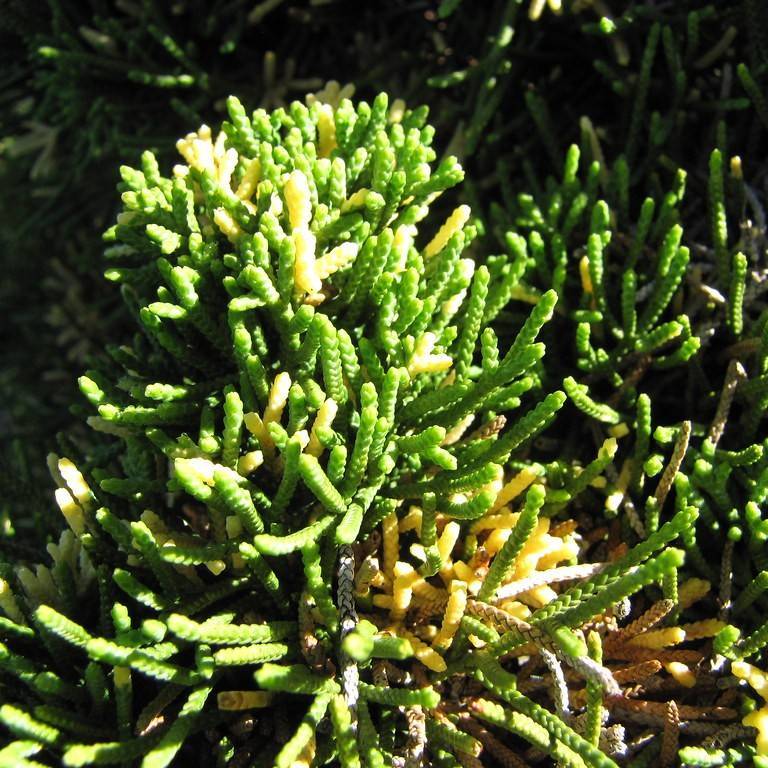
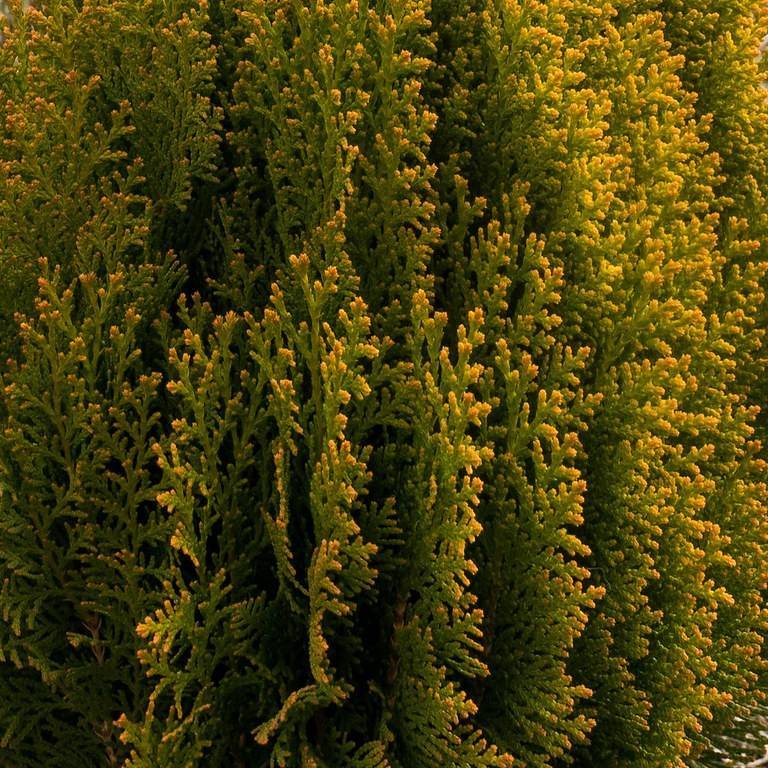
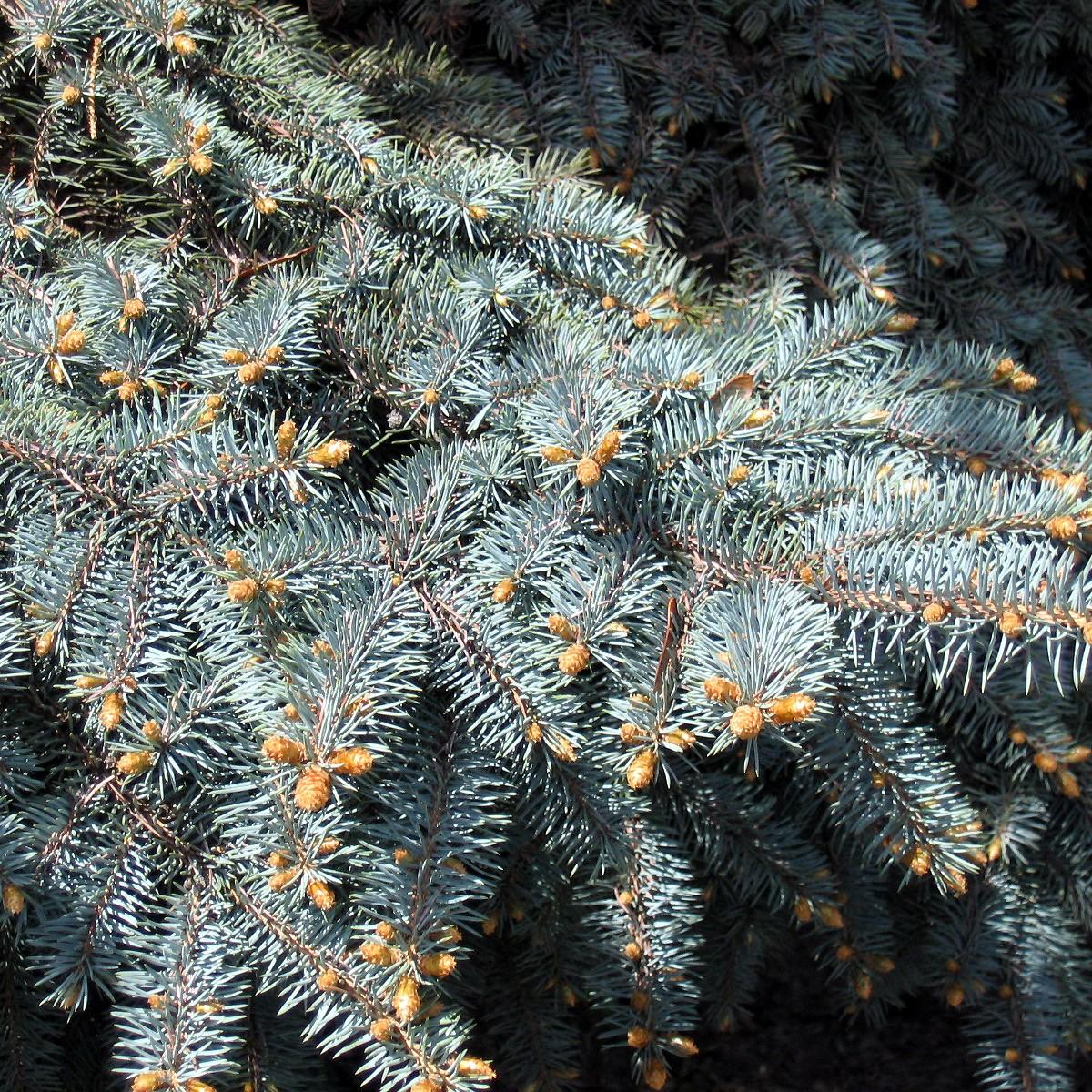
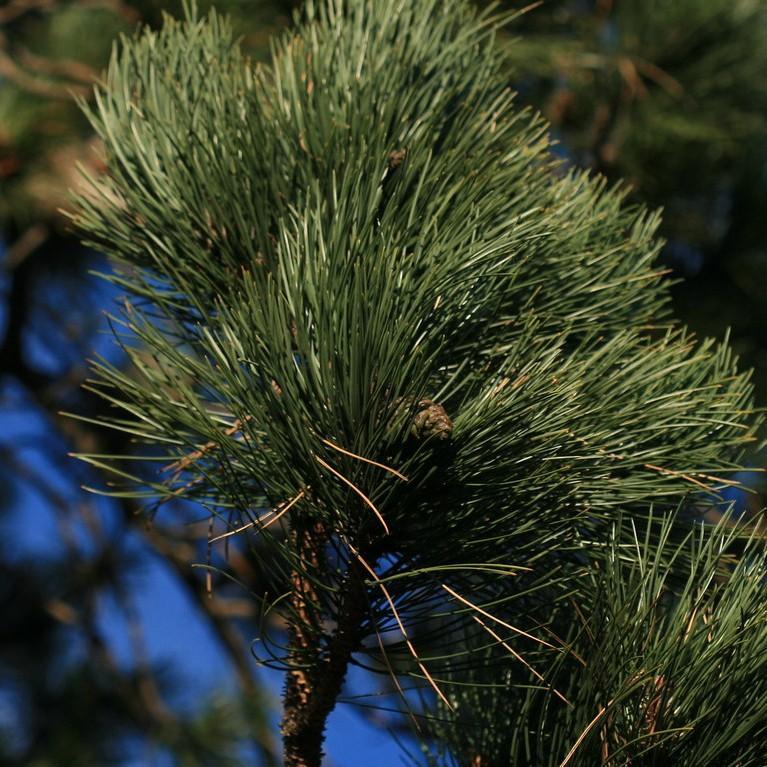
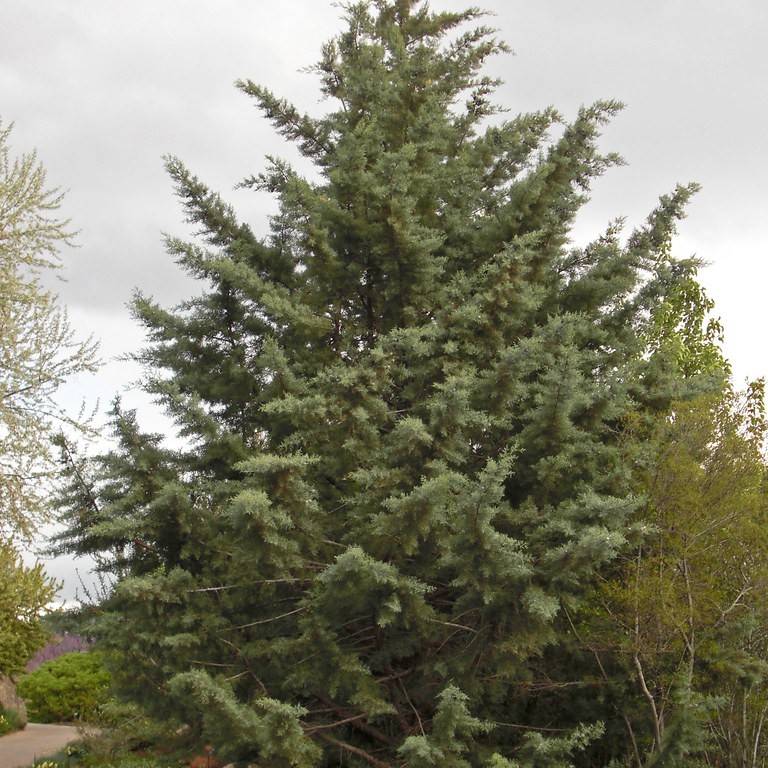
Arizona Cypress is a rugged, pyramidal evergreen conifer with scale-like, aromatic foliage that ranges from deep green to striking silvery-blue depending on the cultivar. It is highly adapted to arid, rocky landscapes, where it thrives in full sun and poor, well-drained soils that many other trees cannot tolerate. Mature specimens develop rough, furrowed reddish-brown bark that peels in strips, adding textural interest to xeriscapes and native plant gardens.
Care Guide
Watering
Established Arizona Cypress trees are extremely drought-tolerant, requiring only occasional deep watering during prolonged dry spells to maintain vigor. Newly planted specimens need regular, consistent moisture for the first 1-2 years to develop a robust root system, with watering reduced gradually as the tree acclimates. Avoid overwatering or planting in areas with standing water, as this can quickly lead to root rot and tree death.
Light
Arizona Cypress requires full, direct sun for at least 6 hours per day to grow vigorously and maintain its dense, symmetrical form. It will not tolerate partial or full shade, which causes sparse, leggy growth and increases susceptibility to fungal diseases. Plant in an open, unobstructed location with unfiltered sun exposure for best results.
Soil
This conifer adapts to a wide range of soil types, including sandy, loamy, rocky, and even clay soils, as long as they drain exceptionally well. It prefers a neutral to slightly alkaline soil pH, though it can tolerate mildly acidic conditions with no adverse effects. Heavy, compacted soils should be amended with coarse sand or gravel at planting time to improve drainage and prevent root rot.
Fertilizer
Arizona Cypress has low nutrient requirements and rarely needs supplemental fertilization, especially when planted in its native range. If growth is stunted or foliage appears pale, apply a balanced, slow-release evergreen fertilizer in early spring before new growth emerges. Avoid high-nitrogen fertilizers, which can promote excessive, weak new growth that is vulnerable to cold damage and pest infestations.
Temperature
This tree thrives in hot, dry climates, tolerating summer temperatures well above 100°F (38°C) and winter lows down to -10°F (-23°C) once established. Young specimens may require light winter protection in areas with frequent extreme cold or harsh, drying winds to prevent foliage burn. It is poorly adapted to humid, temperate climates, where high moisture levels increase disease risk.
Pruning
Pruning is rarely required for Arizona Cypress, as it naturally maintains a neat, pyramidal form as it matures. Light pruning can be done in late winter to remove dead, damaged, or diseased branches, or to shape the tree for use as a hedge or windbreak. Avoid heavy pruning into old, woody growth, as the tree does not readily produce new foliage from bare, mature wood.
Propagation
Arizona Cypress is most commonly propagated from seed, which requires cold stratification for 30-60 days to break dormancy before sowing in well-drained seed starting mix. Semi-hardwood cuttings taken in late summer or early fall can also be rooted with the use of rooting hormone, though success rates are lower than seed propagation. Grafting is sometimes used to propagate specific cultivars with unique foliage color or growth habits onto hardy rootstock.
Humidity
This conifer prefers low to moderate humidity levels, typical of its native arid and semi-arid habitats, and tolerates very dry air with no issues. High humidity, especially combined with warm temperatures, increases the risk of fungal diseases such as cypress canker and tip blight. In more humid regions, ensure the tree is planted in a location with excellent air circulation to reduce moisture buildup on foliage.
Repotting
Arizona Cypress is rarely grown as a container plant long-term due to its large mature size, though young specimens can be kept in pots for 2-3 years before being planted outdoors. Repot container-grown trees every 1-2 years in early spring, using a fast-draining cactus or succulent potting mix to prevent root rot. Once trees outgrow their containers, transplant them to a permanent outdoor location for best growth.
Uses & Symbolism
Arizona Cypress is widely planted as a windbreak, privacy screen, or specimen tree in arid and semi-arid regions, where its drought tolerance and low maintenance needs make it a popular alternative to water-intensive landscape trees. Its fragrant, decay-resistant wood is used for fence posts, crafting, and small construction projects, while its foliage is sometimes used in seasonal holiday wreaths and arrangements. It also provides valuable shelter and food for native birds and wildlife in its natural range.
Diseases & Pests
The most common disease affecting Arizona Cypress is cypress canker, a fungal infection that causes branch dieback, oozing cankers on the trunk, and eventual tree death, especially in humid climates or poorly drained sites. Tip blight, another fungal disease, causes browning and dieback of new growth, often triggered by excessive moisture on foliage. Common pests include cypress bark beetles, which attack stressed or weakened trees, and spider mites, which cause yellowing of foliage during hot, dry weather.
Related plants
Other plants you might like if you grow Arizona Cypress.