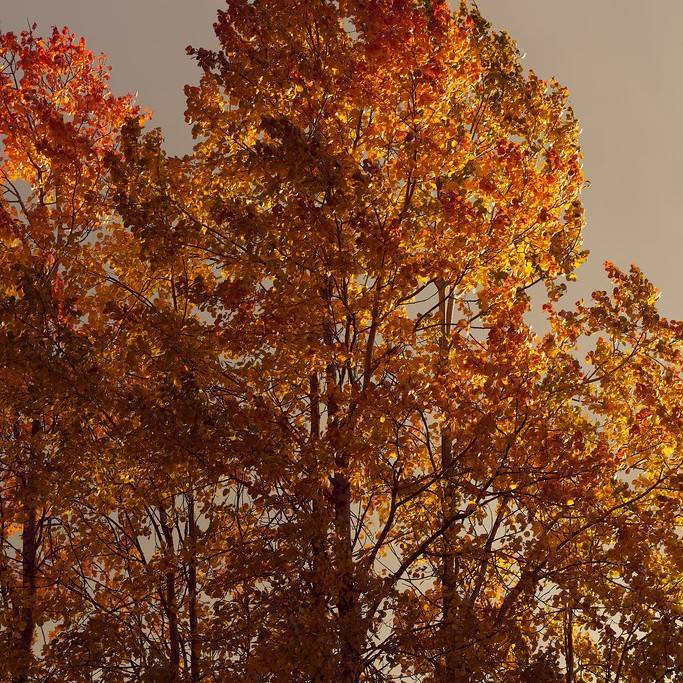
Aspen
Populus tremuloides
Overview
Quaking aspen, the most widely distributed tree native to North America, derives its common name from the way its flat-stalked leaves tremble in even the slightest breeze. It often grows in large, genetically identical clonal colonies connected by a shared underground root system, some of which are thousands of years old. Its smooth, creamy white to pale gray bark remains photosynthetic in younger years, allowing the tree to produce energy even when leaves are dormant in winter.
Care Guide
Watering
Aspen trees prefer consistent moisture, requiring regular watering during dry periods to prevent stress, especially in the first 3-5 years after planting while their root system establishes. Mature trees have moderate drought tolerance but benefit from deep, infrequent watering during prolonged dry spells to support healthy foliage and root growth. Avoid overwatering or planting in waterlogged sites, as this can lead to root rot and fungal diseases.
Light
Aspen thrives in full sun, requiring a minimum of 6 hours of direct, unfiltered sunlight daily to support robust growth and vibrant fall foliage. It is highly shade-intolerant, and saplings will struggle or die if grown under the canopy of larger, taller trees. Plant in open, unobstructed locations to ensure it receives adequate light throughout the growing season.
Soil
Aspen adapts to a wide range of soil types, including sandy, loam, and rocky substrates, but performs best in well-draining, moist, fertile soils with a slightly acidic to neutral pH between 5.5 and 7.5. It can tolerate poor, nutrient-deficient soils and even occasional flooding, but will not survive long in consistently saturated, heavy clay soils with poor drainage. Amending planting sites with organic matter such as compost can improve soil structure and nutrient availability for young trees.
Fertilizer
Young aspen trees benefit from an annual application of balanced, slow-release 10-10-10 fertilizer in early spring before new growth emerges to support healthy foliage and root development. Mature aspen trees typically do not require regular fertilization, as they can access sufficient nutrients from the surrounding soil and their extensive root network. Avoid over-fertilizing, as this can lead to excessive, weak new growth that is more susceptible to pest infestations and winter damage.
Temperature
Aspen is extremely cold-hardy, thriving in USDA hardiness zones 1 through 7, and can withstand winter temperatures as low as -60°F (-51°C). It prefers cool summer climates, and may struggle in regions with prolonged, extreme heat above 90°F (32°C), which can cause leaf scorch and increased stress. Young trees may benefit from a layer of mulch around their base in winter to insulate roots and prevent frost heave in colder regions.
Pruning
Prune aspen trees during late winter or early spring while they are dormant to minimize sap loss and reduce the risk of disease transmission through open cuts. Remove dead, damaged, or diseased branches as needed, and thin out crowded growth to improve air circulation through the canopy, which reduces the risk of fungal infections. Avoid heavy pruning, as aspen produces abundant suckers from its root system in response to stress, which can lead to unwanted spread of the tree.
Propagation
Aspen is most commonly propagated through root cuttings or by transplanting naturally occurring suckers that sprout from the tree’s extensive underground root system in spring or early fall. To propagate from suckers, dig up a young sucker with a portion of its attached root, replant it in moist, well-draining soil, and keep it consistently watered until it establishes new growth. While aspen can be grown from seed, seeds have a very short viability period and require specific cold stratification and constant moisture conditions to germinate, making this method less common for home cultivation.
Humidity
Aspen tolerates a wide range of humidity levels, adapting well to the dry continental climates of its native range as well as more humid temperate regions. It does not require supplemental humidity, though prolonged periods of very low humidity combined with high heat may cause leaf edges to brown and curl. Ensure adequate air circulation around the tree to prevent fungal issues in more humid environments.
Repotting
Aspen is a large, fast-growing tree that is not suitable for long-term container growth, as its extensive root system will quickly outgrow even the largest pots. Young saplings may be kept in containers for 1-2 years before transplanting to a permanent outdoor location, using a large, deep pot with ample drainage holes and well-draining potting mix. When transplanting to the landscape, dig a hole twice as wide as the root ball, plant at the same depth it was growing in the container, and water thoroughly to eliminate air pockets around the roots.
Uses & Symbolism
Aspen is widely planted as an ornamental landscape tree for its attractive pale bark, delicate summer foliage, and bright golden-yellow fall color, often used in windbreaks, reforestation projects, and naturalized areas. Its lightweight, soft wood is commercially harvested for use in making paper, particleboard, matches, and interior furniture components, while its bark and leaves have historically been used by Indigenous communities for medicinal purposes and craft materials. It also provides critical habitat and food for a wide range of wildlife, including deer, elk, moose, beavers, and numerous bird species.
Diseases & Pests
Aspen is susceptible to a range of fungal diseases, including aspen leaf spot, cytospora canker, and armillaria root rot, which can cause leaf drop, bark discoloration, and gradual dieback of branches or entire trees. Common pests include aphids, aspen borers, tent caterpillars, and leaf miners, which can defoliate trees and weaken their overall health, especially if infestations are repeated over multiple years. Stress from drought, poor planting sites, or air pollution can increase aspen’s vulnerability to both pests and diseases, leading to higher mortality rates in urban or disturbed environments.
Related plants
Other plants you might like if you grow Aspen.