Lemon Mint
Monarda citriodora
Overview
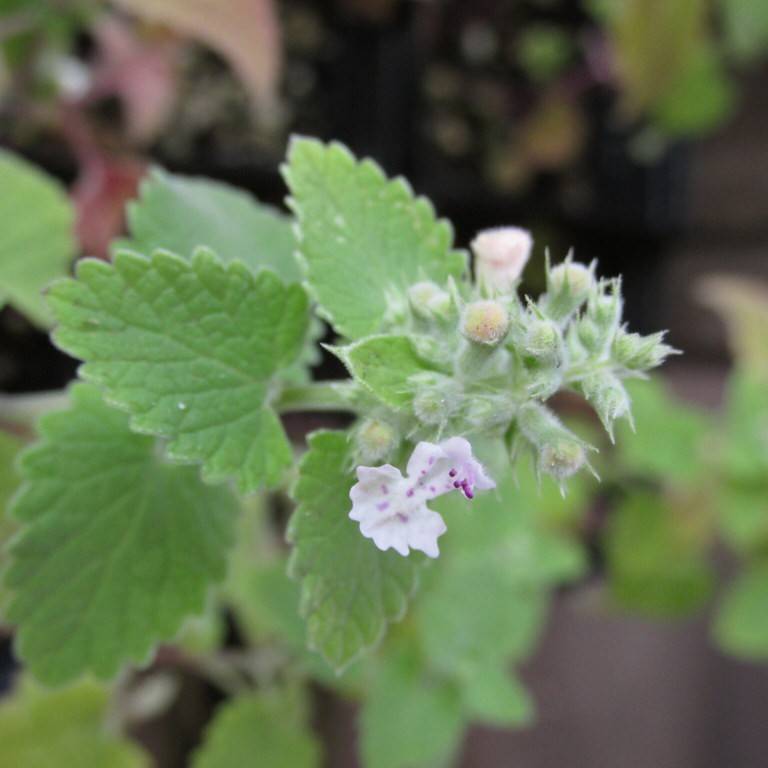
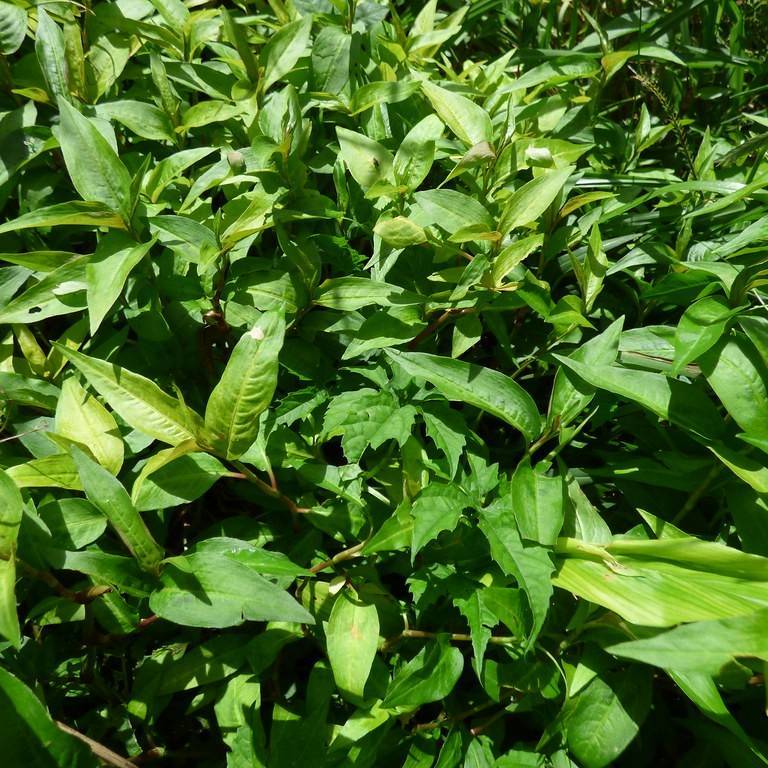
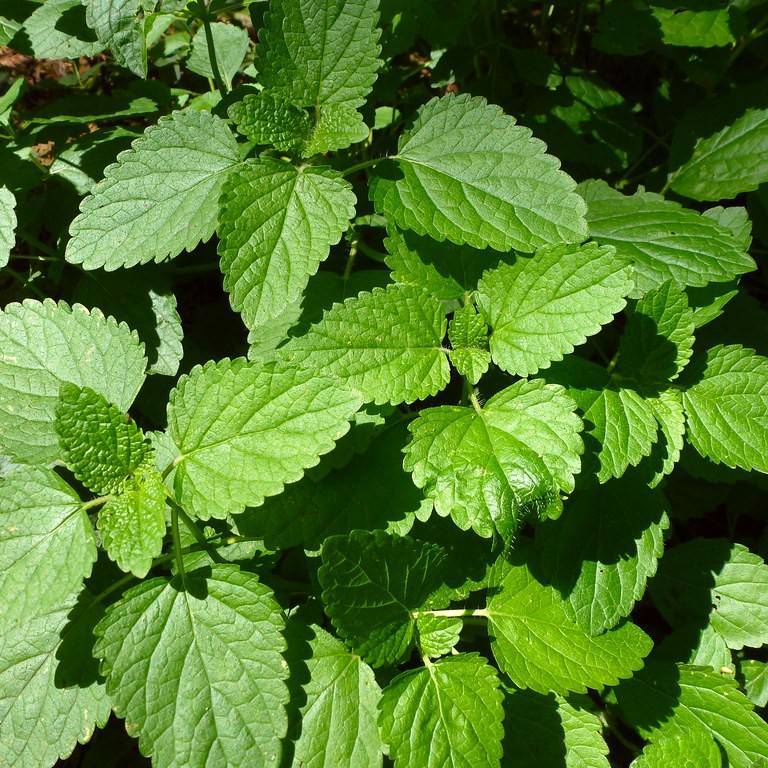
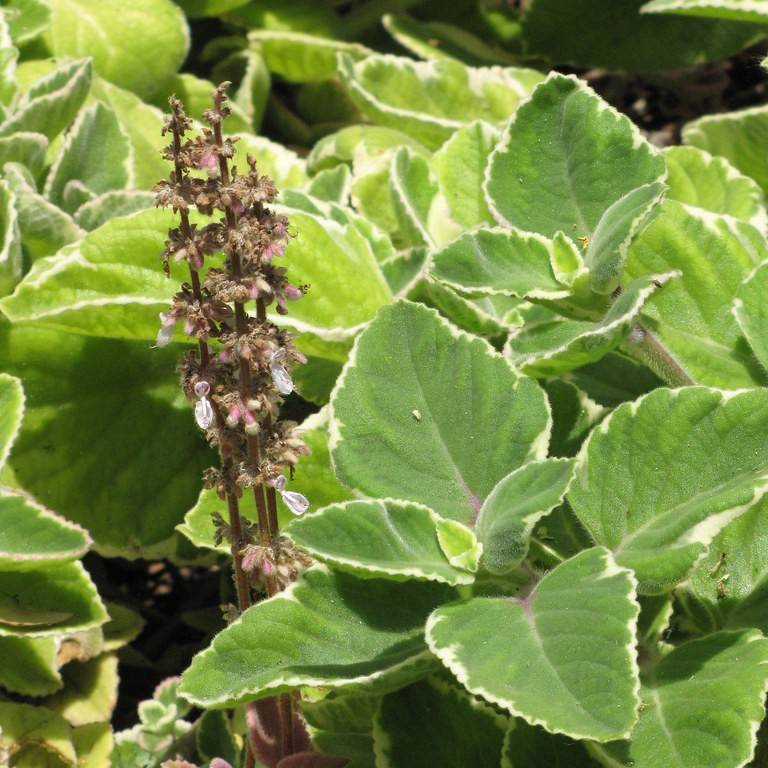
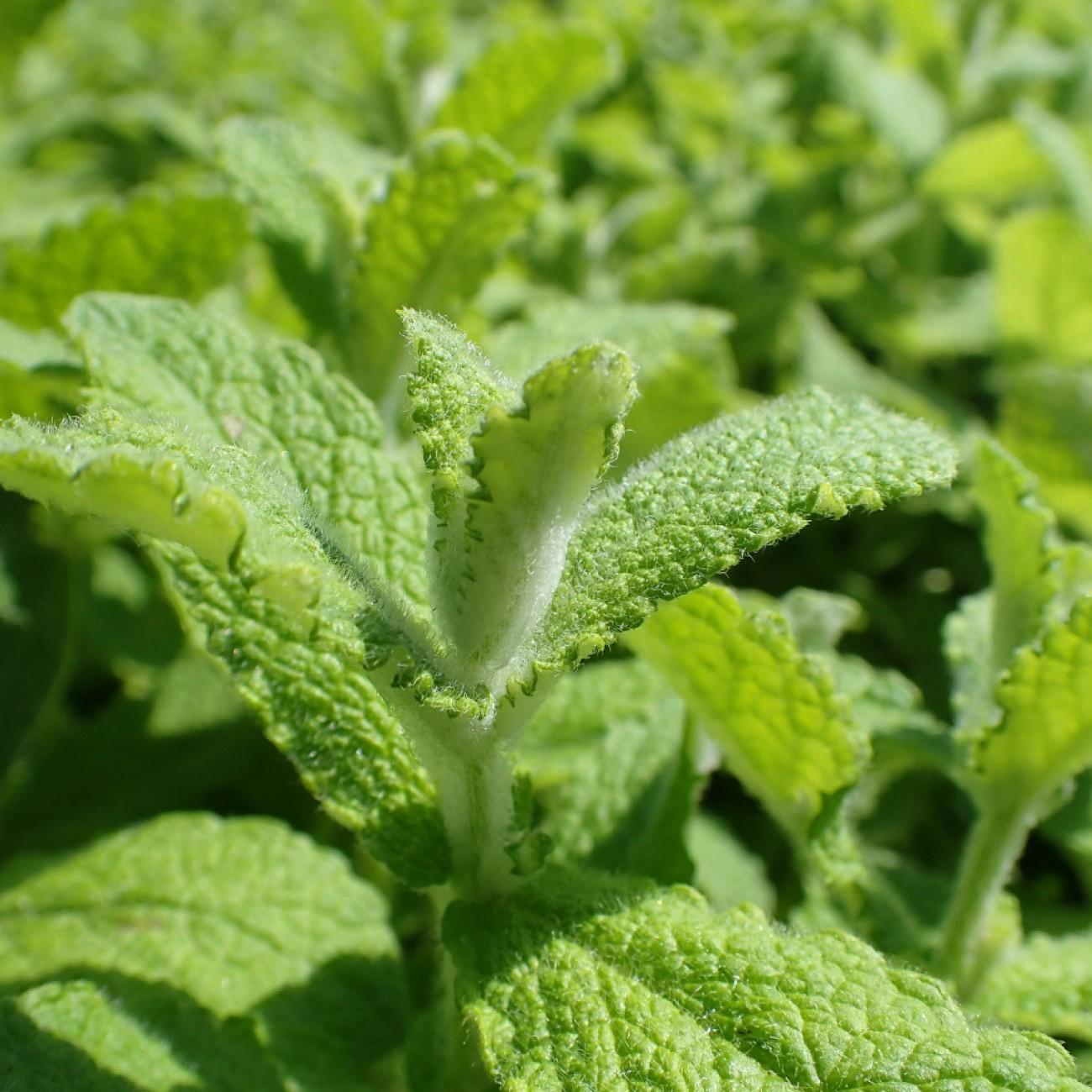
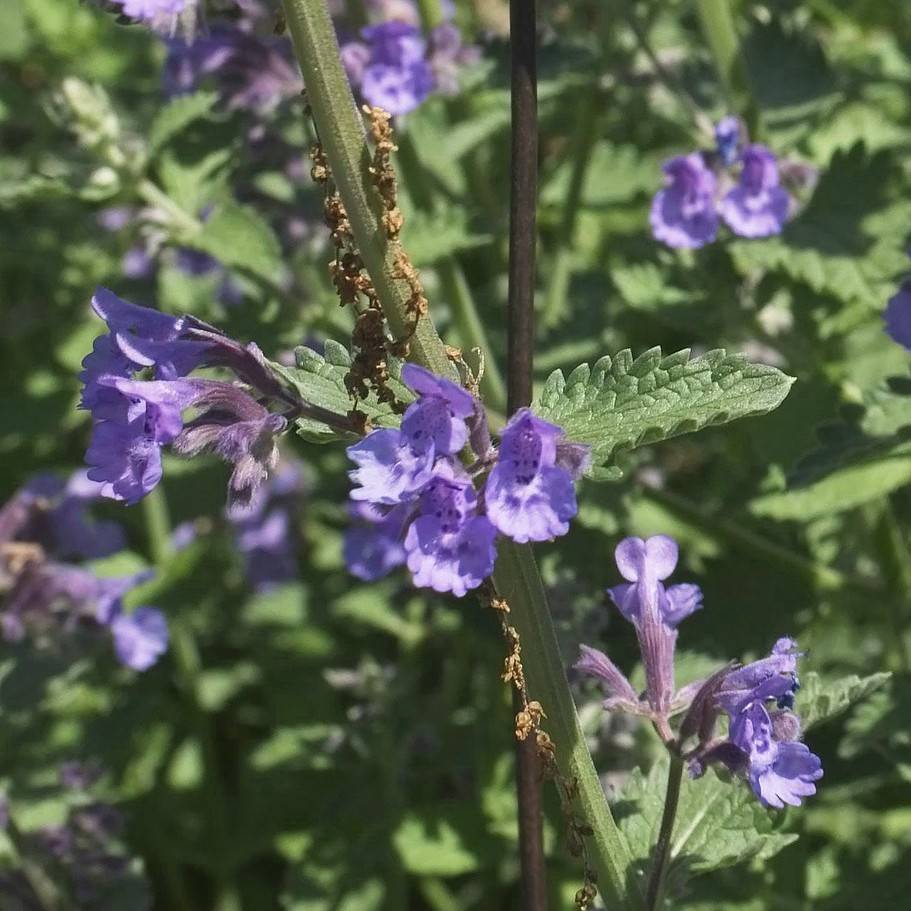
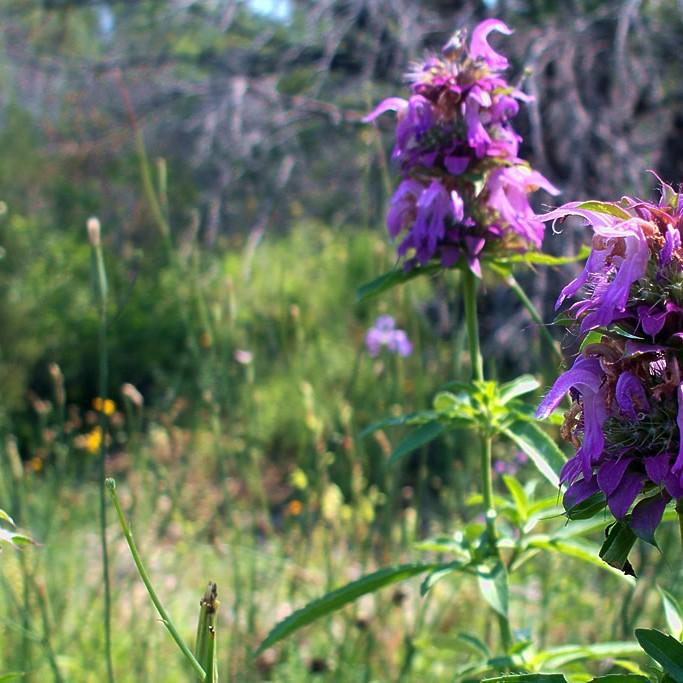
Lemon mint, also called lemon beebalm, is a fast-growing herb prized for its bright citrus aroma, which comes from essential oils in its serrated, lance-shaped leaves. It produces dense, stacked whorls of pale lavender to pink tubular flowers from late spring to mid-summer, which are highly attractive to bees, butterflies, and hummingbirds. Native to prairies and open meadows of the southern U.S. and Mexico, it adapts well to a wide range of growing conditions and self-seeds readily in suitable climates.
Care Guide
Watering
Water lemon mint regularly to keep the soil consistently moist but not waterlogged, especially during hot, dry periods. Allow the top 1 inch of soil to dry out slightly between waterings to prevent root rot, and reduce watering frequency during periods of cool, wet weather. Avoid overhead watering if possible to lower the risk of foliar fungal diseases.
Light
Grow lemon mint in full sun for the strongest fragrance and most abundant flowering; it tolerates light partial shade, but may become leggy and produce fewer blooms in low light. Indoor plants require a bright, south-facing window or supplemental grow lights to receive at least 6 hours of direct light daily.
Soil
Lemon mint thrives in well-draining, loamy or sandy soil with a neutral to slightly alkaline pH between 6.0 and 7.5. It tolerates poor, rocky soils as long as drainage is adequate, and will struggle in heavy, compacted clay soils that hold standing water. Amending heavy soil with compost or coarse sand before planting will improve drainage and support healthy root growth.
Fertilizer
Lemon mint is a light feeder and rarely requires heavy fertilization; a single application of balanced, all-purpose granular fertilizer in early spring is sufficient for outdoor plants. Indoor potted plants can be fed once a month during the growing season with a diluted liquid fertilizer at half the recommended strength. Avoid over-fertilizing, as this can lead to excessive leaf growth at the expense of flavor and fragrance.
Temperature
Lemon mint grows best in temperatures between 65-85°F (18-29°C), and can tolerate brief dips down to 30°F (-1°C) before sustaining damage. As an annual, it will die back after flowering and the first hard frost, so it is typically replanted each year in regions with cold winters. Indoor plants should be kept away from cold drafts from windows or air conditioning units.
Pruning
Pinch back the top 1-2 inches of stem tips regularly during the early growing season to encourage bushier, more compact growth and prevent legginess. Deadhead spent flower blooms as they fade to extend the flowering period and prevent unwanted self-seeding, if desired. Harvest leaves as needed throughout the growing season, cutting stems just above a set of leaf nodes to promote new growth.
Propagation
Lemon mint is most commonly propagated from seed, which can be sown directly outdoors after the last frost date or started indoors 6-8 weeks before the last expected frost. Seeds require light to germinate, so they should be pressed lightly into the soil surface rather than buried, and will sprout in 10-20 days at temperatures between 60-70°F (15-21°C). It can also be propagated from stem cuttings taken in late spring, which root readily in moist potting mix or water.
Humidity
Lemon mint adapts well to average ambient humidity levels between 40-60%, which is typical of most outdoor and indoor environments. It does not require extra humidity in most cases, though indoor plants may benefit from occasional misting during periods of extremely dry, heated indoor air in winter. Avoid excessively high humidity around the plant, as this can increase the risk of fungal leaf spot diseases.
Repotting
Potted lemon mint plants should be repotted once every 1-2 years, or when roots begin to grow out of the drainage holes at the bottom of the pot. Choose a pot that is 1-2 inches larger in diameter than the current container, with ample drainage holes, and use a well-draining all-purpose potting mix. Since it is an annual, many growers opt to replant new lemon mint plants each spring rather than repotting established specimens.
Uses & Symbolism
Lemon mint leaves are commonly used fresh or dried to make herbal teas, flavor salads, desserts, cocktails, and savory dishes, offering a bright, mild lemon flavor with subtle minty undertones. It is a popular addition to pollinator gardens, butterfly gardens, and native wildflower meadows, as its nectar-rich blooms support a wide range of beneficial insects. It also has a history of use in traditional herbal medicine for soothing minor digestive upset and as a fragrant ingredient in homemade potpourris and natural insect repellents.
Diseases & Pests
Lemon mint is relatively pest-resistant, but may occasionally be affected by common mint pests including aphids, spider mites, and whiteflies, which can be controlled with insecticidal soap or neem oil sprays. Fungal diseases such as powdery mildew and leaf spot can occur in conditions of high humidity, poor air circulation, or excessive overhead watering. Ensuring adequate spacing between plants, watering at the base, and removing affected foliage promptly will help prevent and manage most fungal issues.
Related plants
Other plants you might like if you grow Lemon Mint.