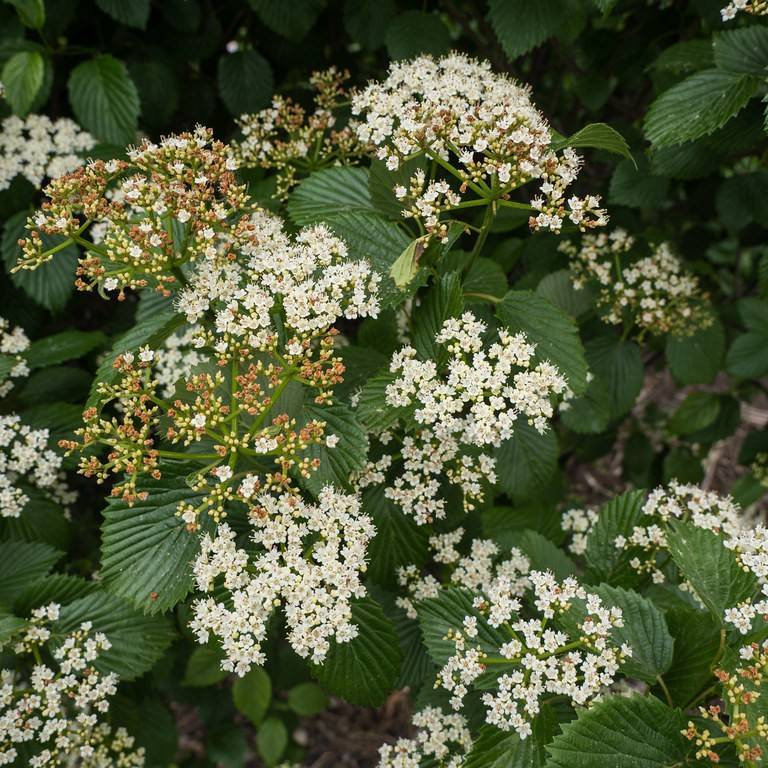
Arrowwood Viburnum
Viburnum dentatum
Overview
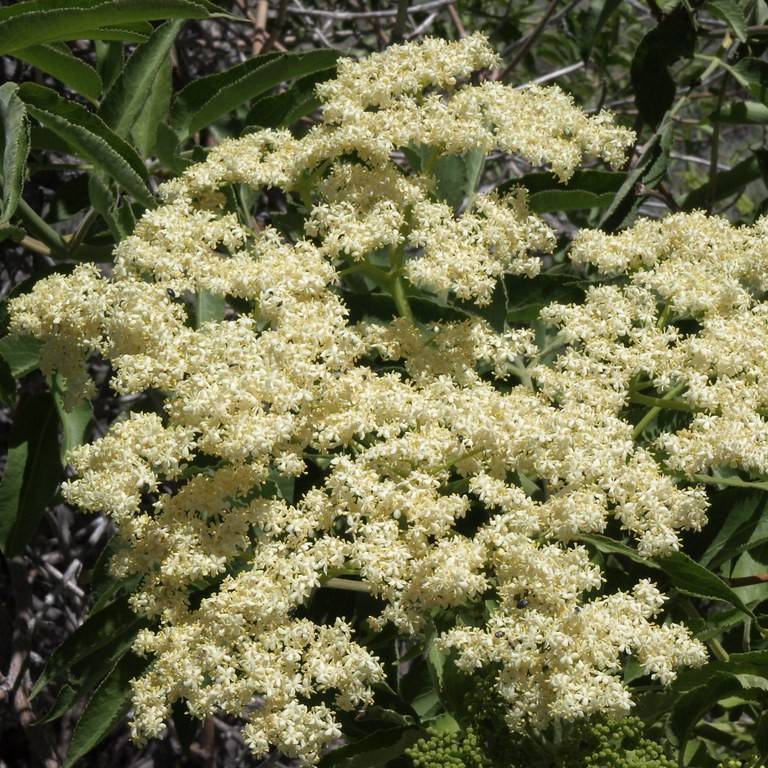
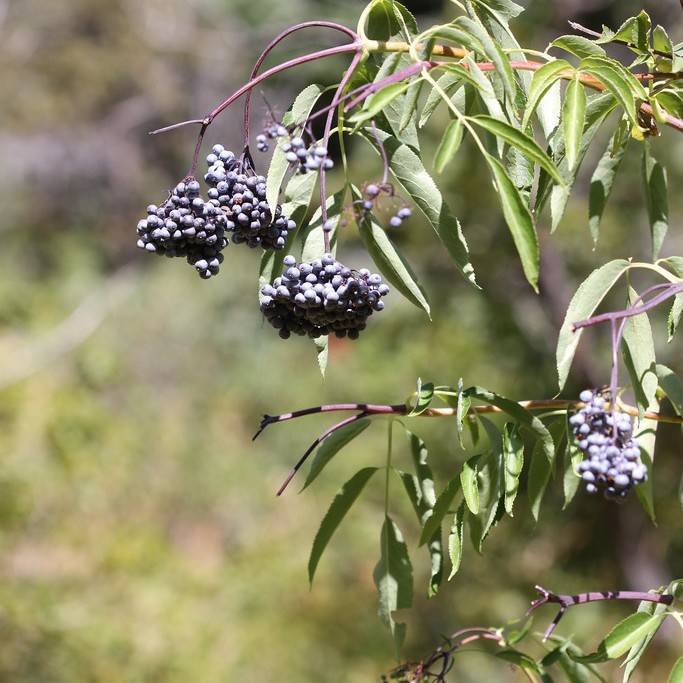
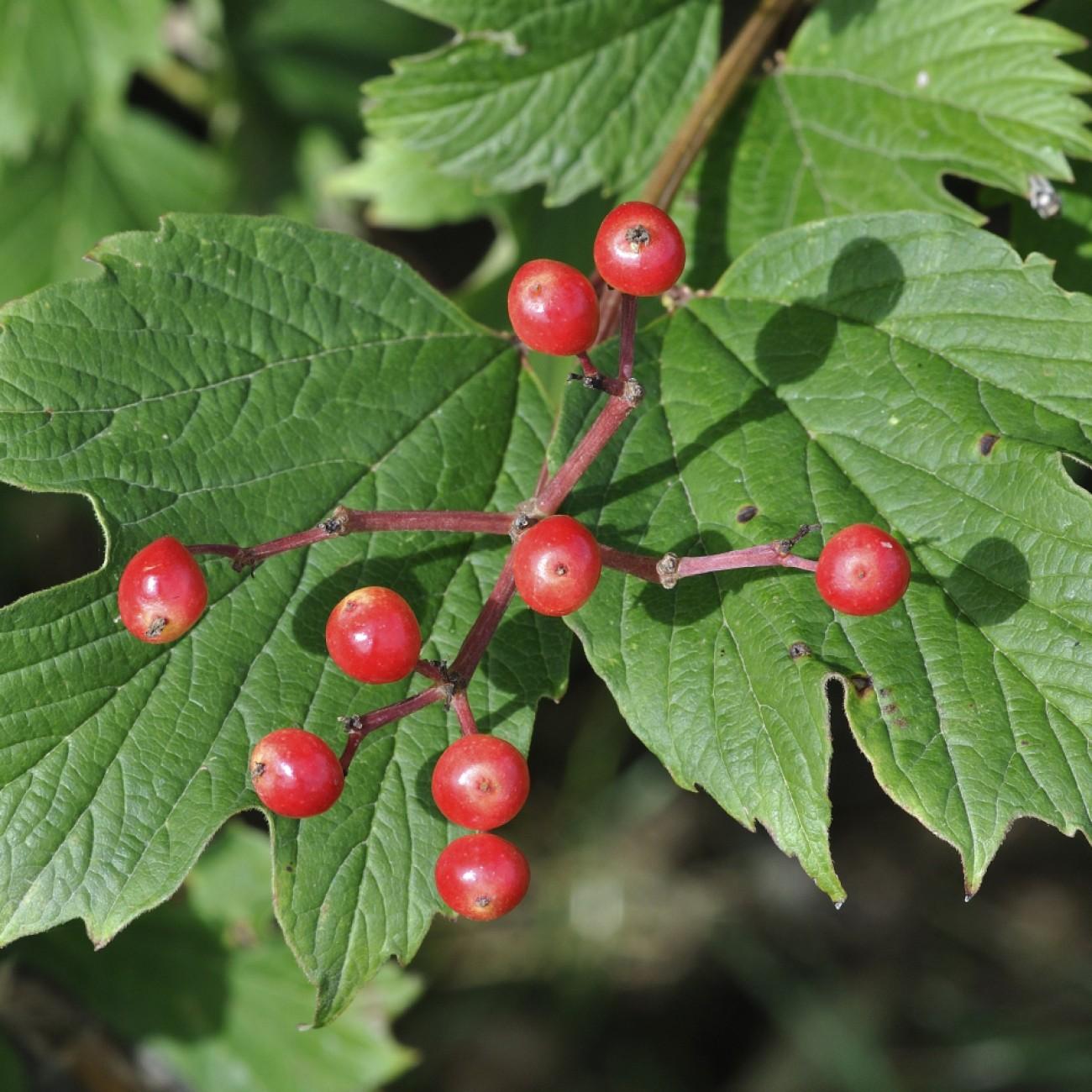
Arrowwood viburnum is a versatile, clump-forming deciduous shrub named for its straight, flexible stems historically used by Indigenous peoples to craft arrow shafts. It produces flat clusters of tiny, fragrant creamy-white flowers in late spring, followed by abundant clusters of glossy blue-black drupes that ripen in early fall. Its oval, toothed dark green leaves shift to vibrant shades of yellow, orange, and red in autumn, making it a popular seasonal landscape focal point.
Care Guide
Watering
Water newly planted arrowwood viburnum deeply once or twice weekly for the first growing season to establish a robust root system, keeping soil consistently moist but not waterlogged. Mature plants are moderately drought-tolerant, requiring supplemental water only during extended periods of high heat or less than 1 inch of weekly rainfall. Avoid overwatering, as soggy soil can lead to root rot.
Light
Thrives in full sun to partial shade, with at least 4 hours of direct sunlight daily to encourage abundant flowering and berry production. Plants grown in deeper shade will have sparser blooms, looser growth habit, and reduced fall foliage color intensity. In regions with extremely hot summer sun, light afternoon shade prevents leaf scorch.
Soil
Adaptable to a wide range of soil types, including sandy, loam, clay, and alkaline or acidic substrates, as long as drainage is good. It prefers moderately fertile, moist soil with a pH between 5.5 and 7.5 for optimal growth. Amend heavy clay soils with compost before planting to improve drainage and reduce compaction.
Fertilizer
Apply a balanced, slow-release granular fertilizer formulated for woody shrubs in early spring, before new growth emerges, to support healthy foliage, flowering, and berry development. Avoid high-nitrogen fertilizers, which can promote excessive leaf growth at the expense of blooms and berries. Mature plants growing in fertile soil may only need fertilization every 2 to 3 years.
Temperature
Hardy in USDA zones 3 through 8, tolerating winter temperatures as low as -40°F (-40°C) without significant damage. It adapts well to both cool northern and warm southern climates, though extreme summer heat above 95°F (35°C) may cause temporary leaf wilting if soil moisture is low. Sudden late spring frosts can damage emerging flower buds, but plants typically recover quickly.
Pruning
Prune immediately after flowering finishes in late spring or early summer, as flower buds form on the previous year’s growth; pruning in fall or winter will remove next season’s blooms. Remove dead, damaged, or crossing stems annually to improve air circulation and maintain a natural, rounded shape. Older overgrown shrubs can be rejuvenated by cutting up to one-third of the oldest stems back to ground level every 2 to 3 years.
Propagation
Most commonly propagated from softwood cuttings taken in early summer, when new growth is semi-mature; dip cut ends in rooting hormone and place in a moist, well-draining rooting medium under high humidity for 4 to 6 weeks until roots form. It can also be grown from seed, though seeds require 2 to 3 months of cold stratification to break dormancy and may take 2 to 3 years to produce flowering plants. Suckers that form at the base of mature shrubs can be dug up and transplanted in early spring for easy vegetative propagation.
Humidity
Tolerates a wide range of humidity levels, from the dry air of northern inland regions to the high humidity of the southeastern United States. Average ambient humidity between 40% and 70% is ideal for healthy growth, though plants will adapt to lower or higher levels as long as soil moisture needs are met. Good air circulation around the foliage reduces the risk of fungal diseases in high-humidity environments.
Repotting
Arrowwood viburnum is primarily grown in landscape settings rather than containers, so repotting is rarely required. If grown in a large pot for patio use, repot every 2 to 3 years in early spring before new growth emerges, moving to a container 2 to 3 inches larger in diameter with fresh, well-draining potting mix. Root-bound container plants should have outer roots gently loosened before repotting to encourage outward growth.
Uses & Symbolism
Widely planted in native landscapes, hedgerows, and rain gardens for its wildlife value, as its berries are a critical food source for songbirds, game birds, and small mammals, while its flowers support native bees and butterflies. Its dense, multi-stemmed growth habit makes it an effective privacy screen, windbreak, or erosion control plant for sloped sites. It is also a popular ornamental shrub for seasonal interest, valued for its spring blooms, summer foliage, and vibrant fall color.
Diseases & Pests
Arrowwood viburnum is relatively pest and disease resistant, but may be susceptible to aphids, spider mites, and scale insects, which can be controlled with horticultural oil or insecticidal soap if infestations are severe. Fungal diseases including powdery mildew, leaf spot, and root rot can occur in poorly drained soil or overly shaded, high-humidity conditions with poor air circulation. The viburnum leaf beetle is a significant emerging pest in some regions; larvae and adults feed on foliage, and severe infestations can defoliate and kill shrubs if left untreated.
Related plants
Other plants you might like if you grow Arrowwood Viburnum.