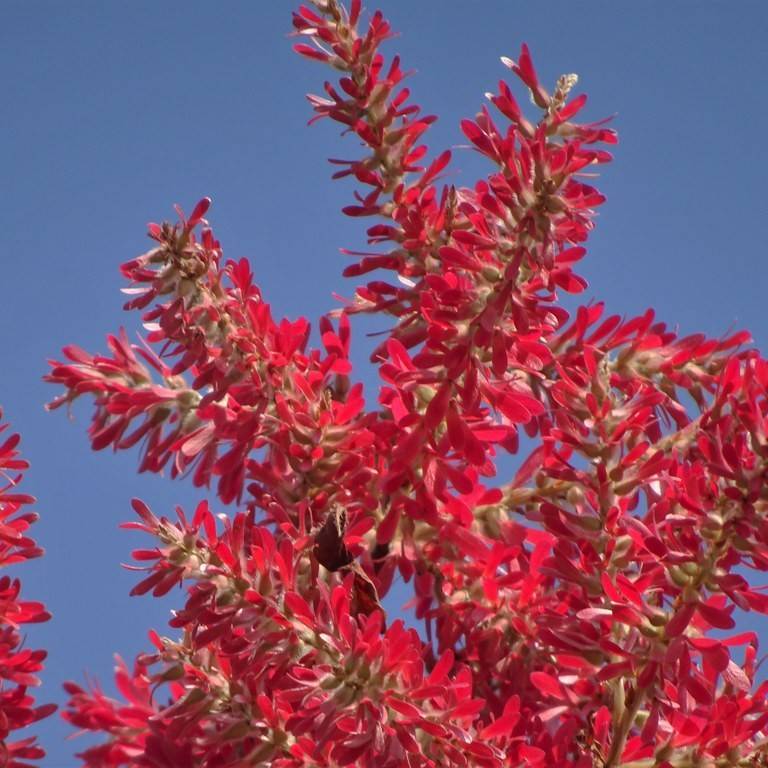
Ant Tree
Triplaris americana
Overview
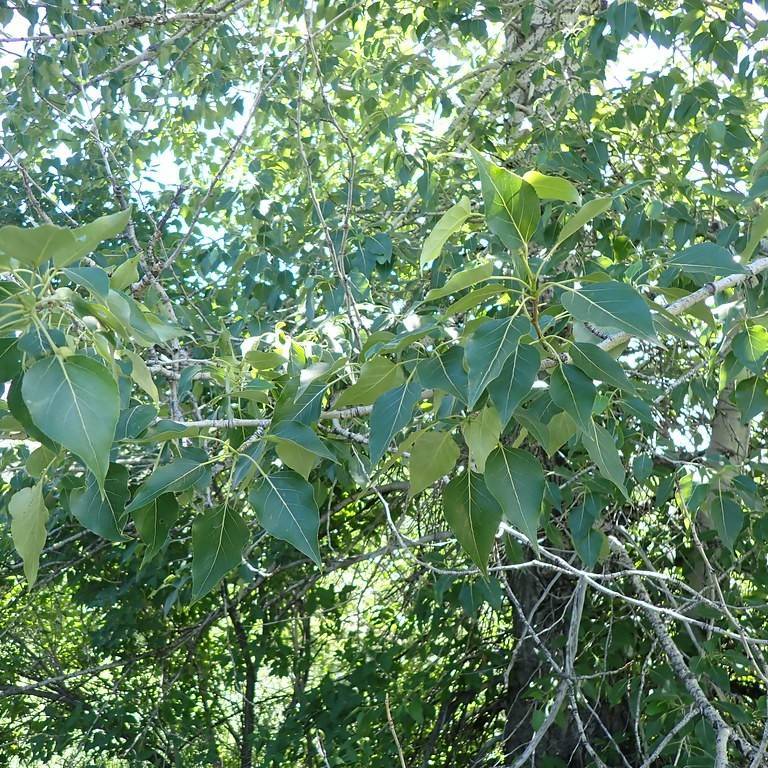
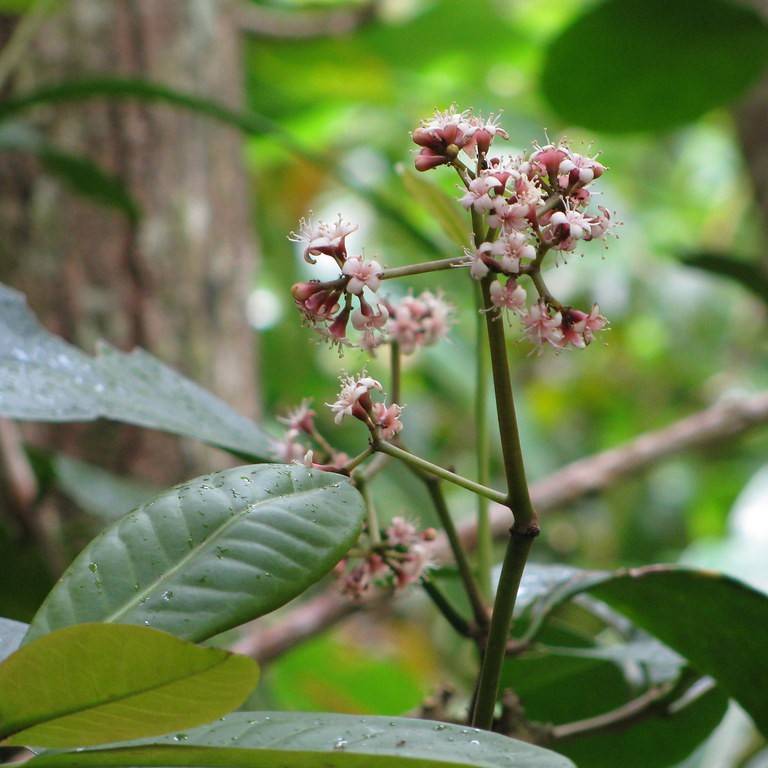
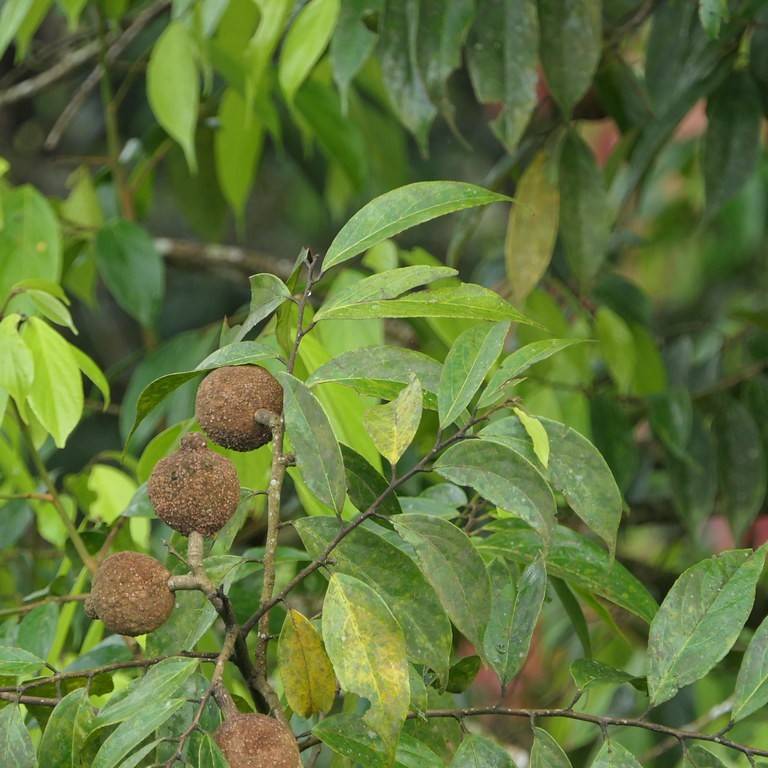
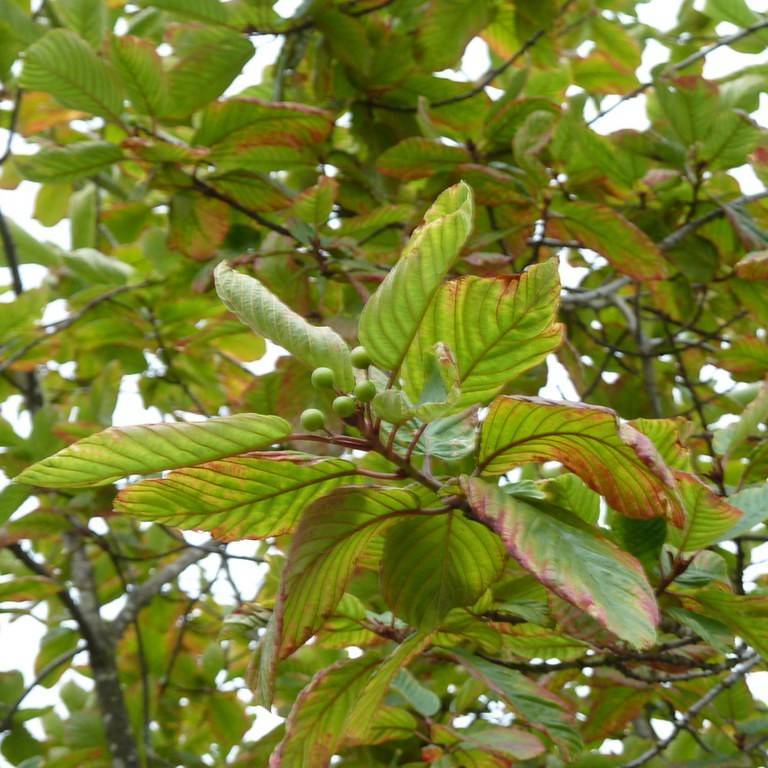
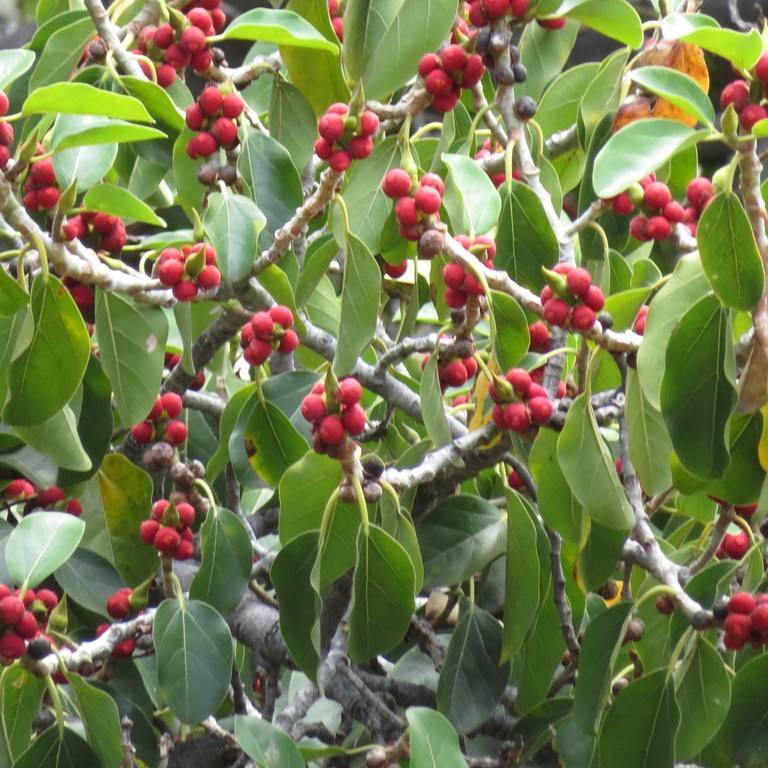
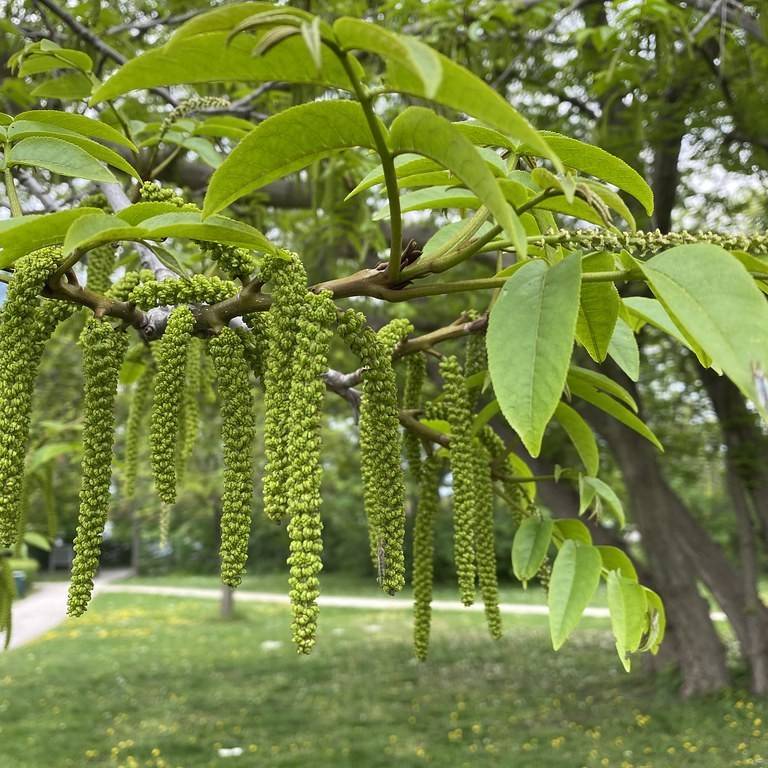
The ant tree is a distinctive, fast-growing tropical species recognized for its slender, often multiple trunks, large ovate green leaves, and clusters of small, feathery pink or red flowers that bloom on female plants. Its signature hollow, segmented stems provide specialized nesting chambers for Pseudomyrmex ants, which defend the tree from herbivores and competing vegetation in exchange for shelter and sugary exudates from the tree’s foliage. It is sometimes planted as a fast-growing shade tree in tropical regions, though its aggressive ant inhabitants limit close human interaction in unmanaged settings.
Care Guide
Watering
Ant trees prefer consistently moist, well-drained soil, especially during active growth periods in the warm season; water deeply when the top 2-3 inches of soil feel dry to the touch, avoiding prolonged waterlogging that can cause root rot. Reduce watering frequency in cooler, drier months, allowing the soil to dry slightly more between sessions to prevent over-saturation of dormant root systems. Container-grown specimens may require more frequent watering than those planted in the ground, as their root systems have limited access to moisture reserves.
Light
This species thrives in full, direct sunlight for a minimum of 6 hours per day, which supports its fast growth rate and robust stem development. It can tolerate partial shade, though growth will be slower, stems may become leggy, and flowering will be reduced on mature female plants. Young saplings should be gradually acclimated to full sun if started in shaded nursery conditions to prevent leaf scorch during the transition.
Soil
Ant trees adapt to a wide range of well-drained soil types, including sandy loam, clay loam, and moderately fertile tropical soils, with a preferred pH range between 5.5 and 7.0. They do not tolerate heavy, waterlogged soil that remains saturated for extended periods, as this increases the risk of root rot and stem collapse. For container cultivation, use a loose, well-aerated potting mix amended with perlite or coarse sand to improve drainage and mimic its native growing substrate.
Fertilizer
Feed actively growing ant trees once every 4-6 weeks during the spring and summer growing season with a balanced, all-purpose granular or liquid fertilizer diluted to half the recommended strength to support rapid foliage and stem growth. Avoid over-fertilizing, especially with high-nitrogen formulas, as this can lead to excessive soft, weak stem growth that is more vulnerable to wind damage and pest infestations. Suspend fertilization entirely during the fall and winter months when growth slows, to prevent root burn from unused nutrients accumulating in the soil.
Temperature
As a tropical species, the ant tree requires warm temperatures between 65-85°F (18-29°C) for optimal growth, and cannot tolerate frost or sustained temperatures below 50°F (10°C), which will cause leaf drop and may kill younger specimens. In regions with occasional cold snaps, outdoor specimens should be planted in a sheltered location and covered with frost cloth if temperatures dip near freezing, while container-grown trees should be moved indoors to a warm, sunny spot during the winter. High heat up to 100°F (38°C) is tolerated well if the tree has access to sufficient moisture and is not exposed to prolonged, desiccating winds.
Pruning
Prune ant trees in late winter or early spring before new growth emerges to remove dead, damaged, or crossing branches, and to shape the canopy to your desired size and form. Wear thick protective gloves during pruning, as wild or unmanaged specimens may host aggressive stinging ants in their hollow stems; cultivated specimens without ant colonies present less risk, but care is still recommended to avoid injury from sharp, brittle branches. Avoid heavy pruning that removes more than 25% of the canopy in a single season, as this can stress the tree and slow its growth for the following year.
Propagation
Ant trees are most commonly propagated from fresh seeds, which should be sown in warm, moist, well-drained seed starting mix within a few weeks of harvesting for the highest germination rate, typically occurring within 2-4 weeks in temperatures above 70°F (21°C). Stem cuttings can also be taken from semi-hardwood growth in late spring, dipped in rooting hormone, and planted in a moist, sterile propagation medium under high humidity, though success rates are generally lower than seed propagation. Seeds and cuttings should be kept in a warm, brightly lit location out of direct midday sun until they develop established root systems, at which point they can be transplanted to larger containers or outdoor growing sites.
Humidity
This tropical species prefers moderate to high humidity levels between 60-80%, which mimics the moist, humid conditions of its native rainforest and riparian habitat. In drier climates or indoor growing environments, regular misting of the foliage, placement of a humidity tray near the base of the plant, or use of a room humidifier can help maintain adequate moisture levels to prevent leaf browning and crisping. It can tolerate average household humidity levels down to 40% for short periods, though prolonged exposure to dry air will slow growth and may cause lower leaves to drop prematurely.
Repotting
Container-grown ant trees should be repotted every 1-2 years in early spring, before the start of the active growing season, when roots begin to emerge from the drainage holes at the bottom of the pot. Choose a new pot that is 2-3 inches larger in diameter than the current one, with ample drainage holes to prevent waterlogging, and use a loose, well-drained potting mix amended with organic matter to support healthy root growth. After repotting, water the tree thoroughly and place it in a partially shaded location for 1-2 weeks to allow it to acclimate to its new container before moving it back to full sun.
Uses & Symbolism
In its native range, the ant tree is occasionally planted as a fast-growing shade tree and for erosion control in riparian zones, as its extensive root system helps stabilize soil along riverbanks. The lightweight, soft wood is sometimes used for making paper, packing materials, and low-strength construction components, while extracts from its bark and leaves have been used in traditional folk medicine to treat inflammation and minor wounds. It is also a popular species for ecological research, as its specialized symbiosis with Pseudomyrmex ants is a widely studied example of mutualism in tropical ecosystems.
Diseases & Pests
Ant trees are relatively resistant to most pests and diseases when grown in their preferred conditions, though they may be susceptible to root rot if planted in poorly drained soil or overwatered, which presents as yellowing leaves, wilting, and soft, discolored stems. Scale insects and aphids may occasionally infest the foliage, feeding on sap and excreting honeydew that can lead to sooty mold growth; these can be treated with horticultural oil or insecticidal soap, and are often controlled naturally by the tree’s symbiotic ant colonies in wild settings. Young saplings may be targeted by leaf-eating caterpillars and beetles, though mature trees with established ant colonies are rarely significantly damaged by herbivores, as the aggressive ants will attack and repel most feeding pests.
Guides that mention Ant Tree
Related plants
Other plants you might like if you grow Ant Tree.