American Ginseng
Panax quinquefolius
Overview
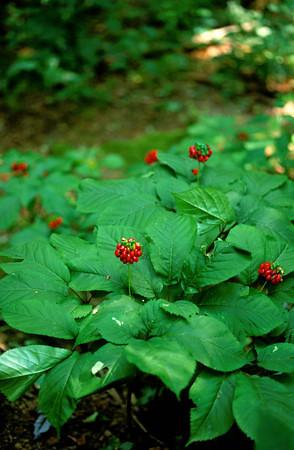
American ginseng is a shade-loving understory plant recognizable by its whorl of palmately compound leaves and clusters of small red berries that ripen in late summer. It has been harvested for centuries for its reputed adaptogenic and medicinal properties, leading to overharvesting and protected status in many regions. Wild populations are now classified as vulnerable by the IUCN, with cultivated varieties widely grown to meet commercial demand.
Care Guide
Watering
Keep soil consistently moist but never waterlogged, as soggy conditions quickly cause root rot in this sensitive woodland species. Water deeply during dry spells, ensuring 1 to 2 inches of moisture weekly, and avoid overhead watering to reduce foliar disease risk. During winter dormancy, reduce watering significantly to only prevent the soil from drying out completely.
Light
Requires full to partial shade, mimicking its native understory habitat where it receives dappled sunlight filtered through tree canopies. Avoid direct midday sun, which will scorch leaves and stunt growth; 70 to 80 percent shade coverage is ideal for healthy development. If grown indoors, place in a north-facing window or use a shade cloth to filter bright light.
Soil
Thrives in rich, loamy, well-drained soil with high organic matter content, similar to the humus layer of deciduous forest floors. A pH between 5.5 and 6.5 is optimal, as acidic soil supports the mycorrhizal associations ginseng relies on for nutrient uptake. Amend heavy or sandy soils with well-rotted leaf mold or compost before planting to improve structure and fertility.
Fertilizer
Use a balanced, slow-release organic fertilizer in early spring just as new growth emerges, to avoid burning the delicate shallow roots. Avoid high-nitrogen synthetic fertilizers, which can promote excessive foliage growth at the expense of root development and reduce the medicinal potency of the root. Top-dress with a 1-inch layer of compost or aged hardwood mulch annually to replenish soil nutrients naturally.
Temperature
Prefers cool, temperate climates with average summer temperatures between 60 and 75°F (15 and 24°C), and requires a 90 to 120 day period of cold dormancy below 40°F (4°C) each winter to trigger new spring growth. It is hardy in USDA zones 3 through 8, and can tolerate winter temperatures as low as -40°F (-40°C) when planted in well-drained soil with a protective layer of mulch. Extended periods of heat above 85°F (29°C) will cause stress and leaf drop, so additional shade and moisture are needed during heatwaves.
Pruning
Minimal pruning is required; only remove yellowed, damaged, or diseased foliage throughout the growing season to improve air circulation around the plant. After the first fall frost, cut back dead above-ground stems to ground level to reduce overwintering pest and disease habitat. Avoid harvesting leaves or berries excessively, as this reduces the plant’s ability to photosynthesize and store energy in the root.
Propagation
Most commonly propagated from stratified seeds, which require 18 to 22 months of cold, moist stratification to break dormancy before sowing in late fall or early spring. Seeds are planted 1/2 inch deep in prepared soil, 6 inches apart, and will germinate the following spring. It can also be propagated from root cuttings, but this method is less common as it requires harvesting a portion of the mature root, which takes 5 to 10 years to reach harvestable size.
Humidity
Requires moderate to high humidity between 50 and 80 percent, typical of its native forest understory habitat. Dry air can cause leaf browning and stunted growth, so if grown indoors, use a humidifier or place the pot on a tray of pebbles filled with water to raise ambient humidity. Ensure consistent air circulation to prevent fungal growth on leaves in high-humidity conditions.
Repotting
Ginseng has a long, tapering root system that is easily damaged during repotting, so it is best planted in its permanent location or a large, deep container to avoid needing frequent repotting. If growing in a container, repot only once every 3 to 4 years in early spring before new growth emerges, taking extreme care not to break or bruise the delicate root. Use a fresh, humus-rich potting mix at the same pH as the original soil, and water thoroughly after repotting to settle the soil around the roots.
Uses & Symbolism
The dried root of American ginseng is widely used in traditional and herbal medicine as an adaptogen, believed to reduce stress, boost immune function, and improve mental clarity. It is commonly consumed as a tea, added to dietary supplements, or used in traditional East Asian medicinal formulations, where it is valued for its milder, cooling properties compared to Asian ginseng (Panax ginseng). Sustainably harvested wild ginseng roots are highly prized in global markets, with some mature wild specimens fetching hundreds of dollars per pound.
Diseases & Pests
American ginseng is highly susceptible to root rot caused by Phytophthora and Rhizoctonia fungi, which thrive in waterlogged, poorly drained soil and can kill entire plantings rapidly. Foliar diseases like alternaria leaf blight and anthracnose are common in high-humidity conditions with poor air circulation, causing brown spots on leaves and reducing photosynthetic capacity. Common pests include root aphids, slugs, and deer, which feed on foliage and berries, while rodents may dig up and eat mature roots.
Related plants
Other plants you might like if you grow American Ginseng.