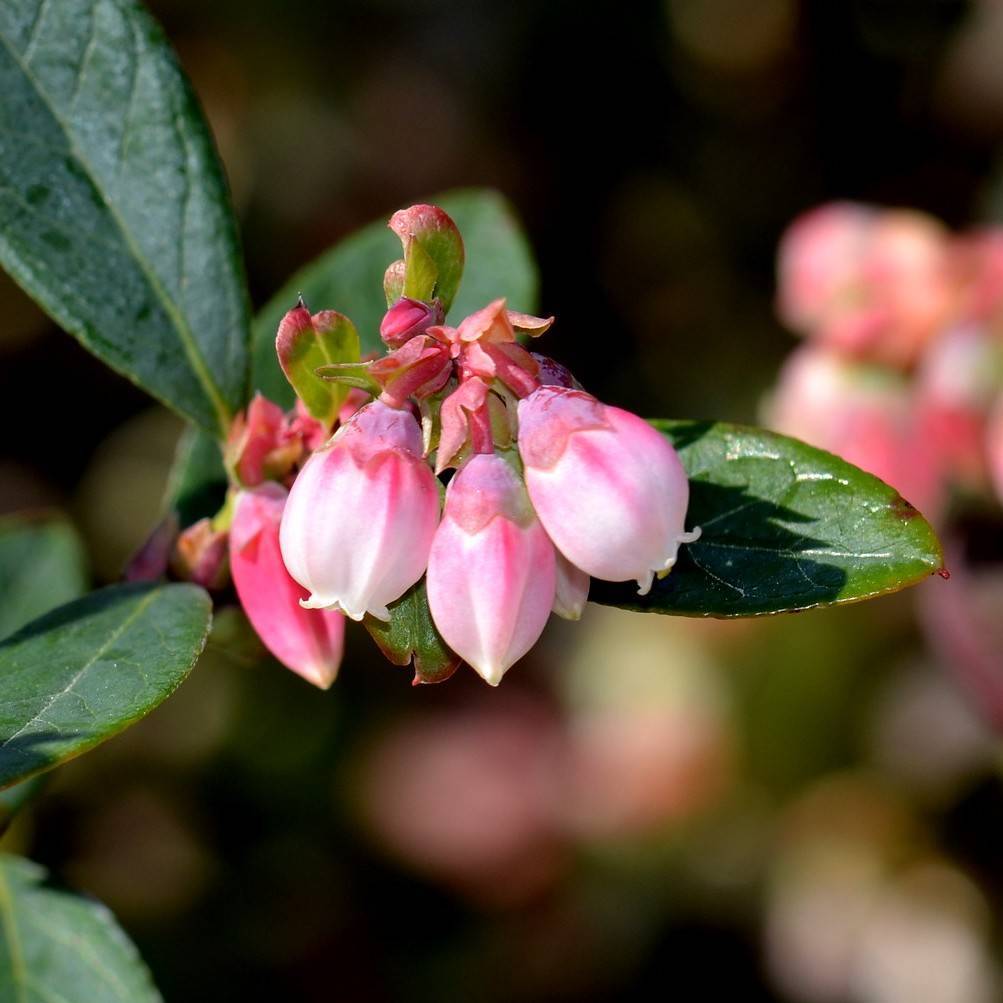
Highbush Blueberry
Vaccinium corymbosum
Overview
Highbush blueberry is a deciduous, multi-stemmed shrub that produces clusters of small, bell-shaped white or pale pink flowers in spring, followed by round, blue, sweet-tart berries in mid to late summer. Its glossy green leaves turn vibrant shades of red, orange, and purple in fall, making it a popular ornamental landscape plant as well as a fruit-bearing crop. Most cultivated varieties are self-fertile, though cross-pollination with a second compatible cultivar often produces larger, more abundant yields.
Care Guide
Watering
Highbush blueberries require consistent, even moisture, with 1-2 inches of water per week during the growing season, especially as fruits develop; avoid overwatering to prevent root rot. Water at the base of the plant rather than overhead to reduce the risk of foliar diseases, and mulch heavily to retain soil moisture between waterings. During periods of drought, increase watering frequency to prevent fruit drop and stress the shallow root system.
Light
This shrub thrives in full sun, requiring a minimum of 6-8 hours of direct sunlight daily to produce optimal fruit yields and maintain dense, healthy foliage. It can tolerate partial shade, though shaded conditions will reduce fruiting, lead to leggier growth, and increase susceptibility to fungal diseases. Plant in an open, unobstructed location with southern exposure for best performance in most climates.
Soil
Highbush blueberries require well-drained, acidic soil with a pH between 4.0 and 5.5, rich in organic matter such as peat moss, pine bark, or composted sawdust. Heavy clay or alkaline soils are unsuitable, as they will cause nutrient deficiencies, stunted growth, and eventual plant death. If native soil pH is too high, amend it with elemental sulfur several months before planting to lower pH to the required range.
Fertilizer
Feed highbush blueberries in early spring before new growth emerges, using a slow-release, acidic fertilizer formulated for acid-loving plants such as azaleas or rhododendrons, avoiding high-nitrogen fertilizers that can burn shallow roots. Apply a second light feeding in late spring after flowering is complete, if growth appears weak or leaves are pale yellow, which signals a nitrogen deficiency. Do not fertilize after mid-summer, as this can stimulate tender new growth that will be damaged by early fall frosts.
Temperature
Highbush blueberries are cold-hardy, with most cultivars thriving in USDA zones 3 through 8, requiring 800-1,200 hours of winter chill temperatures below 45°F (7°C) to break dormancy and produce fruit the following season. Spring frosts can damage open flowers, so plant in a location protected from late cold snaps or cover plants during frost events if possible. In warmer zones above 8, select low-chill cultivars adapted to milder winter conditions to ensure proper fruiting.
Pruning
Prune highbush blueberries annually during late winter dormancy to remove dead, damaged, or crossing branches, improve air circulation, and encourage new fruiting wood. For mature plants 4 years and older, remove 1-2 of the oldest, thickest canes each year to make space for vigorous new growth that produces higher quality fruit. Thin out excess small, weak shoots at the base of the plant to focus energy on productive canes and prevent overcrowding.
Propagation
Highbush blueberries are most commonly propagated via softwood cuttings taken in late spring or early summer, using 4-6 inch long new growth shoots rooted in a moist, acidic medium under high humidity. They can also be propagated via hardwood cuttings taken in late winter, though these root less reliably than softwood cuttings. While they can be grown from seed, seed-grown plants will not retain the characteristics of the parent cultivar, so cuttings are preferred for named varieties.
Humidity
Highbush blueberries prefer moderate to high humidity levels between 50-70%, which supports healthy foliage growth and proper fruit development. Dry, low-humidity conditions can cause leaf scorch, reduce fruit size, and increase stress on the shallow root system. In arid climates, misting or planting near a water feature can help raise ambient humidity levels around the plants.
Repotting
For container-grown highbush blueberries, repot every 2-3 years in late winter before new growth starts, using a peat-based acidic potting mix formulated for acid-loving plants. Choose a pot 2-3 inches larger than the current container, with ample drainage holes to prevent waterlogging, as blueberries are very susceptible to root rot in saturated soil. Gently loosen the root ball when repotting to encourage new root growth into the fresh potting medium, and water thoroughly after planting to settle the soil.
Uses & Symbolism
Highbush blueberries are widely cultivated commercially and in home gardens for their edible berries, which are eaten fresh, used in baked goods, jams, smoothies, and frozen for long-term storage. They are also planted as ornamental landscape shrubs for their attractive spring flowers, colorful fall foliage, and ability to attract pollinators and birds to the garden. The berries are high in antioxidants, vitamin C, and fiber, making them a popular nutritionally dense food crop.
Diseases & Pests
Highbush blueberries are susceptible to fungal diseases including mummy berry, powdery mildew, root rot, and anthracnose, which are exacerbated by poor air circulation, overhead watering, and saturated soil. Common pests include blueberry maggot, spotted wing drosophila, aphids, and Japanese beetles, which can damage foliage, flowers, and ripening fruit if left untreated. Proper pruning, consistent soil pH management, and regular monitoring for signs of pest or disease damage can prevent most serious issues.
Related plants
Other plants you might like if you grow Highbush Blueberry.
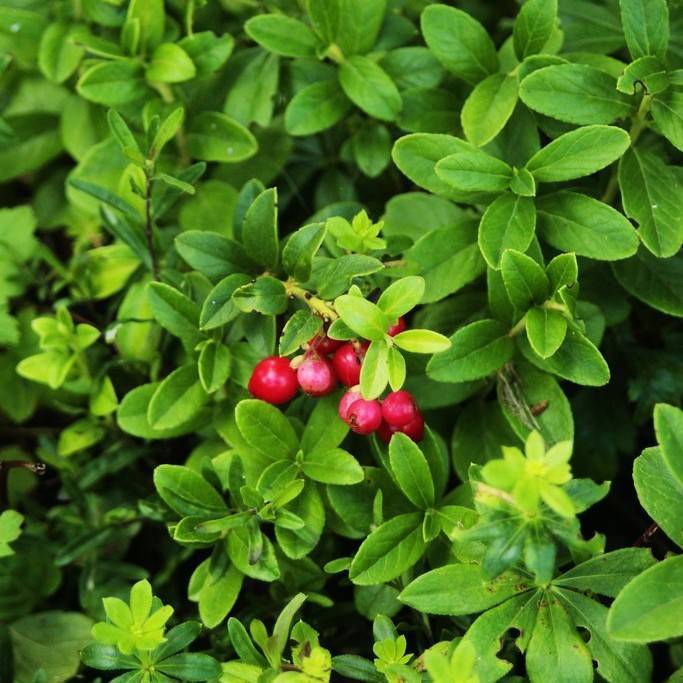
American Cranberry
Vaccinium macrocarpon
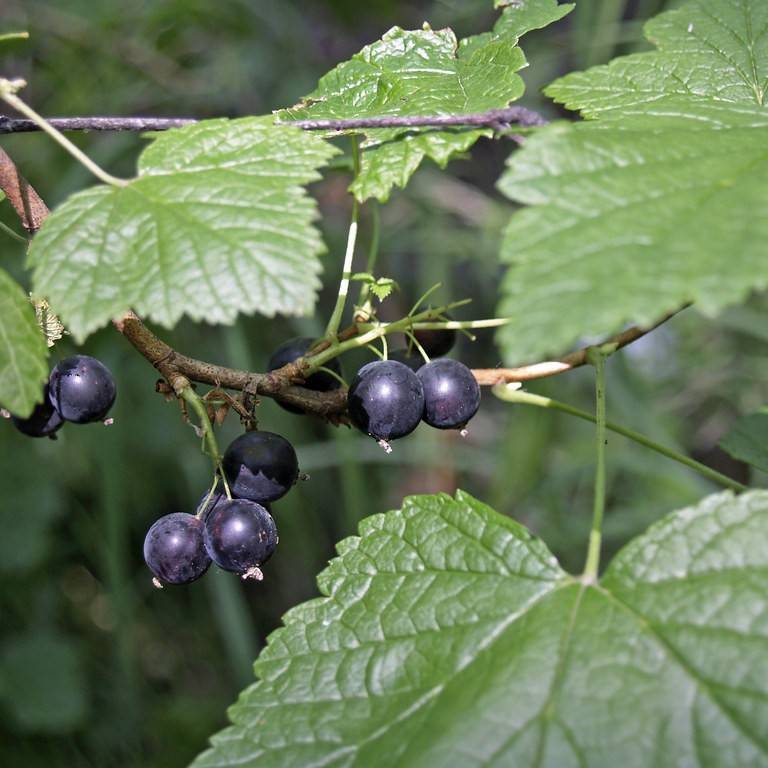
Black Currant
Ribes nigrum
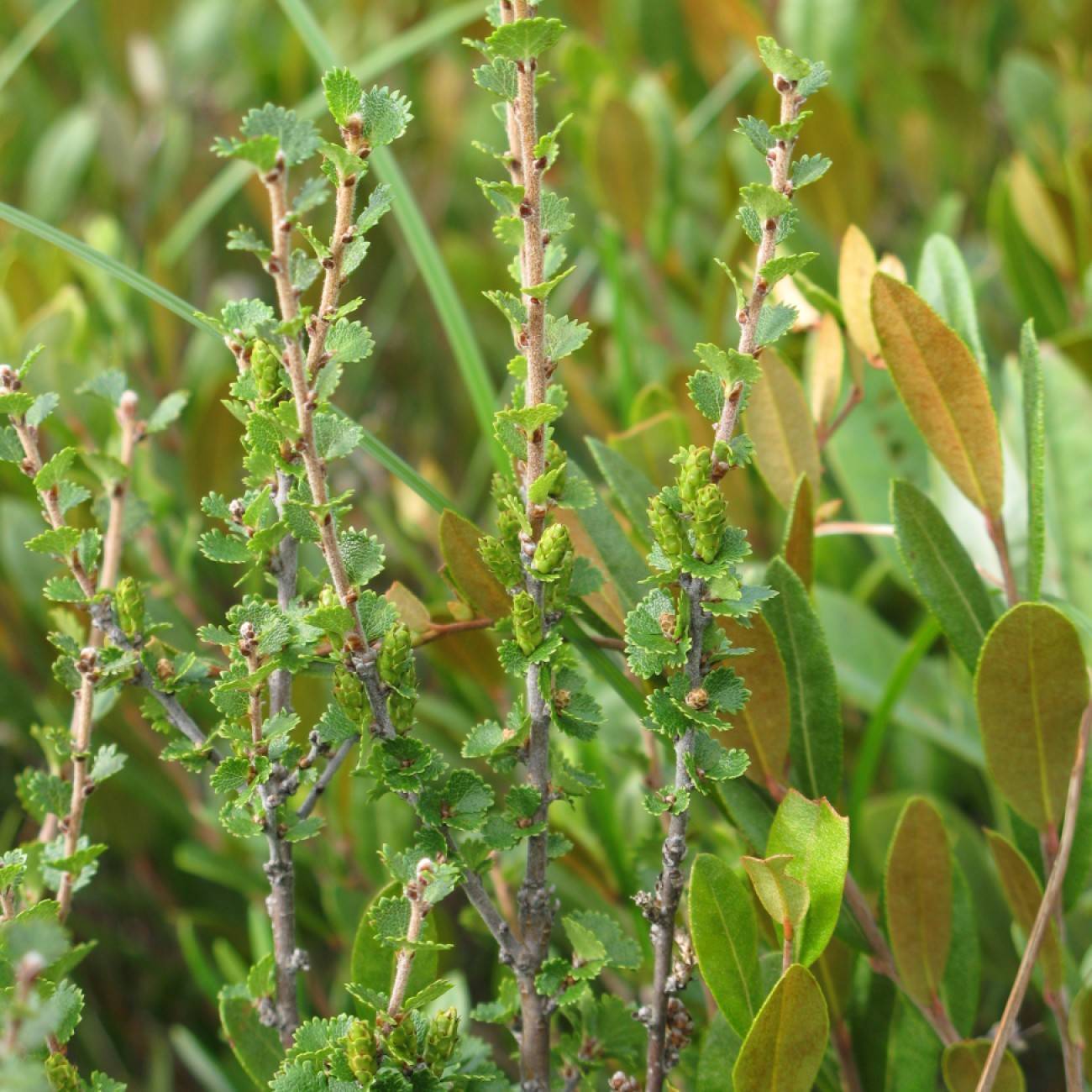
Dwarf Hybrid Blueberry
Vaccinium michauxii × Vaccinium pumilum var. pumilum
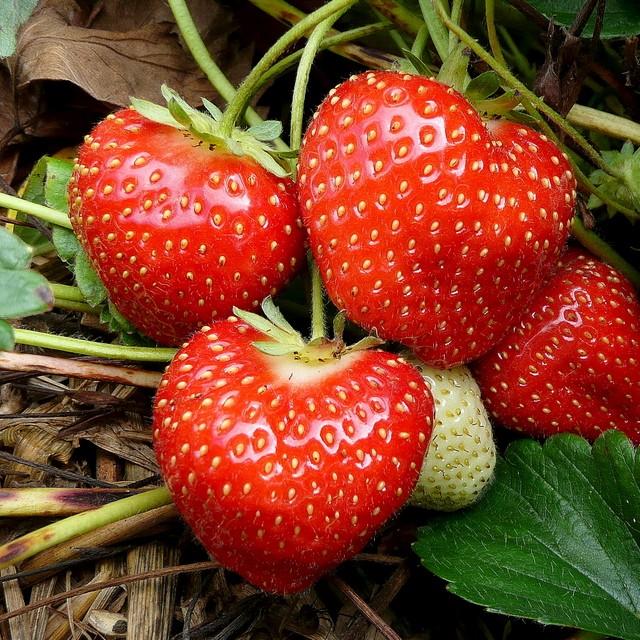
Junebearing Strawberry
Fragaria × ananassa (June-bearing cultivars)
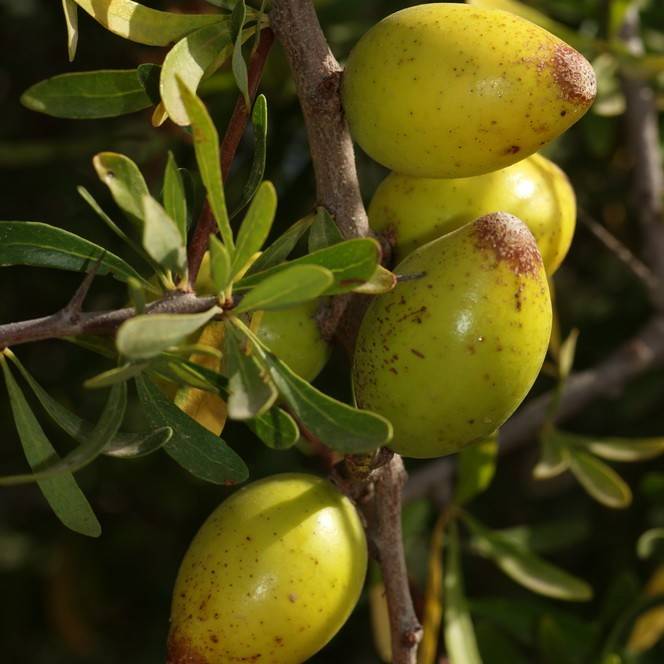
Argan tree
Argania spinosa
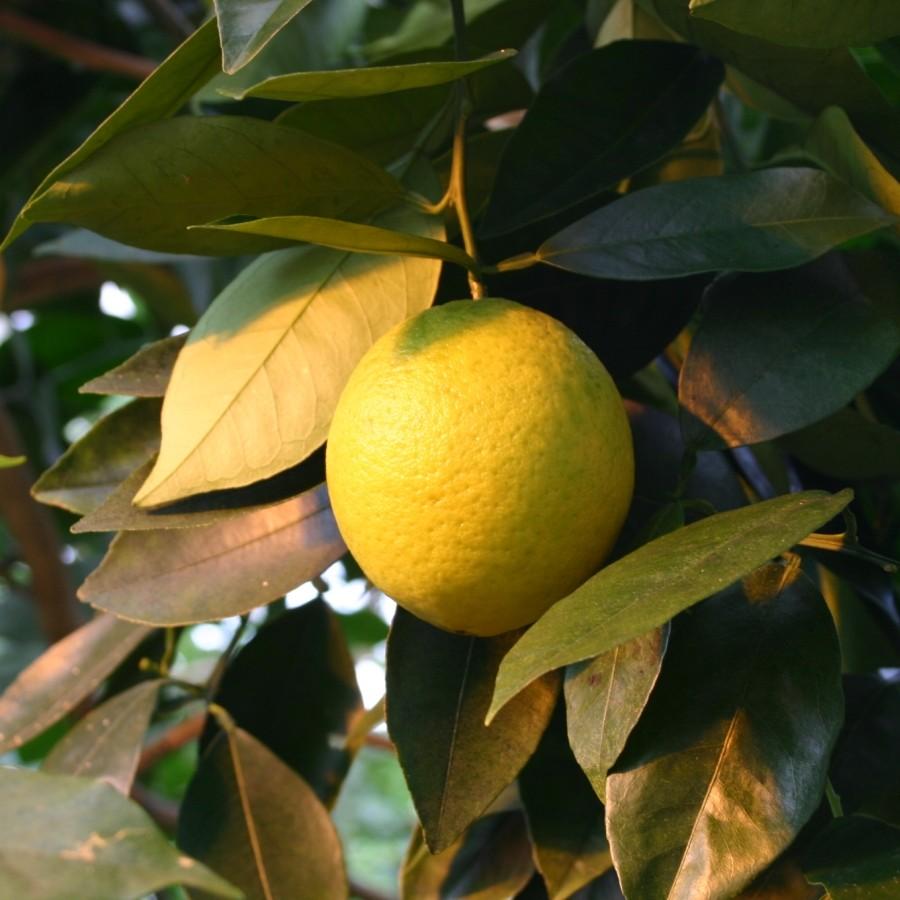
blood orange
Citrus sinensis 'Moro'
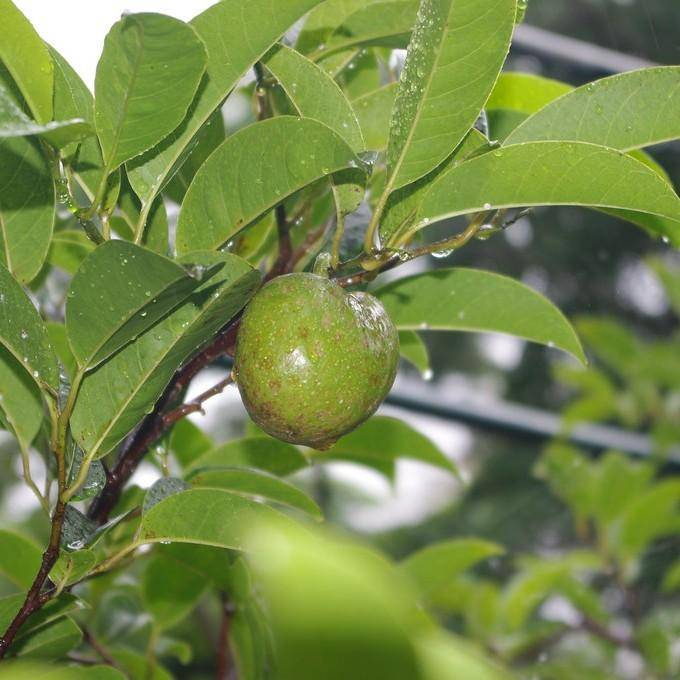
custard apple
Annona reticulata
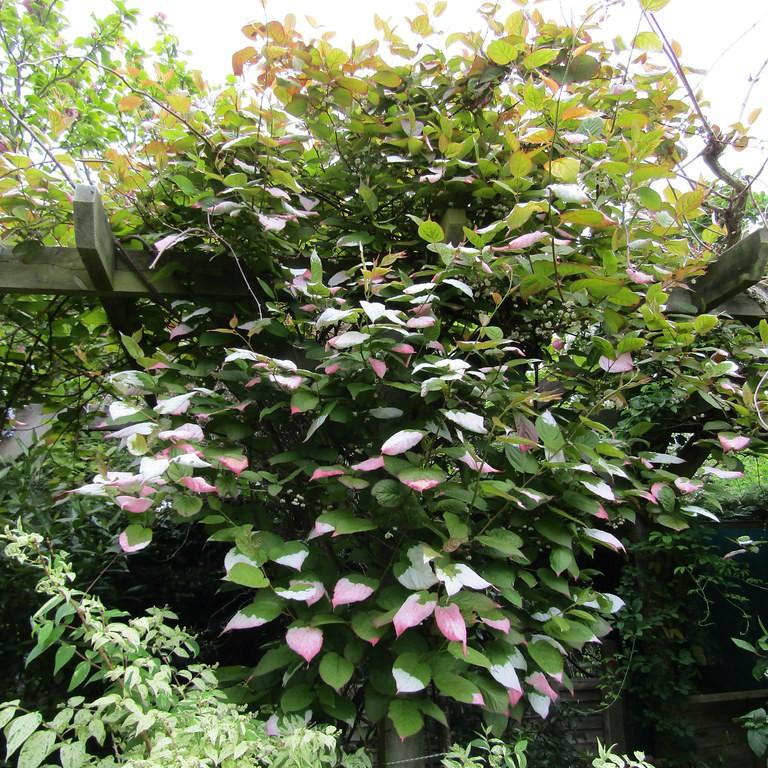
hardy kiwi vine
Actinidia arguta 'Issai'