American Bugleweed
Lycopus americanus
Overview
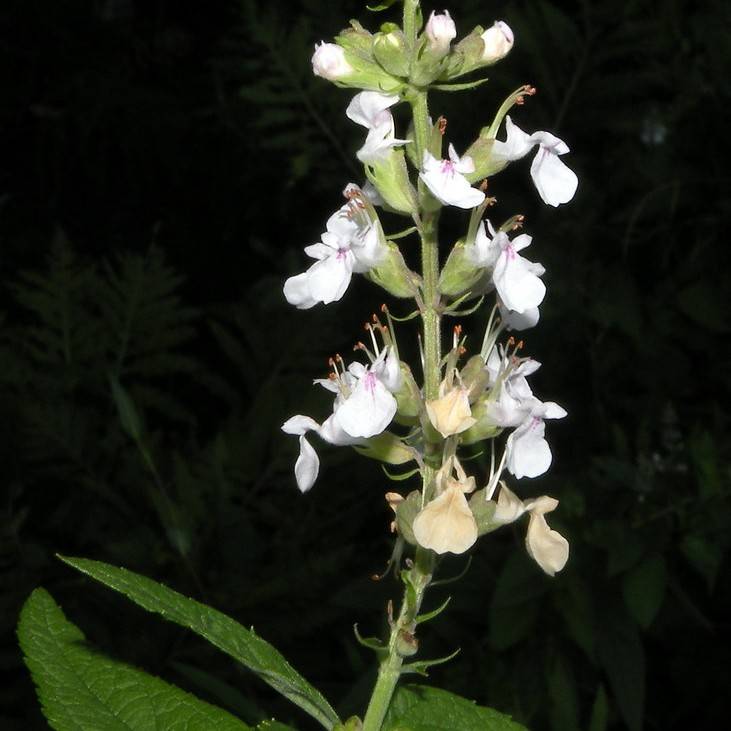
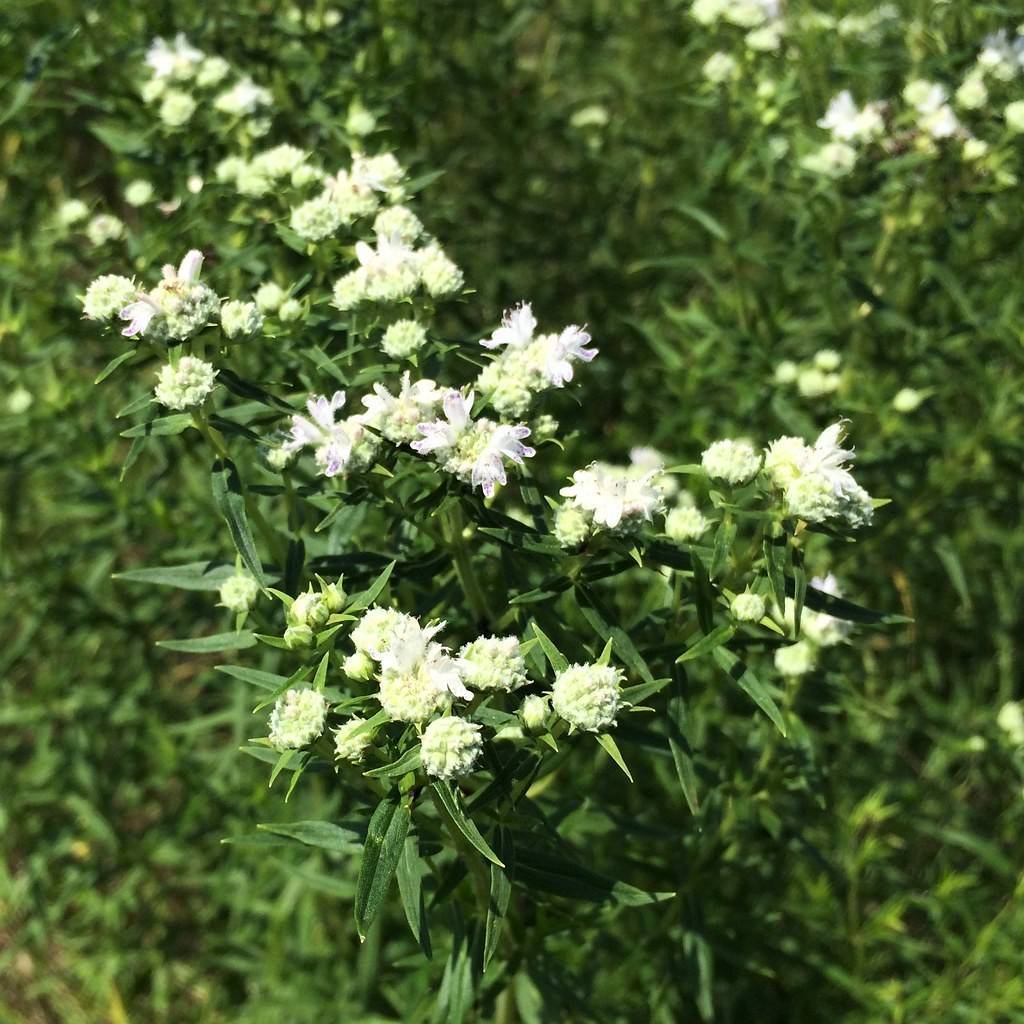
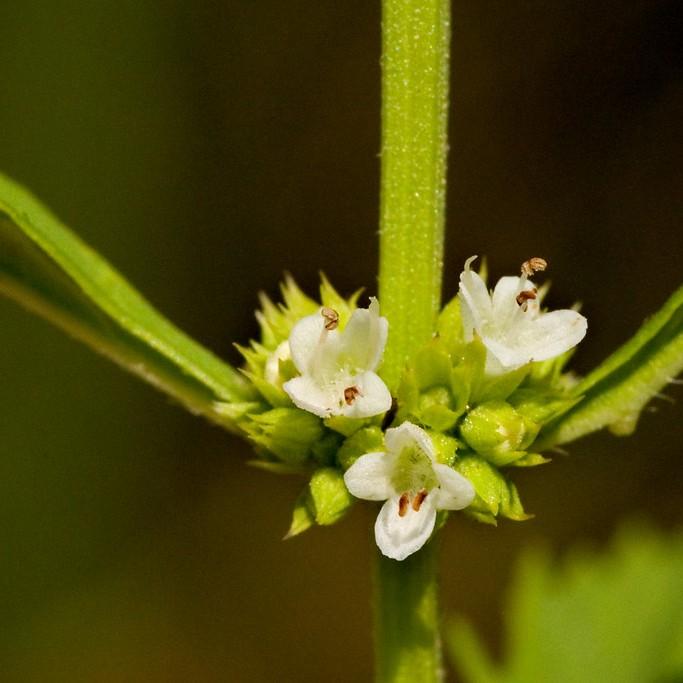
American bugleweed is a clumping, rhizomatous herb that thrives in damp, sunny to partially shaded habitats including marshes, stream banks, and wet meadows. It produces small, dense clusters of tiny white to pale purple tubular flowers along its square, unbranched stems from mid to late summer, drawing in bees, butterflies, and other beneficial pollinators. It spreads slowly via underground rhizomes to form dense colonies, making it well suited for naturalized rain gardens and erosion control along water features.
Care Guide
Watering
American bugleweed requires consistently moist to wet soil, and should never be allowed to dry out completely; water deeply and frequently during periods of drought to maintain saturated soil conditions. It is well adapted to periodic flooding and can tolerate standing water up to a few inches deep for short durations without issue.
Light
This plant grows best in full sun to partial shade, with flowering and foliage density peaking when it receives at least 6 hours of direct sunlight per day. In hotter southern climates, it benefits from afternoon shade to prevent leaf scorch and reduce moisture loss from the soil.
Soil
American bugleweed prefers rich, loamy, acidic to neutral soil with high organic matter content that retains moisture effectively. It can tolerate heavy clay and poorly drained soils that are unsuitable for most other garden plants, but will not perform well in dry, sandy, or fast-draining substrates.
Fertilizer
Fertilization is rarely required for plants grown in nutrient-rich wetland soils; an annual topdressing of compost in early spring is sufficient to support healthy growth. Avoid high-nitrogen fertilizers, as these can encourage excessive foliage growth at the expense of flowering and reduce the plant’s hardiness.
Temperature
It is hardy in USDA zones 3 through 9, tolerating winter temperatures as low as -40°F (-40°C) when grown in its preferred moist soil conditions. It thrives in summer temperatures between 60–85°F (15–29°C), and may go dormant early if exposed to prolonged heat above 90°F (32°C) without adequate moisture.
Pruning
Prune back spent flower stems in late fall after flowering is complete to prevent unwanted self-seeding and maintain a tidy growth habit. If colonies spread beyond their desired area, dig up and remove excess rhizomes in early spring before new growth emerges to control its spread.
Propagation
American bugleweed is most easily propagated by dividing mature rhizome clumps in early spring or late fall, separating sections with at least one growing point and replanting immediately in moist soil. It can also be grown from seed sown directly outdoors in fall or cold-stratified for 60 days and sown in spring, though seed-grown plants take 2–3 years to reach flowering maturity.
Humidity
It thrives in moderate to high humidity levels between 50–80%, which are typical of its native wetland habitats. Indoor potted specimens may require regular misting or placement on a pebble tray filled with water to maintain adequate humidity, as dry indoor air can cause leaf browning.
Repotting
Potted American bugleweed should be repotted every 1–2 years in early spring, moving to a slightly larger container with fresh, moisture-retentive potting mix mixed with compost to support continued growth. Ensure pots have drainage holes, and keep a saucer filled with water under the pot to maintain consistent soil moisture levels.
Uses & Symbolism
American bugleweed has a long history of use in traditional Indigenous and herbal medicine, where it is most commonly used to support thyroid health, reduce mild anxiety, and address symptoms of overactive thyroid. It is also planted in native pollinator gardens, rain gardens, and riparian restoration projects to control erosion, filter stormwater runoff, and provide food for native bees and butterflies.
Diseases & Pests
American bugleweed is relatively pest and disease resistant, though it can develop powdery mildew and leaf spot if grown in overly shaded, poorly ventilated conditions with stagnant air. Root rot may occur if plants are grown in containers without adequate drainage, though it tolerates saturated soil far better than most other herbaceous perennials. Aphids and spider mites may occasionally infest stressed plants, and can be controlled with a strong spray of water or insecticidal soap.
Related plants
Other plants you might like if you grow American Bugleweed.