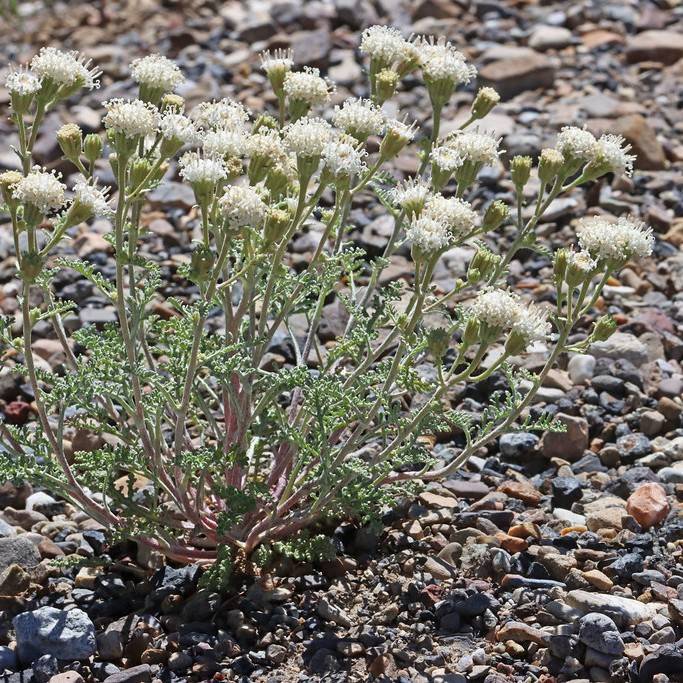
Alpine Pincushion
Leucospermum oleifolium
Overview
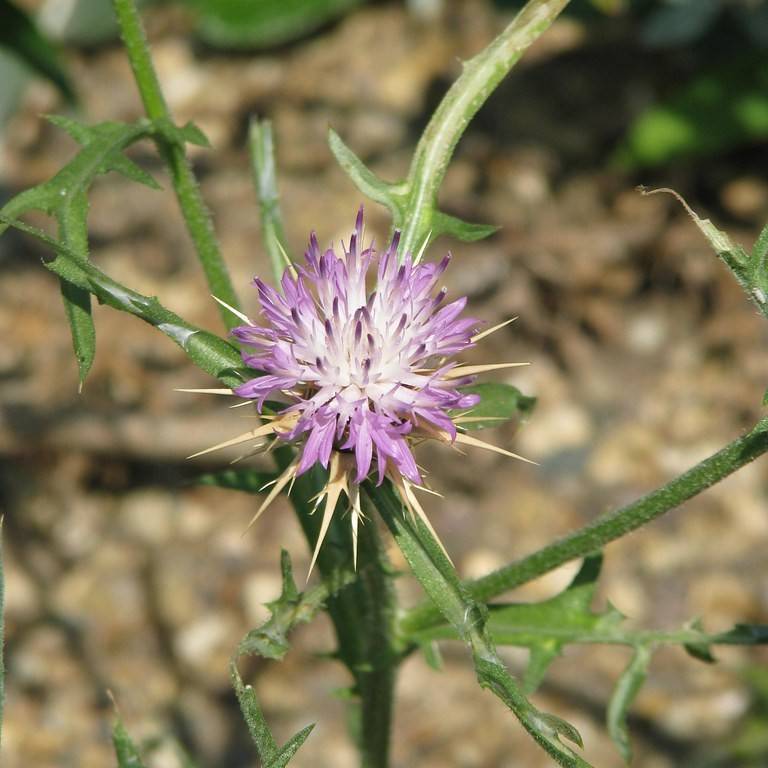
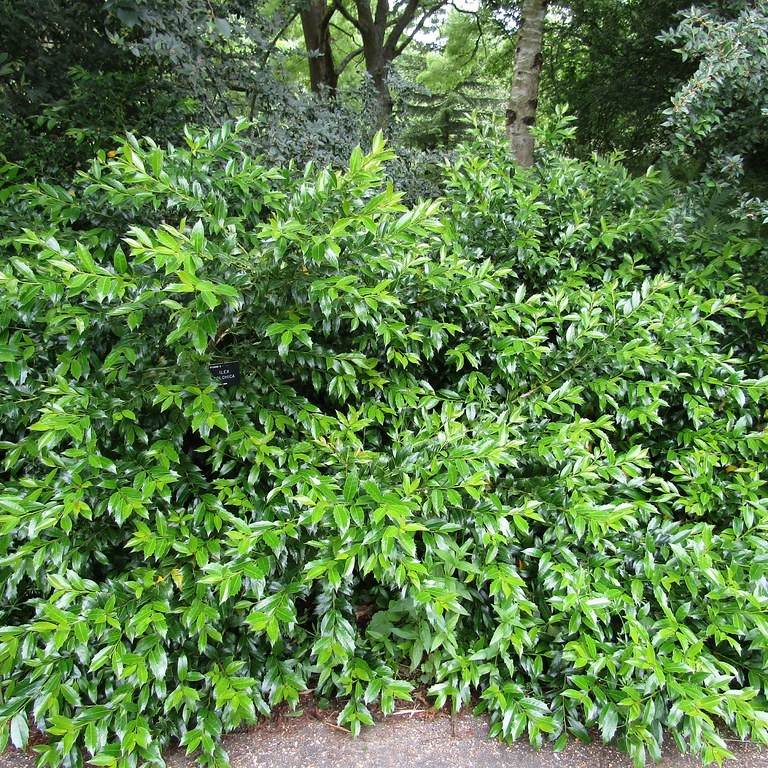
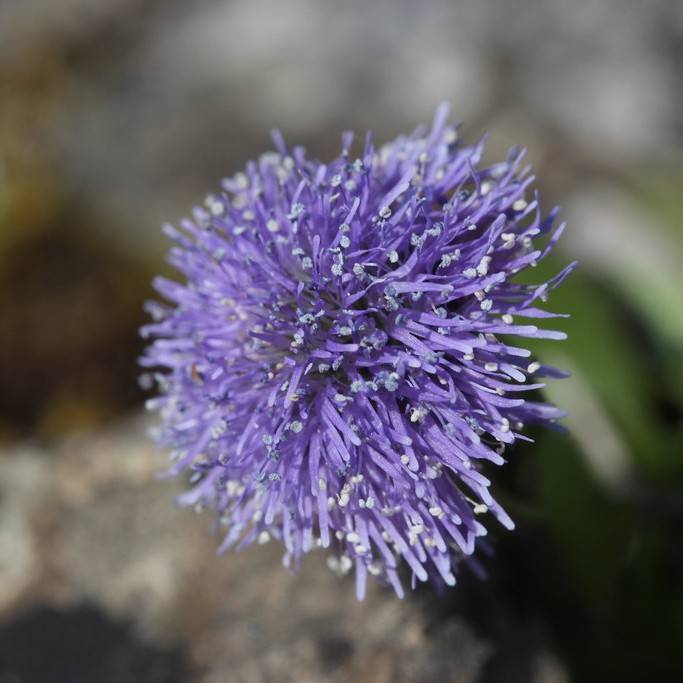
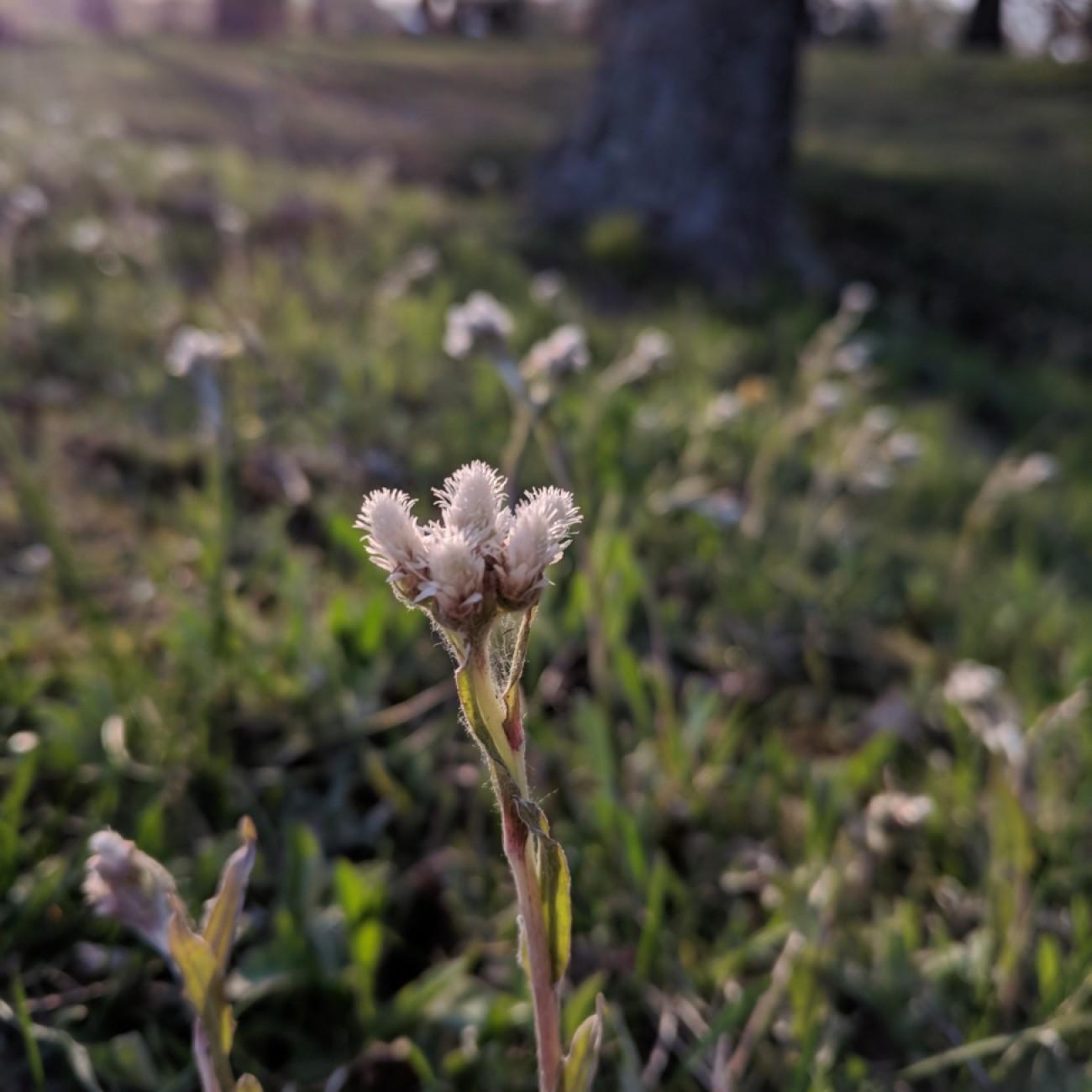
Alpine Pincushion is a hardy, evergreen shrub native to the high-altitude fynbos ecosystems of South Africa’s Western Cape. It gets its common name from its rounded, dense flower heads, composed of hundreds of tiny individual blooms topped with protruding styles that resemble pins in a pincushion. Wild populations are adapted to nutrient-poor, well-drained rocky soils and regular seasonal fires that trigger seed germination.
Care Guide
Watering
Water Alpine Pincushion deeply but infrequently, allowing the top 2-3 inches of soil to dry out completely between waterings to prevent root rot. Reduce watering significantly in winter, when the plant enters a period of slow growth, and avoid wetting the foliage to lower fungal disease risk. Container-grown specimens may need slightly more frequent watering during hot, dry summer months, but always ensure excess water drains freely from the pot.
Light
This shrub requires full, direct sunlight for a minimum of 6 hours per day to produce abundant blooms and maintain a compact, healthy growth habit. It can tolerate very light, dappled shade for short periods, but prolonged shade will lead to leggy growth and reduced flowering. When grown indoors, place it in a south-facing window or use supplemental grow lights to meet its high light requirements.
Soil
Alpine Pincushion thrives in acidic, extremely well-drained, low-nutrient soil, similar to its native fynbos habitat. A mixture of coarse sand, perlite, and ericaceous compost without added fertilizer is ideal, as high nutrient levels (especially phosphorus) can damage the plant’s sensitive root system. Avoid heavy clay soils or potting mixes that retain excess moisture, as these will quickly cause fatal root rot.
Fertilizer
This species is adapted to low-nutrient environments and requires very little fertilization, with excess nutrients, particularly phosphorus, causing severe stress or death. If growth is very slow, apply a diluted, phosphorus-free, acidic fertilizer formulated for proteas once per year in early spring, at half the recommended label strength. Never use general-purpose garden fertilizers, as their high phosphorus content will damage the plant’s specialized proteoid roots.
Temperature
Alpine Pincushion prefers cool to mild temperatures, with an ideal growing range of 50-75°F (10-24°C), and is hardy to light frosts down to 25°F (-4°C) for short periods. Extended temperatures above 85°F (29°C) can cause heat stress, so provide light afternoon shade in regions with very hot summer weather. In areas with harsh winters, grow it in a container that can be moved to a cool, frost-free location during the coldest months.
Pruning
Prune Alpine Pincushion lightly after flowering has finished to remove spent flower heads and maintain a compact, bushy shape. Avoid cutting back into old, woody growth without leaves, as the plant does not resprout well from bare wood, and excessive pruning can lead to dieback. Remove any dead, damaged, or diseased stems at any time of year to improve air circulation and reduce pest and disease risk.
Propagation
The most reliable method of propagation for Alpine Pincushion is from fresh seed, sown in late autumn or early winter in a well-drained, acidic seed starting mix, with seeds treated with smoke primer to mimic the natural fire trigger for germination. Semi-hardwood cuttings taken from healthy, current-season growth in late summer can also root successfully, though they require high humidity and bottom heat to encourage root development. Propagating from cuttings ensures the resulting plants retain the exact flower color and growth habit of the parent plant, which is not guaranteed with seed-grown specimens.
Humidity
Alpine Pincushion prefers low to moderate humidity levels between 30-50%, consistent with its native dry mountain fynbos habitat. High humidity above 60% can increase the risk of fungal leaf spot and root rot, so ensure the plant has consistent air circulation around its foliage and root zone. Avoid misting the plant or placing it in poorly ventilated, humid areas such as bathrooms, as this will create conditions favorable to disease.
Repotting
Repot container-grown Alpine Pincushion only when it is severely root-bound, as the plant prefers to be slightly root-bound and its sensitive roots are easily damaged during repotting. Repot in late winter or early spring before new growth begins, using a pot only 1-2 inches larger than the previous one to avoid excess soil that retains moisture around the roots. Use a fresh, well-drained, acidic, phosphorus-free potting mix, and avoid disturbing the root ball more than necessary during the repotting process.
Uses & Symbolism
Alpine Pincushion is a popular ornamental plant for Mediterranean and water-wise gardens, valued for its long-lasting, vibrant flower heads and drought tolerance. Its cut flowers have an exceptionally long vase life of up to 3 weeks, making them a sought-after addition to fresh and dried floral arrangements. In its native range, it provides a critical nectar source for sunbirds, sugarbirds, and native pollinating insects, supporting local biodiversity.
Diseases & Pests
The most common issue affecting Alpine Pincushion is root rot, caused by overwatering or poorly draining soil, which leads to yellowing foliage, wilting, and eventual death if not corrected quickly. Fungal leaf spot and powdery mildew can occur in high humidity or with poor air circulation, and can be treated by improving ventilation, avoiding wetting the foliage, and applying a suitable fungicide if the infection is severe. Common pests include aphids and thrips, which feed on new growth and flower buds, and can be controlled with insecticidal soap or neem oil applications.
Related plants
Other plants you might like if you grow Alpine Pincushion.