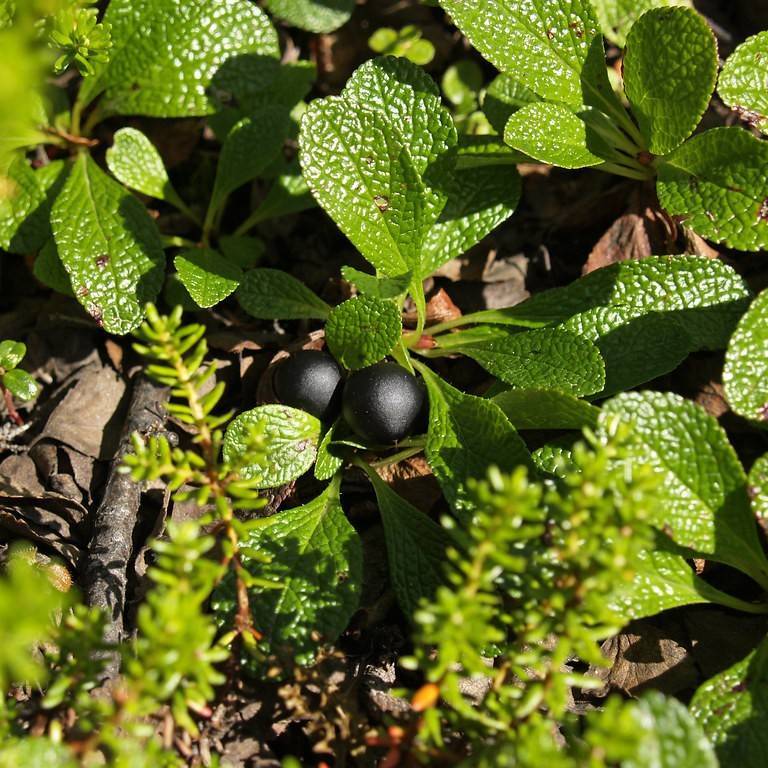
Alpine Bearberry
Arctous alpina
Overview
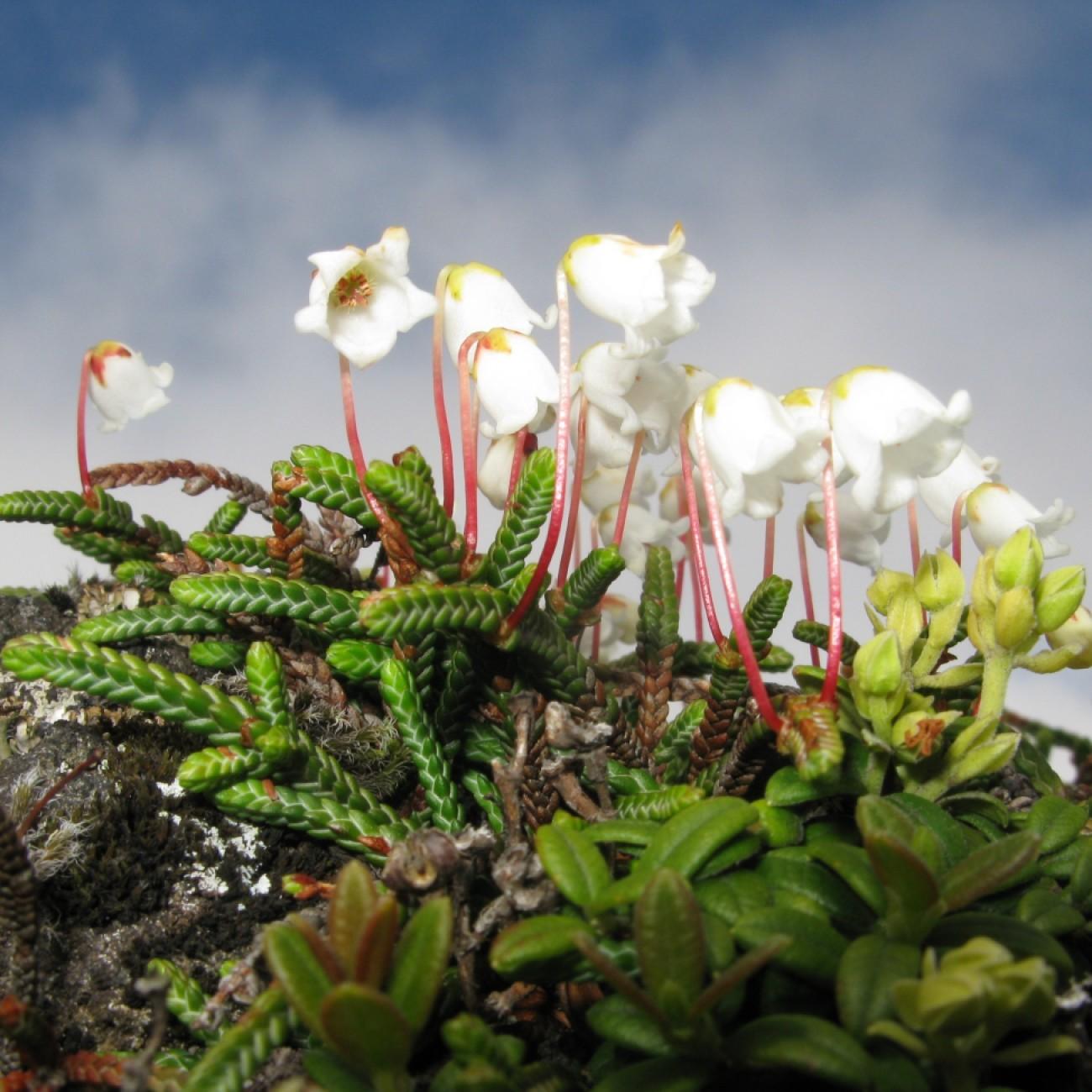
Alpine Bearberry is a mat-forming evergreen shrub adapted to harsh, cold mountain and tundra environments, with small, leathery dark green leaves that turn deep red in autumn. It produces small, urn-shaped pale pink or white flowers in late spring, followed by glossy bright red berries that persist through the winter months. This hardy species is well-suited for rock gardens, alpine plantings, and ground cover in cool climate landscapes, where it thrives in poor, well-drained soils.
Care Guide
Watering
Alpine Bearberry prefers consistently moist but not waterlogged soil, as its shallow root system is prone to drought stress in dry conditions. Water regularly during the growing season, reducing frequency in winter when the plant is dormant, and avoid overhead watering to prevent foliar fungal issues. It is tolerant of occasional short dry spells once fully established, but prolonged dryness will cause leaf drop and stunted growth.
Light
This species thrives in full sun to partial shade, with the best foliage color and fruit production occurring in locations that receive at least 6 hours of direct sunlight daily. In warmer parts of its growing range, it benefits from light afternoon shade to protect it from intense midday heat that can scorch its delicate leaves. Too much deep shade will result in sparse growth, reduced flowering, and minimal berry production.
Soil
Alpine Bearberry requires acidic, well-drained soil with a pH between 4.5 and 6.0, typical of its native heath and tundra habitats. It performs best in sandy, gravelly, or rocky loam soils with low nutrient content, as rich, fertile soils can cause excessive, leggy growth that reduces the plant's cold hardiness. Heavy, clay soils that retain moisture will quickly cause root rot, so amend planting sites with coarse sand or grit to improve drainage if needed.
Fertilizer
This low-growing shrub has very low nutrient requirements, and excessive fertilization can damage its shallow root system and reduce cold tolerance. Apply a thin layer of acidic organic mulch, such as pine needles or shredded oak leaves, in early spring to slowly release nutrients and maintain soil acidity. Avoid using synthetic fertilizers, especially those high in nitrogen, as they can cause soft, vulnerable growth that is susceptible to winter damage.
Temperature
Alpine Bearberry is extremely cold hardy, tolerating winter temperatures as low as -40°F (-40°C) and thriving in USDA hardiness zones 2 through 6. It prefers cool summer temperatures between 50°F and 65°F (10°C and 18°C), and will struggle in regions with prolonged summer heat above 80°F (27°C), especially if combined with high humidity. Winter snow cover is beneficial, as it insulates the low-growing foliage from harsh winds and extreme temperature fluctuations.
Pruning
Pruning is rarely required for Alpine Bearberry, as it naturally maintains a low, compact mat-like growth habit. Remove any dead, damaged, or diseased stems in early spring before new growth emerges to improve air circulation and maintain the plant's appearance. If it spreads beyond its desired planting area, trim back overhanging stems in late fall after fruiting has finished to keep the mat contained.
Propagation
Alpine Bearberry is most commonly propagated by semi-hardwood cuttings taken in late summer, as seed germination is slow and erratic, often taking 1 to 2 years to sprout. Cuttings should be 3 to 4 inches long, stripped of lower leaves, and rooted in a moist, acidic, well-drained rooting medium under cool, indirect light. It can also be propagated by division of established mats in early spring, though the shallow root system is fragile and requires careful handling to avoid damage.
Humidity
This species prefers moderate to low humidity levels, typical of its native high-altitude and arctic habitats. It does not tolerate high humidity combined with warm temperatures, which can lead to foliar fungal diseases and root rot. Good air circulation around the plant is essential to reduce moisture buildup on foliage, especially in more humid growing regions.
Repotting
Alpine Bearberry is rarely grown in containers, as its trailing, spreading growth habit and shallow root system are better suited to in-ground alpine or rock garden plantings. If grown in a container, repot every 2 to 3 years in early spring using an acidic, gritty potting mix designed for ericaceous plants, taking care not to damage the delicate shallow roots during the process. Ensure containers have ample drainage holes to prevent waterlogging, and avoid using overly large pots as excess soil can hold unwanted moisture around the roots.
Uses & Symbolism
The tart, slightly sweet berries of Alpine Bearberry are edible raw or cooked, and are traditionally used by Indigenous communities to make jams, jellies, and beverages, or dried for use as a winter food source. It is a popular ornamental plant for alpine gardens, rock gardens, and cool-climate ground cover, valued for its evergreen foliage, seasonal red leaf color, and persistent bright red berries. The plant also provides important food and cover for alpine wildlife, including grouse, bears, and small mammals, especially during the cold winter months when other food sources are scarce.
Diseases & Pests
Alpine Bearberry is relatively pest and disease resistant when grown in its preferred cool, well-drained conditions, but can be susceptible to root rot in heavy, waterlogged soils. Fungal leaf spots and powdery mildew can occur in areas with high humidity, poor air circulation, or frequent overhead watering. Aphids and spider mites may occasionally infest stressed plants, especially those grown in overly warm or dry conditions, and can be controlled with insecticidal soap or neem oil applications.
Related plants
Other plants you might like if you grow Alpine Bearberry.