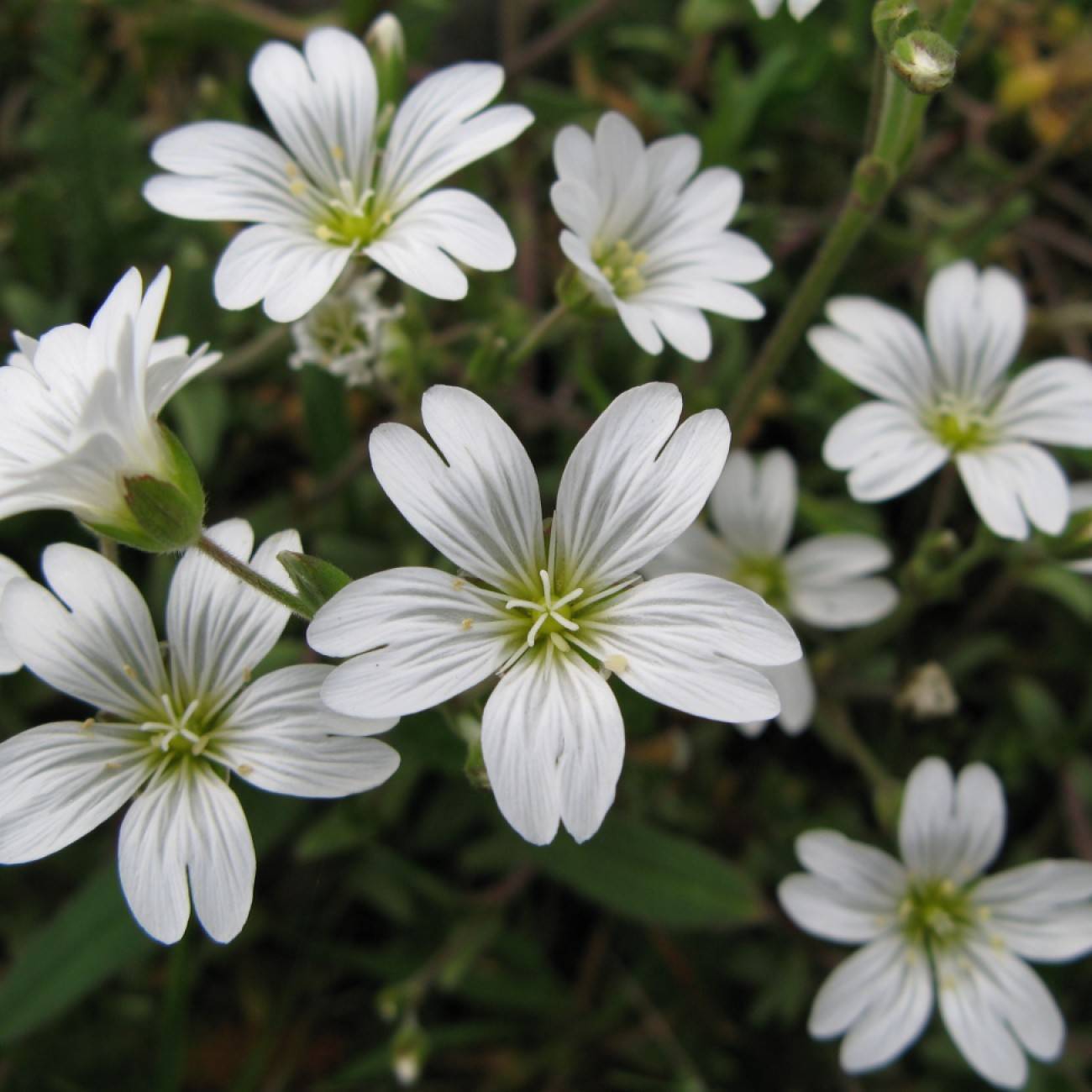
Aleutian Chickweed
Stellaria aleutica
Overview
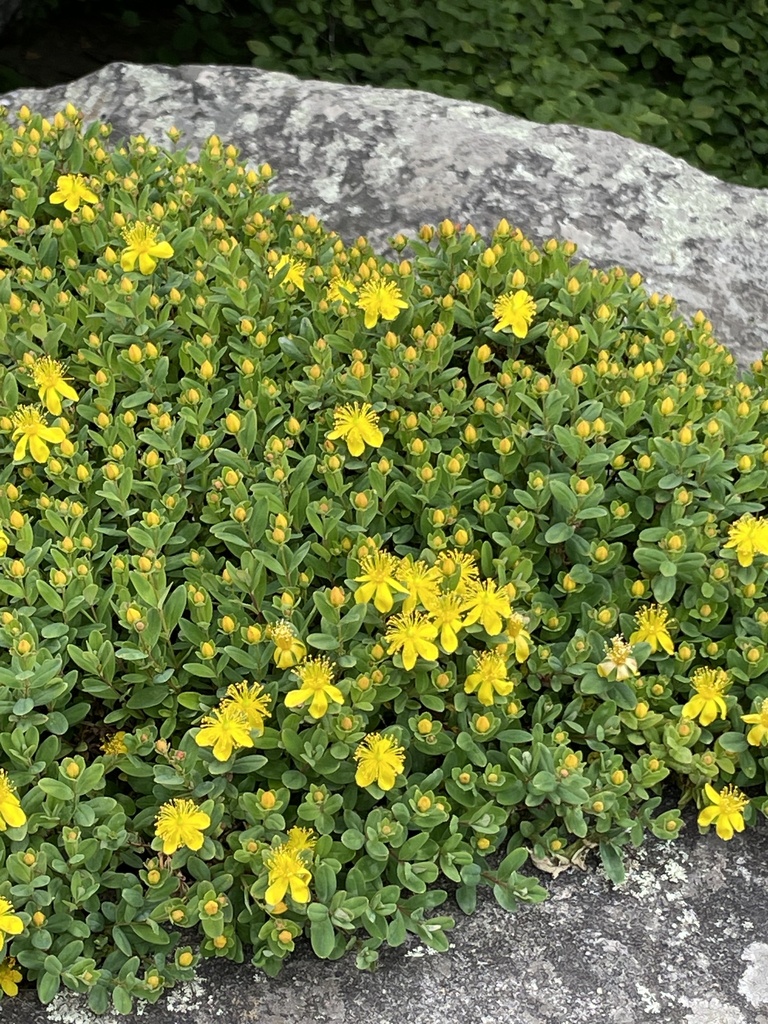
Aleutian Chickweed is a mat-forming herb adapted to the harsh, windy, cold conditions of its native subarctic and arctic coastal ranges, where it grows in rocky crevices, damp meadows, and coastal bluffs. It produces clusters of tiny, five-petaled white flowers that bloom in late spring to mid-summer, standing out against its dense, bright green, lance-shaped foliage. Its compact, spreading growth habit makes it well suited to rock gardens, alpine plantings, and cold-climate ground cover applications, though it is not widely cultivated outside specialty native plant collections.
Care Guide
Watering
Aleutian Chickweed requires consistently moist, well-drained soil, and should not be allowed to dry out completely, especially during active growth periods. Avoid overwatering that leads to standing water, as this can cause root rot in its shallow root system. In its native range, it receives regular rainfall, so replicate these conditions with frequent, light watering in cultivation.
Light
This species thrives in full sun to partial shade, preferring full sun in cooler coastal climates where temperatures remain mild through the growing season. In regions with warmer summer temperatures, provide light afternoon shade to prevent foliage scorch and reduce moisture loss from the soil. It will not grow well in deep, heavy shade, which inhibits flowering and leads to sparse, leggy growth.
Soil
Aleutian Chickweed prefers well-drained, rocky or sandy, nutrient-poor soil with a neutral to slightly acidic pH, mimicking the gravelly coastal bluffs and rocky meadows of its native habitat. Avoid heavy, clay-rich soils that retain excess moisture, as these will quickly damage its delicate root system. Adding coarse sand or fine gravel to potting mix or garden beds will improve drainage and replicate its preferred growing medium.
Fertilizer
This plant is adapted to low-nutrient environments, so it requires very little fertilization, with excess nutrients leading to overly lush, weak growth that is prone to pest and disease issues. If grown in containers, apply a diluted, balanced all-purpose fertilizer once at the start of the growing season, at half the recommended strength for general garden plants. No supplemental fertilization is needed for plants grown in outdoor garden beds with native rocky or sandy soil.
Temperature
Aleutian Chickweed is extremely cold-hardy, tolerating temperatures as low as -40°F (-40°C) and thriving in cool, coastal subarctic and alpine climates. It does not tolerate high heat or humidity well, and will decline rapidly if exposed to sustained temperatures above 75°F (24°C), especially if paired with high humidity. It requires a period of cold winter dormancy to return reliably each year, making it unsuitable for warm temperate or tropical growing conditions.
Pruning
Pruning is rarely needed for this low-growing plant, though spent flower stems can be trimmed back after blooming to encourage denser foliage growth and prevent unwanted self-seeding if desired. In late fall, trim back any dead or yellowed foliage to keep the planting neat and reduce overwintering sites for pests. Avoid heavy pruning, as the plant’s shallow, delicate root system cannot tolerate excessive damage to its aboveground growth.
Propagation
Aleutian Chickweed is most easily propagated by division of established mats in early spring, just as new growth emerges, carefully separating small sections of rooted foliage to replant in prepared sites. It can also be grown from seed, which requires a 6-8 week period of cold stratification to break dormancy, sown on the surface of moist, well-drained growing medium in late fall or early spring. Cuttings are rarely used for propagation, as the plant’s delicate stems root poorly and require very high humidity to establish.
Humidity
This species prefers moderate to high humidity, typical of its native coastal habitat, where it is regularly exposed to moist ocean air and fog. It will tolerate average indoor humidity if grown as an alpine houseplant, but benefits from regular misting or placement near a pebble tray with water to boost ambient moisture levels. Avoid placing it near dry heating vents or drafty, low-humidity locations, which will cause foliage to brown at the edges.
Repotting
If grown in containers, Aleutian Chickweed only needs repotting every 3-4 years, when it has fully outgrown its current pot and roots begin to emerge from the drainage holes. Repot in early spring, using a fast-draining, sandy or gravelly potting mix, and take care not to damage its shallow, delicate root system during the process. Choose a shallow, wide pot rather than a deep one to accommodate its spreading, mat-forming growth habit and prevent excess soil moisture buildup around the roots.
Uses & Symbolism
Aleutian Chickweed is primarily used in specialty native plant gardens, alpine rock gardens, and cold-climate ground cover plantings, where its dense matting growth helps stabilize rocky, sloped soil and prevent erosion. It is also cultivated in native pollinator gardens, as its small white flowers provide early-season nectar for native bees and small pollinating insects adapted to cold coastal regions. Indigenous communities in its native range have historically used the tender young leaves as a mild, nutrient-dense wild green, eaten raw in salads or cooked as a potherb.
Diseases & Pests
Aleutian Chickweed is relatively pest and disease resistant in its preferred cool, well-drained growing conditions, though it can be susceptible to root rot and fungal leaf spots if grown in overly wet, poorly drained soil or high humidity with poor air circulation. Aphids and spider mites may occasionally infest stressed plants, especially those grown in warm, dry locations, and can be controlled with insecticidal soap or a strong spray of water to dislodge the pests. Slugs and snails may feed on its tender foliage in damp, shaded locations, so use organic slug bait or copper barriers to protect vulnerable plants.
Related plants
Other plants you might like if you grow Aleutian Chickweed.