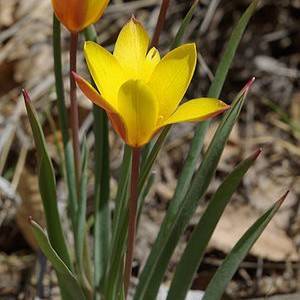
Altai Mountain Tulip
Tulipa altaica
Overview
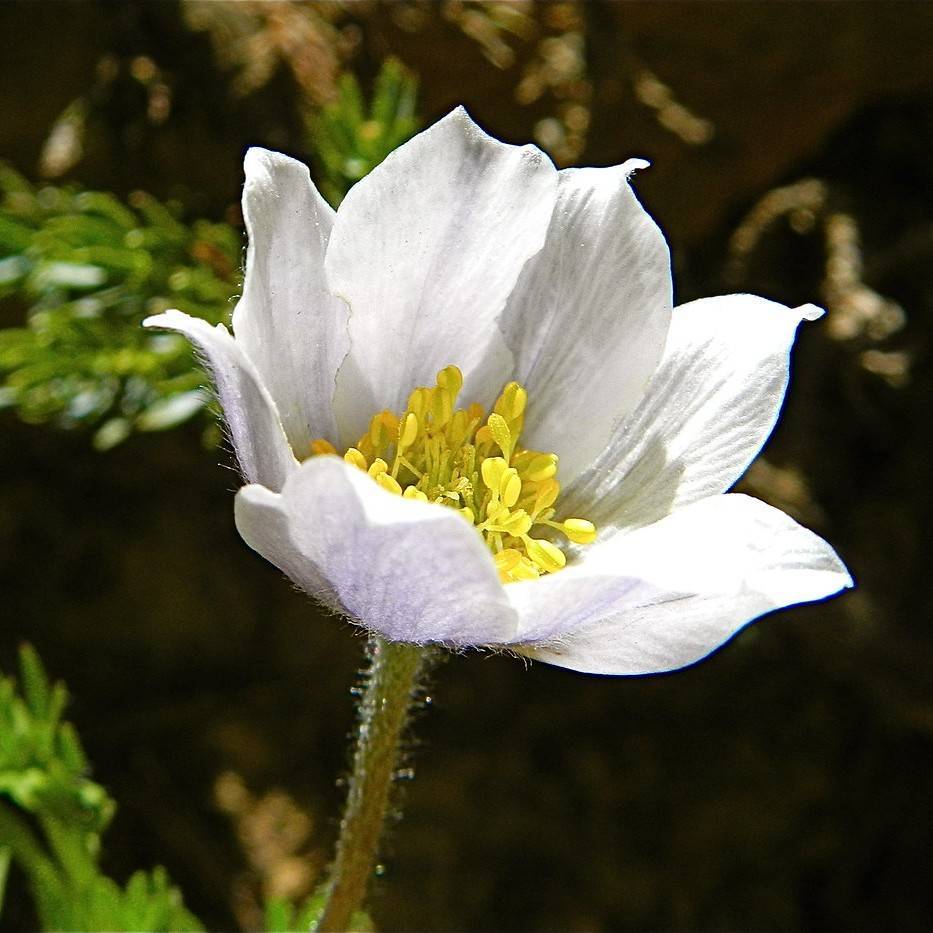
The Altai Mountain Tulip is a petite wild tulip species adapted to the harsh, cold alpine and steppe environments of its native Central Asian mountain range. It features narrow, grey-green waxy foliage and upward-facing, cup-shaped bright yellow flowers, often with faint red or bronze flushing on the outer tepals when grown in full sun. This species is valued by rock garden and alpine plant enthusiasts for its cold tolerance, early bloom time, and compact growth habit that suits small, well-drained planting spaces. It is also a parent of some cold-hardy hybrid tulip cultivars bred for northern temperate climates.
Care Guide
Watering
Water Altai Mountain Tulips moderately during active growth in late winter and early spring, keeping the soil consistently moist but never waterlogged to avoid bulb rot. Reduce watering gradually once the flowers fade and foliage begins to yellow in late spring, allowing the soil to dry out completely during the summer dormancy period. In winter, rely on natural snowmelt for moisture in cold regions; potted specimens require only occasional light watering to prevent bulbs from desiccating.
Light
Plant Altai Mountain Tulips in full sun, receiving at least 6 hours of direct unfiltered sunlight daily to promote strong stem growth and abundant flowering. It can tolerate very light partial shade in warmer growing zones, but excessive shade will cause leggy growth and reduced bloom production. In its native alpine habitat, it thrives in bright, intense sun even under cool spring temperatures.
Soil
This species requires sharply drained, low-fertility, sandy or gravelly soil with a neutral to slightly alkaline pH to mimic its native rocky steppe and alpine slopes. Heavy clay or water-retentive soils will quickly cause bulb rot, so amend planting areas with coarse sand, perlite, or crushed gravel to improve drainage if necessary. It tolerates poor, nutrient-sparse soils well and will decline in overly rich, organic-heavy planting mediums.
Fertilizer
Altai Mountain Tulips have low nutrient needs and do not require regular fertilization if planted in appropriate native-style soil. A very light application of low-nitrogen, bulb-specific fertilizer can be applied once at the start of active growth in late winter to support blooming, but over-fertilization will encourage soft foliage growth and reduce bulb longevity. Avoid adding high-nitrogen fertilizers or fresh manure, as these increase the risk of rot and encourage excessive foliage over flower production.
Temperature
This is an exceptionally cold-hardy species, adapted to survive winter temperatures as low as -40°F (-40°C) in its native alpine range, making it suitable for USDA hardiness zones 3 through 7. It requires a 12 to 14 week period of cold stratification at temperatures below 45°F (7°C) during winter dormancy to trigger proper spring growth and blooming. It does not tolerate warm, humid summer climates well, as prolonged high temperatures and moisture during dormancy will cause bulb decay.
Pruning
Remove spent flower heads immediately after blooming to prevent the plant from expending energy on seed production, which can reduce bulb vigor for the following year. Do not cut back or remove the green foliage after flowering; allow it to yellow and die back naturally over 6 to 8 weeks, as the leaves photosynthesize to store energy in the bulb for the next growing season. Once foliage is completely brown and dry in late summer, it can be gently pulled away or trimmed off at ground level to keep planting areas tidy.
Propagation
Altai Mountain Tulip is most commonly propagated by dividing small offset bulbs that form around the parent bulb during the summer dormancy period. Dig up mature clumps once foliage has died back, carefully separate the small offsets, replant them immediately at the same depth as the parent bulb, and expect them to reach flowering size in 2 to 3 years. It can also be grown from seed, sown in fall in a cold frame or directly outdoors; seed-grown plants will take 3 to 4 years to produce their first flowers.
Humidity
This species thrives in low to moderate humidity levels, typical of its native arid alpine and steppe habitats, and does not require supplemental humidity. It is highly intolerant of high humidity, especially during its summer dormancy period, as moist air combined with warm temperatures increases the risk of bulb fungal diseases and rot. Potted specimens grown in more humid climates should be placed in a well-ventilated location to reduce surrounding moisture levels.
Repotting
Potted Altai Mountain Tulips only need to be repotted every 3 to 4 years, once the clump of bulbs has outgrown its container and begins to produce fewer blooms. Repot during the summer dormancy period, gently separate overcrowded bulbs, and replant in fresh, sharply drained gritty potting mix, spacing bulbs 2 to 3 inches apart to give them room to multiply. Plant bulbs at a depth of 3 to 4 inches, roughly three times the height of the bulb, to provide sufficient insulation during cold winters.
Uses & Symbolism
Altai Mountain Tulip is primarily grown as an ornamental plant in rock gardens, alpine gardens, trough planters, and xeriscapes, where its compact size and bright early-spring blooms add cheerful color to small, well-drained planting spaces. It is also used in cold-hardy tulip breeding programs as a parent stock to develop new hybrid cultivars that can survive extreme winter temperatures and thrive in northern temperate regions. In its native range, it is occasionally used in traditional folk medicine for its anti-inflammatory properties, though its toxic alkaloid content makes unregulated consumption unsafe.
Diseases & Pests
The most common issue affecting Altai Mountain Tulip is bulb rot, caused by overly wet, poorly drained soil or excessive moisture during the summer dormancy period, which can be prevented by planting in gritty, fast-draining soil and reducing watering after foliage dies back. It may be affected by common tulip fungal diseases such as gray mold (botrytis blight) and tulip fire, especially in cool, wet spring conditions, which cause spotting on foliage and distorted blooms; affected plant parts should be removed immediately and destroyed to prevent spread. Aphids and slugs may occasionally feed on young spring foliage, which can be controlled with insecticidal soap for aphids and organic slug baits or physical barriers for slugs.
Related plants
Other plants you might like if you grow Altai Mountain Tulip.