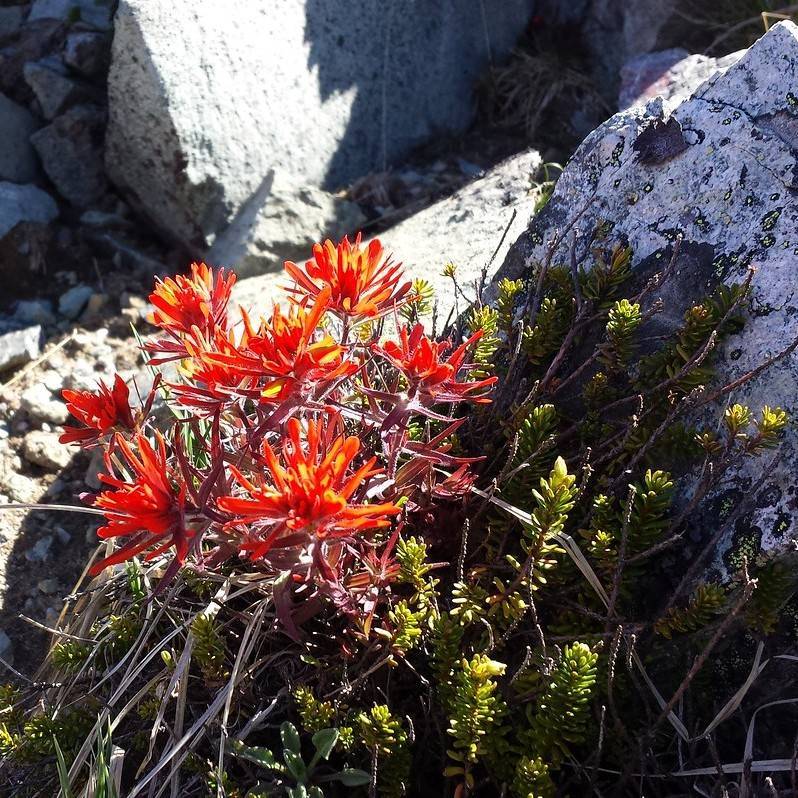
Cliff Paintbrush
Castilleja rupicola
Overview
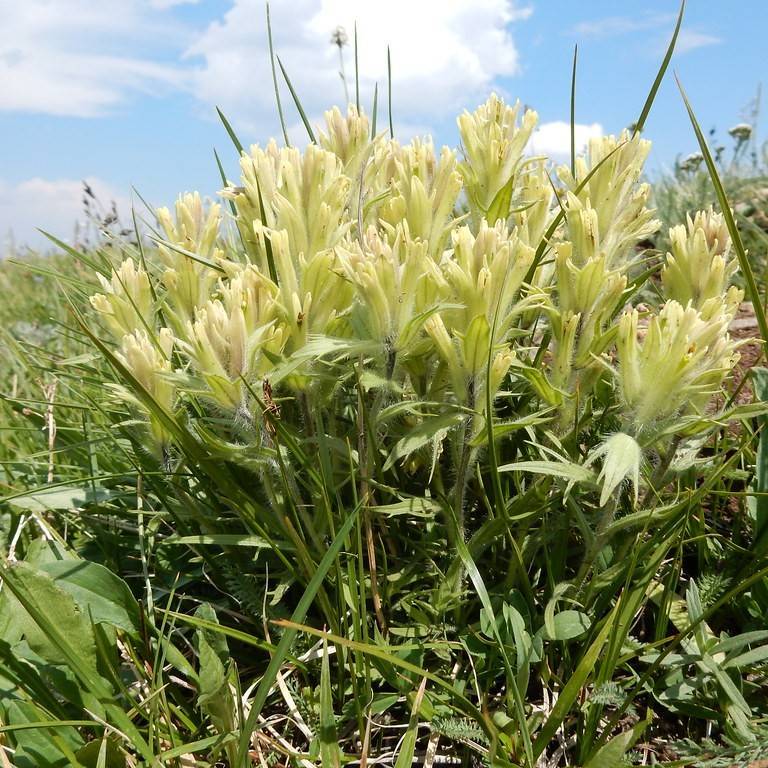
Cliff Paintbrush is a specialized hemiparasitic plant that derives a portion of its nutrients from the roots of adjacent host plants, typically native grasses and small woody perennials. It is adapted to harsh, well-drained rocky environments with thin soil, making it a rare sight in cultivation outside native plant restoration or alpine specialty gardens. Its most recognizable feature is the dense cluster of bright red to orange-red bracts that surround small, inconspicuous greenish-yellow flowers, creating the characteristic 'paintbrush' appearance that gives the species its common name.
Care Guide
Watering
Cliff Paintbrush requires very well-drained conditions and should only be watered when the top 2-3 inches of soil are completely dry, as excessive moisture will quickly cause root rot in this rocky-habitat species. Avoid overhead watering to prevent foliage fungal growth, and reduce watering significantly during the winter dormant period to mimic its native dry mountain winters. In cultivation, it is critical to match the low moisture levels of its natural cliffside habitat, as it cannot tolerate standing water or consistently damp soil.
Light
This species thrives in full, direct sun for a minimum of 6 hours per day, which replicates the exposed cliffside environments it naturally inhabits. It can tolerate very light, dappled shade for short periods, but reduced light will lead to sparse growth and diminished flowering. In alpine or high-elevation gardens, no shade protection is required, as it is adapted to intense UV radiation common in its native range.
Soil
Cliff Paintbrush requires extremely well-drained, low-nutrient, rocky or gravelly soil with a neutral to slightly alkaline pH, mimicking the thin, mineral-heavy soils of its cliff habitat. Soil should contain at least 50% coarse grit or crushed rock to ensure rapid drainage, with minimal organic matter to avoid holding excess moisture. It cannot survive in heavy clay, peat-rich, or fertile garden soils, as these retain too much water and provide excess nutrients that harm its hemiparasitic root system.
Fertilizer
No regular fertilization is required for Cliff Paintbrush, as it is adapted to low-nutrient rocky soils, and excess nutrients will damage its sensitive hemiparasitic root structure. If grown in a container with host plants, a single light application of a low-nitrogen, slow-release fertilizer once per year in early spring is sufficient to support host plant health without overwhelming the paintbrush. Avoid high-nitrogen fertilizers entirely, as they will promote excessive foliage growth in host plants and reduce the paintbrush’s ability to obtain needed nutrients.
Temperature
This species is cold-hardy to USDA zones 4 through 8, tolerating winter temperatures as low as -30°F (-34°C) when planted in well-drained soil that prevents ice buildup around roots. It prefers cool summer temperatures between 50-75°F (10-24°C), and will struggle in prolonged heat above 85°F (29°C), especially if paired with high humidity. Winter dormancy is a required part of its growth cycle, so it cannot be grown in climates with consistently warm, frost-free winters.
Pruning
Minimal pruning is needed for Cliff Paintbrush; only spent flower stalks may be removed after blooming ends in late summer to maintain a tidy appearance and prevent self-seeding if desired. Avoid cutting back green foliage before it dies back naturally in the fall, as the leaves photosynthesize to store energy for the following year’s growth. Do not prune the root system or disturb the root zone, as its hemiparasitic root connections to host plants are fragile and easily damaged.
Propagation
Cliff Paintbrush is most successfully propagated from seed, which requires a 3-month cold stratification period at 32-40°F (0-4°C) to break dormancy, and must be sown directly alongside compatible host plants such as native grasses to allow root connection as seedlings germinate. Vegetative propagation is extremely difficult and rarely successful, as cuttings do not root readily, and root division will damage the delicate hemiparasitic connections to host plants. Seedlings take 2-3 years to reach flowering maturity, and require consistent low-moisture, high-light conditions to establish successfully.
Humidity
Cliff Paintbrush prefers low to moderate humidity levels between 30-50%, matching the dry, well-ventilated conditions of its native mountain cliff habitats. It cannot tolerate high humidity above 60% for extended periods, as this increases the risk of foliar fungal diseases and root rot. Ensure consistent air circulation around plants to prevent moisture buildup on foliage, especially in cooler, shaded growing conditions.
Repotting
Repotting is rarely recommended for Cliff Paintbrush, as its fragile hemiparasitic root system and connections to host plants are easily damaged during the process. If repotting is absolutely necessary, it should be done during the late winter dormant period, and the entire root ball, including host plant roots, should be moved intact to a new container with matching rocky, low-nutrient soil. Avoid disturbing the root zone as much as possible, and water very sparingly for the first month after repotting to allow roots to reestablish without rotting.
Uses & Symbolism
Cliff Paintbrush is primarily used in native alpine habitat restoration projects to stabilize rocky slopes and provide nectar for native pollinators, including hummingbirds, bumblebees, and specialist solitary bee species. It is occasionally grown in specialty alpine rock gardens by experienced native plant enthusiasts for its striking bright red floral bracts that add bold color to rocky, low-water landscape designs. Historically, some Indigenous groups in its native range used small amounts of the plant for dye production, though its high selenium content limits all edible or medicinal applications.
Diseases & Pests
The most common disease affecting Cliff Paintbrush is root rot, caused by excessive moisture in poorly drained soil, which can kill the plant quickly if drainage is not improved immediately. Foliar fungal diseases including powdery mildew and rust may occur in high humidity or poor air circulation conditions, which can be mitigated by increasing airflow around plants and avoiding overhead watering. Common pests include aphids and spider mites, which may infest new growth in warm, dry conditions, and can be controlled with insecticidal soap or horticultural oil applied carefully to avoid damaging delicate foliage.
Related plants
Other plants you might like if you grow Cliff Paintbrush.
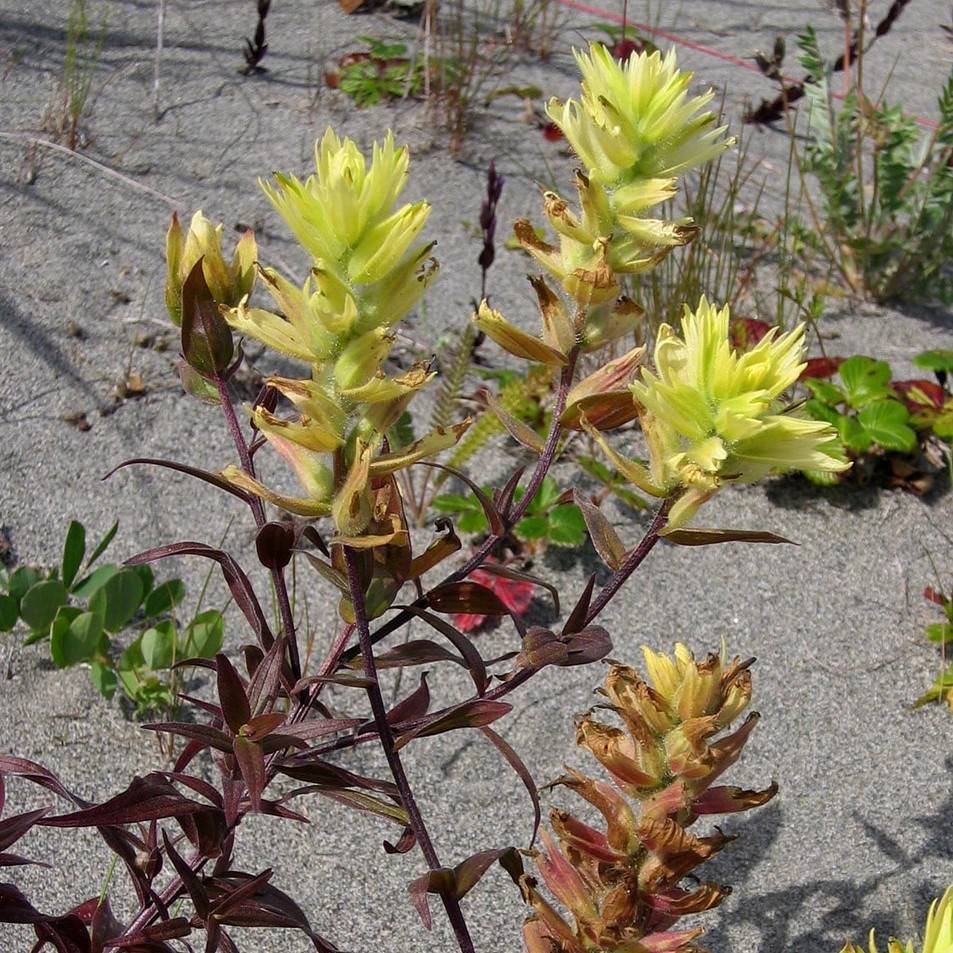
Alaska Indian Paintbrush
Castilleja unalaschcensis
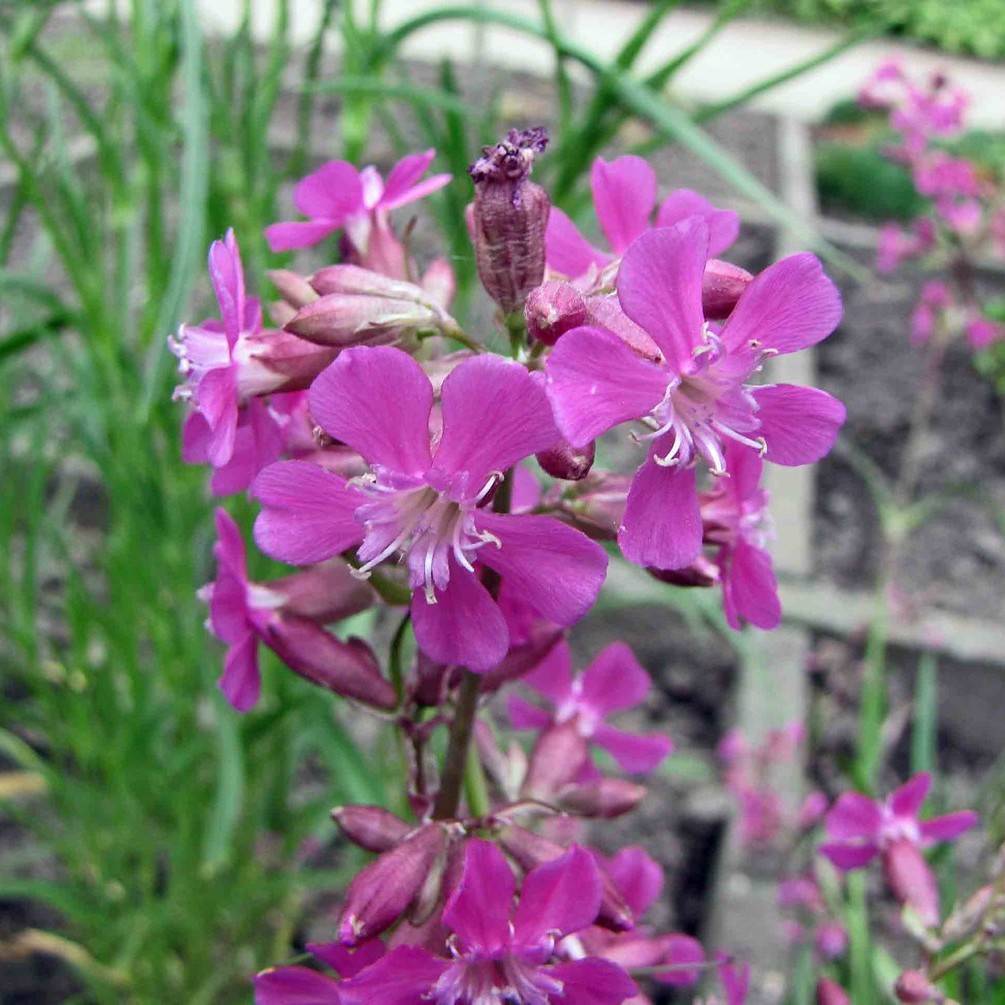
Clammy Campion
Silene rotundifolia
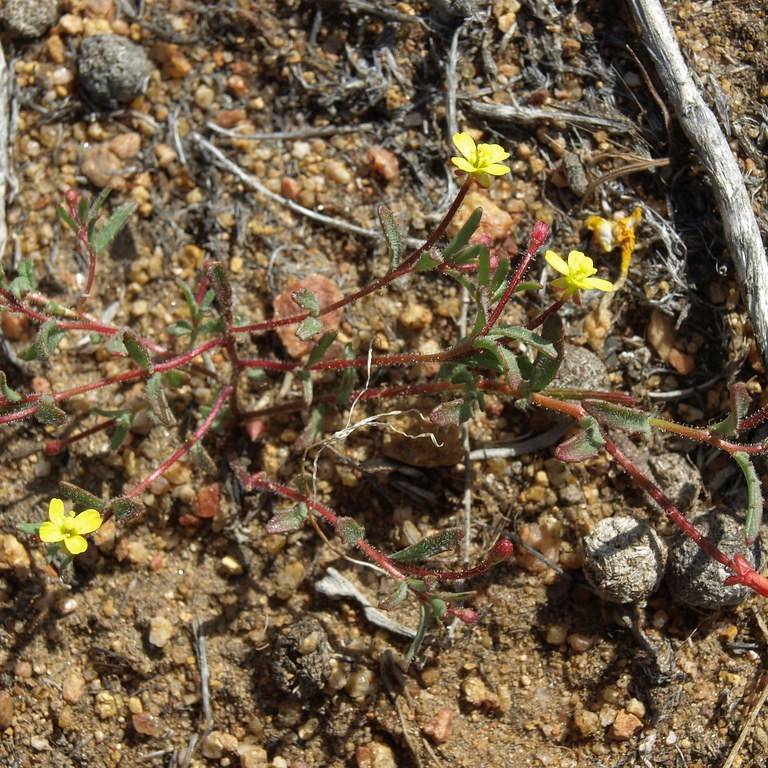
Dwarf Contorted Suncup
Camissonia contorta
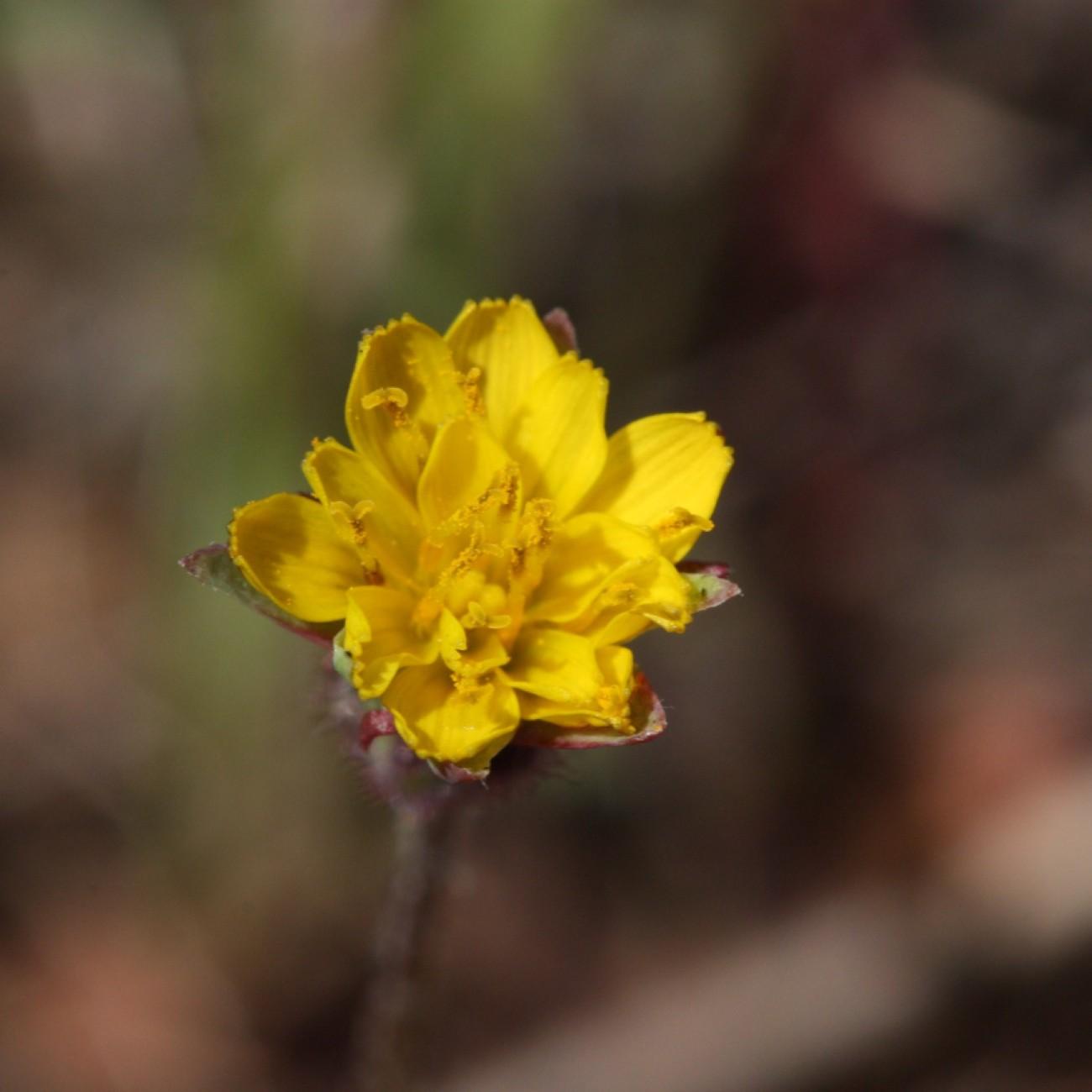
Annual Agoseris
Agoseris heterophylla
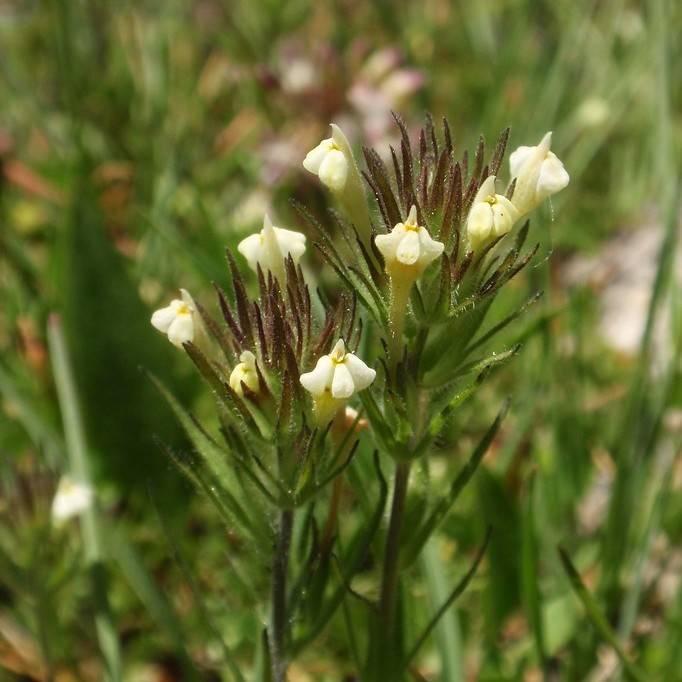
Hairy Owl's Clover
Castilleja tenuis
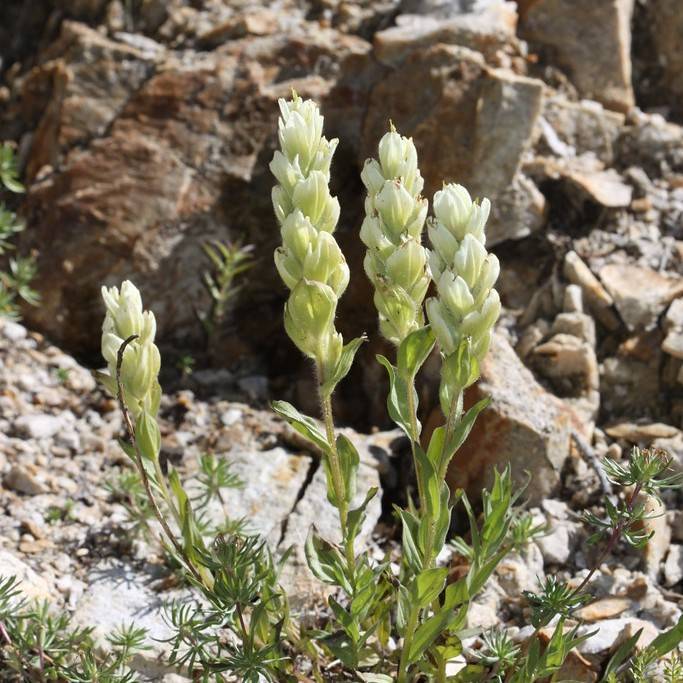
Labrador Indian Paintbrush
Castilleja septentrionalis
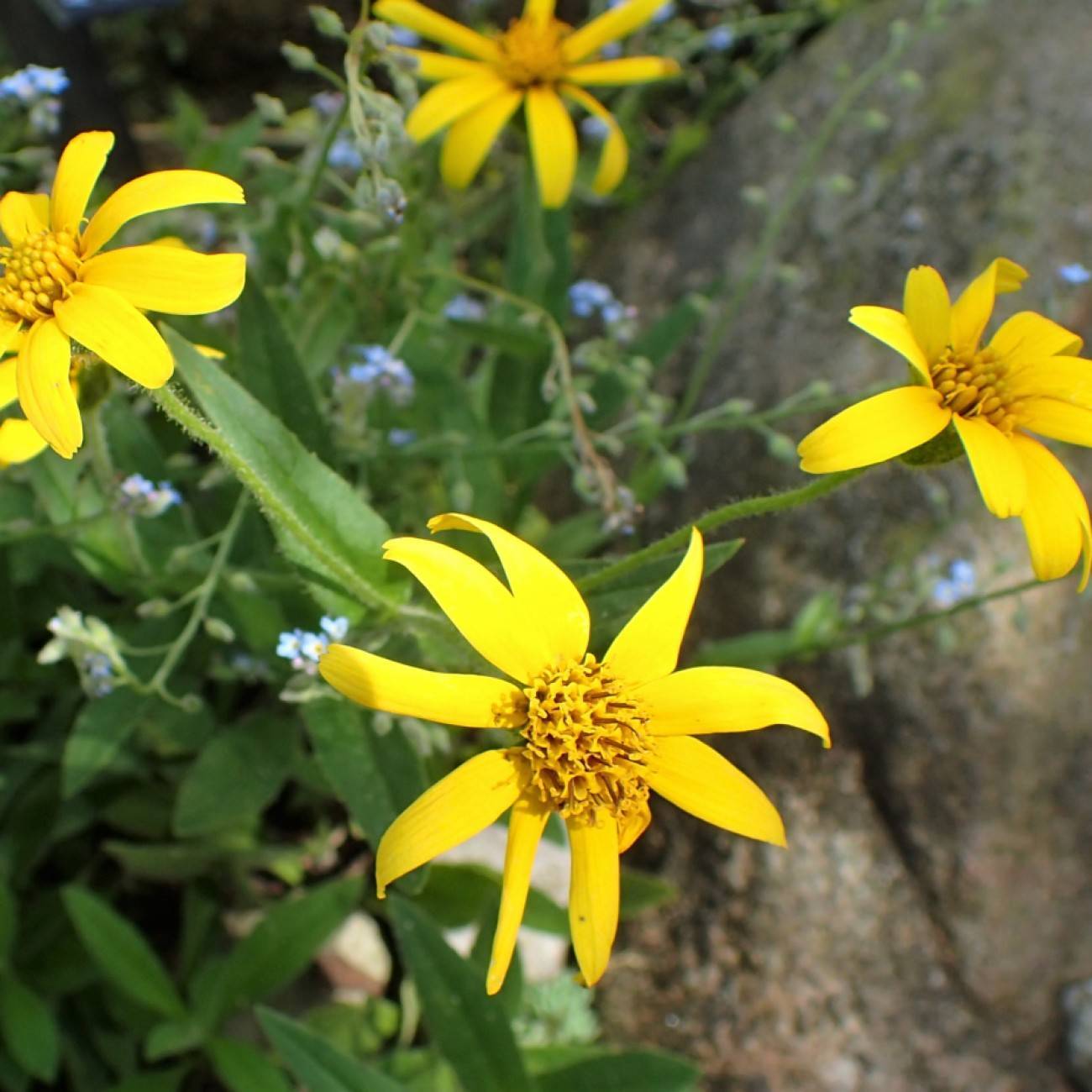
Lance Leaved Arnica
Arnica lanceolata
Cusick's Indian Paintbrush
Castilleja cusickii