Alaska Brome
Bromus sitchensis
Overview
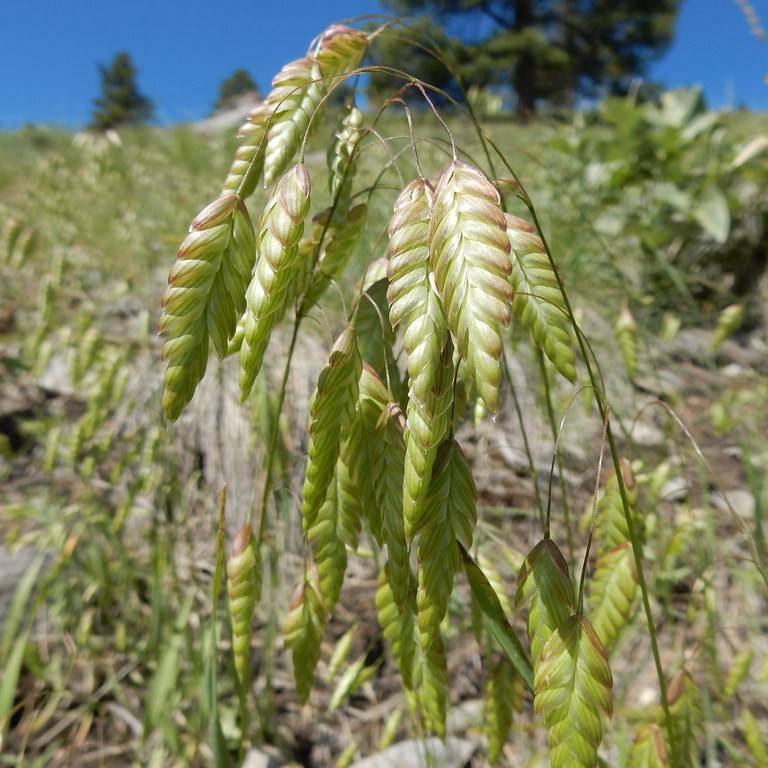
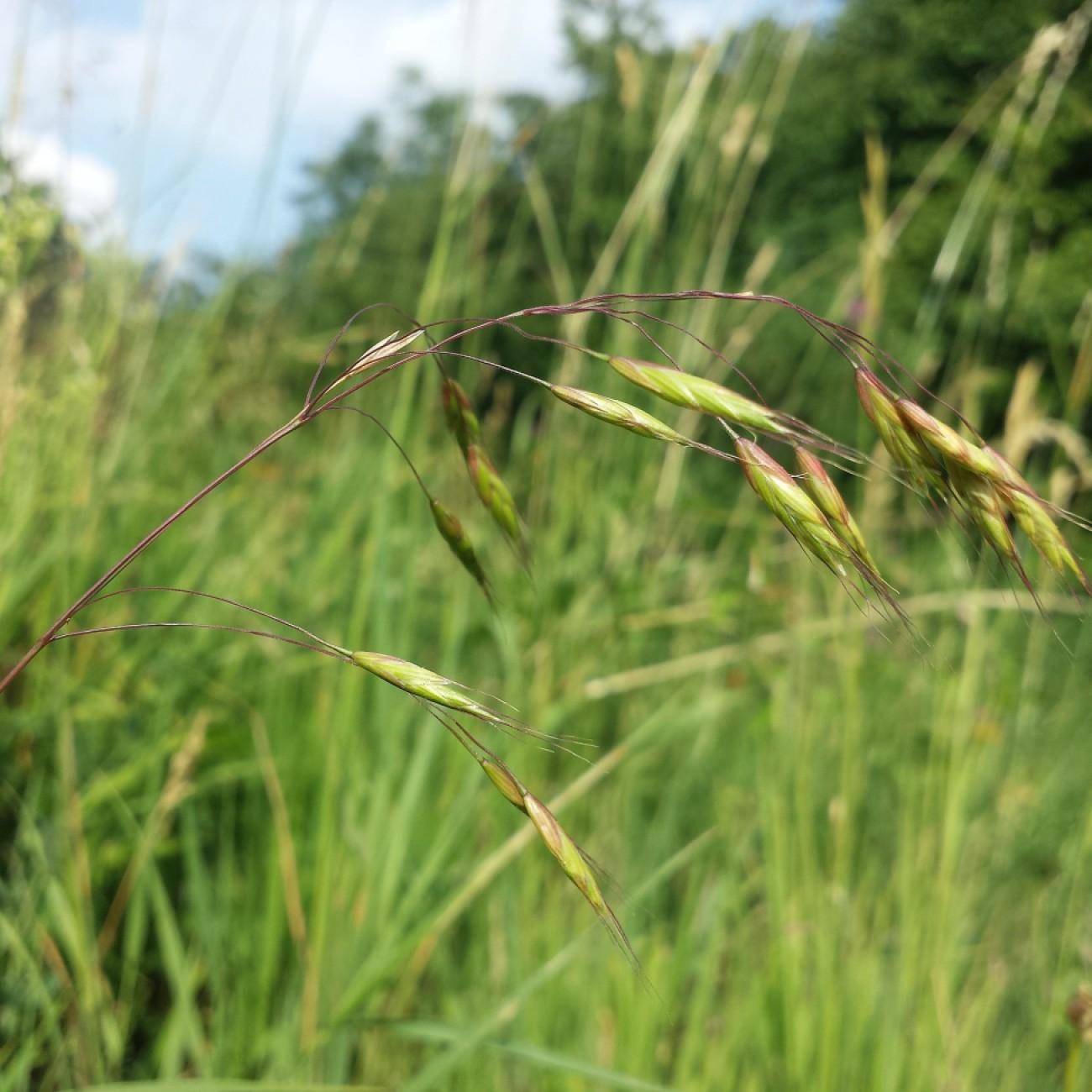
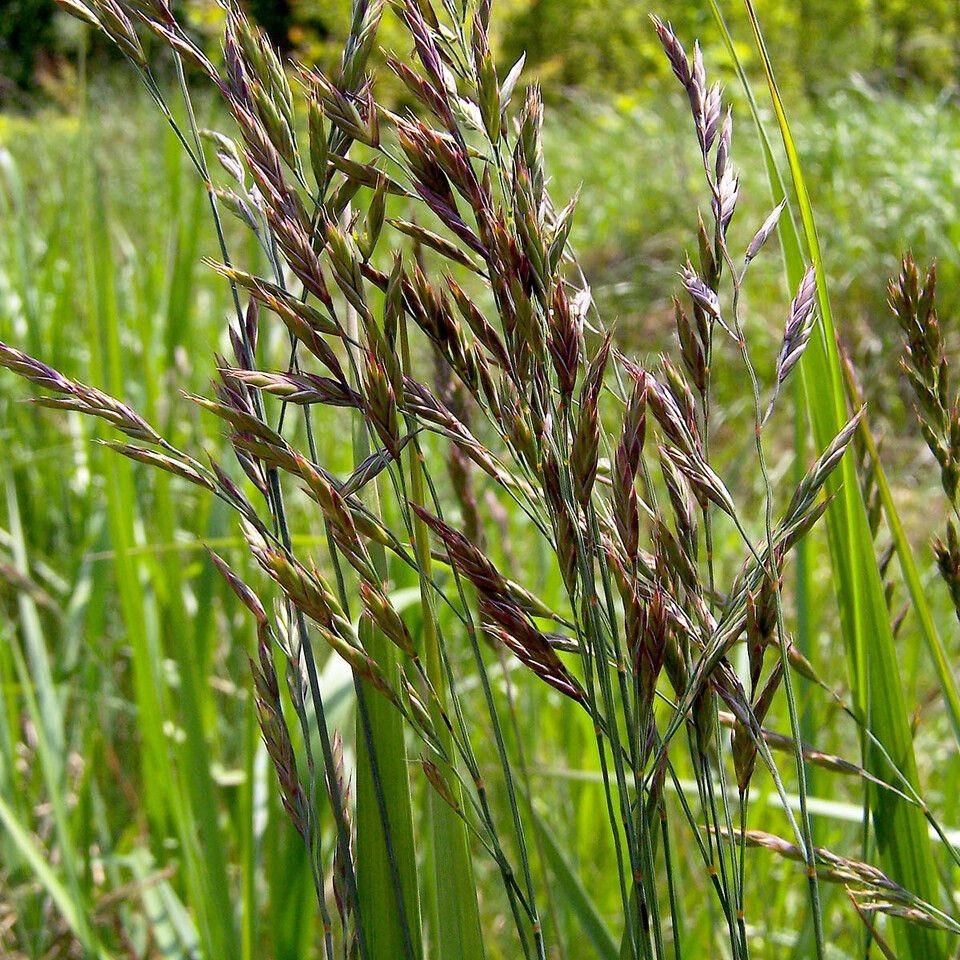
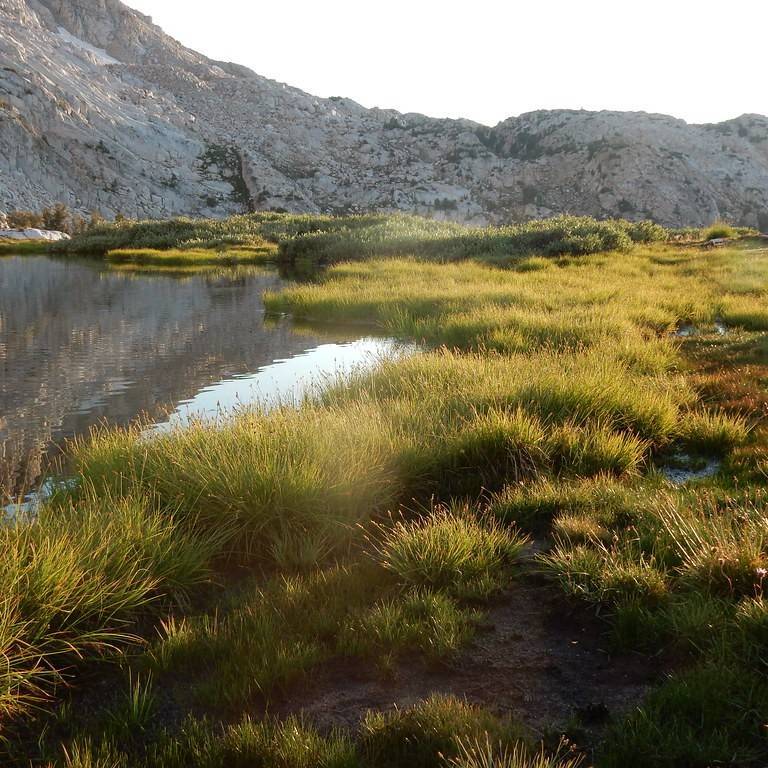
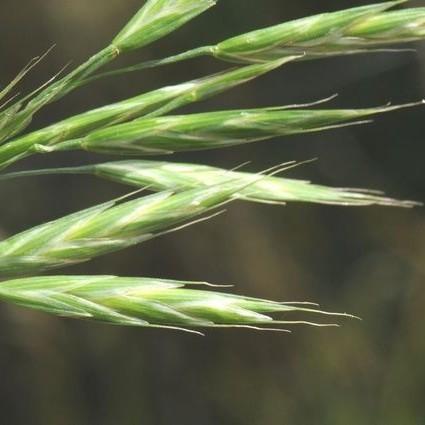
Alaska Brome is a robust, clumping cool-season grass that forms dense tufts of flat, green leaf blades and tall, nodding seed heads in late spring. It is naturally adapted to moist, coastal habitats including meadows, stream banks, and forest edges, where it stabilizes soil with its deep, fibrous root system. It is widely used in ecological restoration projects and as a forage crop for livestock and wild grazing animals.
Care Guide
Watering
Alaska Brome prefers consistently moist, well-drained soil, and tolerates occasional flooding better than many dryland grass species. Water regularly during establishment to support deep root growth; once mature, it only requires supplemental irrigation during extended dry periods. Avoid overwatering in heavy, poorly draining soils to prevent root rot.
Light
This grass thrives in full sun to partial shade, performing best with at least 6 hours of direct sunlight daily for optimal growth and seed production. It can tolerate light dappled shade under open tree canopies, but overly shaded conditions will lead to sparse, leggy growth and reduced seed head formation.
Soil
Alaska Brome adapts to a wide range of soil types including sandy loam, silt, and clay, as long as drainage is adequate. It prefers a slightly acidic to neutral pH range of 5.5 to 7.5, and tolerates moderately saline soils common in coastal environments. It does not perform well in waterlogged, anaerobic soils for extended periods.
Fertilizer
This low-maintenance grass rarely requires fertilizer when grown in its native habitat or in average garden soil. If grown in poor, nutrient-deficient soil, apply a balanced 10-10-10 slow-release fertilizer once in early spring to support new growth. Avoid excessive nitrogen applications, which can lead to overly lush foliage prone to lodging.
Temperature
Alaska Brome is a cool-season grass that grows most actively in temperatures between 50°F and 75°F (10°C to 24°C). It is extremely cold hardy, tolerating winter temperatures as low as -40°F (-40°C) in its native northern range. High summer temperatures above 90°F (32°C) will slow growth and may trigger dormancy until cooler conditions return.
Pruning
Pruning is rarely required for Alaska Brome, but you can cut back dead foliage in late winter or early spring before new growth emerges to keep stands tidy. If grown to prevent self-seeding, trim off seed heads before they mature and disperse in late summer. Overgrown stands can be mowed to a height of 3-4 inches (7-10 cm) once per year in early spring to encourage fresh, dense growth.
Propagation
Alaska Brome is most easily propagated from seed, which can be sown directly outdoors in early fall or early spring when soil temperatures are above 40°F (4°C). Lightly cover seed with 1/8 to 1/4 inch (3-6 mm) of soil and keep moist until germination, which typically occurs within 10-21 days. It can also be propagated by dividing established clumps in early spring before active growth begins, replanting divisions at the same depth they were growing originally.
Humidity
This grass tolerates a wide range of humidity levels, thriving naturally in the high-humidity coastal environments of its native range. It performs well in average garden humidity levels of 40% to 70%, and has moderate drought tolerance once established despite its preference for moist conditions. It does not require any special humidity adjustments when grown in appropriate outdoor conditions.
Repotting
Alaska Brome is almost exclusively grown outdoors in landscape or restoration settings, so repotting is rarely necessary. If grown in containers for ornamental use, repot every 2-3 years in early spring, moving to a slightly larger pot with fresh, well-draining potting mix. Trim back any tangled or overgrown roots during repotting to encourage healthy new root development.
Uses & Symbolism
Alaska Brome is widely used in ecological restoration projects to stabilize eroding stream banks, coastal bluffs, and disturbed sites, thanks to its deep fibrous root system. It is a high-quality forage grass for livestock, deer, elk, and small mammals, and its seed heads provide food for native songbirds and game birds. It is also occasionally planted as an ornamental grass in native and wildlife-friendly gardens for its soft, arching foliage and nodding seed heads.
Diseases & Pests
Alaska Brome is relatively pest and disease resistant, but may be susceptible to common grass fungal pathogens including rust, leaf spot, and powdery mildew in overly wet, poorly ventilated conditions. Aphids and grasshoppers may occasionally feed on foliage, but damage is rarely severe enough to require treatment in established stands. Overly dense stands with poor air circulation are more prone to disease issues, so periodic thinning can help prevent problems.
Related plants
Other plants you might like if you grow Alaska Brome.