Alabama Snow Wreath
Neviusia alabamensis
Overview
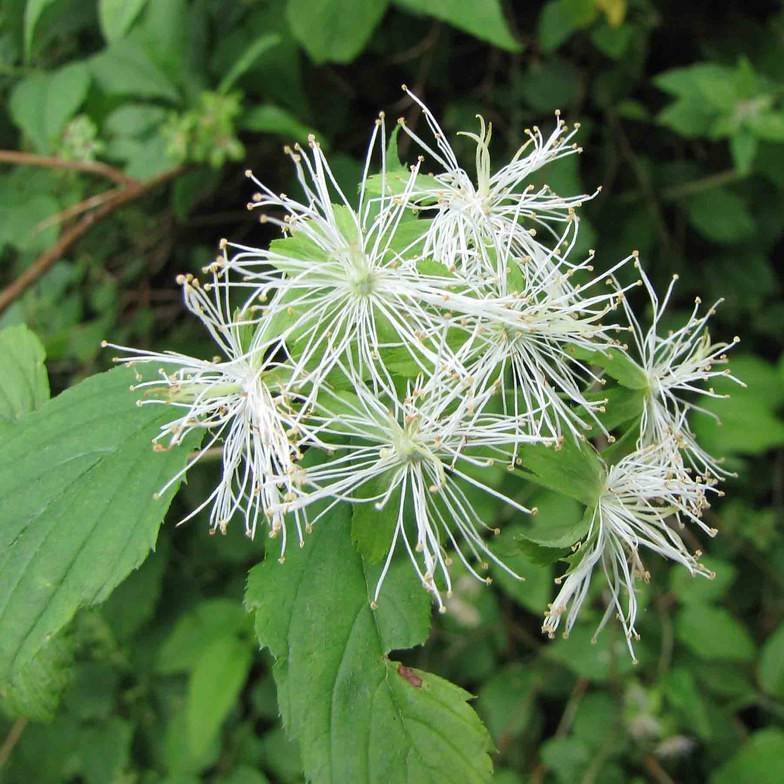
Alabama Snow Wreath is a rare deciduous shrub endemic to small, scattered populations in the southeastern US, most commonly found in rocky, wooded stream banks and limestone outcrops. It produces abundant clusters of small, petal-less white flowers with prominent yellow stamens in early spring, creating a fluffy, snow-dusted appearance across its arching branches. Its light green, serrated leaves turn soft yellow in fall, adding subtle seasonal interest to shaded garden landscapes.
Care Guide
Watering
Prefers consistently moist, well-drained soil, especially during its first few years of establishment; avoid letting the root zone dry out completely, even for mature specimens. Water deeply once or twice weekly during periods of drought, reducing frequency in cooler winter months when growth slows. Overwatering in heavy, compacted soil can lead to root rot, so always check the top 2 inches of soil for dryness before watering.
Light
Thrives in partial shade, such as dappled sunlight under tall deciduous trees, but can tolerate full sun in cooler regions if provided with ample moisture. Too much direct, intense afternoon sun in southern climates can scorch leaves and reduce bloom production, while full deep shade will result in sparse flowering and leggy growth. Position it in a spot that receives 3-6 hours of morning sun and afternoon shade for optimal performance.
Soil
Requires well-drained, loamy or sandy soil with a neutral to slightly alkaline pH, ideally with high organic matter content to mimic its native limestone outcrop habitat. It can tolerate poor, rocky soil as long as drainage is excellent, but will not survive in heavy, waterlogged clay soils that hold moisture around the roots for extended periods. Amending planting sites with compost and crushed limestone can adjust pH and improve drainage for garden-grown specimens.
Fertilizer
Apply a balanced, slow-release 10-10-10 fertilizer in early spring just before new growth emerges, taking care not to overfertilize, which can lead to excessive leggy growth and reduced flowering. Avoid fertilizing after mid-summer, as this can encourage tender new growth that will be damaged by early fall frosts. For naturally nutrient-rich soils, a yearly topdressing of well-rotted compost may be sufficient to support healthy growth without additional synthetic fertilizer.
Temperature
Adaptable to USDA hardiness zones 5 through 8, tolerating winter temperatures as low as -20°F (-29°C) without significant damage when established. It prefers mild, temperate conditions and will struggle in regions with consistently hot, humid summers above 95°F (35°C) without adequate shade and moisture. Late spring frosts can damage emerging flower buds, so planting in a sheltered spot away from cold, open wind exposure is recommended in cooler parts of its range.
Pruning
Prune immediately after flowering ends in late spring, as blooms form on the previous year’s wood; pruning in fall or winter will remove developing flower buds and reduce spring display. Remove dead, damaged, or crossing branches to improve air circulation through the shrub’s interior, and thin up to one-third of older, woody stems every 2-3 years to encourage vigorous new growth and more abundant blooms. You can also trim back overly long arching branches to maintain a compact, rounded shape if desired, but avoid heavy shearing that removes most of the previous year’s growth.
Propagation
Most commonly propagated via softwood cuttings taken in early summer, just after flowering has finished; dip cut ends in rooting hormone and plant in a moist, well-drained rooting medium under intermittent mist for best results. It can also be propagated by division of established clumps in late winter or early spring before new growth emerges, carefully separating root suckers from the parent plant and replanting them immediately. Seed propagation is possible but very slow, as seeds have a hard outer coat that requires cold stratification for 3-4 months, and germination rates are typically very low.
Humidity
Prefers moderate humidity levels between 40% and 60%, similar to its native southeastern woodland habitat, but can tolerate average home or garden humidity levels as long as soil moisture is maintained. Very low humidity, below 30%, can cause leaf tip browning and premature leaf drop, so provide occasional misting or a nearby water source in extremely dry conditions. It tolerates the higher humidity of southern gardens well as long as there is adequate air circulation around the foliage to prevent fungal diseases.
Repotting
Alabama Snow Wreath is almost exclusively grown as an outdoor landscape plant, so repotting is rarely required unless it is being grown in a large container for patio display. Container-grown specimens should be repotted every 2-3 years in late winter before new growth starts, moving to a pot one size larger with fresh, well-drained soil amended with limestone. Be careful not to damage the shallow, fibrous root system during repotting, and water thoroughly after transplanting to reduce transplant shock.
Uses & Symbolism
Primarily grown as an ornamental shrub in native plant gardens, shaded woodland landscapes, and pollinator gardens, where its spring blooms support early emerging bees and other beneficial insects. Its arching growth habit and abundant white flowers make it an attractive specimen plant for foundation plantings or border edges, and it is often used in conservation plantings to support rare southeastern native ecosystem biodiversity. It has no significant culinary or medicinal uses, but its rarity makes it a prized addition to specialized native plant collections.
Diseases & Pests
Generally resistant to most common pests and diseases, but can develop fungal leaf spot or powdery mildew in conditions of poor air circulation and excessive moisture on the foliage. Root rot can occur if planted in heavy, poorly drained soil, so proper site preparation with ample drainage amendments is critical to prevent this fatal condition. Rarely, aphids or spider mites may infest new growth, but these can be controlled with insecticidal soap or horticultural oil applications before populations become large.
Related plants
Other plants you might like if you grow Alabama Snow Wreath.
%22%2F%3E%0A%20%20%20%20%20%20%3Ccircle%20cx%3D%22920%22%20cy%3D%22180%22%20r%3D%2290%22%20fill%3D%22%23cfe8d5%22%2F%3E%0A%20%20%20%20%20%20%3Cpath%20d%3D%22M600%20590c-90-180-215-255-310-280%200%20165%20118%20296%20270%20296h40z%22%20fill%3D%22%2379b88e%22%2F%3E%0A%20%20%20%20%20%20%3Cpath%20d%3D%22M600%20590c80-150%20198-212%20302-228-8%20142-123%20255-270%20255h-32z%22%20fill%3D%22%235c9f73%22%2F%3E%0A%20%20%20%20%20%20%3Cpath%20d%3D%22M600%20610V360%22%20stroke%3D%22%234f8c64%22%20stroke-width%3D%2218%22%20stroke-linecap%3D%22round%22%2F%3E%0A%20%20%20%20%20%20%3Ctext%20x%3D%22600%22%20y%3D%22700%22%20text-anchor%3D%22middle%22%20font-family%3D%22Arial%2C%20sans-serif%22%20font-size%3D%2244%22%20fill%3D%22%23365c45%22%3E%0A%20%20%20%20%20%20%20%20Plant%20image%20coming%20soon%0A%20%20%20%20%20%20%3C%2Ftext%3E%0A%20%20%20%20%3C%2Fsvg%3E%0A%20%20)