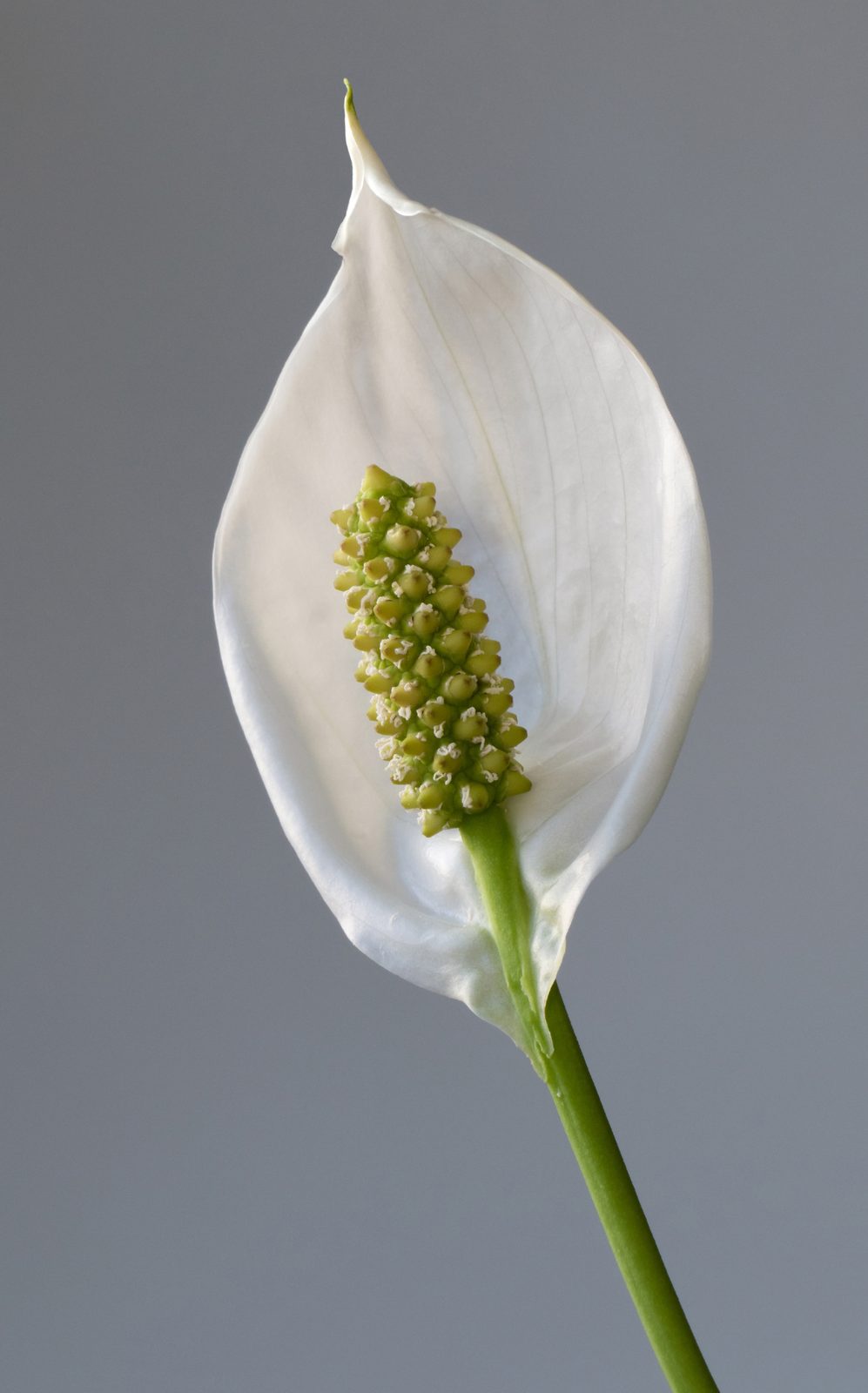
Peace Lily
Spathiphyllum wallisii
Aperçu
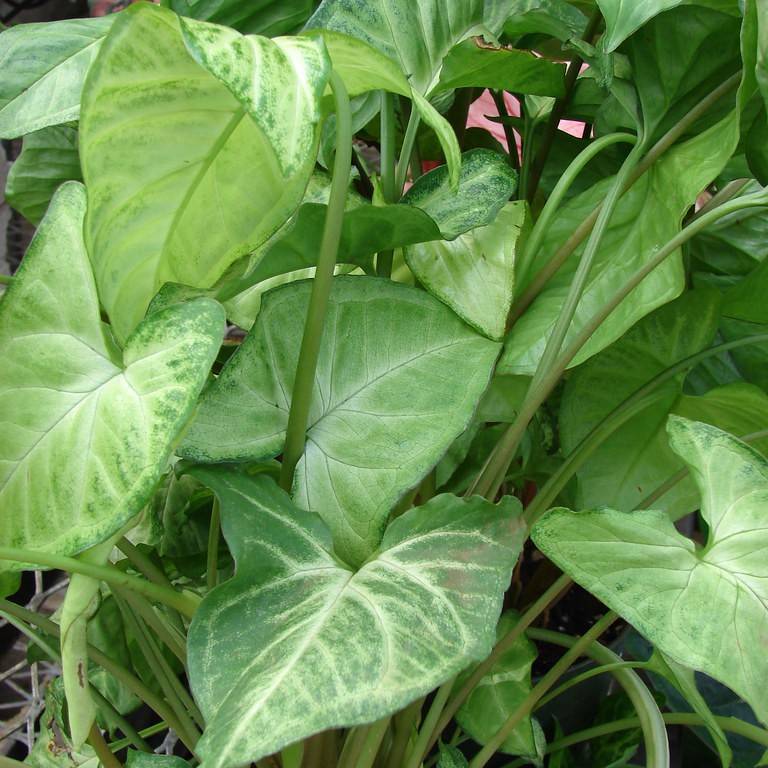
Les lis de la paix sont des plantes vivaces tropicales appréciées pour leur adaptabilité aux conditions intérieures et leurs qualités purificatrices de l'air, car elles filtrent les toxines domestiques courantes comme le formaldéhyde et le benzène de l'air. Leurs fleurs caractéristiques consistent en une spathe blanc crème en forme de capuchon entourant un spadice central jaune pâle, qui peut durer plusieurs semaines avant de virer au vert. Originaires des habitats tropicaux du sous-étage, ils prospèrent dans une lumière faible à modérée, ce qui les rend idéaux pour les espaces intérieurs sombres qui ne reçoivent pas de soleil direct.
Guide d'entretien
Arrosage
Les lis de la paix préfèrent un sol constamment humide mais pas gorgé d'eau ; laissez les 1 à 2 pouces supérieurs du sol sécher entre les arrosages pour éviter la pourriture des racines. Ils communiquent très bien sur leurs besoins en eau, se fanent sensiblement lorsqu'ils ont soif et récupèrent rapidement une fois hydratés, bien qu'un flétrissement répété puisse stresser la plante au fil du temps. Utilisez de l'eau filtrée ou à température ambiante pour éviter le brunissement de l'extrémité des feuilles causé par le chlore ou le fluorure présent dans l'eau du robinet.
Lumière
Les lis de la paix prospèrent dans une lumière vive et indirecte, mais tolèrent bien les conditions de faible luminosité, ce qui les rend adaptés aux pièces orientées au nord ou aux espaces éloignés des fenêtres. Évitez la lumière directe et intense du soleil, qui peut brûler leurs feuilles, provoquer un jaunissement ou brûler les délicates spathes blanches. Ils peuvent même pousser sous un éclairage fluorescent, ce qui en fait un choix populaire pour les environnements de bureau.
Sol
Utilisez un terreau bien drainé à base de tourbe avec un pH légèrement acide compris entre 5,5 et 6,5 pour imiter leur sol de sous-étage tropical natif. Des amendements comme de la perlite ou de l'écorce d'orchidée peuvent être ajoutés pour améliorer le drainage et l'aération, évitant ainsi le compactage du sol qui retient trop d'humidité. Évitez les sols lourds et argileux qui retiennent l’excès d’eau autour du système racinaire.
Fertilisation
Nourrissez les lis de la paix avec un engrais pour plantes d'intérieur équilibré et soluble dans l'eau dilué à moitié une fois toutes les 6 à 8 semaines pendant la saison de croissance du printemps et de l'été. Évitez de trop fertiliser, car cela peut provoquer le brunissement de l'extrémité des feuilles, l'accumulation de sel dans le sol et une floraison réduite. Aucun engrais n'est nécessaire pendant les mois d'automne et d'hiver lorsque la plante entre dans une période de croissance plus lente.
Température
Les lis de la paix préfèrent des températures intérieures constantes entre 65 et 85 °F (18 et 29 °C), ce qui correspond aux conditions domestiques typiques. Ils sont sensibles aux courants d'air froids et aux températures inférieures à 55 °F (13 °C), ce qui peut provoquer le jaunissement des feuilles, le flétrissement ou des dommages permanents à la plante. Éloignez-les des bouches d'aération de la climatisation, des fenêtres à courants d'air et des portes extérieures pendant les mois froids.
Taille
Taillez les tiges florales fanées à la base une fois que la spathe devient verte ou brune pour encourager une nouvelle croissance et une floraison répétée. Retirez les feuilles jaunies, endommagées ou à pointe brune en les coupant à la base de la tige pour conserver l’apparence soignée de la plante et améliorer la circulation de l’air. Essuyez régulièrement les feuilles avec un chiffon humide pour éliminer la poussière, ce qui aide la plante à photosynthétiser efficacement et prévient les infestations de parasites.
Multiplication
Les lis de la paix se multiplient plus facilement par division lors du rempotage au printemps ; séparez soigneusement les touffes de racines et de feuillage, en vous assurant que chaque division comporte au moins 2 à 3 feuilles saines et une partie du système racinaire. Plantez chaque division dans son propre pot avec un terreau frais et bien drainé, arrosez abondamment et conservez-la dans un endroit chaud et à lumière indirecte jusqu'à ce qu'une nouvelle croissance apparaisse. La multiplication à partir de graines est extrêmement rare pour les cultivateurs amateurs, car elle nécessite des conditions de pollinisation spécifiques et des temps de germination très longs.
Humidité
Les lis de la paix préfèrent des niveaux d'humidité modérés à élevés compris entre 40 et 70 %, ce qui imite leur habitat tropical d'origine. Une faible humidité peut provoquer des pointes de feuilles brunes, alors augmentez l'humidité en vaporisant régulièrement les feuilles, en plaçant le pot sur un plateau rempli de cailloux et d'eau ou en utilisant un petit humidificateur près de la plante. Elles s’adaptent bien aux niveaux d’humidité intérieurs moyens, ce qui les rend plus indulgentes que de nombreuses autres plantes d’intérieur tropicales.
Rempotage
Rempotez les lis de la paix tous les 2-3 ans au printemps, ou lorsque les racines commencent à pousser hors des trous de drainage ou que la plante devient liée aux racines, ce qui peut la faire flétrir plus fréquemment. Choisissez un pot d'un diamètre de 1 à 2 pouces plus grand que le pot actuel, avec des trous de drainage adéquats pour éviter un arrosage excessif. Après le rempotage, arrosez abondamment et évitez de fertiliser pendant 4 à 6 semaines pour permettre au système racinaire de s'adapter au nouveau sol.
Usages et symbolique
Les lis de la paix sont principalement cultivés comme plantes d'intérieur ornementales, appréciés pour leur feuillage attrayant et leurs fleurs blanches durables qui ajoutent un intérêt visuel aux espaces intérieurs. Ils sont largement reconnus pour leurs capacités de purification de l’air, telles qu’identifiées dans l’étude Clean Air Study de la NASA, où ils ont filtré les composés organiques volatils courants comme le formaldéhyde, le benzène et le trichloréthylène de l’air intérieur. Dans certains contextes culturels, ils sont offerts en cadeau pour symboliser la paix, la sympathie ou la prospérité, car leurs fleurs blanches sont associées à la pureté et à la tranquillité.
Maladies et ravageurs
Les lis de la paix sont relativement résistants aux parasites, mais ils peuvent être affectés par des ravageurs courants des plantes d'intérieur comme les tétranyques, les cochenilles et les pucerons, qui peuvent être traités avec de l'huile de neem, du savon insecticide ou un essuyage régulier des feuilles. L'arrosage excessif est le problème le plus courant, entraînant la pourriture des racines, le jaunissement des feuilles et la croissance fongique à la surface du sol, qui peuvent être évités en permettant à la couche supérieure du sol de sécher entre les arrosages. Les extrémités brunes des feuilles sont généralement causées par une faible humidité, une fertilisation excessive ou un excès de chlore/fluorure dans l'eau du robinet, et peuvent être coupées avec des ciseaux propres tout en ajustant les pratiques de soins pour éviter la récidive.
Related plants
Other plants you might like if you grow Peace Lily.