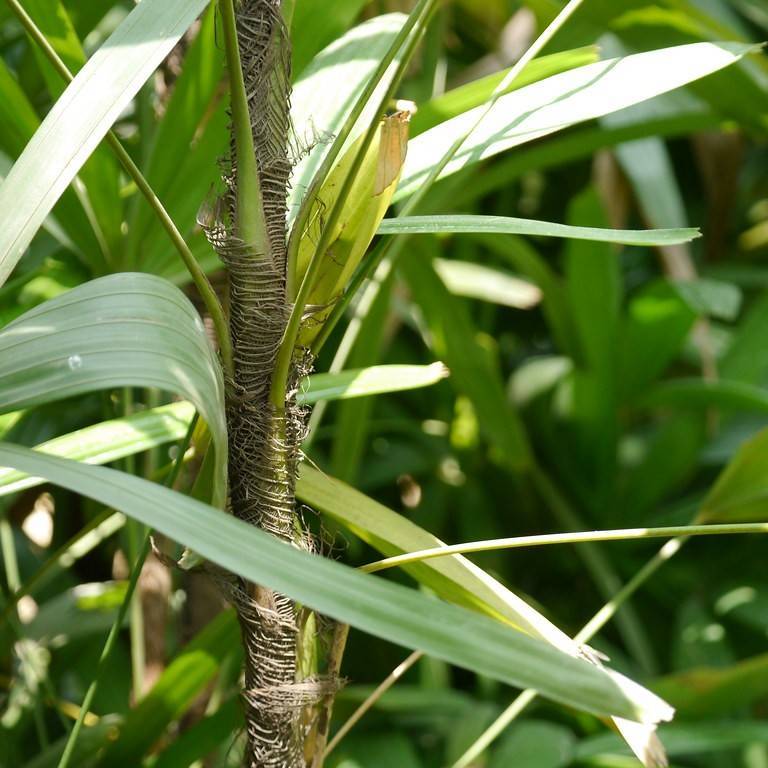
Lady Palm
Rhapis excelsa
Overview
Lady palm is a slow-growing, clumping palm species that forms dense clusters of slender, bamboo-like stems topped with glossy, deeply divided fan fronds with blunt, rounded tips. It is highly adaptable to low-light conditions and tolerant of occasional neglect, making it one of the most popular palm varieties for indoor cultivation. In its native habitat, it grows in shaded forest understories, where it spreads gradually via underground rhizomes to form large, lush colonies.
Care Guide
Watering
Allow the top 1-2 inches of soil to dry out between waterings, reducing frequency significantly during the winter months when growth slows. Overwatering is the most common issue for lady palms, so ensure pots have ample drainage holes and never leave the plant sitting in standing water to prevent root rot.
Light
Thrives in bright, indirect light but tolerates very low light conditions well, making it suitable for dimly lit indoor rooms or shaded outdoor patios. Avoid direct, intense sunlight, which can scorch the fronds and cause unsightly yellow or brown discoloration on leaf tips.
Soil
Requires a well-draining, loamy potting mix with a slightly acidic to neutral pH between 6.0 and 7.0 for optimal growth. A mix of standard potting soil, perlite, and peat moss or coco coir works well, as it retains moderate moisture while preventing excess saturation around the roots.
Fertilizer
Feed with a balanced, diluted liquid palm fertilizer once a month during the spring and summer growing season only. Avoid fertilizing in fall and winter, when the plant is dormant, as this can lead to salt buildup in the soil that burns root systems and damages fronds.
Temperature
Prefers average indoor temperatures between 60-80°F (16-27°C) and can tolerate brief dips down to 20°F (-7°C) if grown outdoors in mild climates. Protect from cold drafts and sudden temperature fluctuations, which can cause leaf browning and stunted growth.
Pruning
Remove yellow, brown, or damaged fronds at the base of the stem with clean, sharp pruning shears as needed to maintain a tidy appearance. Avoid over-pruning, as lady palms grow slowly and removing too many healthy fronds can stress the plant and slow its development further.
Propagation
Most easily propagated by dividing mature clumps during repotting in spring, carefully separating rhizome sections with at least 2-3 healthy stems and roots each. While it can be grown from seed, germination is slow and erratic, taking 6-12 months or longer, so division is the preferred method for home growers.
Humidity
Adaptable to average household humidity levels between 40-60%, though it benefits from occasional misting or a pebble tray with water in very dry indoor environments. Brown leaf tips are often a sign of excessively low humidity, but do not impact the overall health of the plant.
Repotting
Repot only once every 3-4 years in spring, as lady palms prefer to be slightly root-bound and grow best when undisturbed. When repotting, choose a pot only 1-2 inches larger than the current one to avoid excess soil that retains too much moisture around the roots.
Uses & Symbolism
Lady palm is widely cultivated as a low-maintenance houseplant, particularly for offices and low-light residential spaces, and is recognized by NASA as one of the top air-purifying plants, filtering formaldehyde, benzene, and ammonia from indoor air. In warm, frost-free climates, it is grown as a landscape plant for shaded gardens, privacy screens, and container plantings on patios. Its dense, compact growth and non-toxic nature make it a safe choice for homes with children and pets.
Diseases & Pests
Lady palm is relatively pest-resistant, but may occasionally be affected by common houseplant pests including spider mites, scale insects, and mealybugs, which can be treated with neem oil or insecticidal soap. Overwatering can lead to root rot, the most common fungal disease, which presents as yellowing fronds, mushy stems, and a foul odor from the soil. Exposure to direct sunlight or very dry air can cause cosmetic leaf tip browning, which can be trimmed off without harming the plant.
Related plants
Other plants you might like if you grow Lady Palm.