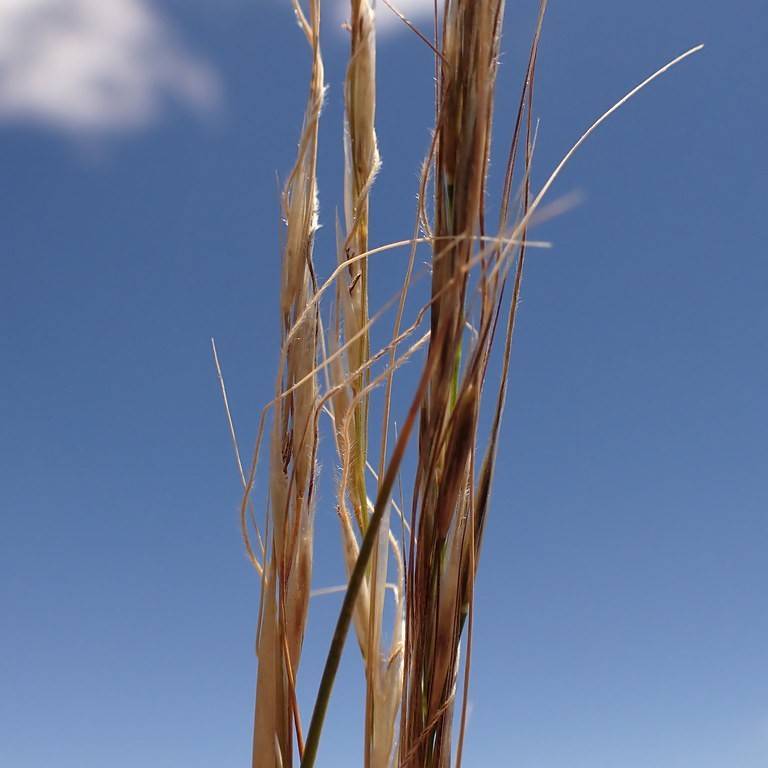
Common Western Needlegrass
Eriocoma occidentalis (formerly Achnatherum occidentale)
Overview
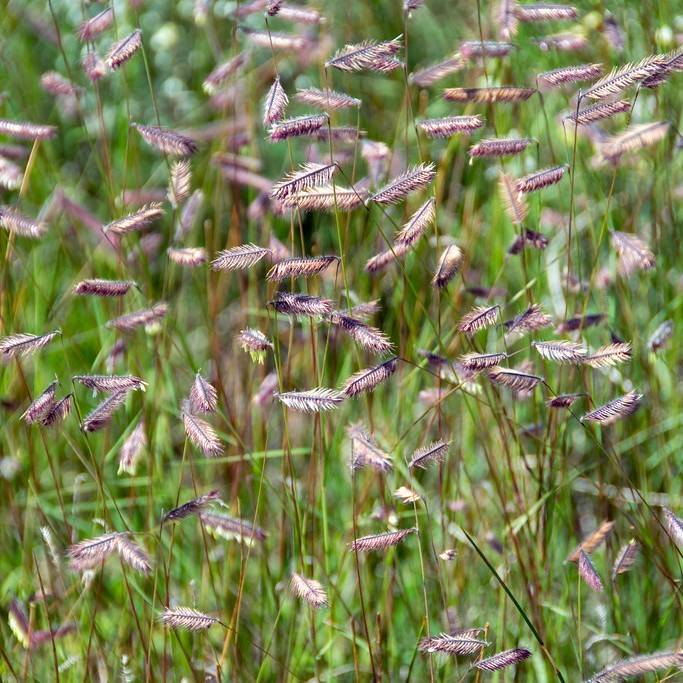
Common western needlegrass is a widespread, clumping cool-season grass adapted to dry, open habitats including prairies, sagebrush steppe, and oak woodlands across the western U.S. and southern Canada. It produces narrow, rolled leaf blades and delicate, open seed heads with sharp, needle-like awns that twist as they dry to help bury seeds in the soil. This deep-rooted species is highly resistant to drought and erosion, making it a staple for habitat restoration and low-water landscaping in its native range.
Care Guide
Watering
Drought-tolerant once established, requiring only occasional supplemental water during extended periods of extreme heat or drought in its native range. Young plants need regular, light watering for the first 1-2 growing seasons to establish a deep root system, but overwatering will cause root rot and fungal disease. Avoid saturating the soil for long periods, as this species is adapted to well-drained, dry conditions.
Light
Thrives in full, direct sunlight, requiring a minimum of 6 hours of unobstructed sun per day to grow vigorously and produce abundant seed heads. It can tolerate very light, dappled shade for short periods, but prolonged shade will lead to sparse growth, weak stems, and reduced flowering. It is well-adapted to the intense sun exposure of high-elevation and arid western landscapes.
Soil
Prefers well-drained, sandy, loamy, or gravelly soils with a neutral to slightly alkaline pH, and can tolerate poor, low-nutrient soils common in arid western habitats. It will not thrive in heavy, compacted clay soils or poorly drained sites that hold standing water after rain, as these conditions cause root rot. Amending heavy soils with coarse sand or gravel before planting will improve drainage and support healthier growth.
Fertilizer
Requires very little supplemental fertilization, as it is adapted to low-nutrient native soils. Over-fertilizing with nitrogen-rich products will lead to excessive, floppy leaf growth and reduced drought tolerance. A light application of a balanced, slow-release fertilizer once per year in early spring is only necessary for plants growing in extremely nutrient-poor soils.
Temperature
A cool-season grass, it grows most actively in spring and fall, tolerating winter temperatures as low as -30°F (-34°C) in its native range. It is highly heat-tolerant, surviving summer temperatures above 100°F (38°C) by going partially dormant during the hottest, driest months of late summer. It is not suited to humid, tropical climates, as prolonged high humidity increases the risk of fungal disease.
Pruning
Requires minimal pruning; cut back dead foliage to 2-3 inches above the soil line in late winter or early spring before new growth emerges to keep the clump tidy and encourage fresh, healthy growth. Avoid cutting back during active growth periods, as this can weaken the plant and reduce its ability to store energy for drought periods. Remove spent seed heads if self-seeding is unwanted, as the sharp awns can be a minor nuisance for pets and livestock when dry.
Propagation
Most commonly propagated from seed, which can be directly sown in late fall or early spring, either lightly raked into the soil surface or pressed into the soil to ensure good contact without deep burial. Seed requires a 30-60 day cold stratification period to break dormancy, which can be achieved naturally by sowing in fall before winter frost. It can also be propagated by dividing mature clumps in early spring, though this method is less common as the deep, fibrous root system is easily damaged during division.
Humidity
Adapted to the low to moderate humidity levels of its native western North American habitats, tolerating relative humidity levels as low as 10% during arid summer periods. It does not tolerate prolonged high humidity above 70%, which can lead to foliar fungal diseases such as rust and leaf spot. Ensure plants have good air circulation to reduce moisture buildup around the foliage in areas with higher seasonal humidity.
Repotting
Rarely grown in containers, as its deep, extensive root system requires ample room to spread, and it thrives best when planted directly in the ground in its native range. If grown in a container for habitat restoration nursery stock, use a deep pot of at least 12 inches in depth, and repot annually in early spring before new growth begins to prevent root binding. Use a well-drained, sandy potting mix with no added water-retention additives to mimic its native soil conditions.
Uses & Symbolism
Valued as a high-quality forage grass for livestock and native wildlife including elk, deer, and small mammals, providing nutrition in early spring before warm-season grasses emerge. It is widely used in native habitat restoration projects to control erosion, support pollinators, and provide cover and food for grassland bird species. It is also a popular choice for low-water, native plant landscaping and xeriscaping in western North America, adding texture and movement to meadow and rock garden designs.
Diseases & Pests
Generally resistant to most pests and diseases, but can be susceptible to foliar fungal diseases including rust, leaf spot, and powdery mildew in conditions of high humidity, poor air circulation, or overwatering. Root rot is a common issue in poorly drained, heavy soils that hold standing water for extended periods, which can quickly kill mature plants. Occasional aphid infestations may occur on new growth in spring, but these are rarely severe and can be controlled with a strong spray of water or natural predators such as ladybugs.
Related plants
Other plants you might like if you grow Common Western Needlegrass.
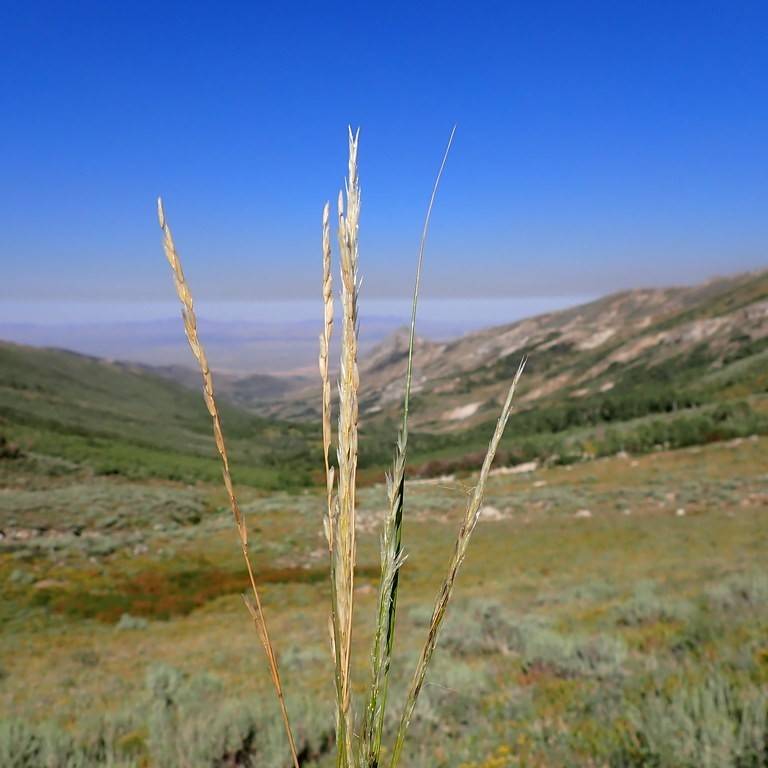
Columbia Needlegrass
Eriocoma nelsonii subsp. dorei (syn. Achnatherum nelsonii subsp. dorei)
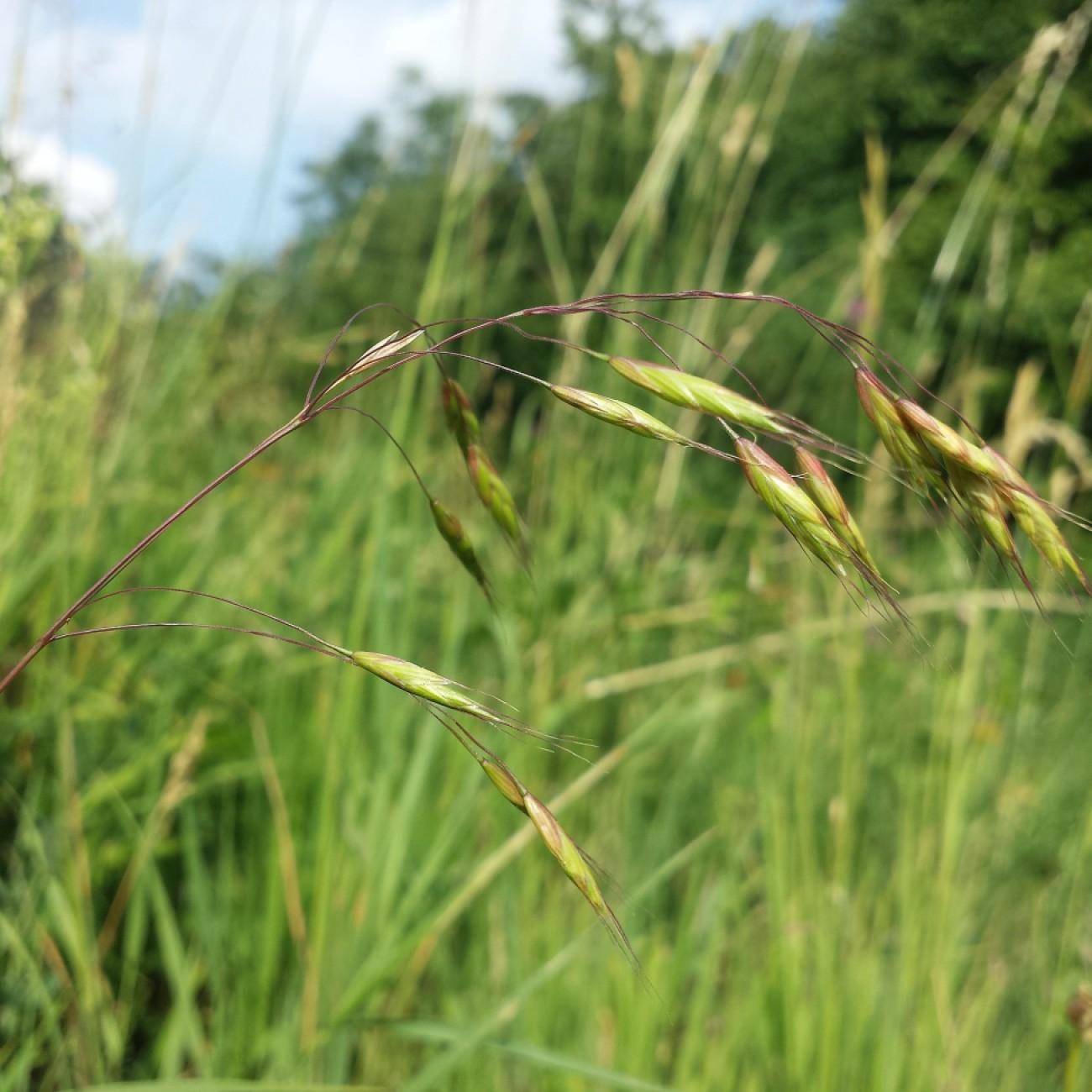
California Brome
Bromus carinatus
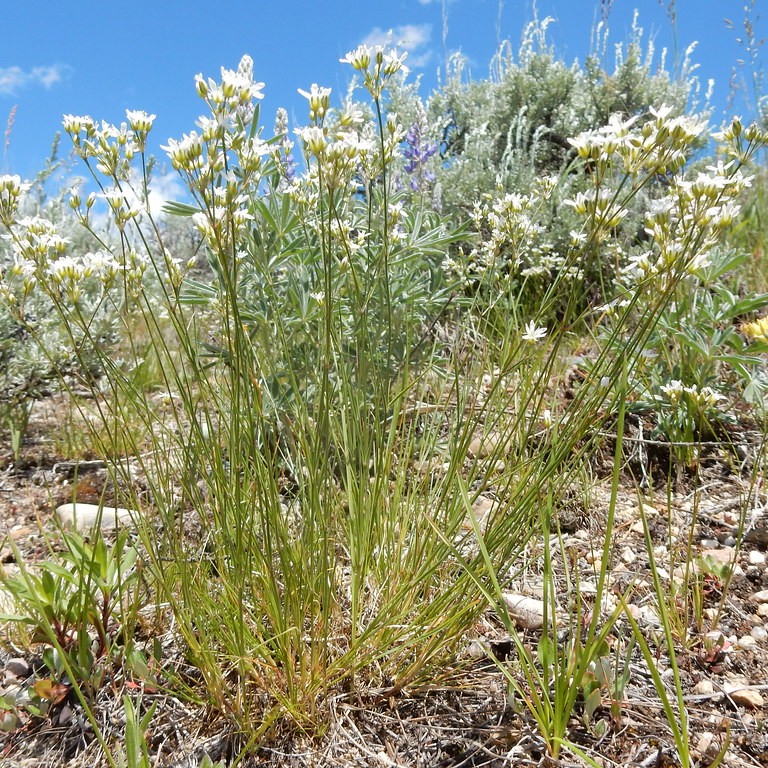
Idaho Fescue
Festuca idahoensis
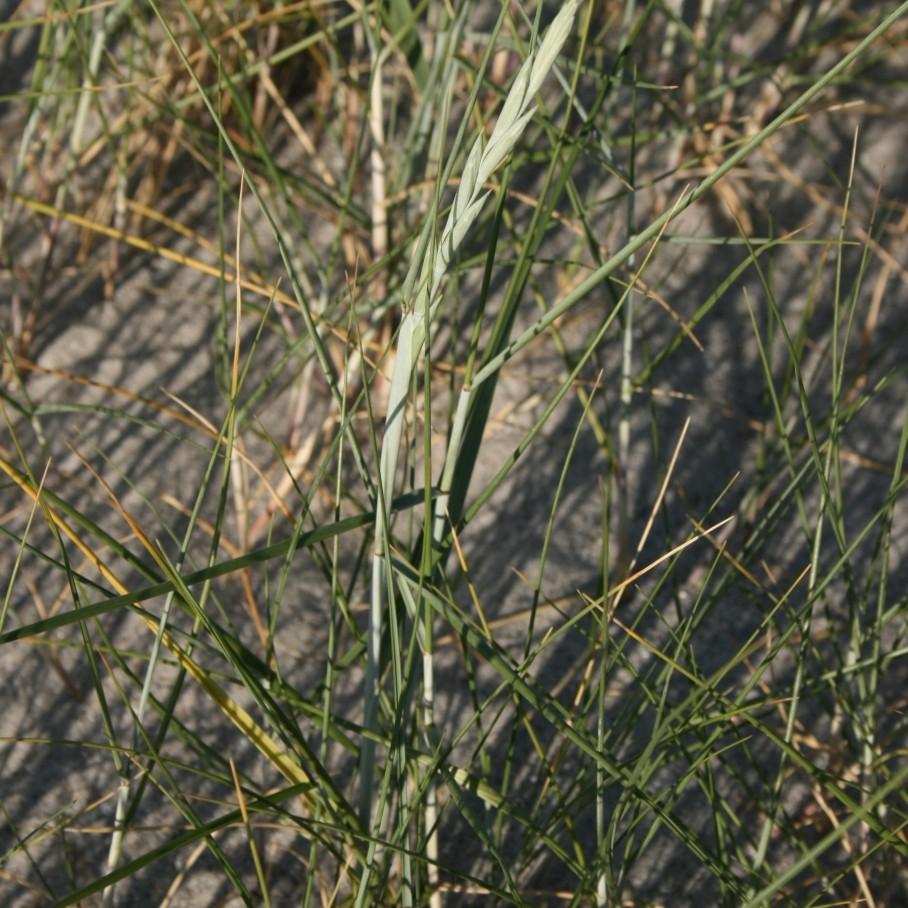
Lemmon's Needlegrass
Eriocoma lemmonii
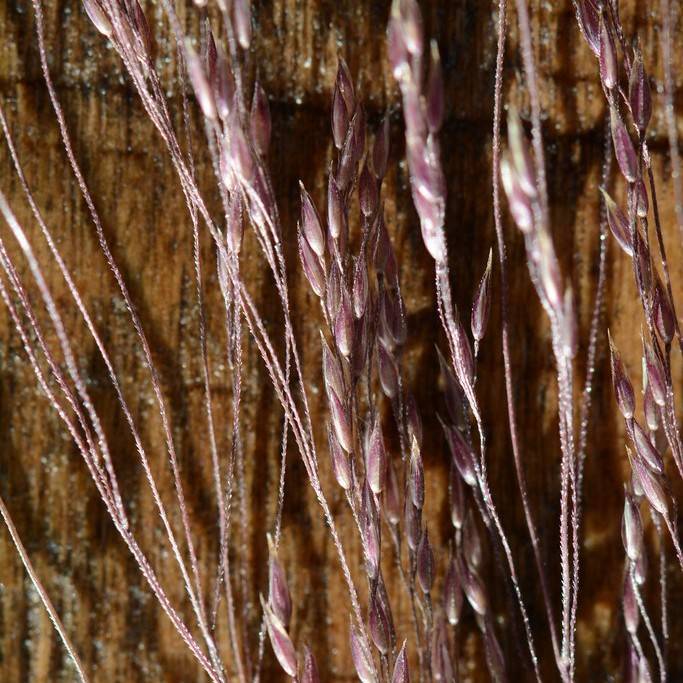
Idaho Bentgrass
Agrostis idahoensis
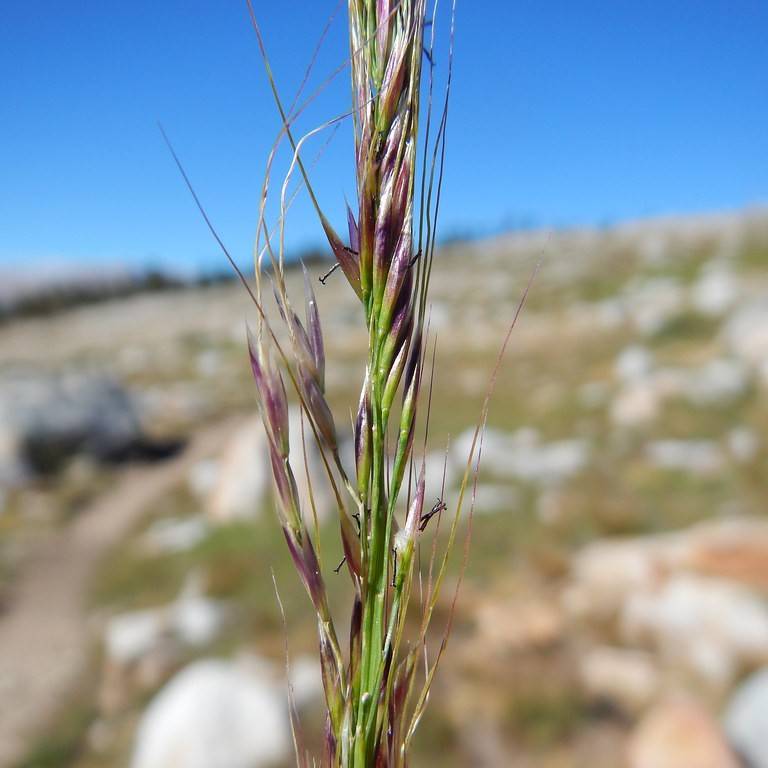
California Needlegrass
Nassella pulchra
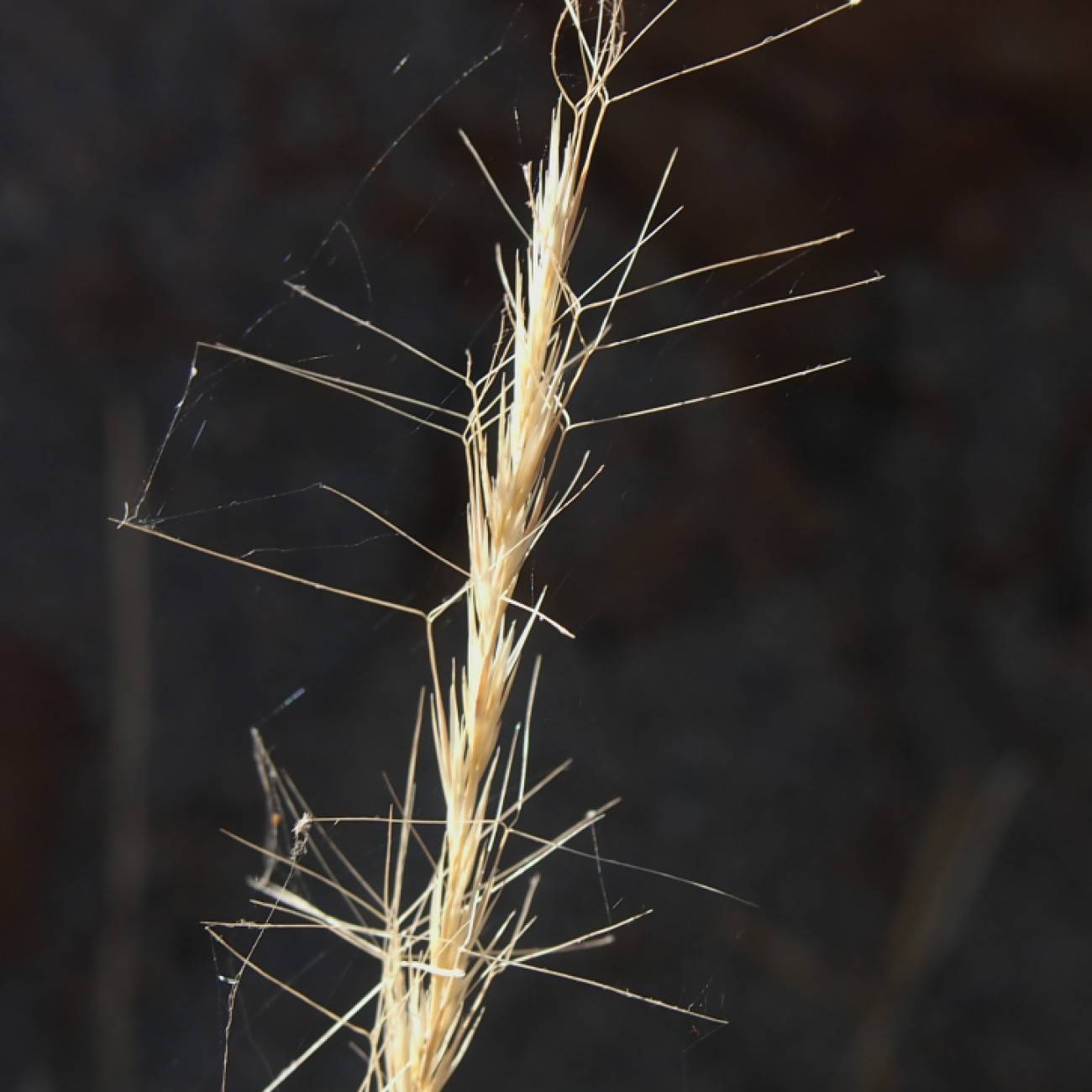
Forked Three Awned Grass
Aristida dichotoma
Hairy Grama
Bouteloua hirsuta