Inula
Inula spp.
Overview
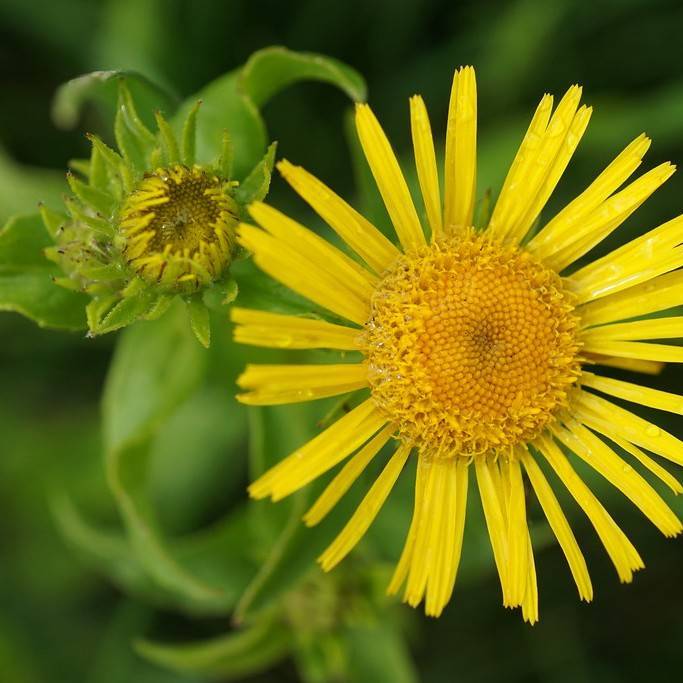
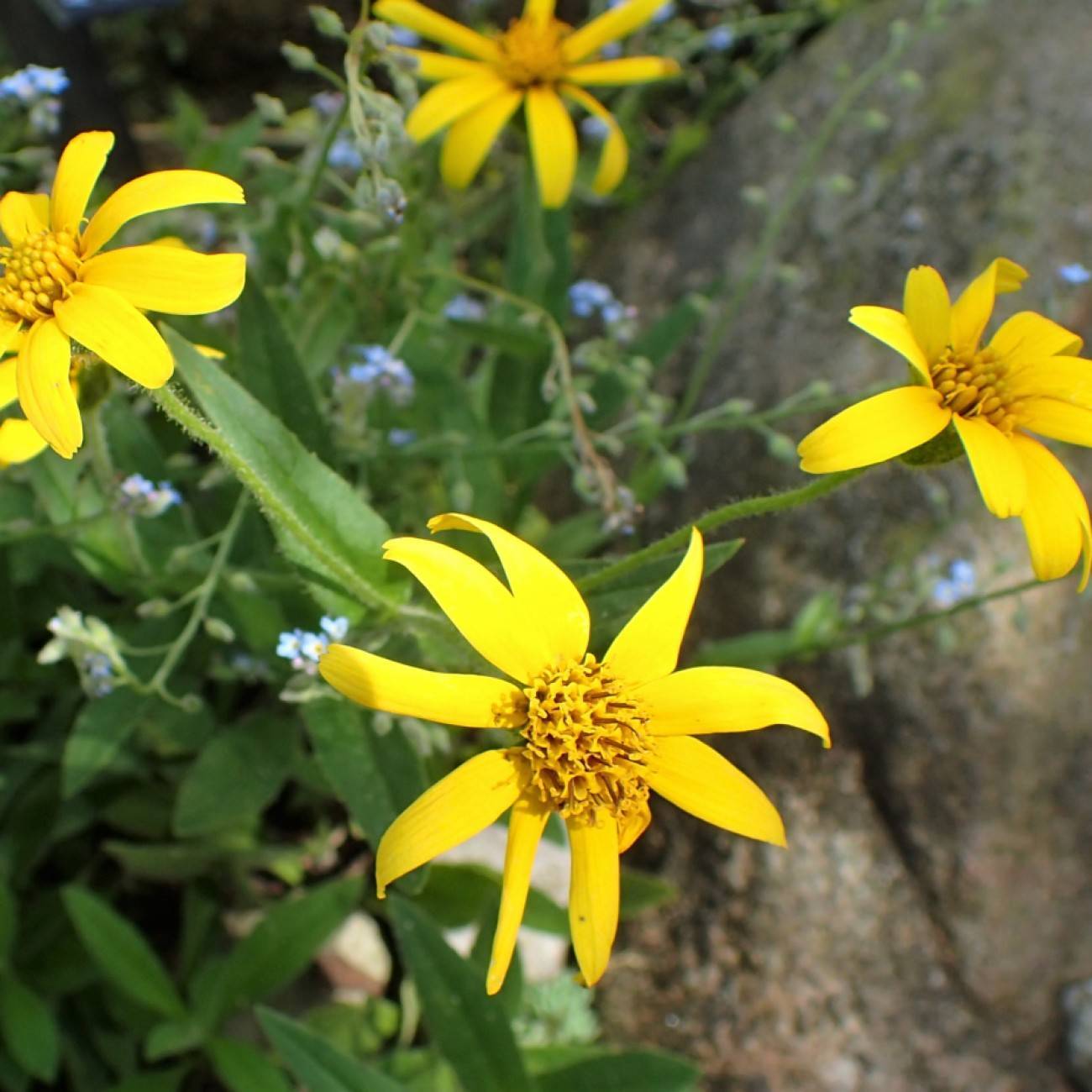
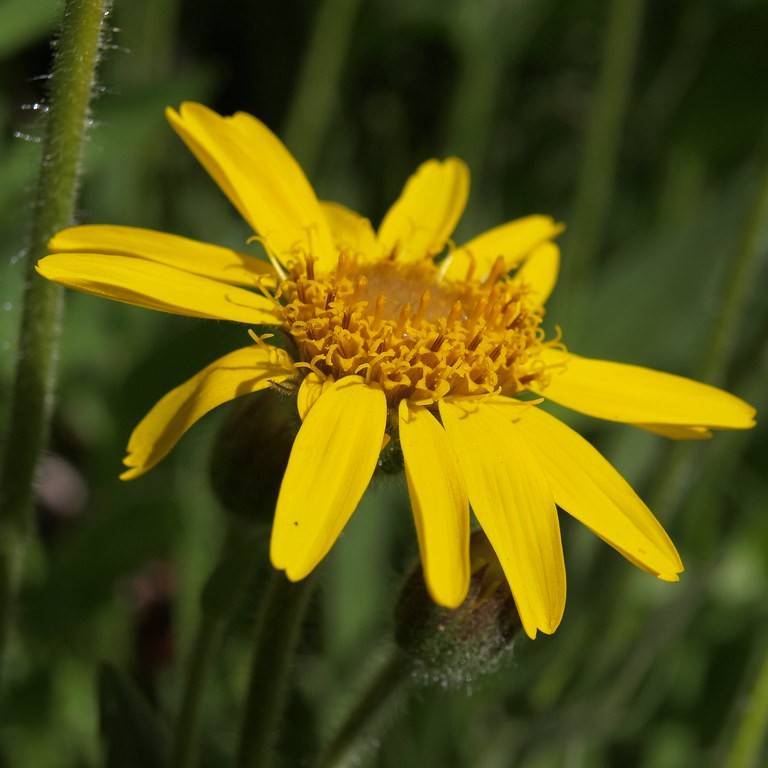
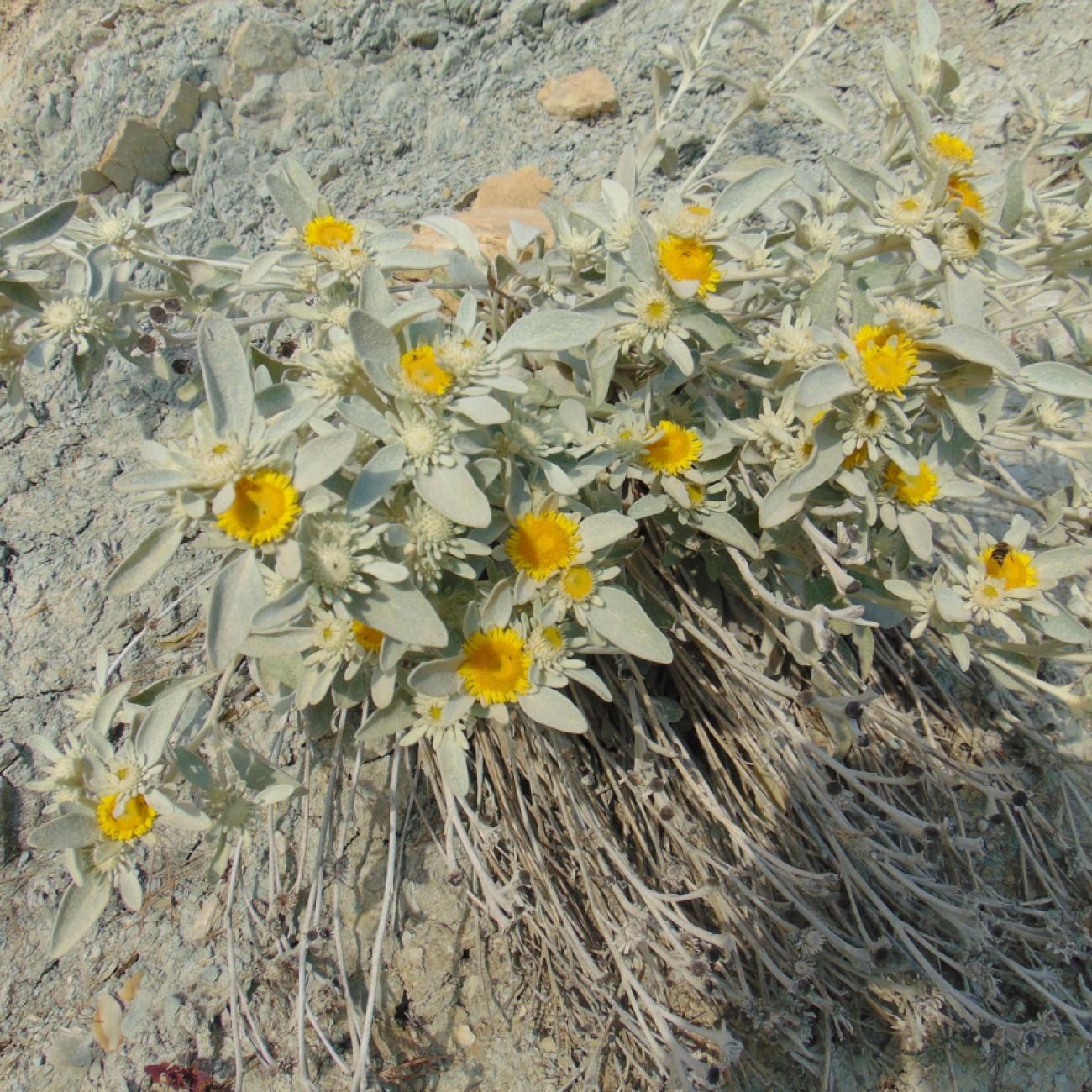
Inula is a genus of robust herbaceous perennials characterized by coarse, fuzzy foliage and bright yellow, composite flower heads that resemble daisies or small sunflowers. Many species are native to damp meadows, riverbanks, and woodland edges across temperate Eurasia and Africa, with some naturalized in North America. The most widely cultivated species include Inula helenium (elecampane) grown for medicinal properties, and Inula hookeri, a compact ornamental variety for garden borders.
Care Guide
Watering
Inula prefers consistently moist, well-drained soil and should be watered deeply during extended dry periods to prevent the root zone from drying out completely. Avoid overwatering or allowing standing water around the roots, as this can lead to root rot, especially in heavy clay soils. Established plants have moderate drought tolerance, but regular moisture supports healthier foliage and more abundant flowering.
Light
Inula thrives in full sun, which encourages strong, upright growth and maximum flower production. It can tolerate partial shade, particularly in regions with very hot, intense summer sun, but plants grown in too much shade may become leggy and produce fewer blooms. Position in a site that receives at least 6 hours of direct sunlight daily for best performance.
Soil
Inula adapts to a wide range of soil types, including loam, sandy soil, and clay, as long as drainage is adequate. It prefers a neutral to slightly alkaline pH, but can tolerate mildly acidic conditions as well. Amending heavy soil with compost or well-rotted manure improves drainage and nutrient content, supporting healthier root development.
Fertilizer
Inula is a light feeder and typically does not require frequent fertilization if grown in moderately fertile soil. Apply a balanced, slow-release granular fertilizer in early spring as new growth emerges to support seasonal development. Overfertilization can lead to excessive foliage growth at the expense of flowers, so avoid high-nitrogen formulas unless soil is very poor.
Temperature
Inula is extremely cold-hardy, with most species surviving winter temperatures down to -30°F (-34°C), suitable for USDA hardiness zones 3 through 8. It tolerates warm summer temperatures up to 90°F (32°C), but may benefit from afternoon shade in regions with consistently hot summers. Frost will kill back above-ground foliage in late fall, but plants regrow vigorously from the root crown in spring.
Pruning
Deadhead spent flower heads regularly throughout the blooming season to encourage continued flowering and prevent unwanted self-seeding, as many inula species spread readily by seed. Cut back all foliage to 2-3 inches above the soil line in late fall after the first frost, or leave dried stems in place over winter to provide shelter for beneficial insects. Thin out overcrowded clumps every 3-4 years to improve air circulation and reduce risk of fungal disease.
Propagation
Inula can be propagated by seed, division, or root cuttings. Sow seeds directly outdoors in fall or early spring, or start seeds indoors 6-8 weeks before the last expected frost for earlier blooms. Divide mature clumps in early spring or late fall, separating the root crown into sections with at least one growing point each, and replant immediately at the same depth as the original plant.
Humidity
Inula adapts well to average ambient humidity levels common in its native temperate habitats, with no special humidity requirements. It tolerates both moderately dry and humid air, as long as soil moisture levels are consistent. High humidity combined with poor air circulation can increase risk of foliar fungal diseases, so space plants appropriately to allow airflow around foliage.
Repotting
Inula is primarily grown outdoors in garden beds, but if cultivated in containers, repot every 2-3 years in early spring before new growth emerges. Use a deep container to accommodate the plant’s long taproot, and fill with a well-draining, loamy potting mix amended with compost. Ensure the container has adequate drainage holes to prevent waterlogging, and refresh the top layer of soil annually between repottings to replenish nutrients.
Uses & Symbolism
Inula has a long history of medicinal use, particularly Inula helenium (elecampane), whose roots are used to make remedies for respiratory ailments, digestive issues, and skin conditions. Ornamental varieties are planted in cottage gardens, wildflower meadows, and pollinator borders, where their bright yellow flowers attract bees, butterflies, and other beneficial insects. Some species are also used as a natural dye source, producing yellow and gold hues from the flower heads and roots.
Diseases & Pests
Inula is relatively pest and disease resistant, but can be susceptible to powdery mildew and leaf spot in conditions of high humidity and poor air circulation. Aphids and slugs may occasionally feed on young, tender foliage, particularly in spring when new growth first emerges. Root rot can occur in poorly drained, waterlogged soil, so ensuring proper drainage is critical to preventing this issue.
Related plants
Other plants you might like if you grow Inula.