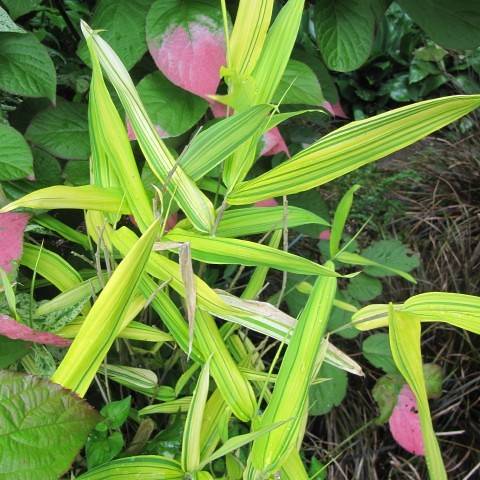
Kamuro Zasa
Pleioblastus viridistriatus 'Kamuro Zasa'
Overview
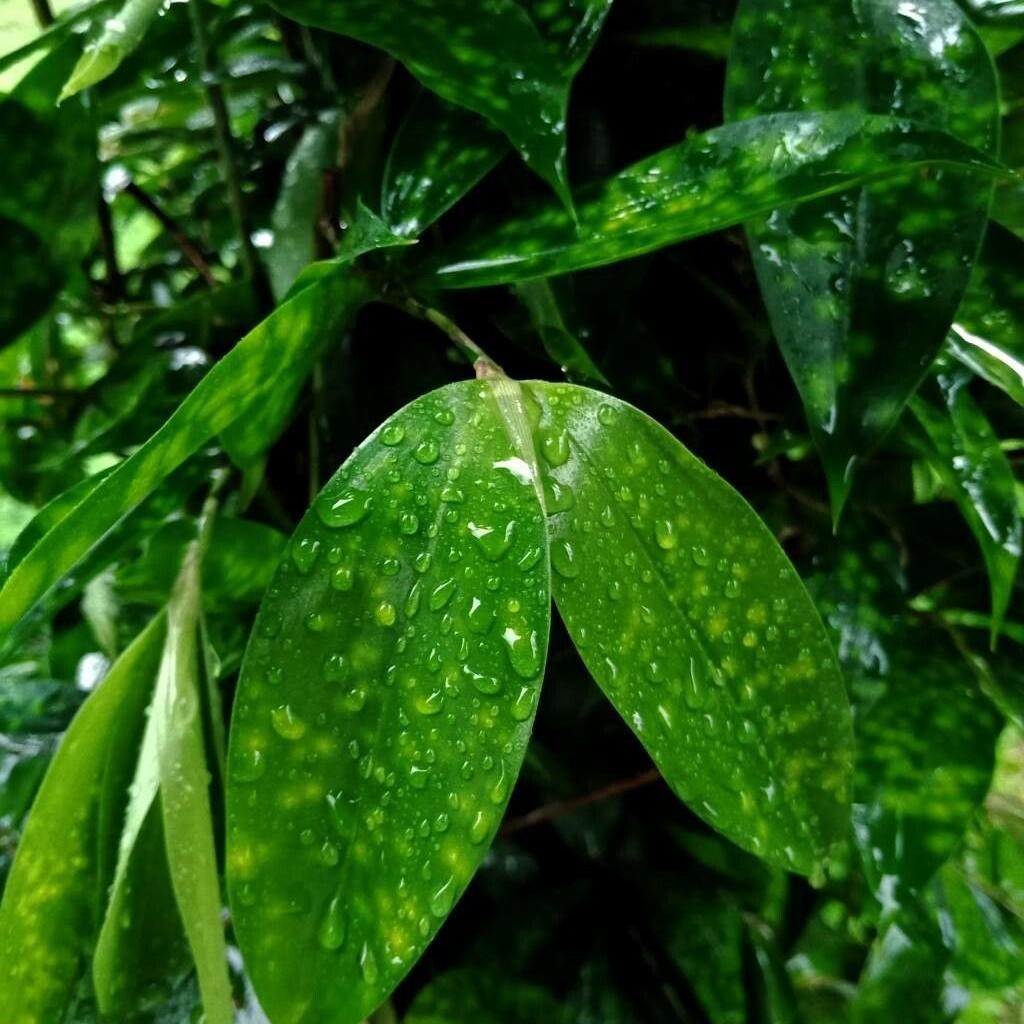
Kamuro Zasa is a popular ornamental dwarf bamboo cultivar distinguished by its bright green leaves marked with bold, creamy yellow longitudinal stripes. It spreads slowly via shallow rhizomes, forming a dense, mounded clump rather than becoming aggressively invasive like larger bamboo species. This cold-hardy bamboo is adaptable to a range of growing conditions, making it a versatile choice for temperate gardens and container culture.
Care Guide
Watering
Water Kamuro Zasa regularly to keep the soil consistently moist but not waterlogged, especially during hot, dry periods, as drought can cause leaf browning at the tips. Reduce watering frequency in the winter when growth slows, allowing the top 1 to 2 inches of soil to dry out between waterings to prevent root rot. Avoid overwatering in heavy, poorly draining soils, as this can lead to fungal issues in the root system.
Light
Thrives in partial shade to full sun, though its vibrant variegation is most pronounced when it receives 3 to 6 hours of filtered or direct morning sun daily. Intense, hot afternoon sun in warmer climates can scorch leaf edges, so provide dappled shade during the hottest parts of the day in these regions. It tolerates deep shade, though growth may become sparser and variegation may fade slightly in low-light conditions.
Soil
Prefers fertile, loamy, well-draining soil with a slightly acidic to neutral pH between 5.5 and 7.0. It can adapt to a range of soil types, including sandy and clay soils, as long as drainage is adequate; amend heavy clay with compost or peat moss to improve drainage before planting. Avoid planting in constantly waterlogged sites, as this will cause root damage and stunted growth.
Fertilizer
Feed in early spring just before new growth emerges with a balanced, slow-release granular fertilizer formulated for grasses or woody ornamentals to support healthy foliage development. A second light application of fertilizer in mid-summer can boost growth, but avoid fertilizing after late summer, as this can encourage tender new growth that is vulnerable to frost damage. For container-grown specimens, use a diluted liquid balanced fertilizer every 4 to 6 weeks during the active growing season.
Temperature
Hardy in USDA zones 5 to 9, tolerating winter temperatures as low as -20°F (-29°C) without significant damage to established plants. In the coldest parts of its range, it may die back to the ground in winter, but it will resprout vigorously from the rhizomes in spring. It tolerates high summer temperatures up to 95°F (35°C) as long as it receives adequate moisture and protection from harsh midday sun.
Pruning
Prune in late winter or early spring before new growth emerges, cutting back any dead, damaged, or discolored canes to the ground to improve air circulation and encourage fresh, healthy growth. You can also trim back overgrown clumps to maintain your desired size and shape, as this bamboo tolerates heavy pruning well. If growing in a contained area, periodically trim back any rhizomes that spread beyond your intended planting zone to prevent unwanted spread.
Propagation
Kamuro Zasa is most easily propagated via root division in early spring just as new growth begins to emerge, carefully digging up a section of the clump with attached rhizomes and replanting it in a prepared site. Ensure each divided section has at least 2 to 3 healthy canes and a intact portion of rhizome with visible roots to maximize success. It can also be grown from stem cuttings, though this method is less reliable and slower to produce mature plants than division.
Humidity
Tolerates average ambient humidity levels between 40% and 60%, which is typical of most temperate garden and indoor environments. It will benefit from occasional misting if grown in an arid climate or indoors in heated spaces with very low humidity to prevent leaf tip browning. High humidity is not required, but it will support lusher, more vibrant foliage growth.
Repotting
Container-grown Kamuro Zasa should be repotted every 2 to 3 years in early spring before new growth starts, as its rhizomes will quickly fill the pot and become rootbound. Choose a pot that is 2 to 3 inches larger in diameter than the current container, with multiple drainage holes to prevent waterlogging, and use a well-draining potting mix amended with compost for fertility. If you wish to keep the plant compact, you can divide the rhizomes during repotting to reduce the size of the clump rather than moving it to a larger pot.
Uses & Symbolism
Kamuro Zasa is widely used as a low hedge, border plant, or groundcover in shade gardens, where its bright variegated foliage adds visual interest to darker planting areas. It is also well-suited to container culture on patios or as an indoor houseplant, bringing a lush, tropical feel to spaces without the aggressive spread of larger bamboo species. Its dense clumping growth habit makes it effective for erosion control on sloped sites, and its foliage is sometimes used in floral arrangements.
Diseases & Pests
Kamuro Zasa is relatively pest and disease resistant, but it can be susceptible to aphids, spider mites, and mealybugs, especially when grown indoors or in stressed, dry conditions; these can be treated with insecticidal soap or neem oil. Overwatering or poorly draining soil can lead to root rot, a fungal disease that causes yellowing foliage, stunted growth, and eventual plant death if not corrected by improving drainage and reducing watering frequency. In overly humid, poorly ventilated conditions, it may occasionally develop leaf spot fungi, which can be managed by removing affected foliage and improving air flow around the plant.
Related plants
Other plants you might like if you grow Kamuro Zasa.