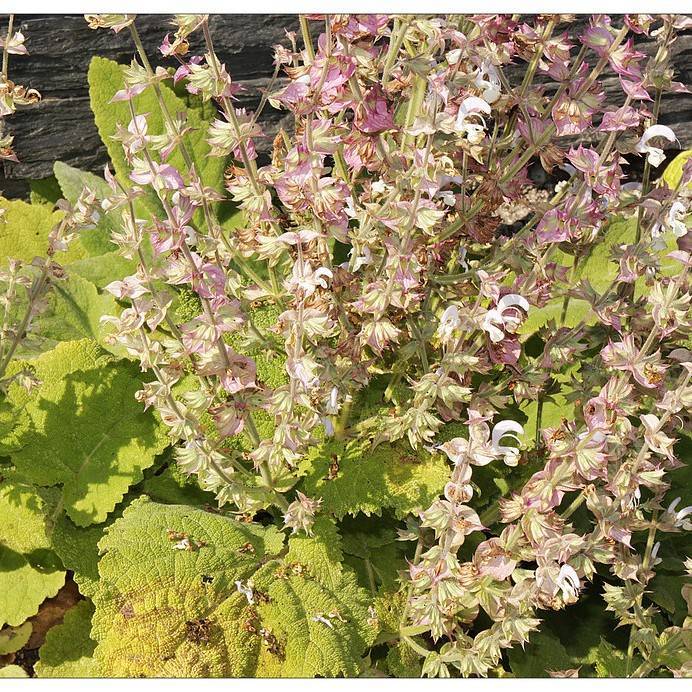
Clary Sage
Salvia sclarea
Overview
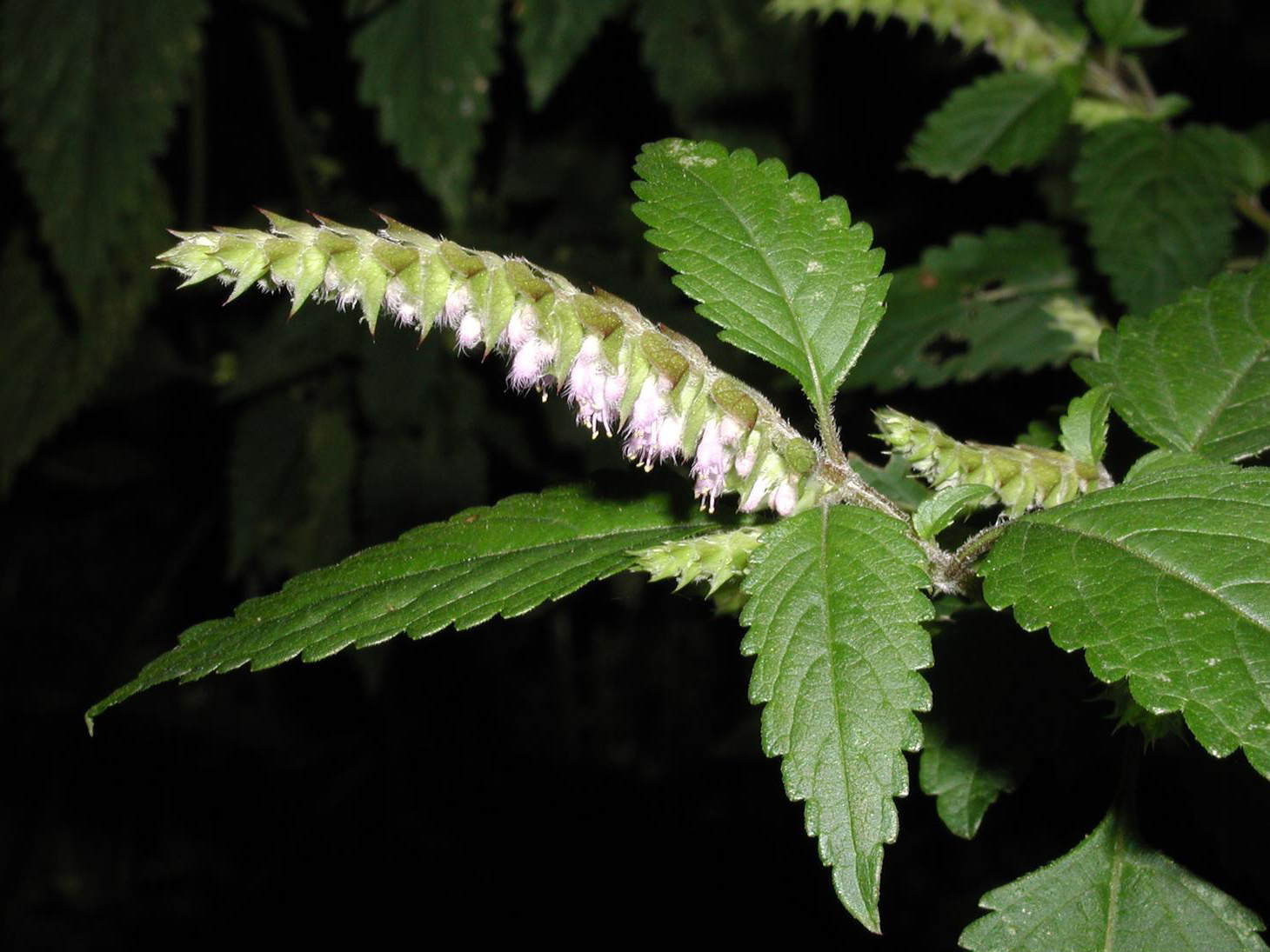
Clary sage grows as a rosette of fuzzy, gray-green leaves in its first year, sending up tall, branched flower spikes lined with pale purple, pink, or white bracts and small tubular blooms in its second growing season. Its essential oil is widely harvested for perfumery, cosmetics, and natural wellness products, while the plant itself is a popular addition to pollinator gardens, drawing bees, butterflies, and hummingbirds. It has a long history of medicinal use dating back to ancient Greece, where it was used to support eye health and soothe digestive discomfort.
Care Guide
Watering
Clary sage is drought-tolerant once established, requiring only occasional deep watering during extended dry periods; avoid overwatering, as soggy soil quickly leads to root rot. In its first year, water lightly once a week to help young roots establish, reducing frequency once the plant is fully rooted. Reduce watering almost entirely during the dormant winter months for overwintered plants.
Light
This herb thrives in full sun, requiring a minimum of 6 to 8 hours of direct, unfiltered sunlight daily to produce dense foliage and abundant flower spikes. It can tolerate very light partial shade, but reduced sunlight will lead to leggy growth, fewer blooms, and less concentrated essential oil in its leaves. Indoor-grown clary sage should be placed in a south-facing window or under grow lights to meet its light needs.
Soil
Clary sage prefers well-drained, moderately fertile soil with a neutral to slightly alkaline pH between 6.5 and 8.0. It adapts well to poor, rocky, or sandy soils that mimic its native Mediterranean habitat, as long as drainage is excellent. Heavy clay soils should be amended with sand, gravel, or compost to improve drainage before planting, as the plant cannot tolerate standing water around its roots.
Fertilizer
This light-feeding herb rarely requires supplemental fertilizer, as overly rich soil leads to weak, leggy growth and reduced aromatic quality of the foliage. A single light application of balanced, slow-release organic fertilizer in early spring of its second growing season is sufficient to support flower spike development. Avoid high-nitrogen fertilizers, which encourage leaf growth at the expense of blooms and essential oil production.
Temperature
Clary sage grows best in temperatures between 60 and 85°F (15 and 29°C), and is hardy in USDA zones 5 through 9. It can tolerate light frosts down to 10°F (-12°C) when established, though first-year plants may benefit from a light layer of mulch to protect roots during harsh winter cold. Extended temperatures above 90°F (32°C) may cause leaf scorch, so provide light afternoon shade in very hot climates.
Pruning
In its first year, trim back any overly long or damaged leaves to encourage a dense, bushy rosette. After flowering finishes in its second year, you can cut back spent flower spikes to prevent self-seeding if desired, or leave them in place to allow the plant to spread naturally in the garden. Harvest leaves for culinary or aromatic use at any time, taking no more than one-third of the plant’s foliage at a single cutting.
Propagation
Clary sage is most commonly propagated from seed, which can be sown directly in the garden after the last frost date, or started indoors 6 to 8 weeks before the last expected frost. Seeds require light to germinate, so press them gently into the soil surface without covering them, and keep the soil consistently moist until seedlings emerge in 10 to 14 days. It can also be propagated from softwood cuttings taken in late spring or early summer, though seed propagation is far more reliable for this biennial species.
Humidity
Clary sage prefers low to moderate humidity levels between 40% and 60%, typical of its native Mediterranean climate. It does not tolerate high humidity well, as excess moisture in the air can lead to fungal leaf spot and powdery mildew on its fuzzy foliage. Ensure plants are spaced at least 2 feet apart in the garden to promote good air circulation, which helps reduce disease risk in humid conditions.
Repotting
Clary sage is rarely grown in containers long-term, but if potted, it should be repotted once a year in early spring until it reaches its mature size, moving to a pot one size larger each time. Use a fast-draining potting mix formulated for herbs or cacti, and ensure the pot has ample drainage holes to prevent water buildup around the roots. Second-year plants preparing to flower may require staking to support their tall, heavy flower spikes, even in containers.
Uses & Symbolism
Clary sage essential oil is a staple in aromatherapy, where it is used to reduce stress, ease menstrual discomfort, and support restful sleep, while dried leaves and flower heads are used in potpourri, sachets, and herbal teas. It is a popular ornamental plant for cottage gardens, pollinator gardens, and xeriscapes, adding vertical interest and soft color to borders throughout the summer blooming season. Historically, the plant’s mucilaginous seeds were used to soothe irritated eyes, and its leaves have been used as a flavoring for wines, liqueurs, and savory dishes in Mediterranean cuisine.
Diseases & Pests
Clary sage is relatively pest and disease resistant, but it can develop root rot, powdery mildew, and leaf spot if grown in poorly drained soil or overly humid, shaded conditions. Common pests include aphids, spider mites, and whiteflies, which can be controlled with insecticidal soap or neem oil applications, or by introducing beneficial predatory insects like ladybugs to the garden. Root rot is the most serious threat to the plant, and can be avoided entirely by planting in well-drained soil and avoiding overwatering.
Related plants
Other plants you might like if you grow Clary Sage.