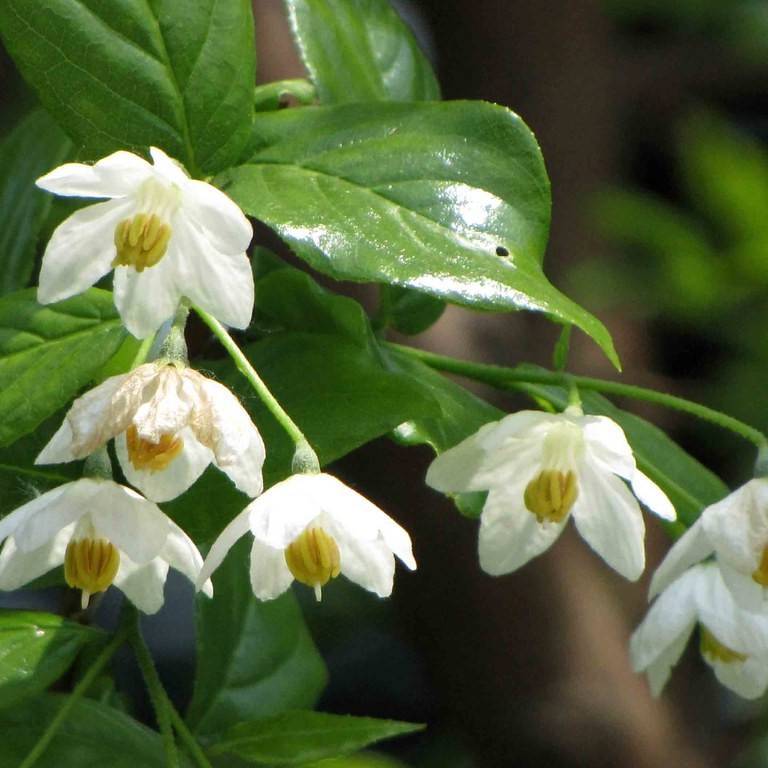
Jack Tree
Artocarpus heterophyllus
Overview
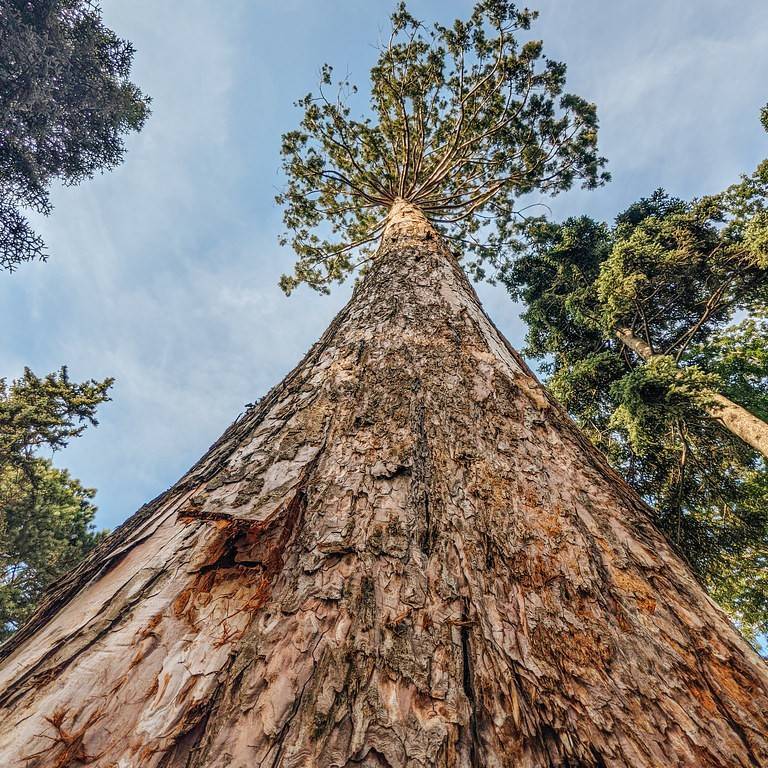
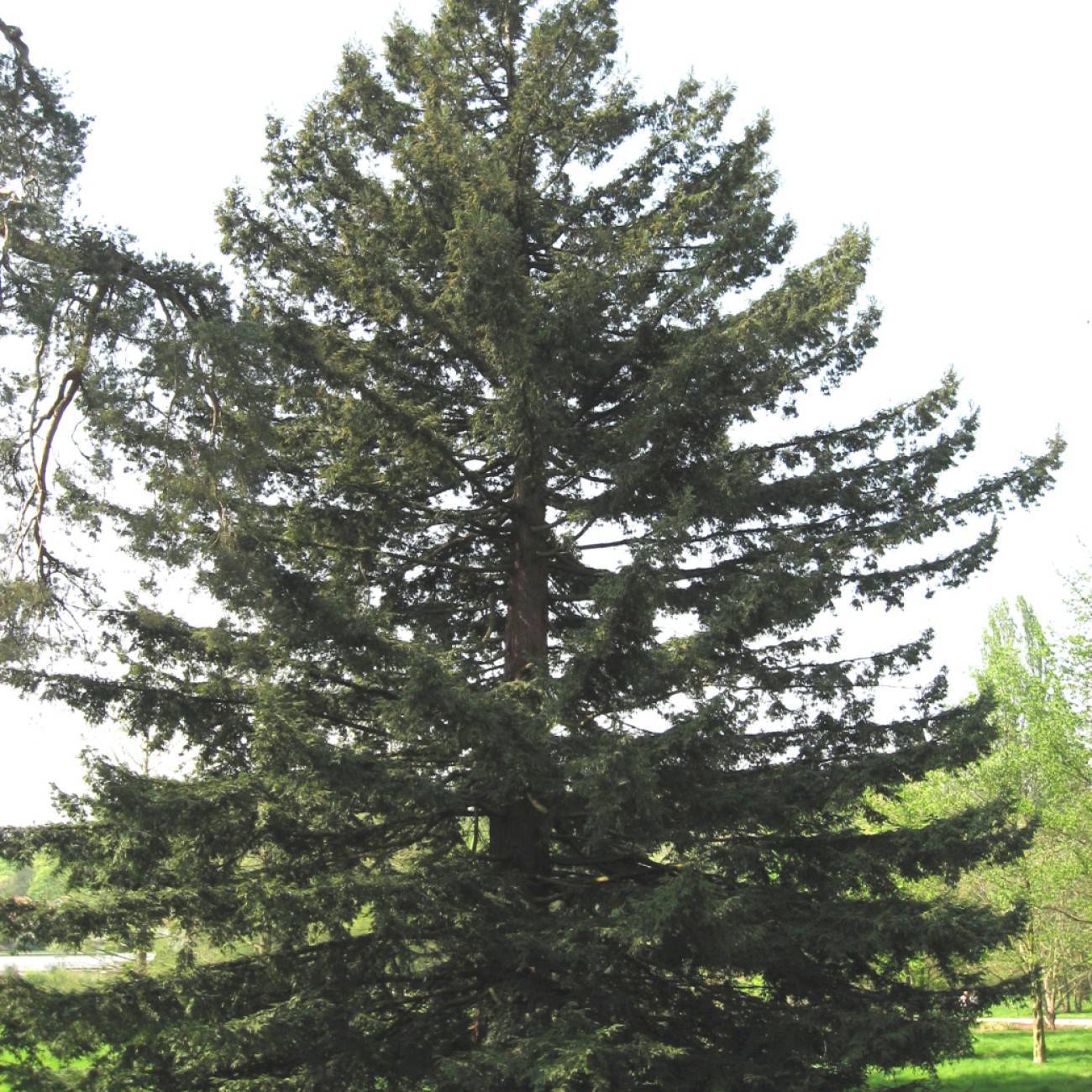
The jack tree is a robust, evergreen member of the fig, mulberry, and breadfruit family, renowned for bearing the heaviest tree-borne fruit in the world, with individual jackfruits weighing up to 80 pounds (36 kg). It has a dense, rounded canopy of glossy, dark green leathery leaves, and its bark is rough, dark brown, and exudes a sticky latex when cut. Widely cultivated across tropical regions for its edible fruit, durable wood, and agricultural utility, it is a staple food and economic resource for many smallholder communities in its native range.
Care Guide
Watering
Jack trees require consistent, deep watering during their first 3-4 years of establishment to support root development, allowing the top 2-3 inches of soil to dry out between waterings to prevent root rot. Mature, established trees are highly drought-tolerant, only requiring supplemental irrigation during extended periods of no rainfall, as overwatering can reduce fruit quality. Avoid watering directly against the trunk to minimize the risk of fungal collar rot, instead distributing water across the root zone extending out to the tree's dripline.
Light
Jack trees thrive in full, direct sunlight, requiring a minimum of 6-8 hours of unobstructed light daily to support healthy growth, flowering, and fruit production. Young saplings can tolerate partial shade for their first year of growth to prevent sunscald on delicate new foliage, but should be gradually transitioned to full sun as they mature. Insufficient light will result in sparse foliage, reduced flowering, and little to no fruit set, so avoid planting in shaded locations near larger trees or structures.
Soil
This adaptable tree grows well in a wide range of well-drained soil types, including sandy loam, loam, and laterite soils, with an ideal pH range between 5.0 and 7.5. It cannot tolerate waterlogged, heavy clay soils that hold excess moisture, as these will quickly cause fatal root rot in both young and mature specimens. For container-grown saplings, use a well-aerated potting mix amended with perlite and compost to improve drainage and provide initial nutrients.
Fertilizer
Young jack trees benefit from a balanced, slow-release NPK fertilizer (e.g., 10-10-10) applied every 2-3 months during the active growing season to encourage vigorous foliage and root development. Once trees begin to bear fruit, switch to a fertilizer higher in potassium and phosphorus (e.g., 8-3-9) applied twice annually, once before flowering and once after fruit set, to boost fruit yield and quality. Avoid applying excessive nitrogen to mature fruiting trees, as this will promote dense foliage growth at the expense of flowering and fruit production.
Temperature
Jack trees are strictly tropical plants, thriving in average temperatures between 75-85°F (24-29°C), and are highly sensitive to frost and freezing conditions. Young saplings will suffer damage at temperatures below 32°F (0°C), while mature trees can tolerate brief dips down to 25°F (-4°C) for a few hours before experiencing significant foliage and branch dieback. Temperatures consistently above 100°F (38°C) may cause flower drop and sunscald on exposed fruit, so provide temporary shade during extreme heat events if possible.
Pruning
Light pruning can be done annually during the dormant dry season to remove dead, diseased, or crossing branches, improve air circulation through the canopy, and maintain a manageable height for easier fruit harvesting. Avoid heavy pruning of mature fruiting trees, as jackfruit forms on both old wood and young branches, and excessive cutting can significantly reduce the following year's fruit yield. Remove any suckers that emerge from the base of the trunk to direct energy to the main canopy, and trim back low-hanging branches that touch the ground to reduce pest access.
Propagation
Jack trees are most commonly propagated from fresh seeds, which should be sown within 2-3 weeks of removal from the fruit for best germination rates, with sprouting occurring in 1-3 weeks in warm, moist conditions. Grafting is the preferred method for producing trees that bear true-to-type fruit, as seed-grown trees can take 7-10 years to bear fruit and may produce variable fruit quality, while grafted specimens often begin fruiting in 3-4 years. Air layering is also a viable propagation method, with rooted cuttings ready for transplanting in 2-3 months, though this technique is less commonly used than grafting for commercial production.
Humidity
Jack trees prefer moderate to high humidity levels between 60-80%, which supports healthy foliage growth and optimal fruit development, and are well-adapted to the humid conditions of tropical monsoon regions. While mature trees can tolerate brief periods of lower humidity, extended dry air may cause leaf browning at the edges and reduce flowering success. For indoor or greenhouse-grown saplings, mist foliage regularly or place a humidity tray near the plant to maintain adequate moisture levels in the air.
Repotting
Container-grown jack tree saplings should be repotted every 1-2 years in early spring before the start of the active growing season, moving them to a pot 2-3 inches larger in diameter than their current container to accommodate root growth. Once trees reach 4-5 feet tall, you can restrict their size by keeping them in a 15-20 gallon pot and only repotting every 3-4 years, trimming back up to one-third of the root ball during repotting to limit growth. Ensure the new pot has ample drainage holes, and use a well-draining potting mix amended with compost to provide nutrients without retaining excess moisture around the roots.
Uses & Symbolism
The jack tree's primary use is for its large, edible jackfruit, which has a sweet, mild flavor when ripe that is often compared to a blend of pineapple, mango, and banana, while unripe jackfruit has a neutral, meaty texture widely used as a plant-based meat substitute. Its dense, termite-resistant hardwood is highly valued for construction, furniture making, and the production of musical instruments, while the latex from its bark is used in traditional adhesives and sealants. In traditional medicine, various parts of the tree, including the leaves, bark, and roots, are used to treat conditions ranging from diarrhea to skin infections, and the leaves are also used as fodder for livestock in many tropical regions.
Diseases & Pests
Jack trees are relatively pest-resistant, but are susceptible to fruit rot caused by Phytophthora and Rhizopus fungi, which thrives in overly wet, humid conditions and causes soft, rotting lesions on developing and mature fruit. Common pests include fruit flies, which lay eggs in developing jackfruit leading to larval damage inside the flesh, and mealybugs, which suck sap from foliage and excrete honeydew that promotes the growth of sooty mold. Root rot is a fatal condition that occurs in waterlogged, poorly drained soils, so ensuring proper soil drainage and avoiding overwatering is the most effective prevention measure for this issue.
Related plants
Other plants you might like if you grow Jack Tree.