Hawaiian Cotton
Gossypium tomentosum
Overview
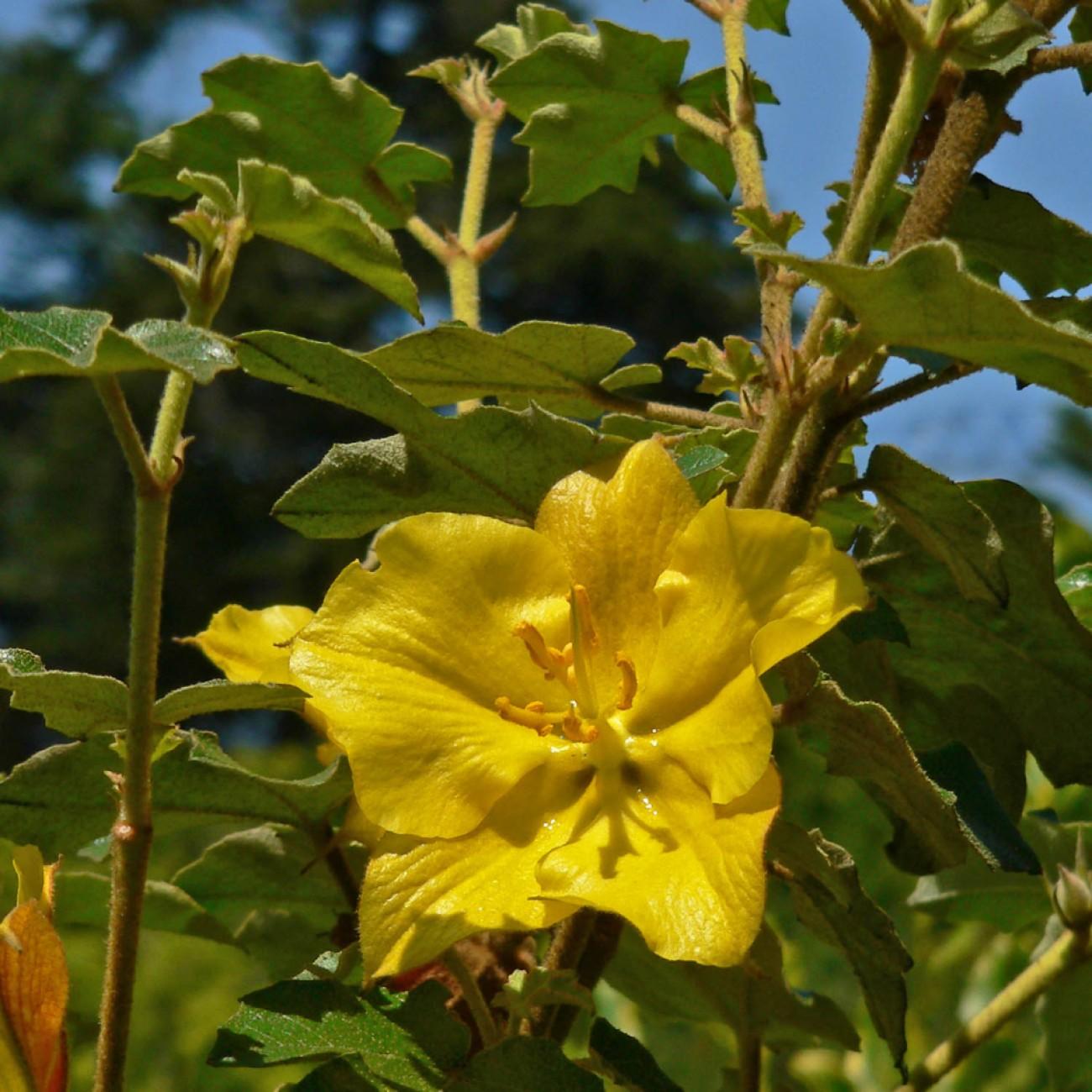
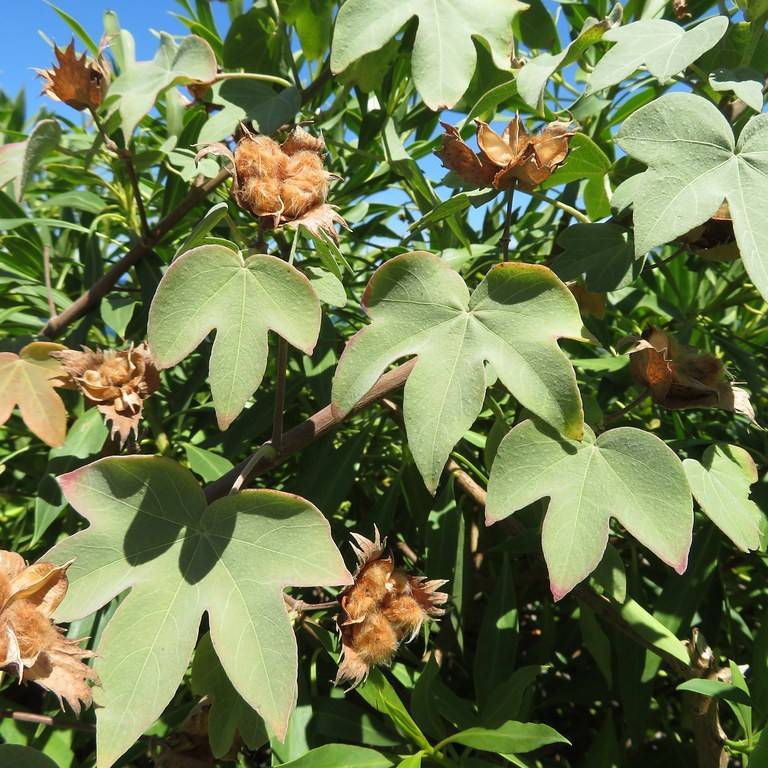
Hawaiian cotton, or maʻo in the Hawaiian language, is a drought-tolerant evergreen shrub endemic exclusively to the coastal dry forests and lowlands of the Hawaiian archipelago. It features soft, silvery-gray, densely fuzzy foliage that reflects harsh tropical sunlight, and produces pale yellow, hibiscus-like flowers that fade to light pink as they age. Unlike commercial cotton species, its seed fibers are short and not suitable for large-scale textile production, though it holds deep cultural importance for Native Hawaiian communities.
Care Guide
Watering
Water deeply only when the top 2 to 3 inches of soil are completely dry, as this species is highly adapted to arid conditions and prone to root rot if overwatered. Reduce watering frequency significantly during cooler winter months to avoid soggy soil.
Light
Requires full, direct sunlight for at least 6 to 8 hours per day to support healthy foliage growth and abundant flowering. It can tolerate very light partial shade but will become leggy and produce fewer blooms in low-light conditions.
Soil
Thrives in well-draining, sandy or gravelly soil with a slightly acidic to neutral pH range of 6.0 to 7.5, mimicking its native coastal habitat. Avoid heavy, water-retentive clay soils that hold excess moisture around the root system.
Fertilizer
Apply a balanced, slow-release fertilizer with an NPK ratio of 10-10-10 once annually in early spring, just before the start of the active growing season. Avoid over-fertilizing, as this can promote excessive foliage growth at the expense of flowers and reduce the plant’s natural drought tolerance.
Temperature
Prefers warm, tropical temperatures between 65 and 90°F (18 to 32°C), and is highly tolerant of coastal heat and wind exposure. It is not frost-hardy, and temperatures below 32°F (0°C) will cause severe foliage damage or kill the plant.
Pruning
Prune lightly in late winter to remove dead, damaged, or leggy growth, and to maintain a compact, bushy shape. Remove spent flower heads regularly to encourage continued blooming throughout the growing season, and avoid heavy pruning that removes more than one-third of the plant’s total growth at one time.
Propagation
Most commonly propagated from fresh, untreated seeds sown in warm, well-draining seed starting mix, with germination occurring within 1 to 2 weeks under consistent warm conditions. It can also be propagated from semi-hardwood stem cuttings taken in late spring, though cuttings have a lower success rate than seed propagation.
Humidity
Tolerates a wide range of humidity levels, from dry coastal air (30% to 40% humidity) to more humid tropical conditions up to 70% humidity, as long as air circulation is adequate. Avoid prolonged high humidity combined with soggy soil, as this increases the risk of fungal leaf diseases.
Repotting
Repot container-grown specimens every 2 to 3 years in early spring, using a slightly larger pot with ample drainage holes to prevent waterlogging. Use a coarse, sandy potting mix formulated for drought-tolerant plants, and avoid disturbing the root ball more than necessary during repotting to reduce transplant shock.
Uses & Symbolism
Traditionally, Native Hawaiian communities used the soft seed fibers of maʻo to stuff pillows and as a raw material for small, handwoven textiles, while the leaves and bark were used in traditional medicinal preparations for minor ailments. Today, it is widely planted in xeriscaping and native Hawaiian landscape restoration projects, as it supports local pollinator species including native yellow-faced bees, and serves as a drought-tolerant ornamental shrub for low-water gardens. It is also used in cotton breeding programs to introduce drought and pest resistance traits to commercial cotton species.
Diseases & Pests
The most common pests include aphids, whiteflies, and cotton bollworms, which feed on new growth and developing seed pods, and can be controlled with neem oil or insecticidal soap applications in cases of severe infestation. Fungal diseases such as root rot and leaf spot are rare but can occur if the plant is overwatered or planted in poorly draining soil, so proper watering practices and well-draining growing medium are the best prevention methods. It is also relatively resistant to many of the pest and disease issues that plague commercial cotton species, owing to its dense, fuzzy foliage and natural drought adaptations.
Related plants
Other plants you might like if you grow Hawaiian Cotton.