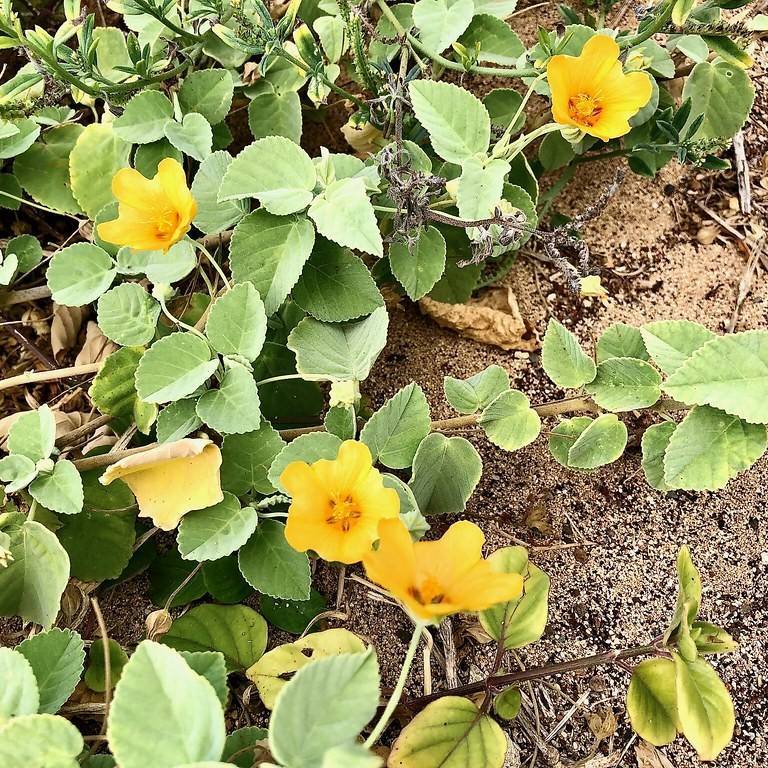
Ilima
Sida fallax
Overview
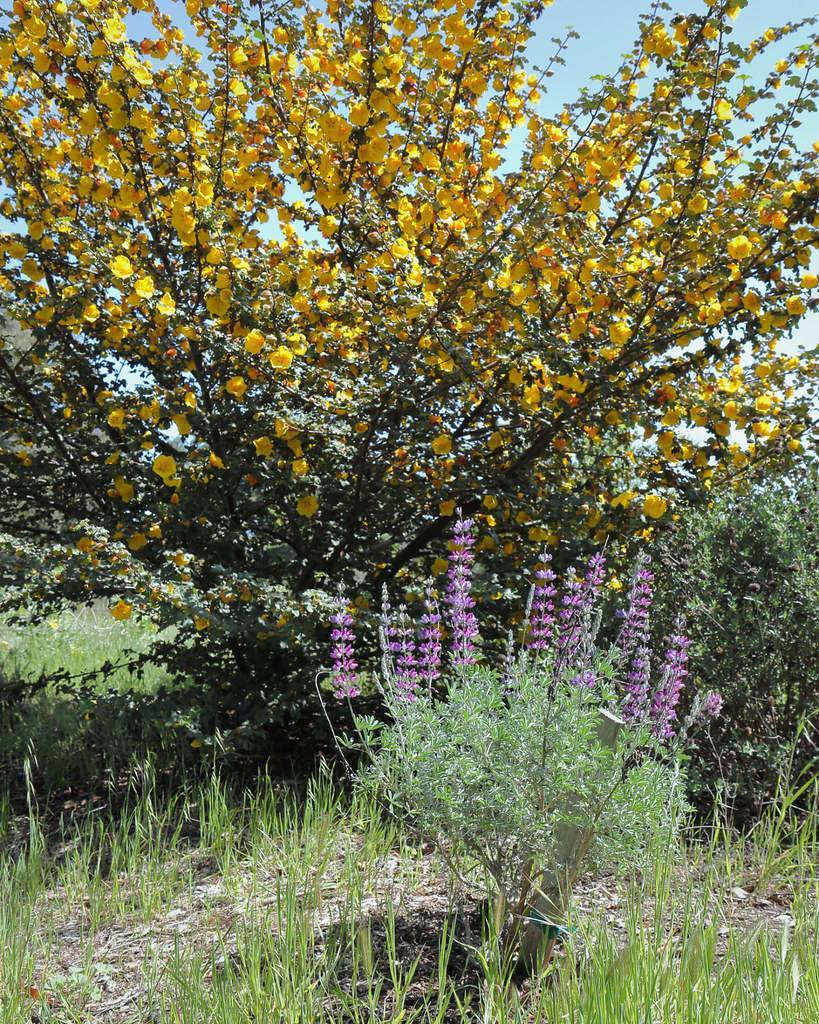
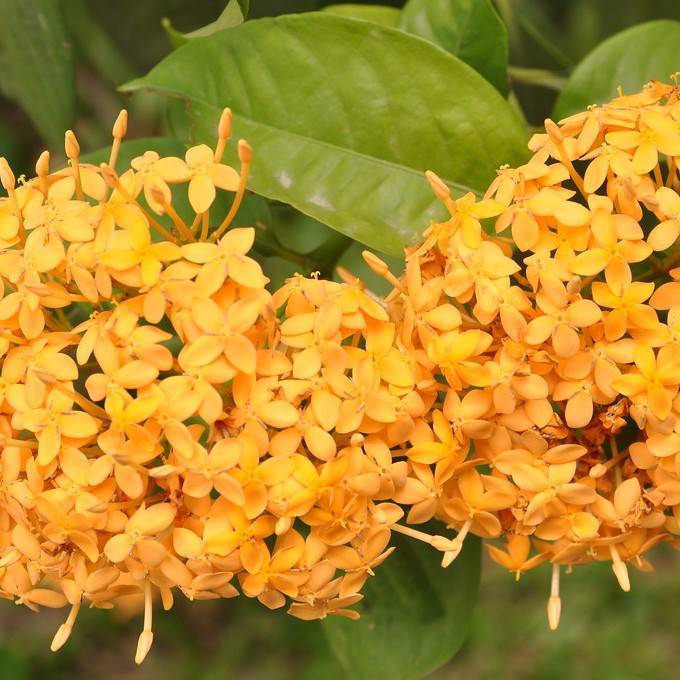
Ilima is a versatile, drought-tolerant native Hawaiian plant that grows as a low, spreading shrub or upright small bush, producing delicate, bright yellow to orange, hibiscus-like blooms less than an inch wide. It holds deep cultural significance in Hawaii, where it has been cultivated for centuries for lei making, with the soft, papery flowers often paired with green foliage to create highly prized, fragrant adornments. In its native habitat, it thrives in coastal, dry, and mesic forest environments, adapting well to both full sun and partial shade conditions.
Care Guide
Watering
Ilima prefers infrequent, deep watering once established, allowing the top 2 to 3 inches of soil to dry out completely between waterings to prevent root rot. Young plants require more consistent moisture to support root development, but overwatering, especially in poorly draining soil, is the most common cause of health decline. During prolonged dry periods, increase watering slightly, but reduce frequency drastically in cooler, winter months when growth slows.
Light
Ilima thrives in full, direct sunlight for at least 6 hours per day, which encourages abundant flowering and compact, sturdy growth. It can tolerate partial shade, but plants grown in lower light will produce fewer blooms and develop a leggy, sprawling habit. Indoor specimens should be placed in a south-facing window or under grow lights to meet their high light requirements.
Soil
Ilima requires well-draining, sandy or loamy soil with a neutral to slightly alkaline pH between 6.0 and 7.5, replicating the rocky, porous coastal soils of its native Hawaiian habitat. Heavy, water-retentive clay soils should be amended with coarse sand, perlite, or pumice to improve drainage and prevent root rot. Potted specimens do best in a cactus or succulent potting mix mixed with a small amount of organic compost to support mild nutrient retention.
Fertilizer
Ilima is a light feeder that requires only minimal fertilization, with a balanced, slow-release 10-10-10 fertilizer applied once in early spring to support new growth and flowering. Avoid high-nitrogen fertilizers, as these will encourage excessive foliage growth at the expense of bloom production. Over-fertilization can lead to salt buildup in the soil, causing leaf burn and stunted growth, so always dilute liquid fertilizers to half the recommended strength if using them.
Temperature
Ilima prefers warm tropical temperatures between 65 and 85°F (18 and 29°C), and is highly sensitive to frost, with temperatures below 32°F (0°C) causing severe foliage damage or plant death. It can tolerate short periods of temperatures as low as 40°F (4°C), but prolonged cool conditions will slow growth and reduce flowering. In regions with cold winters, it should be grown in containers that can be moved indoors or to a protected greenhouse during the coldest months.
Pruning
Ilima benefits from annual light pruning in late winter or early spring to remove dead, damaged, or leggy growth, encouraging a bushier, more compact habit and increased bloom production in the upcoming growing season. Spent flowers can be pinched off regularly to extend the flowering period and prevent the plant from expending energy on seed production, unless you intend to harvest seeds for propagation. Severe pruning back to 6 inches above the soil line can be done every 2 to 3 years to rejuvenate older, overgrown plants that have become sparse or woody.
Propagation
Ilima is most commonly propagated from stem cuttings, taken from healthy, semi-woody growth in spring or summer, stripped of lower leaves, and rooted in well-draining, moist sand or perlite under high humidity for 4 to 6 weeks. It can also be grown from fresh seeds, which should be scarified lightly to break the hard outer seed coat, then sown in warm, moist potting mix, with germination occurring within 2 to 4 weeks. Wild populations are often propagated via natural seed dispersal, but cultivated specimens are typically started from cuttings to preserve the flower color and growth habit of the parent plant.
Humidity
Ilima adapts well to a wide range of humidity levels, thriving in the 40 to 70% relative humidity common in its native tropical coastal habitats. It can tolerate dry air as low as 30% for short periods, but prolonged very low humidity may cause leaf edge browning and reduce flowering. Indoor specimens benefit from occasional misting or placement on a pebble tray filled with water during dry winter months to boost ambient humidity slightly.
Repotting
Potted ilima plants should be repotted every 2 to 3 years in early spring, before new growth begins, moving them to a container only 1 to 2 inches larger than the previous pot to prevent excess soil moisture retention. When repotting, gently loosen any bound roots and refresh the potting mix with a well-draining cactus or succulent blend mixed with a small amount of compost to provide mild nutrients. Avoid repotting during the flowering season, as this can shock the plant and cause it to drop buds prematurely.
Uses & Symbolism
Ilima is most culturally significant in Hawaii as the traditional flower for Oahu leis, with hundreds of the small, delicate blooms required to make a single lei, which are prized for their soft texture and mild, sweet fragrance. It is also planted as a drought-tolerant ornamental in xeriscapes, coastal gardens, and native Hawaiian landscape restoration projects, providing nectar for local pollinators including native bees and butterflies. Historically, traditional Hawaiian healers used ilima leaves and flowers to make topical remedies for minor skin irritations and respiratory ailments.
Diseases & Pests
Ilima is relatively pest and disease resistant when grown in well-draining soil and full sun, but overwatering can lead to root rot, a fungal infection that causes yellowing leaves, wilting, and eventual plant death if left unaddressed. Common sap-sucking pests including aphids, whiteflies, and spider mites may infest stressed plants, feeding on new growth and causing leaf curling, stunted growth, and reduced flowering; these can be controlled with insecticidal soap or neem oil applications. Fungal leaf spot may occur in high humidity or if foliage remains wet for prolonged periods, which can be prevented by watering at the base of the plant and ensuring adequate air circulation around foliage.
Related plants
Other plants you might like if you grow Ilima.