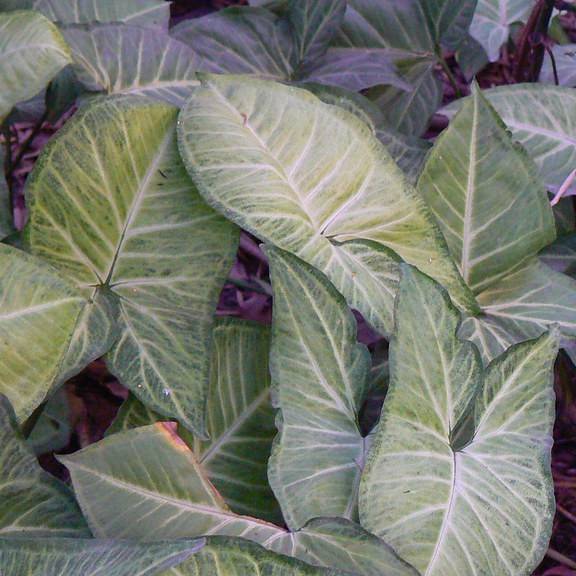
Arrowhead Plant
Syngonium podophyllum
Overview
The Arrowhead Plant is a versatile tropical aroid valued for its low-maintenance nature and attractive, variegated foliage that ranges in color from deep green to pale pink, cream, or silver depending on the cultivar. In its native habitat, it grows as an epiphytic vine, climbing tree trunks using aerial roots, and its leaves evolve from the iconic arrow-shaped juvenile form to multi-lobed, palm-like mature foliage. It is widely cultivated as a houseplant worldwide, often grown in hanging baskets, on moss poles, or as a trailing tabletop accent.
Care Guide
Watering
Allow the top 1-2 inches of soil to dry out between waterings, typically every 1-2 weeks during the spring and summer growing season. Reduce watering frequency in fall and winter, when growth slows, to avoid overwatering and root rot; never let the plant sit in standing water. Yellowing leaves often signal overwatering, while crispy, brown leaf edges indicate under-watering.
Light
Thrives in bright, indirect light, which supports vibrant foliage variegation without scorching tender leaves. It can tolerate low light conditions, though variegated cultivars may lose their distinctive patterning and revert to solid green in dimmer spots. Avoid direct, midday sun, which can burn leaves and cause permanent discoloration.
Soil
Prefers a light, well-draining, nutrient-rich potting mix with a slightly acidic pH between 5.5 and 6.5. A standard houseplant mix amended with perlite, orchid bark, or peat moss to improve aeration and drainage works well, as heavy, compacted soil can lead to root rot. Avoid heavy garden soils that retain excess moisture for extended periods.
Fertilizer
Feed with a balanced, water-soluble houseplant fertilizer diluted to half strength once every 4-6 weeks during the active growing season (spring and summer). Do not fertilize in fall and winter, when the plant is dormant, as excess nutrients can build up in the soil and damage root systems. Flush the soil every 3-4 months to remove accumulated fertilizer salts.
Temperature
Grows best in average indoor temperatures between 60-85°F (15-29°C), consistent with its tropical native range. Avoid exposure to temperatures below 50°F (10°C), as cold drafts and sudden temperature drops can cause leaf drop and stunted growth. Keep the plant away from air conditioning vents, heaters, and drafty windowsills during temperature extremes.
Pruning
Prune back overgrown or leggy stems in early spring to encourage bushier, more compact growth, cutting just above a leaf node to stimulate new branching. Remove any yellowed, damaged, or dead leaves as they appear to improve airflow and reduce the risk of pest and disease issues. Wear gloves when pruning to avoid skin irritation from the plant’s sap.
Propagation
Easily propagated via stem cuttings, which can be rooted in water or moist potting mix; take 4-6 inch cuttings with at least 2-3 nodes, remove lower leaves, and place in a warm, bright spot out of direct sun until roots form in 2-4 weeks. It can also be propagated via division during repotting, separating mature root clumps into smaller sections and potting them individually. Avoid propagating during the dormant winter months, as root growth will be significantly slower.
Humidity
Prefers moderate to high humidity levels between 50-70%, mimicking its native tropical rainforest environment. It can tolerate average indoor humidity around 40%, but low humidity may cause brown leaf tips and stunted growth. Boost humidity by placing the plant on a pebble tray filled with water, grouping it with other plants, or using a small room humidifier.
Repotting
Repot young Arrowhead Plants every 1-2 years in spring, moving up one pot size when roots start growing out of the drainage holes or circling the root ball. Mature plants only need repotting every 2-3 years, as they prefer being slightly root-bound to encourage healthier foliage growth. Use a pot with adequate drainage holes to prevent waterlogging, and refresh a portion of the potting mix each time you repot.
Uses & Symbolism
Primarily grown as a decorative houseplant, valued for its trailing or climbing growth habit that works well in hanging baskets, on moss poles, or as a tabletop accent. It is also recognized by NASA’s Clean Air Study for its ability to filter common indoor air pollutants including formaldehyde, benzene, and xylene. In some regions, it is grown outdoors as a groundcover in warm, frost-free climates, though it can become invasive in tropical areas outside its native range.
Diseases & Pests
Most common issues are related to overwatering, which leads to root rot, a fungal condition characterized by yellowing leaves, mushy stems, and a foul odor from the soil. Common pests include spider mites, aphids, and mealybugs, which tend to colonize the undersides of leaves and can be treated with neem oil, insecticidal soap, or regular wiping of foliage with a damp cloth. Low humidity often causes brown leaf tips, while direct sun exposure leads to scorched, discolored leaf patches.
Related plants
Other plants you might like if you grow Arrowhead Plant.
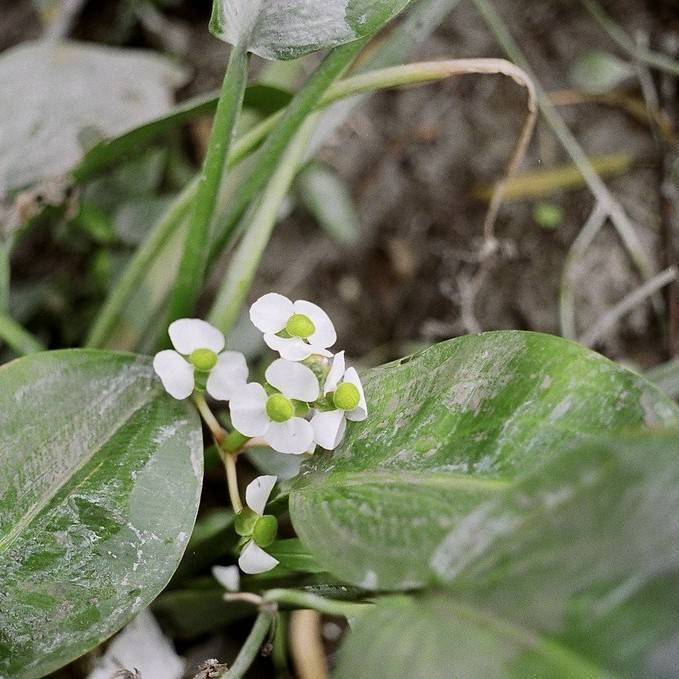
Arrowhead Plant
Syngonium podophyllum
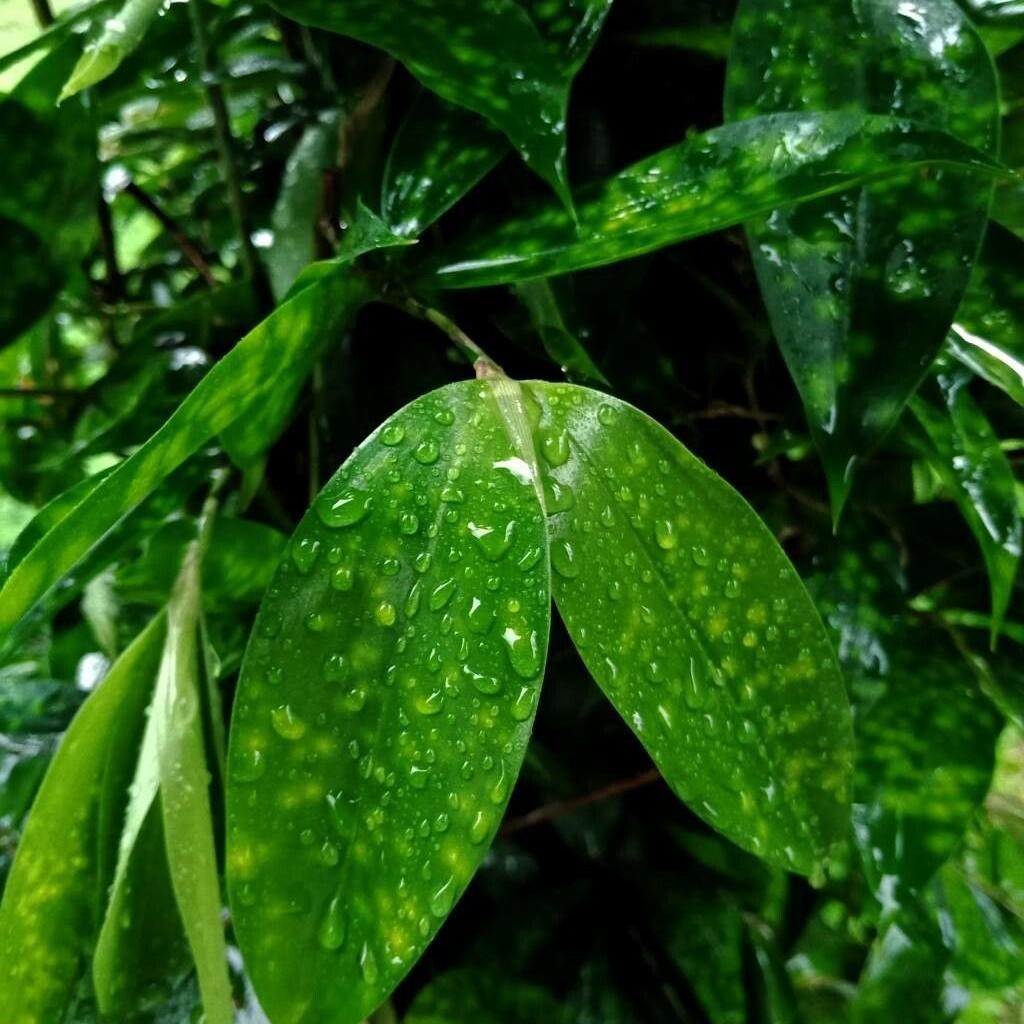
Gold Dust Dracaena
Dracaena surculosa 'Florida Beauty'
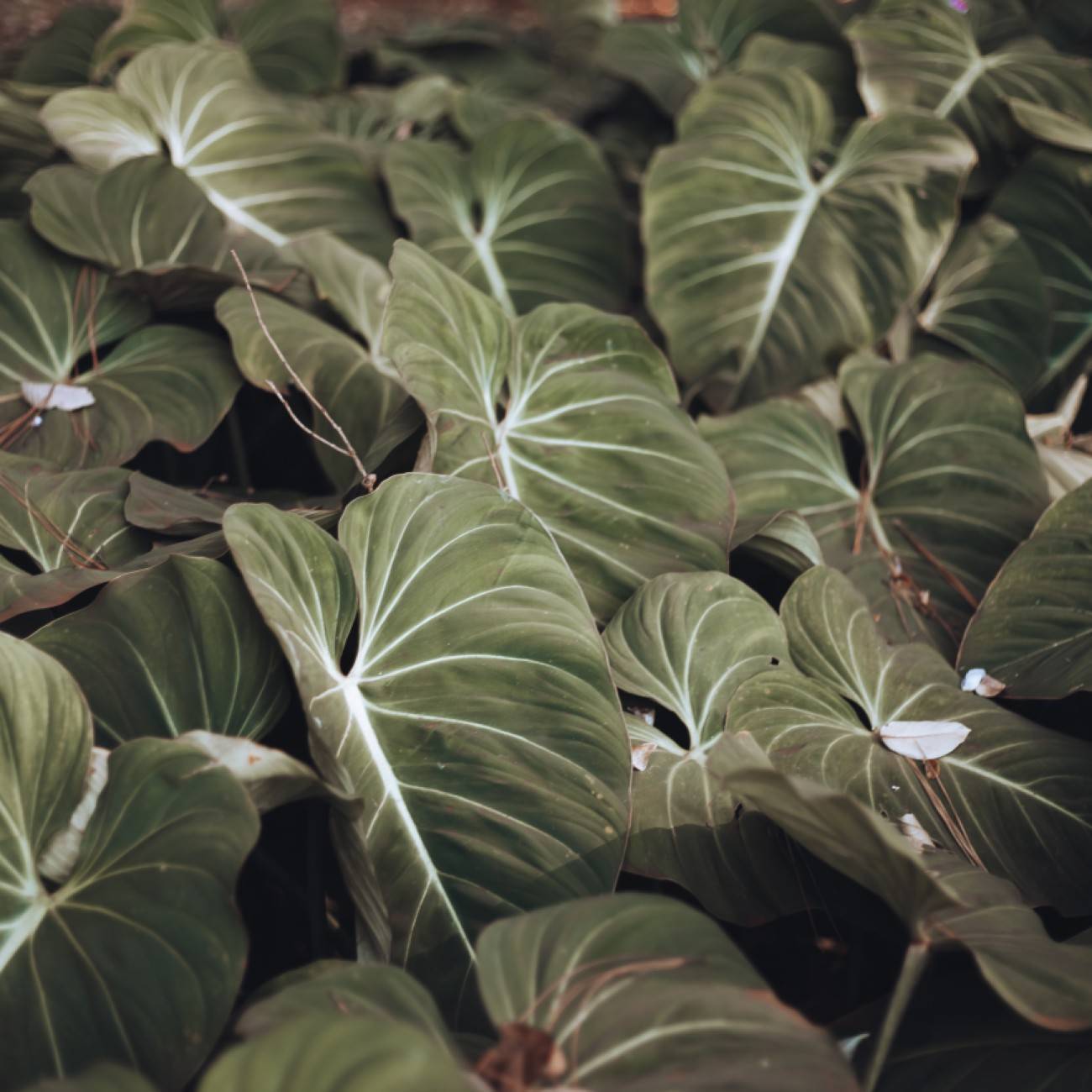
Hybrid Philodendron
Philodendron hybridum (group)
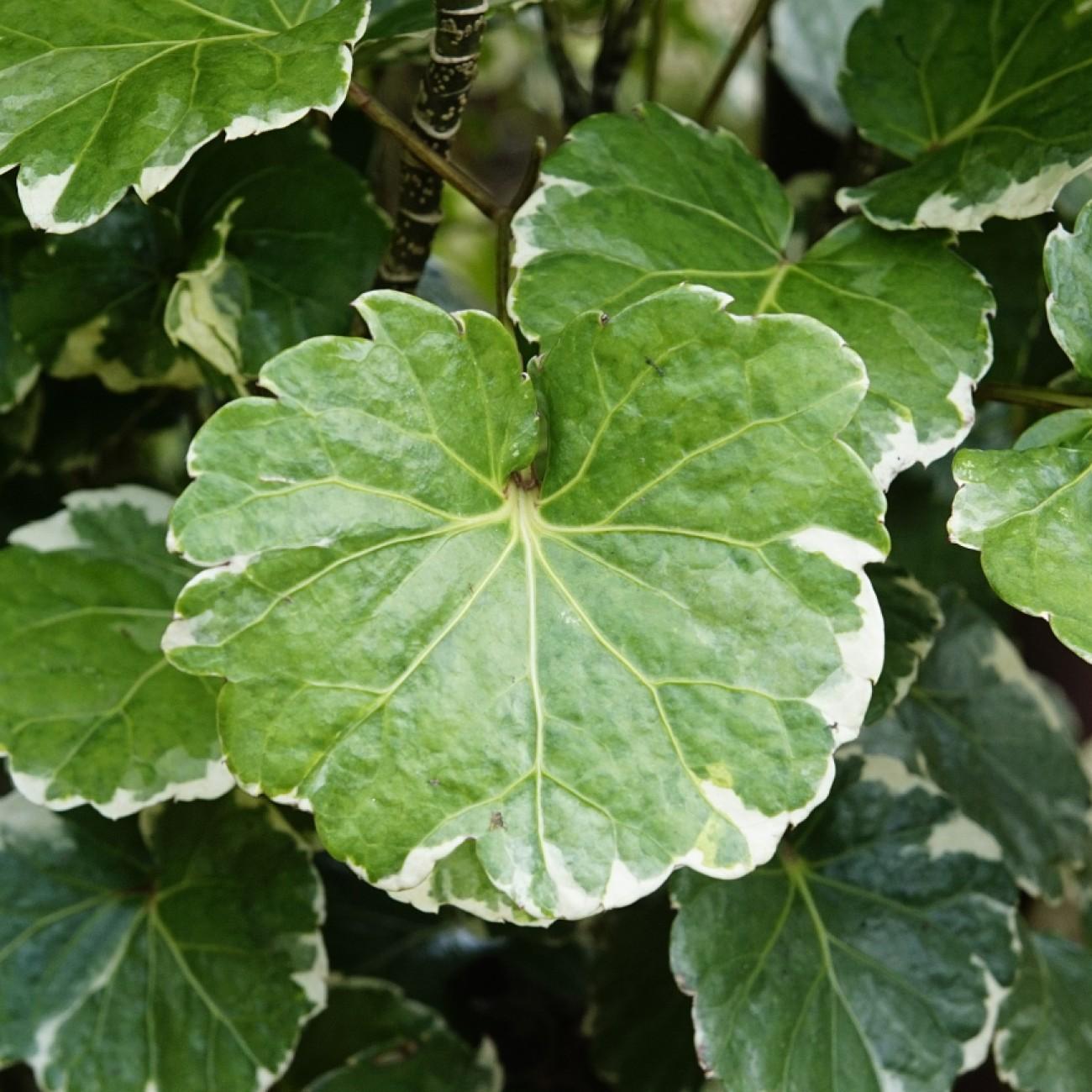
Balfour Aralia
Polyscias scutellaria 'Balfourii'
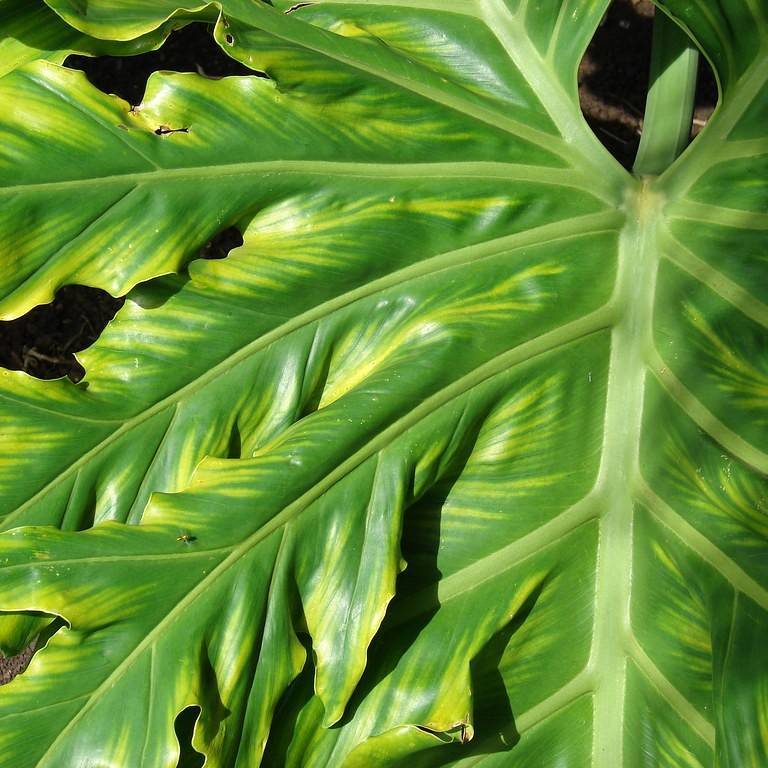
Horsehead Philodendron
Philodendron bipennifolium
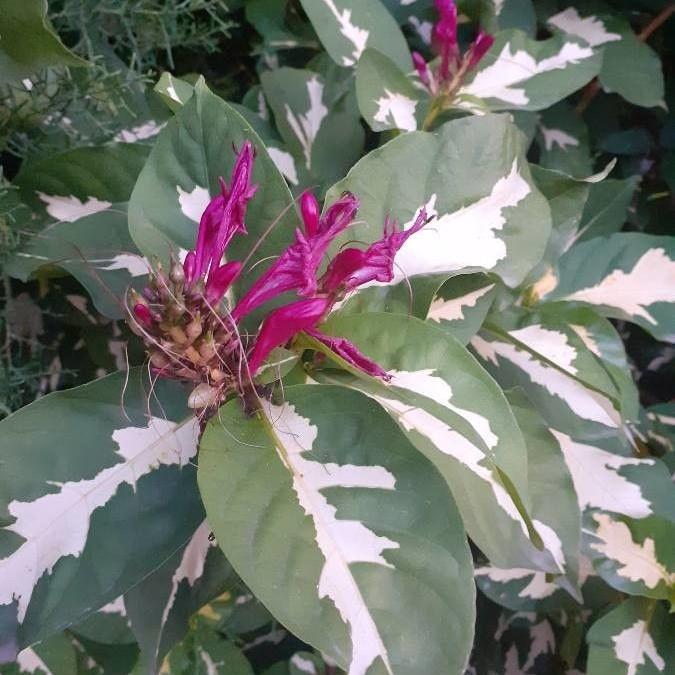
Caricature Plant
Graptophyllum pictum
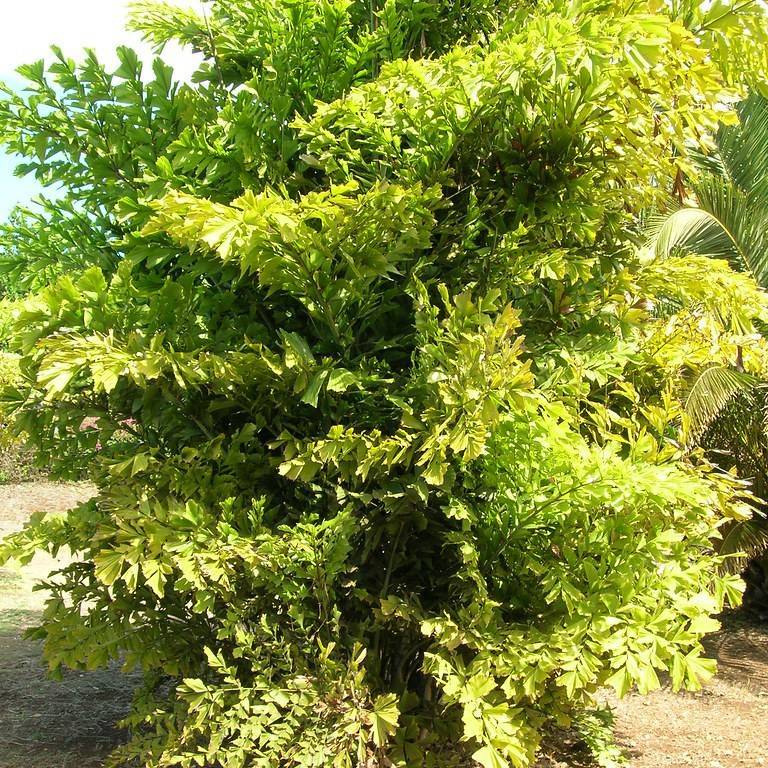
Fishtail Palm
Caryota mitis
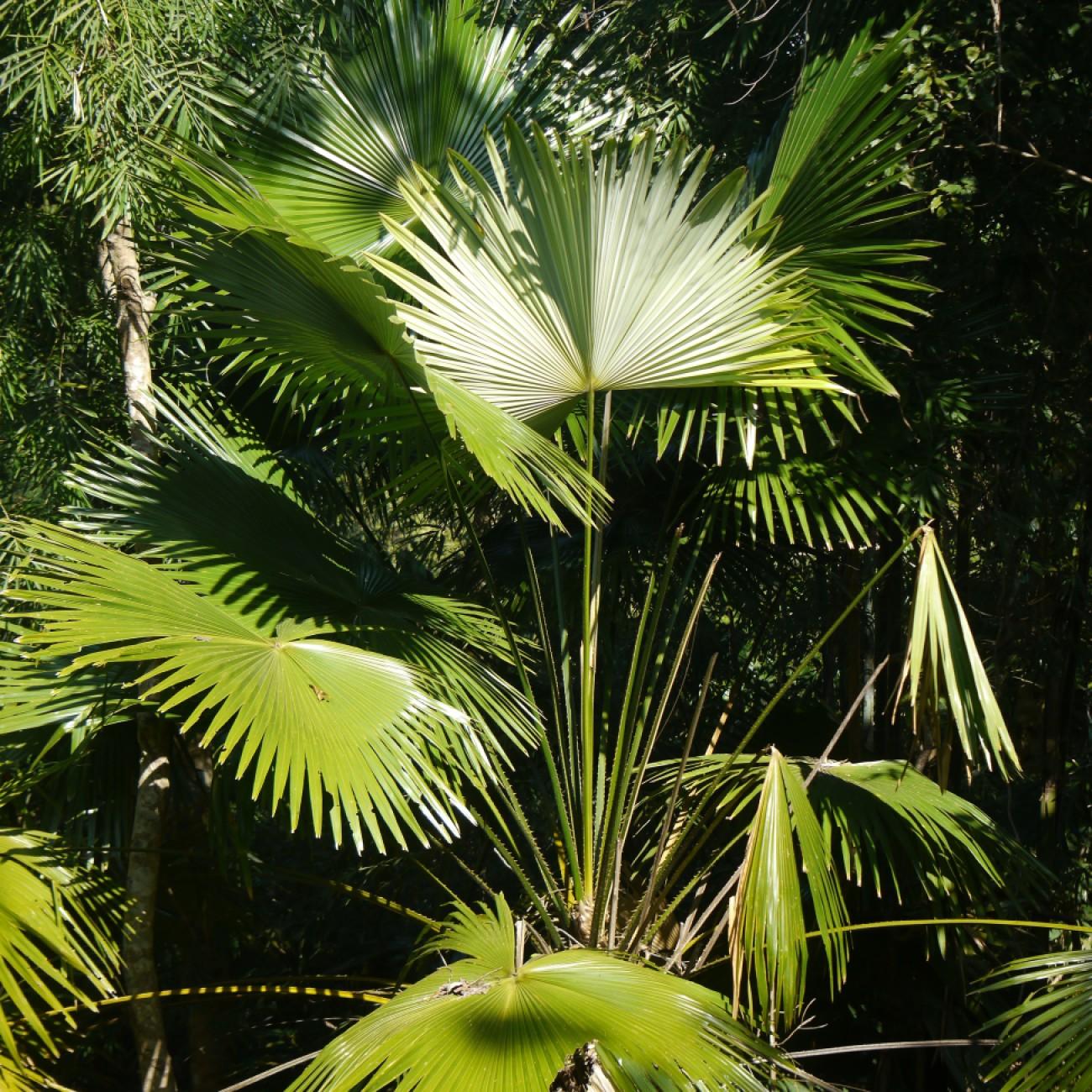
Fan Palm
Livistona chinensis