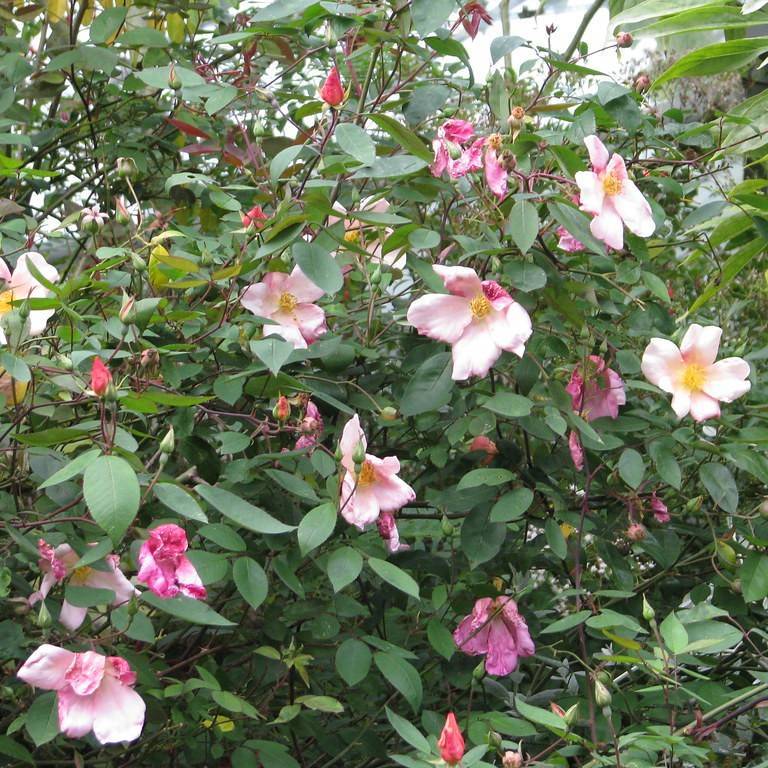
China Rose
Hibiscus rosa-sinensis
Overview
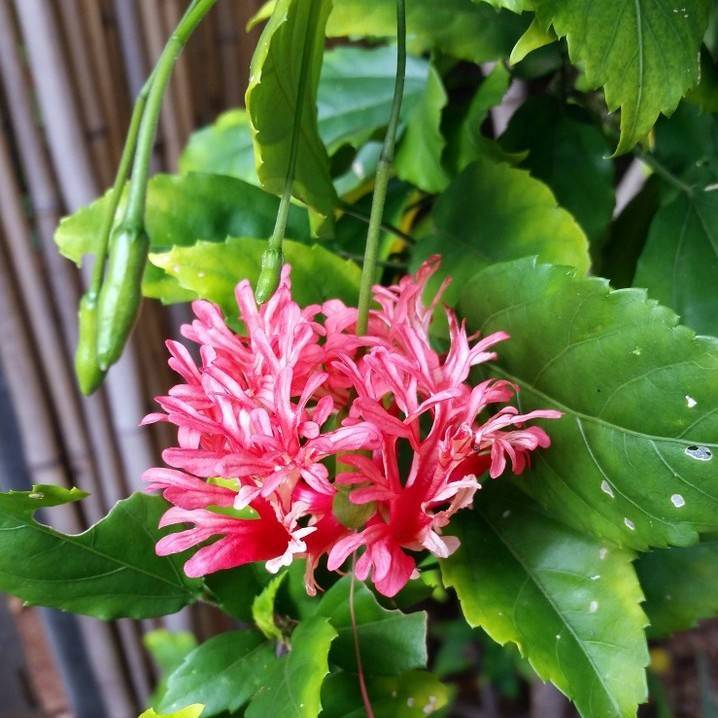
China rose, also called tropical hibiscus, is a broadleaf evergreen shrub prized for its large, funnel-shaped flowers that often last just one day but are produced in continuous succession during warm months. Cultivated for centuries across tropical and subtropical regions, it is the national flower of Malaysia and a popular ornamental in temperate regions as a patio or houseplant. Its glossy, dark green oval leaves and bushy growth habit make it an attractive landscape focal point even when not in bloom.
Care Guide
Watering
Water China rose thoroughly when the top 1 to 2 inches of soil feel dry to the touch, ensuring excess water drains freely to prevent root rot. Reduce watering frequency in cooler winter months when the plant enters a period of slower growth, allowing the soil to dry slightly more between sessions. Avoid overwatering, which can cause yellowing leaves and bud drop, and use room-temperature water to prevent stress to the plant’s root system.
Light
China rose requires full sun, meaning at least 6 to 8 hours of direct sunlight daily, to produce abundant, vibrant blooms. When grown indoors, place it near a south- or west-facing window that receives consistent bright light, supplementing with grow lights during dark winter months if needed. Too little light will result in sparse foliage, few to no flowers, and leggy, weak growth.
Soil
Plant China rose in a well-draining, slightly acidic soil with a pH between 6.0 and 6.5, rich in organic matter to support healthy growth. A commercial potting mix amended with compost, peat moss, and perlite or vermiculite works well for container-grown specimens, providing both moisture retention and adequate drainage. Avoid heavy, compacted clay soils that hold standing water, as these will quickly cause root rot in this species.
Fertilizer
Feed China rose every 2 weeks during the active growing season (spring through summer) with a balanced, water-soluble fertilizer formulated for flowering plants, or a slow-release granular fertilizer applied once every 2 months. Use a fertilizer with a slightly higher potassium content to support bloom production, avoiding high-nitrogen formulas that encourage foliage growth at the expense of flowers. Stop fertilizing entirely in fall and winter when the plant’s growth slows to prevent nutrient buildup in the soil.
Temperature
China rose thrives in warm temperatures between 60 and 90°F (15 to 32°C), and will suffer damage if exposed to temperatures below 50°F (10°C) for extended periods. If grown outdoors in temperate climates, bring potted specimens indoors before the first frost of the season, placing them in a warm, bright location away from cold drafts from windows or heating vents. Sudden temperature fluctuations can cause bud drop, so avoid moving the plant frequently between areas with large temperature differences.
Pruning
Prune China rose in late winter or early spring before new growth emerges to shape the plant, remove dead or damaged branches, and encourage bushier, more floriferous growth. Cut back up to one-third of the plant’s overall size, making clean cuts just above a leaf node to stimulate new branching, and pinch off spent blooms regularly throughout the growing season to promote continuous flowering. Remove any yellowed or diseased leaves as they appear to improve air circulation and reduce the risk of pest or disease issues.
Propagation
China rose is most easily propagated from softwood stem cuttings taken in spring or early summer, selecting 4 to 6 inch cuttings from healthy, non-flowering branches. Remove the lower leaves from the cutting, dip the cut end in rooting hormone powder, and plant it in a moist, well-draining propagation mix, keeping it warm and humid with indirect light until roots form in 4 to 6 weeks. It can also be grown from seed, though seed-grown plants may not retain the exact flower characteristics of the parent plant and take longer to reach flowering maturity.
Humidity
China rose prefers moderate to high humidity levels between 50 and 70%, which mimics its native tropical habitat. For indoor-grown plants, increase humidity by placing the pot on a tray filled with pebbles and water, using a room humidifier, or misting the foliage regularly with room-temperature water, especially during dry winter months. Low humidity can cause leaf browning, crispy leaf edges, and increased susceptibility to spider mite infestations.
Repotting
Repot young China rose plants annually in spring to accommodate their fast growth, moving them to a pot just 1 to 2 inches larger than the current container to avoid excess soil that holds unnecessary moisture. Mature specimens only need repotting every 2 to 3 years, or when roots start growing out of the drainage holes or circling the bottom of the pot. After repotting, water the plant thoroughly and place it in a shaded location for a few days to reduce transplant shock before returning it to its regular bright spot.
Uses & Symbolism
China rose is primarily grown as an ornamental plant for landscaping in tropical and subtropical regions, and as a potted patio or houseplant in temperate climates, valued for its long-lasting and colorful bloom display. In many traditional medicine systems, its flowers, leaves, and roots are used to treat conditions ranging from coughs and fevers to skin irritations and high blood pressure. Its edible flowers are also used to make teas, jams, and natural food colorings in parts of Asia and the Pacific.
Diseases & Pests
Common pests affecting China rose include aphids, whiteflies, spider mites, and mealybugs, which feed on the plant’s sap and can cause yellowing leaves, stunted growth, and sooty mold growth on sticky honeydew secretions. Fungal diseases such as root rot, leaf spot, and powdery mildew are common in overly moist, poorly ventilated conditions, often caused by overwatering, high humidity, or lack of air circulation around the foliage. Bud drop, a common non-pathogenic issue, is typically triggered by environmental stressors such as sudden temperature changes, overwatering, underwatering, or insufficient light.
Related plants
Other plants you might like if you grow China Rose.