Hair Like Sedge
Carex capillaris
Overview
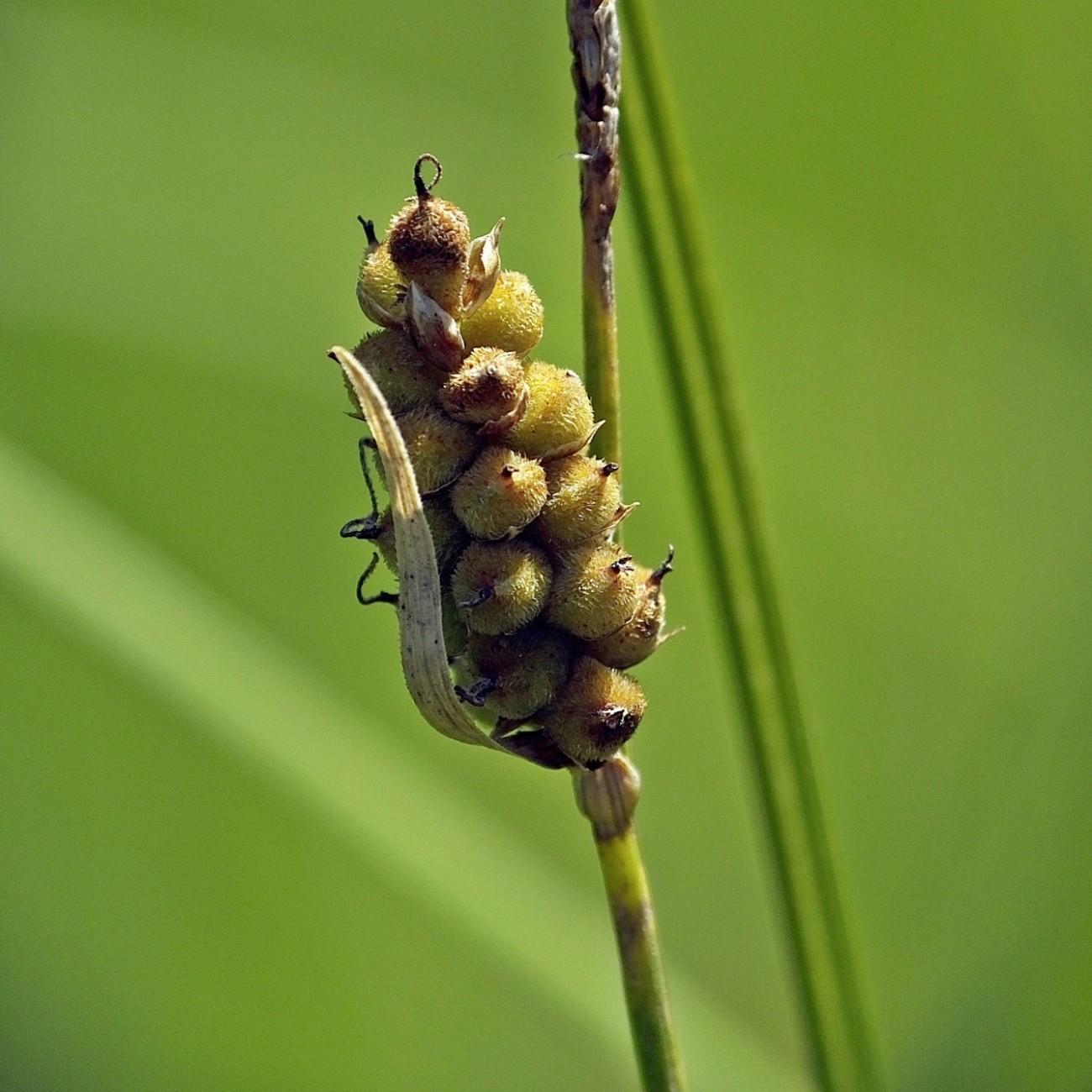
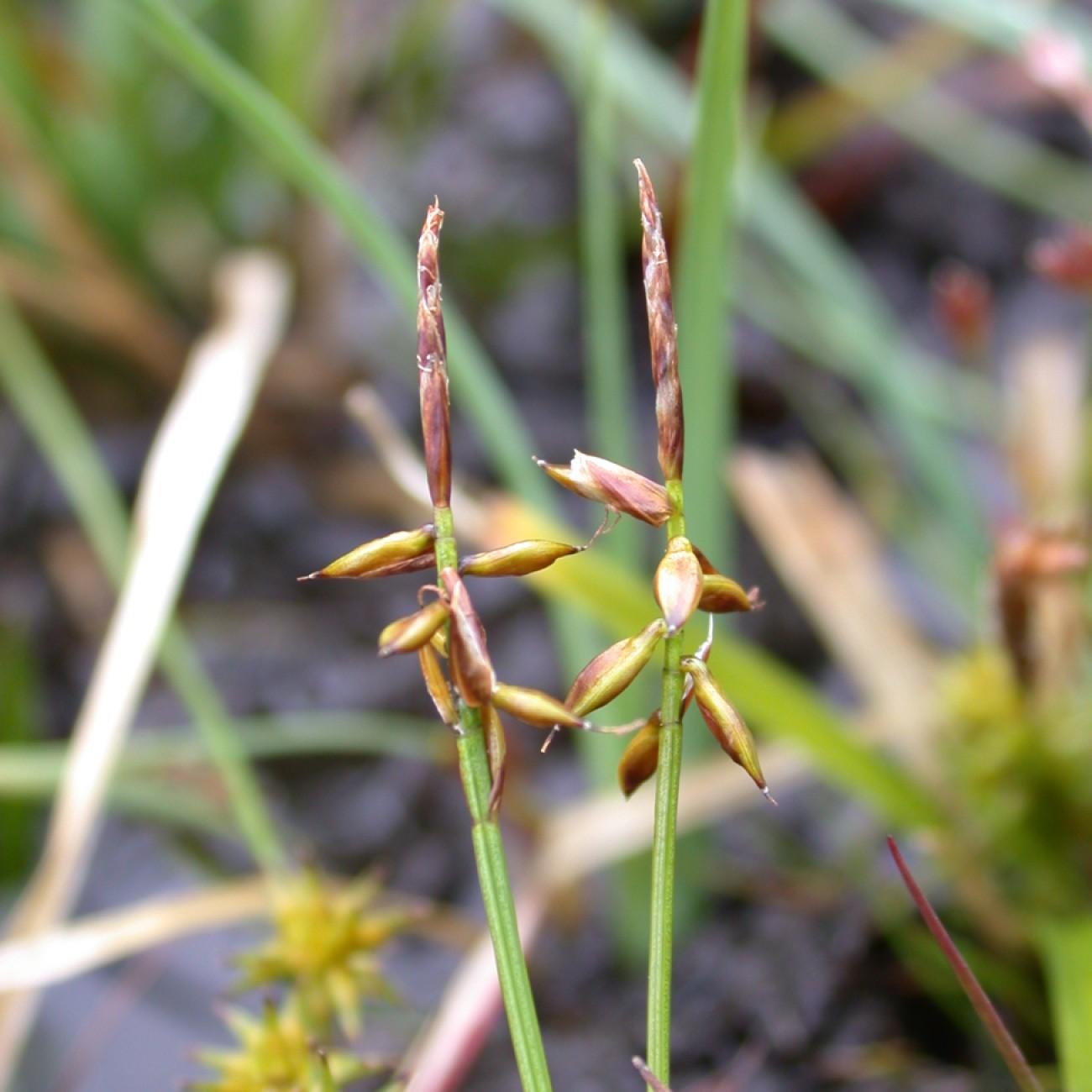
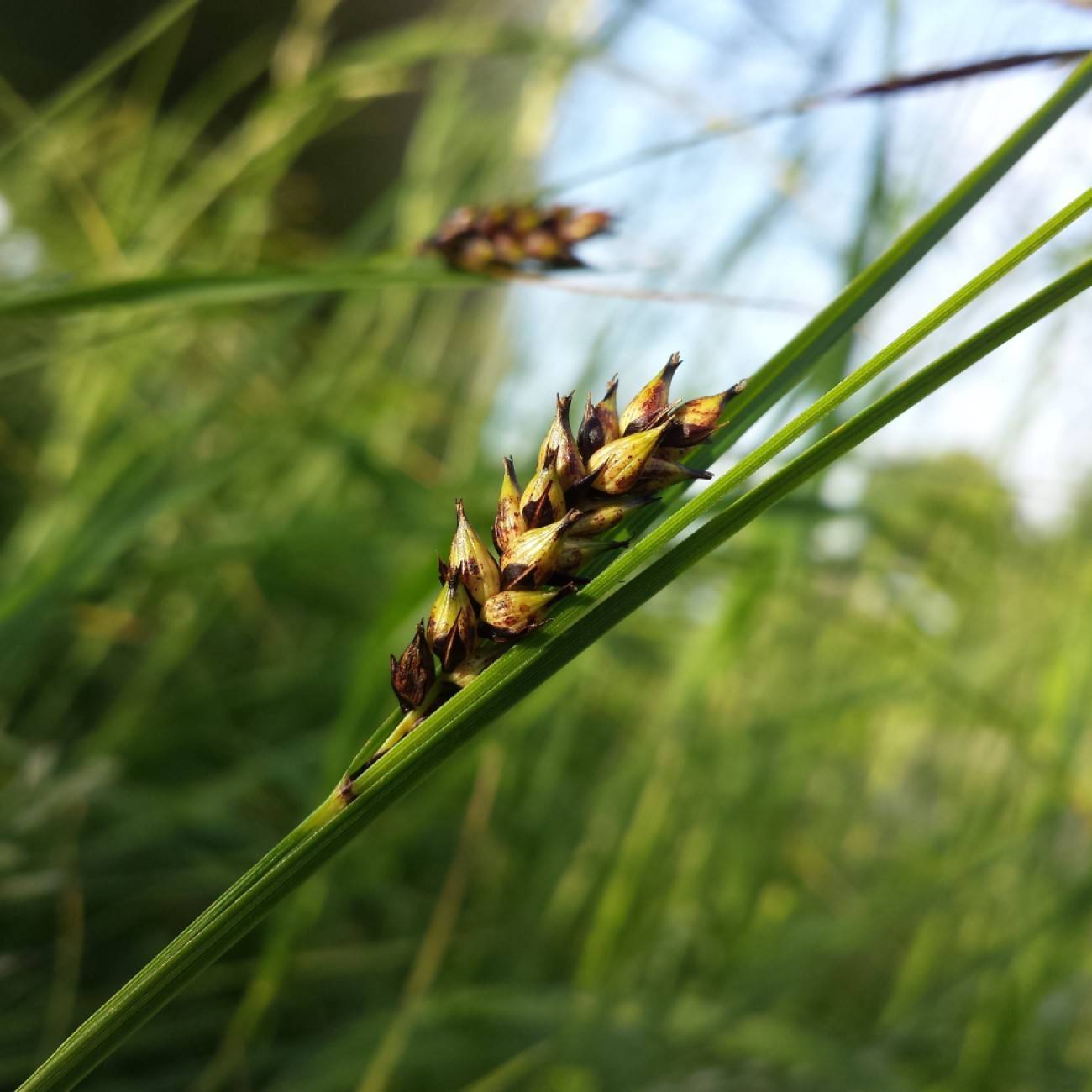
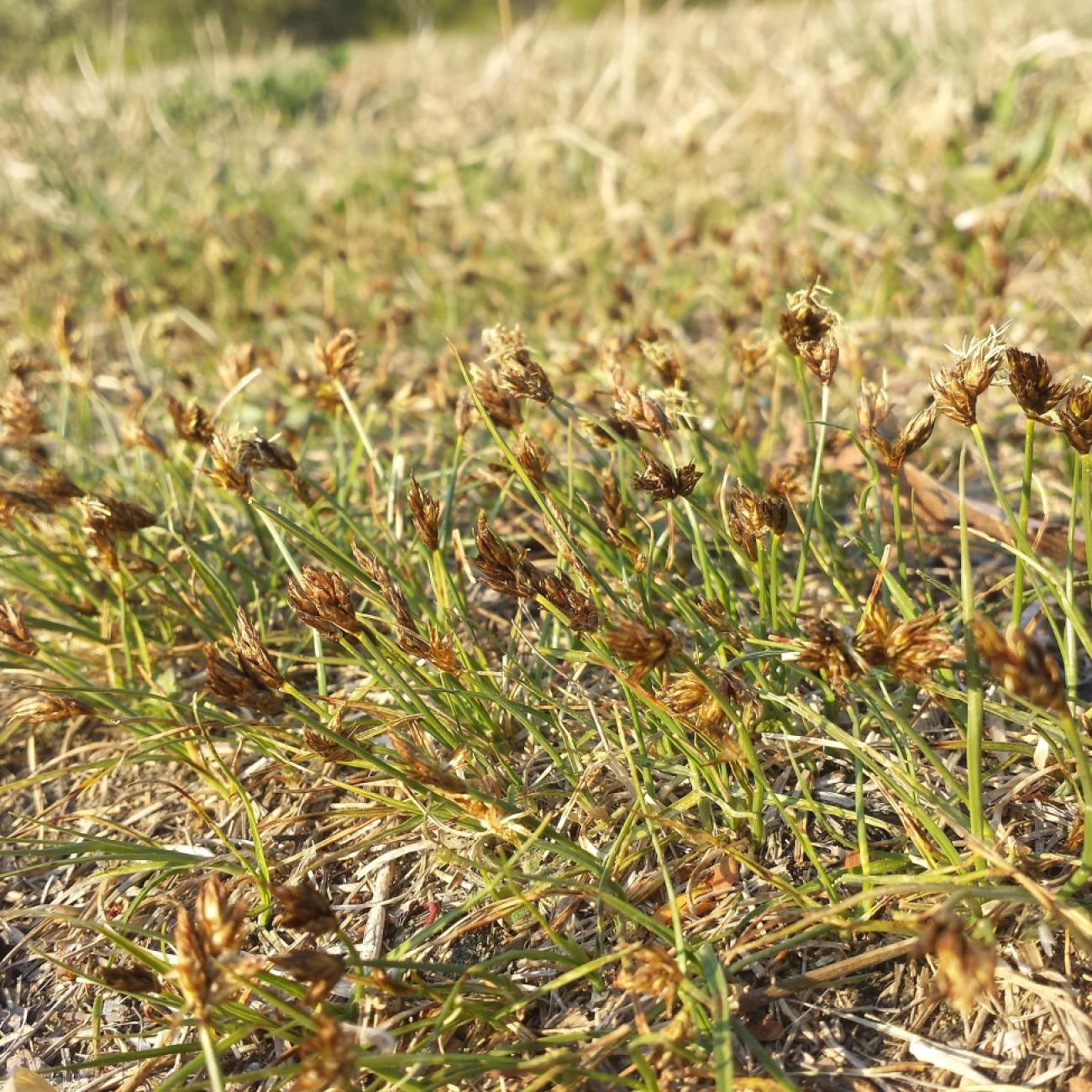
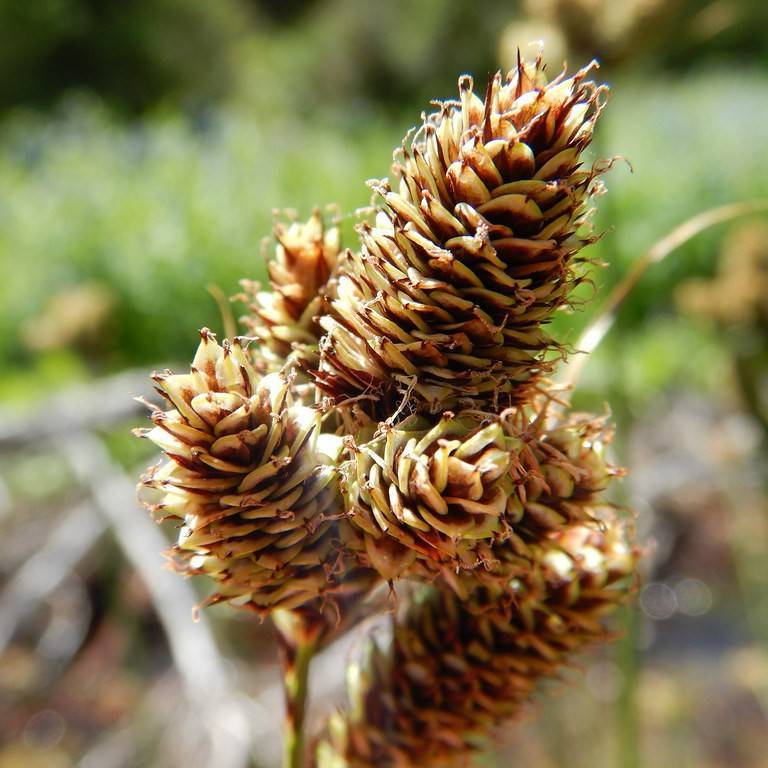
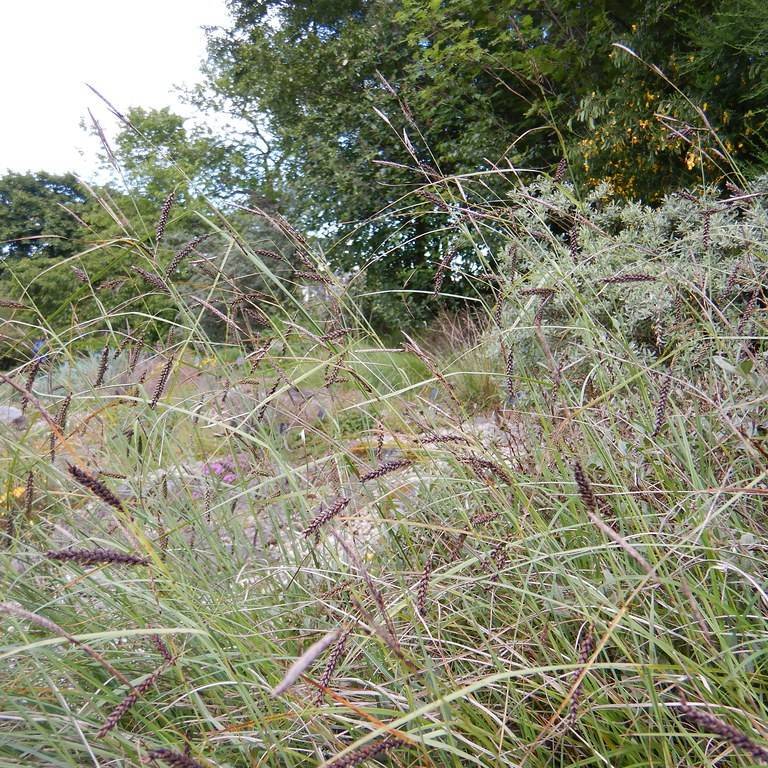
Hair like sedge is a low-growing, tufted sedge distinguished by its ultra-thin, thread-like green leaves that form soft, dense mounds. It produces tiny, inconspicuous brown spikelets on slender stems in late spring to early summer, blending seamlessly into its native damp, cool habitats. Adapted to harsh boreal and alpine conditions, it is a cold-hardy species that thrives in areas where many other ornamental grasses struggle to survive.
Care Guide
Watering
Hair like sedge requires consistently moist, well-drained soil and should never be allowed to dry out completely; water regularly to maintain even moisture, especially during hot, dry periods. Avoid overwatering that leads to standing water around the roots, as this can cause root rot in warmer climates. If grown in a container, ensure drainage holes are clear to prevent excess moisture buildup.
Light
This species grows best in partial shade to full sun in cooler climates, but requires protection from intense midday sun in warmer regions to prevent leaf scorch. In its native alpine habitat, it tolerates full sun exposure as long as soil moisture remains consistent. Indoor specimens should be placed near a bright, east-facing window to receive gentle, indirect light for most of the day.
Soil
Hair like sedge prefers acidic to neutral, loamy or sandy soil that is high in organic matter and retains moisture well. It tolerates poorly drained, wet soils better than many ornamental grasses, making it suitable for bog gardens or rain garden edges. Avoid heavy, compacted clay soils that do not allow for adequate root aeration.
Fertilizer
This low-nutrient adapted species requires minimal fertilization; apply a thin layer of compost around the base of the clumps in early spring to provide sufficient nutrients for the growing season. Avoid high-nitrogen synthetic fertilizers, as these can cause excessive, weak growth that is prone to flopping. Container-grown specimens can be fed once a year in spring with a diluted, balanced liquid fertilizer at half the recommended strength.
Temperature
Hair like sedge is extremely cold-hardy, tolerating temperatures as low as -40°F (-40°C) in USDA hardiness zones 2 through 7. It does not tolerate high heat and humidity well, and may go dormant or die back in regions with sustained summer temperatures above 85°F (29°C). If grown indoors, keep it in a cool room with temperatures between 50-70°F (10-21°C) for optimal health.
Pruning
Prune back dead or brown foliage in late winter or early spring before new growth emerges to keep the clumps looking tidy and encourage fresh leaf production. Trim back any damaged or scorched leaves throughout the growing season as needed to maintain the plant’s appearance. Avoid cutting back more than one-third of the foliage at any time, as this can stress the shallow root system.
Propagation
Hair like sedge is most easily propagated by division of mature clumps in early spring, just as new growth begins to appear; carefully separate the root mass into smaller sections, each with several healthy shoots, and replant immediately at the same depth as the original plant. It can also be grown from seed sown directly outdoors in late fall, as the seeds require a period of cold stratification to germinate successfully. Seeds sown indoors should be refrigerated in moist potting mix for 6-8 weeks before being moved to a cool, bright location to sprout.
Humidity
This species prefers moderate to high humidity levels between 50-70%, mimicking its native moist alpine and boreal habitats. Indoor specimens may benefit from occasional misting or placement on a pebble tray filled with water to increase ambient humidity, especially during dry winter months when indoor heating reduces moisture in the air. Avoid placing it near heating vents or drafty windows, which can cause rapid moisture loss from the foliage.
Repotting
Container-grown hair like sedge should be repotted every 2-3 years in early spring, or when the roots begin to grow out of the drainage holes. Use a shallow, wide pot to accommodate the spreading, shallow root system, and fill it with a moisture-retentive, acidic potting mix amended with peat moss or compost. After repotting, water thoroughly and keep the plant in a cool, shaded location for a few days to help it adjust to the new container.
Uses & Symbolism
Hair like sedge is commonly used as a low-growing ornamental groundcover in rock gardens, bog gardens, rain garden edges, and alpine plantings, where its fine foliage adds soft texture to planting schemes. It is also a valuable plant for erosion control on moist, sloped sites, as its dense root system holds soil in place effectively. In its native range, it provides food and cover for small wildlife and wetland bird species.
Diseases & Pests
Hair like sedge is relatively pest and disease resistant, but can be susceptible to root rot if grown in poorly drained soil or overwatered for extended periods. Aphids and spider mites may occasionally infest indoor specimens, especially in low-humidity conditions, and can be controlled with insecticidal soap or neem oil applications. Fungal leaf spot may occur in overly humid, poorly ventilated conditions, and can be managed by removing affected foliage and improving air circulation around the plant.
Related plants
Other plants you might like if you grow Hair Like Sedge.