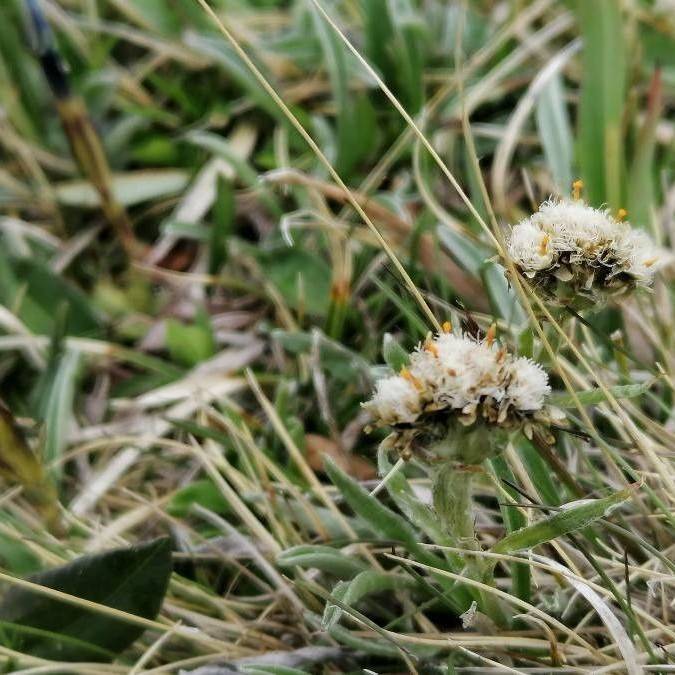
Fries Pussytoes
Antennaria friesiana
Overview
Fries Pussytoes is a compact, cold-hardy herbaceous perennial adapted to harsh, high-latitude and alpine environments, forming dense, spreading mats of silvery, woolly foliage that retains moisture and insulates against extreme temperature fluctuations. It produces small, white to pale pink, fuzzy flower clusters in late spring that resemble the padded paws of a cat, giving the plant its common name. As a low-growing groundcover, it thrives in poor, well-drained soils where taller plants struggle, making it a popular choice for xeriscaping, rock gardens, and alpine plant collections.
Care Guide
Watering
Fries Pussytoes is highly drought-tolerant once established, requiring only occasional watering during extended dry periods; overwatering, especially in heavy soils, will quickly lead to root rot. Water sparingly at the base of the plant, avoiding wetting the fuzzy foliage to reduce the risk of fungal growth, and allow the soil to dry out completely between waterings. In winter, reduce watering to almost nothing, as the plant is dormant and excess moisture in cold soil will cause crown damage.
Light
This species prefers full, direct sunlight for at least 6 hours per day to maintain its compact growth habit and vibrant silvery foliage color. It can tolerate very light, dappled shade, but prolonged shade will cause the plant to become leggy, lose its dense mat form, and produce fewer flower clusters. In hotter regions at the southern edge of its cultivation range, light afternoon shade can help prevent foliage scorch during peak summer heat.
Soil
Fries Pussytoes requires sharply drained, low-fertility soil with a neutral to slightly alkaline pH, thriving in sandy, gravelly, or rocky substrates that mimic its native alpine and Arctic habitats. It will not tolerate heavy clay soils or substrates that retain moisture for long periods, so amend heavy garden soils with coarse sand, perlite, or crushed gravel to improve drainage before planting. It grows well in poor, nutrient-deficient soils, as high levels of organic matter can hold too much moisture and cause root decline.
Fertilizer
This plant is adapted to low-nutrient environments and requires very little fertilization, with excess nutrients leading to leggy, weak growth and reduced drought tolerance. A single, light application of balanced, slow-release fertilizer in early spring, at half the recommended strength for general garden plants, is sufficient to support healthy growth for the entire growing season. Avoid applying liquid fertilizers directly to the foliage or crown, and skip fertilization entirely if the plant is growing in already moderately fertile garden soil.
Temperature
Fries Pussytoes is extremely cold-hardy, tolerating winter temperatures as low as -40°F (-40°C) and thriving in cool, short growing seasons typical of its native Arctic and alpine ranges. It prefers average summer temperatures between 50-75°F (10-24°C), and struggles in prolonged heat above 85°F (29°C), which can cause foliage browning and dormancy in warmer climates. In regions with hot summers, provide afternoon shade and ensure adequate soil drainage to help the plant survive high-temperature stress.
Pruning
Pruning requirements are minimal for Fries Pussytoes; simply snip off spent flower stalks after blooming to maintain a neat, compact appearance and prevent unwanted self-seeding if desired. In early spring, trim away any dead or brown foliage from the previous winter to encourage fresh, new growth to fill in the mat. Avoid heavy pruning, as the plant grows slowly and cutting into the woody, older crown sections can cause permanent damage or dieback.
Propagation
The most reliable propagation method is division of established mats in early spring, just as new growth begins; carefully lift sections of the rooted mat, separate into small clumps, and replant in well-drained soil at the same depth they were growing previously. It can also be grown from seed sown directly outdoors in late fall, as the seeds require a period of cold stratification over winter to germinate successfully in spring. Softwood cuttings taken from new growth in late spring can root in moist, sandy medium, but this method is less consistent than division for home gardeners.
Humidity
Fries Pussytoes prefers low to moderate humidity levels between 30-50%, typical of its dry, windy native habitats, and does not tolerate high, prolonged humidity well. In regions with humid summers, ensure the plant has excellent air circulation around its foliage and crown to prevent fungal growth and rot, avoiding planting it in low-lying, enclosed areas where moist air gets trapped. It does not require misting or supplemental humidity, and excess moisture on its fuzzy foliage will increase disease risk.
Repotting
If grown in containers, Fries Pussytoes only needs repotting every 3-4 years, when it has completely filled the pot and roots are emerging from the drainage holes. Use a shallow pot with multiple drainage holes, and fill it with a gritty, well-drained succulent or alpine potting mix to match its preferred soil conditions. Repot in early spring, handling the delicate root mat carefully to avoid damage, and water sparingly for the first 2-3 weeks after repotting to allow roots to establish.
Uses & Symbolism
Fries Pussytoes is primarily used as a low-growing, drought-tolerant groundcover for rock gardens, alpine gardens, xeriscapes, and gravel paths, where its silvery foliage provides year-round visual interest and it suppresses weed growth. It is also a popular plant for cold-climate gardens, as it can thrive in regions where most other groundcovers cannot survive harsh winter conditions, and it provides a food source for native pollinators including small bees and butterflies in early spring. Its compact size and low maintenance requirements make it suitable for container displays, trough gardens, and green roofs with shallow, well-drained substrate.
Related plants
Other plants you might like if you grow Fries Pussytoes.
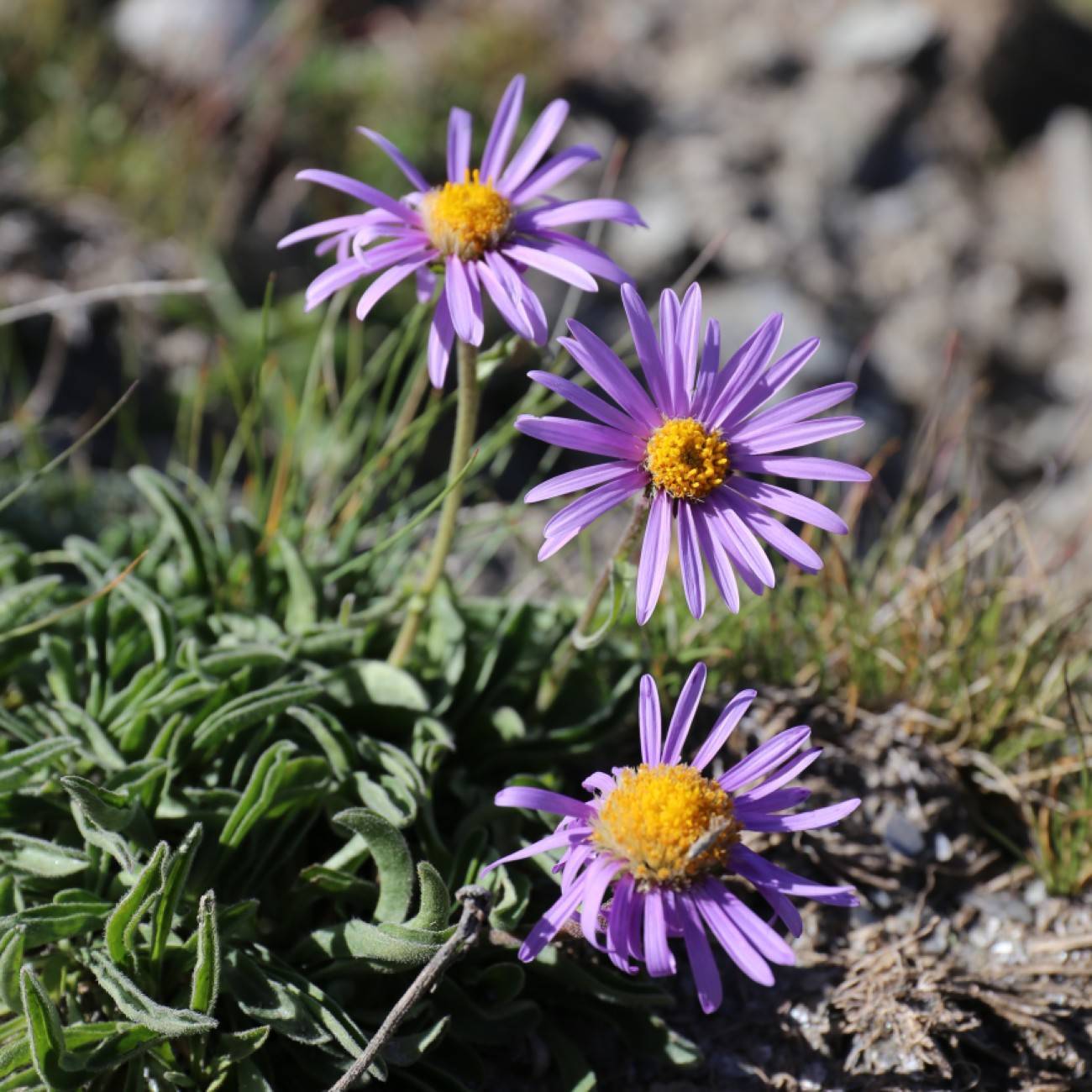
Alpine Aster
Aster alpinus
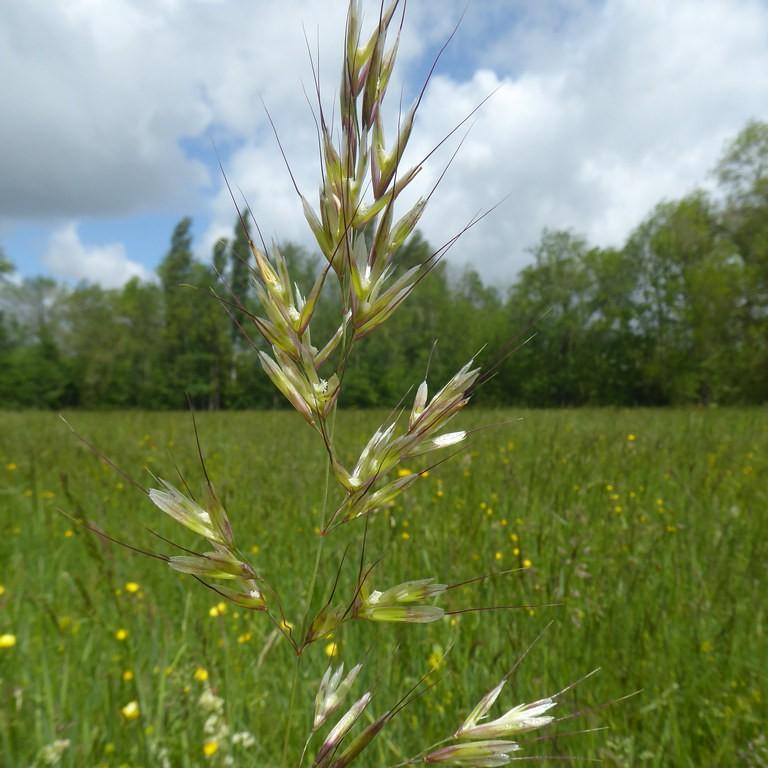
Downy Alpine Oatgrass
Helictotrichon sedenense
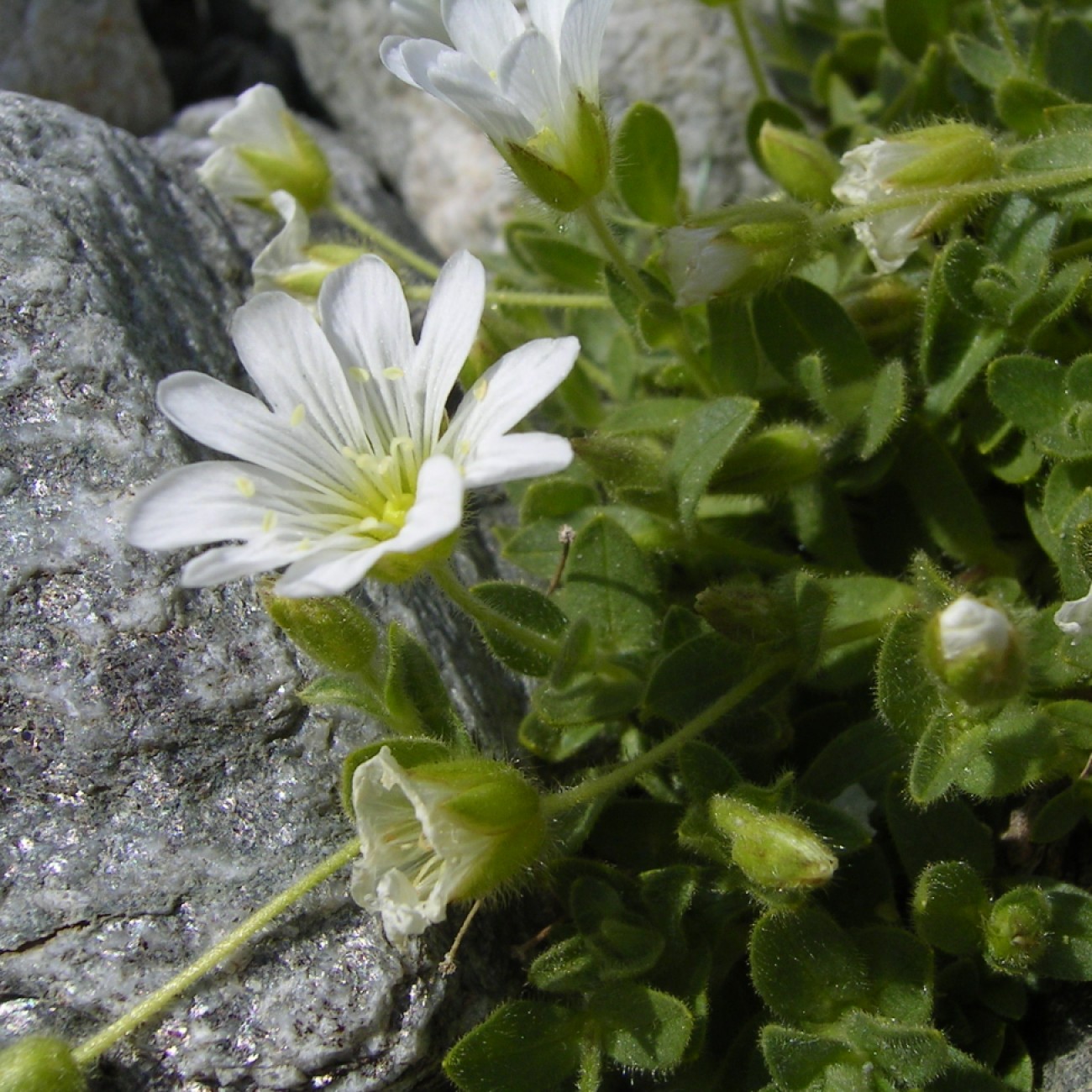
Alpine Chickweed
Cerastium alpinum
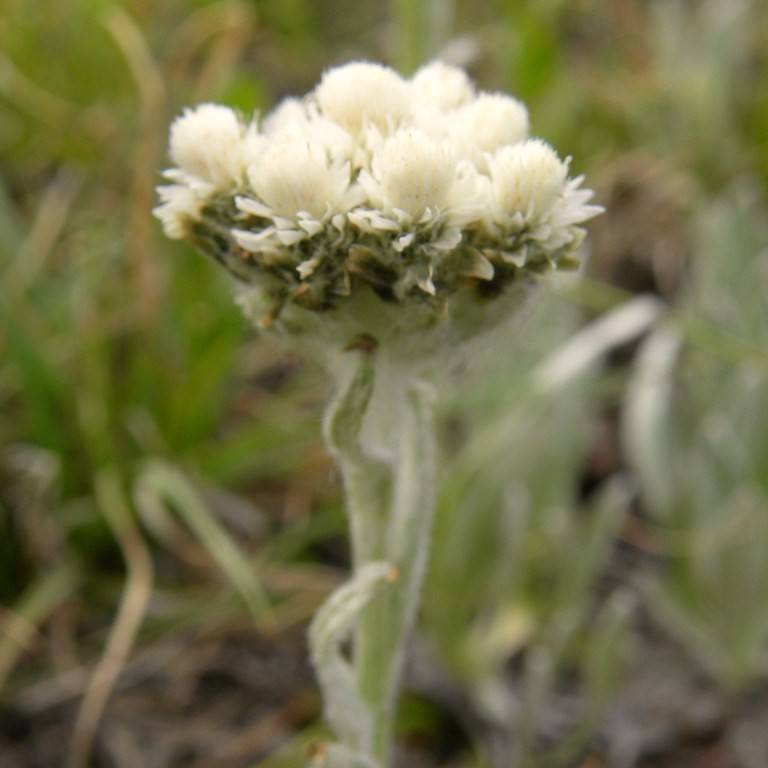
Alpine Pussytoes
Antennaria alpina
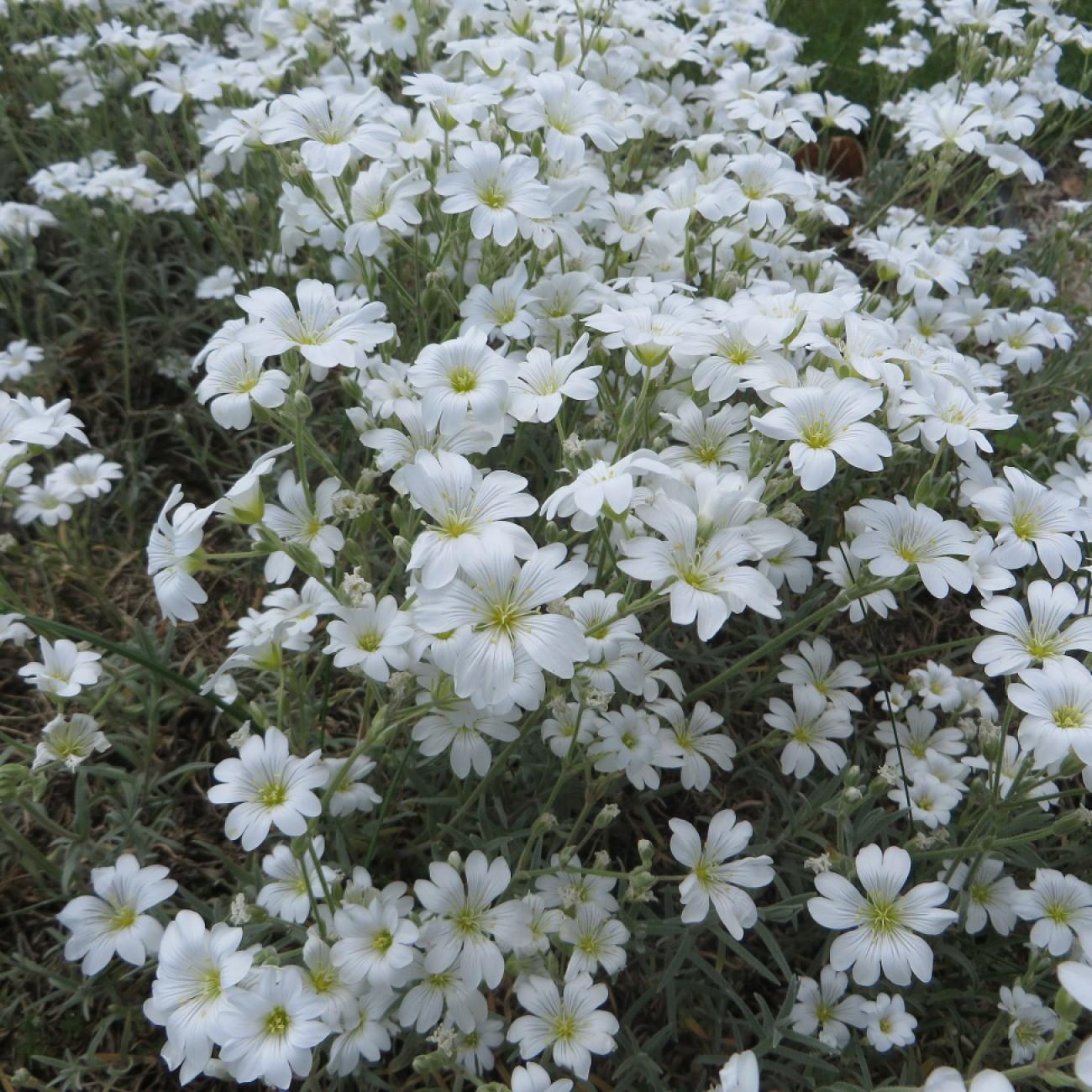
Bieberstein Chickweed
Cerastium biebersteinii
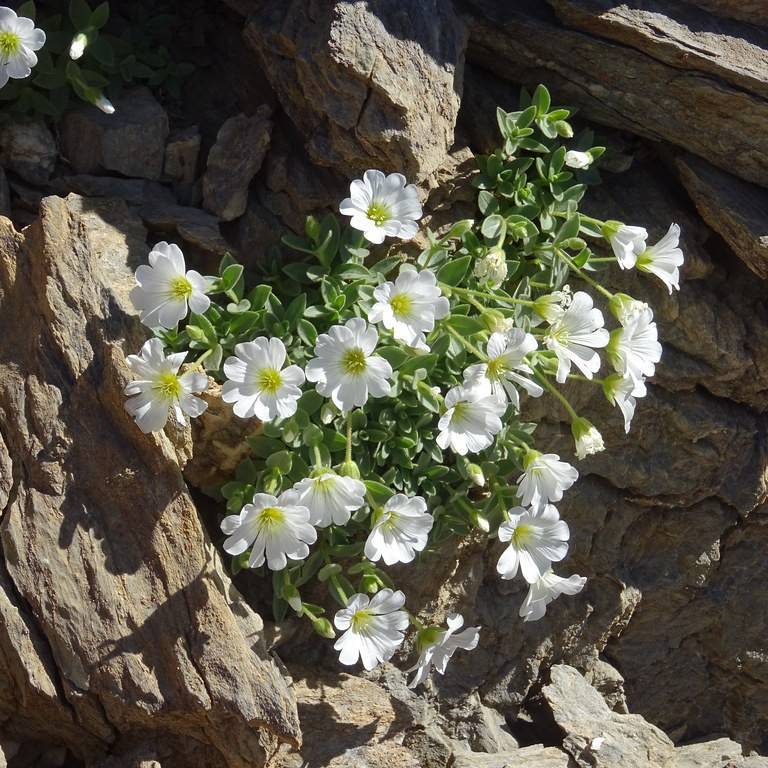
Alpine Mouse Ear Chickweed
Cerastium alpinum
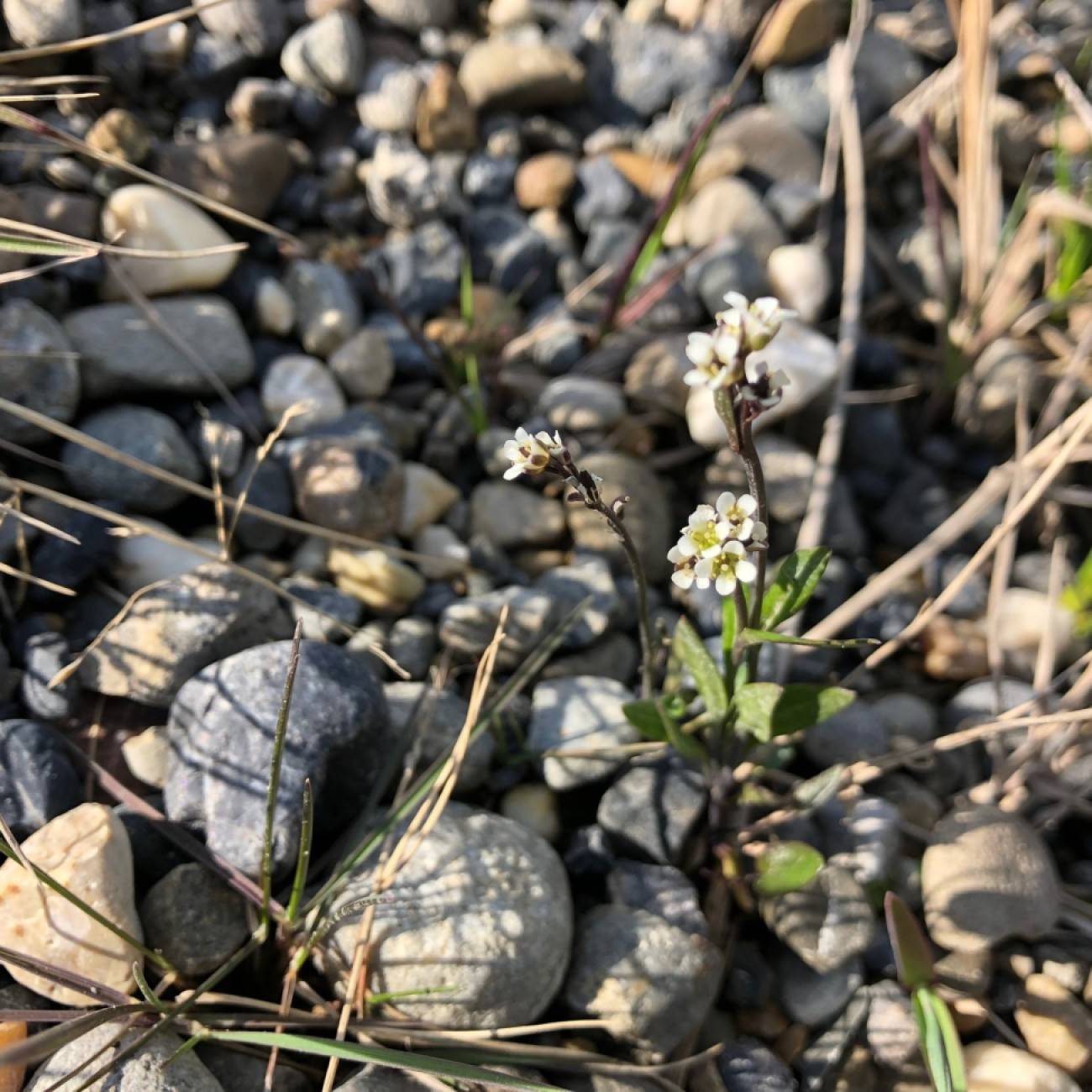
Greenland Rockcress
Boechera groenlandica
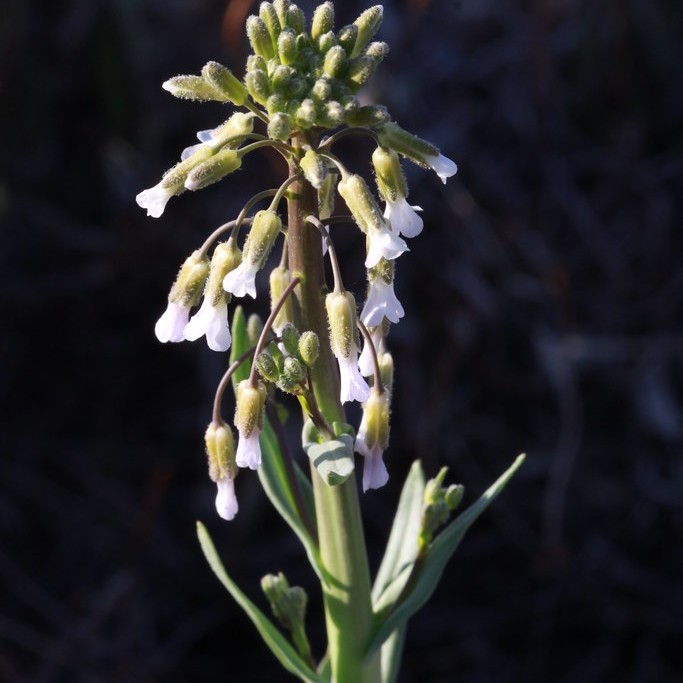
Holboell's Rockcress
Boechera holboellii