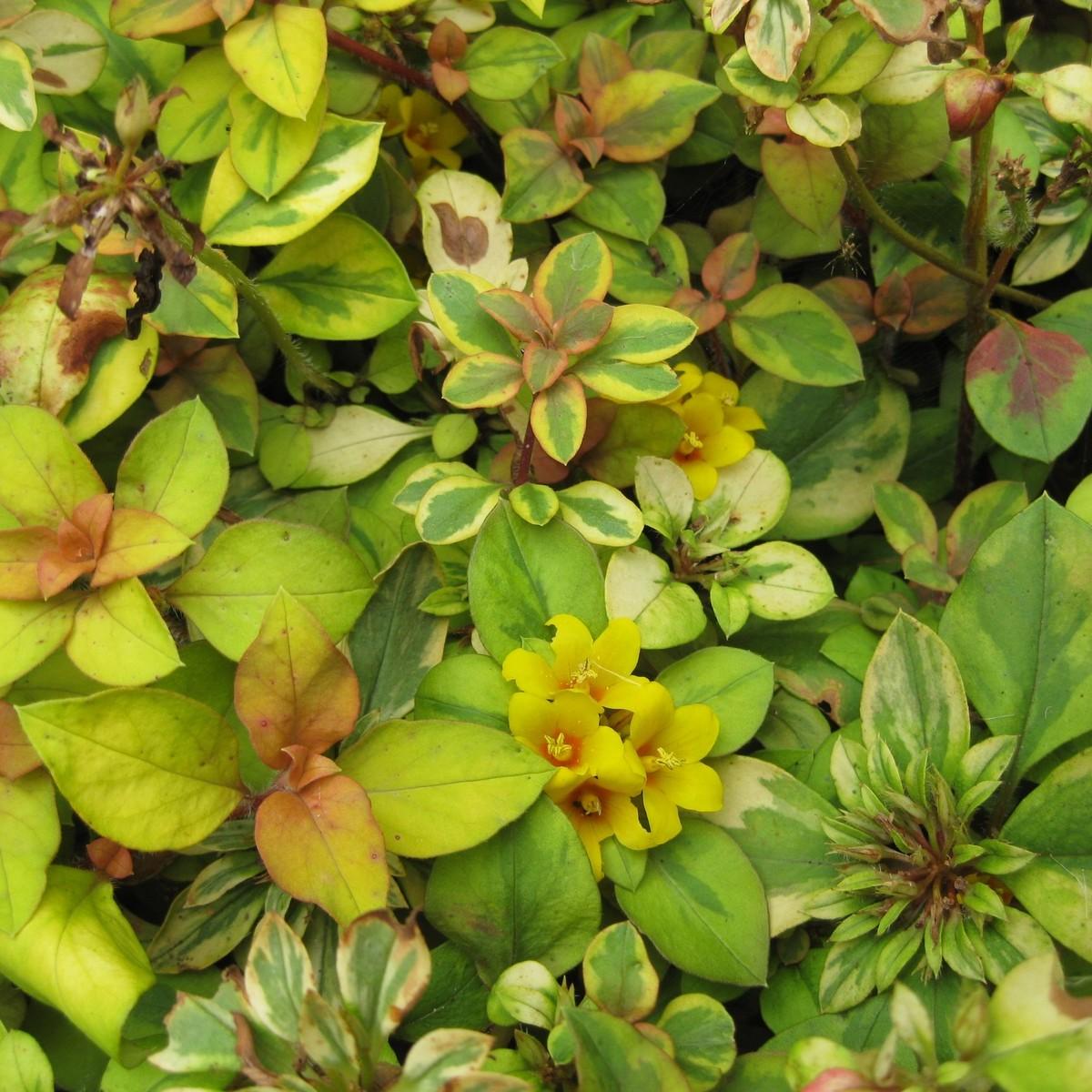
Golden Globes Loosestrife
Lysimachia congestiflora 'Golden Globes'
Overview
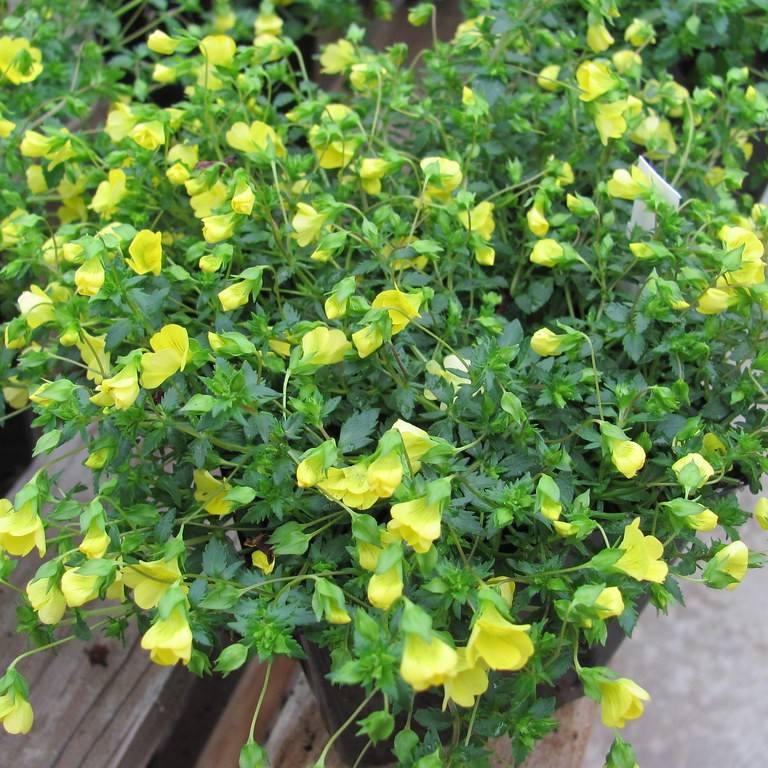
Golden Globes Loosestrife is a compact, mat-forming cultivar of creeping loosestrife, prized for its vivid, lemon-yellow evergreen leaves that retain their color season-long in partial to full sun. In late spring to mid-summer, it produces dense, rounded clusters of tiny, five-petaled yellow flowers that dot the foliage for weeks of subtle color. This versatile plant spreads gently via creeping stems that root at nodes where they touch soil, making it an excellent low-maintenance option for filling gaps in garden beds or cascading over container edges.
Care Guide
Watering
Keep soil consistently moist but not waterlogged, as this plant does not tolerate extended dry periods well. Water deeply when the top 1 inch of soil feels dry to the touch, reducing frequency slightly during the dormant winter months for outdoor plantings or overwintered houseplants. Avoid wetting the foliage excessively to reduce risk of fungal issues.
Light
Thrives in partial sun to full sun, with brighter light intensifying the golden hue of its foliage; in extremely hot climates, provide light afternoon shade to prevent leaf scorch. For indoor growth, place in a bright spot with at least 4 hours of direct sunlight daily, or supplement with grow lights if natural light is limited. Too much shade will cause the foliage to fade to pale green and reduce flowering.
Soil
Prefers fertile, humus-rich, well-draining soil with a slightly acidic to neutral pH range of 5.5 to 7.0. Amending garden soil with compost or well-rotted manure before planting will improve moisture retention and nutrient content to support healthy growth. For container plantings, use a high-quality all-purpose potting mix with added perlite or vermiculite to enhance drainage while retaining adequate moisture.
Fertilizer
Feed in early spring with a balanced, slow-release granular fertilizer formulated for flowering perennials, following package dosage instructions to avoid over-fertilization which can lead to leggy growth and reduced foliage color. For container-grown plants, apply a diluted balanced liquid fertilizer once every 4 to 6 weeks during the active growing season. Skip fertilization entirely during the fall and winter months when growth slows.
Temperature
Grows best in moderate temperatures between 60–75°F (15–24°C), and is hardy outdoors in USDA zones 5 through 9, tolerating winter lows down to -20°F (-29°C) when planted in the ground with a light layer of mulch for insulation. In regions with colder winters, container-grown plants should be moved to a sheltered, frost-free location or overwintered indoors. High summer temperatures above 90°F (32°C) may cause temporary wilting, which usually recovers with adequate watering and afternoon shade.
Pruning
Prune back any leggy or browned stems in early spring to encourage dense, bushy new growth and maintain the plant’s compact shape. Deadhead spent flower clusters after blooming to tidy the plant, though this is not strictly required for health, as faded blooms do not detract significantly from its appearance. If the plant spreads beyond its desired area, trim back creeping stems at any point during the growing season to contain its growth.
Propagation
Easily propagated by division in early spring or fall, when you can separate rooted sections of the mat and replant them in prepared soil. Stem cuttings taken in late spring or early summer will root readily in moist potting mix or water, with no rooting hormone required for successful growth. You can also dig up small plantlets that form where stems root at nodes and transplant them directly to new locations.
Humidity
Adapts well to average ambient humidity levels between 40–60%, which is typical for most garden and indoor environments. In very dry, arid climates, occasional misting or placing a tray of pebbles with water under container plants can help maintain adequate moisture levels for healthy foliage. Excessively high humidity combined with poor air circulation may increase risk of fungal leaf spots, so ensure plants have adequate space for air flow.
Repotting
Container-grown Golden Globes Loosestrife should be repotted every 1 to 2 years in early spring, before new growth emerges, to refresh the soil and accommodate root growth. Choose a pot that is 1 to 2 inches larger in diameter than the current container, with drainage holes to prevent standing water. If the plant has become root bound, gently loosen the outer root ball before placing it in the new pot with fresh potting mix.
Uses & Symbolism
Widely used as a colorful ground cover in shaded or partially sunny garden beds, where it suppresses weeds and fills gaps between taller perennials or shrubs. It is also a popular choice for hanging baskets, window boxes, and cascading container planters, where its trailing stems and bright foliage create a striking spillover effect. In traditional East Asian medicine, the parent species Lysimachia congestiflora has been used to treat minor inflammatory conditions, though the cultivar is primarily grown for ornamental purposes.
Diseases & Pests
Golden Globes Loosestrife is relatively pest and disease resistant, but may be susceptible to fungal leaf spots and root rot if grown in poorly drained soil or overwatered. Aphids and spider mites may occasionally infest new growth, particularly on indoor plants or during extended dry, warm periods; these can be treated with insecticidal soap or neem oil applications. Slugs and snails may feed on young foliage in damp, shaded locations, so use organic slug baits or copper barriers to protect plants if damage is observed.
Related plants
Other plants you might like if you grow Golden Globes Loosestrife.