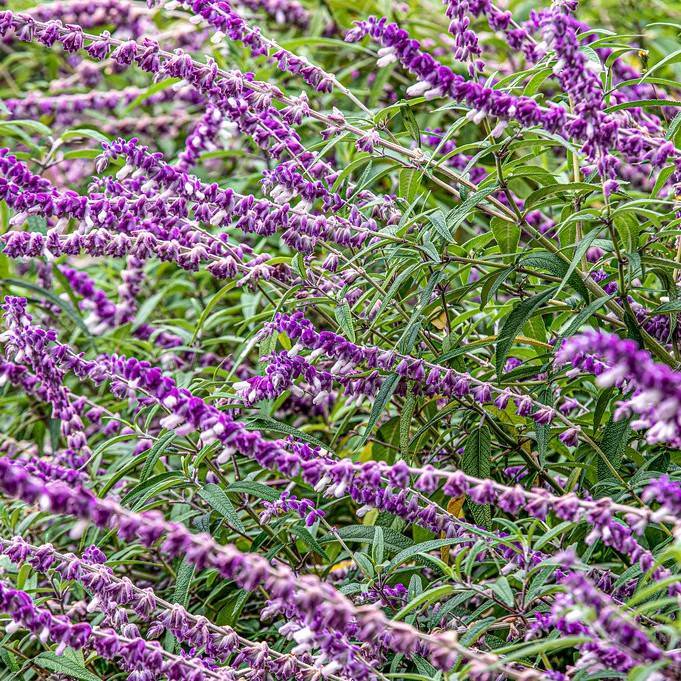
Lavender
Lavandula angustifolia
Overview
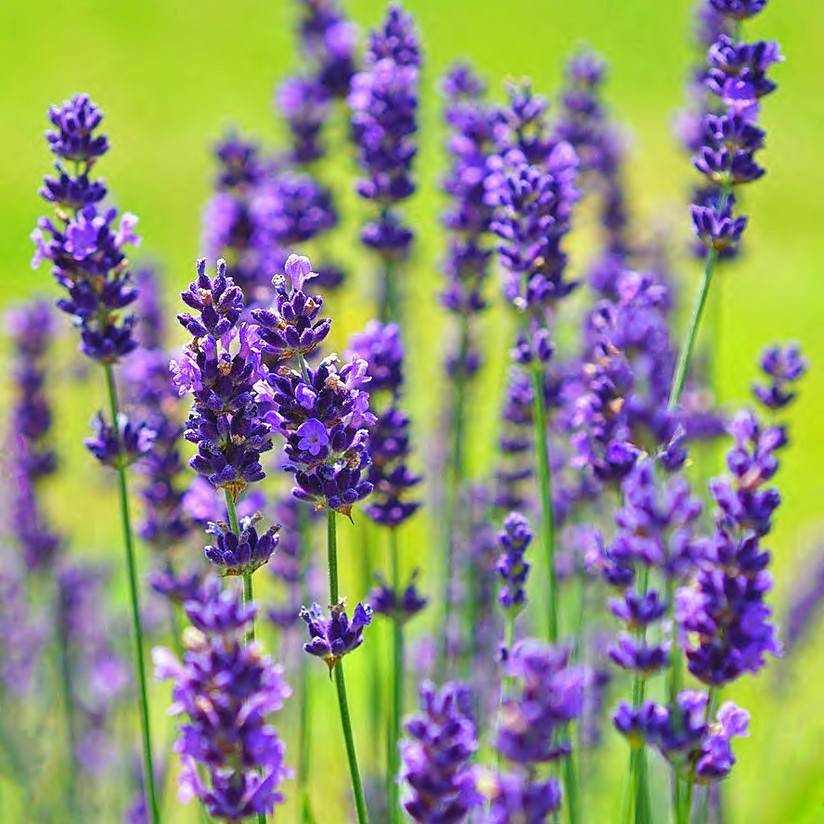
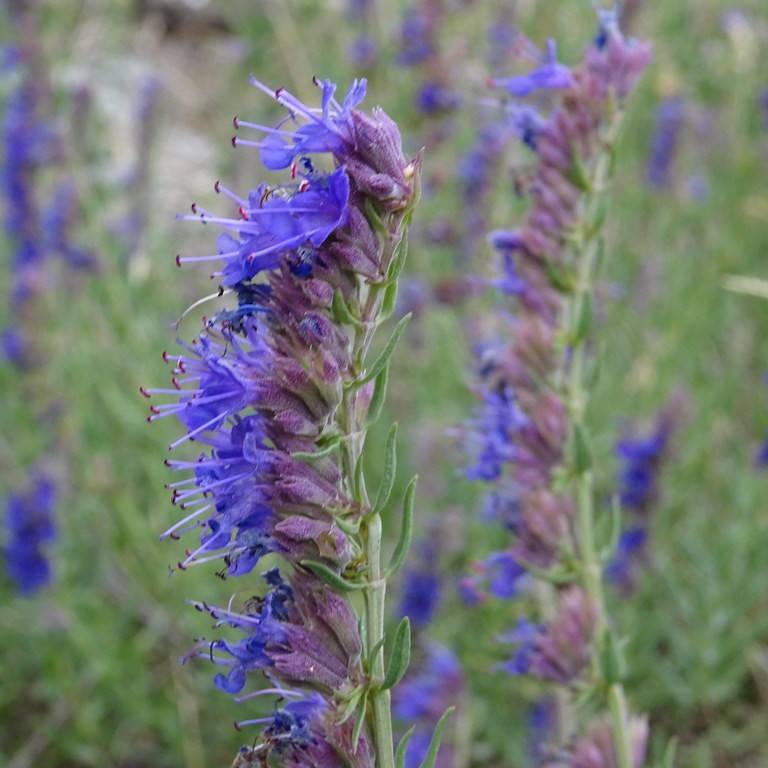
Lavender is a woody, evergreen perennial characterized by narrow, silvery-green foliage and dense spikes of tiny, pale to deep purple blooms that emit a distinctive, calming fragrance. It thrives in dry, sunny conditions, making it a staple in rock gardens, herb borders, and xeriscapes across temperate climates. There are over 40 species in the Lavandula genus, with English lavender (Lavandula angustifolia) being the most widely cultivated for its high oil content and long bloom period.
Care Guide
Watering
Lavender is highly drought-tolerant once established, requiring watering only when the top 1 to 2 inches of soil are completely dry. Overwatering is the most common cause of failure, as saturated roots quickly develop rot; potted lavender may need slightly more frequent watering than garden-grown specimens, but always allow full drainage between sessions. Avoid wetting the foliage when watering to reduce fungal disease risk.
Light
Lavender requires full, direct sunlight for a minimum of 6 to 8 hours per day to produce abundant blooms and maintain compact, healthy growth. Insufficient light will lead to leggy, sparse foliage, reduced fragrance, and little to no flowering. Indoor lavender plants should be placed in a south-facing window, or supplemented with grow lights during short, dark winter months.
Soil
Lavender requires sharply drained, low-fertility, alkaline to neutral soil with a pH between 6.7 and 7.3. Heavy, clay, or moisture-retentive soils should be amended generously with coarse sand, perlite, or gravel to improve drainage, as the plant cannot tolerate standing water around its roots. For potted lavender, use a well-draining cactus or succulent mix, or a blend of regular potting soil and coarse sand, in a pot with ample drainage holes.
Fertilizer
Lavender is a light feeder that performs best in low-nutrient soil, so excessive fertilization will harm growth, reduce fragrance, and promote leggy, soft foliage susceptible to cold damage. A single light application of a balanced, slow-release fertilizer in early spring is sufficient for garden-grown plants; potted specimens may receive a diluted, low-nitrogen liquid fertilizer once every 4 to 6 weeks during the growing season, if needed. Avoid fertilizing after mid-summer, as new growth will not harden off before cold weather arrives.
Temperature
Lavender thrives in warm, dry conditions, with ideal growing temperatures between 60 and 85°F (15 to 29°C). Most English lavender varieties are cold-hardy to USDA zones 5 to 8, tolerating winter lows down to -20°F (-29°C) if planted in well-drained soil; less hardy species like French lavender (Lavandula stoechas) are only suitable for zones 8 to 11 and require winter protection or indoor overwintering in cooler climates. High humidity combined with cool temperatures increases the risk of fungal disease, so ensure good air circulation around plants in humid regions.
Pruning
Prune lavender annually to maintain a compact, rounded shape, encourage new growth, and prevent woody, bare stems at the base. After the first flush of blooms fades in mid-summer, cut back the foliage by one-third to one-half, making sure to leave at least 2 to 3 inches of green, leafy growth on each stem, as cutting into old, bare wood will prevent regrowth. A second, lighter pruning in early spring, just as new growth emerges, can help tidy up winter damage and stimulate more blooms for the coming season.
Propagation
Lavender is most reliably propagated from semi-hardwood cuttings taken in mid to late summer, as seed-grown plants often do not come true to the parent plant and have much slower growth rates. Take 3 to 4 inch cuttings from healthy, non-flowering stems, remove the lower leaves, dip the cut end in rooting hormone, and plant in a well-draining, sterile medium, keeping the cuttings moist and out of direct sun until roots form in 4 to 6 weeks. Lavender can also be propagated by dividing mature, established plants in early spring, though this method is less successful due to the plant’s woody root system that resists disturbance.
Humidity
Lavender prefers low to moderate humidity levels between 30% and 50%, as it is adapted to the dry, breezy conditions of its native Mediterranean range. High humidity above 60%, especially combined with cool temperatures and poor air circulation, greatly increases the risk of fungal leaf spots and root rot. In humid climates, space plants 2 to 3 feet apart to maximize airflow, and avoid planting lavender in low-lying, sheltered areas where moist air can become trapped.
Repotting
Potted lavender should be repotted every 1 to 2 years in early spring, just before new growth begins, to refresh the soil and provide more space for root growth. Choose a pot that is only 1 to 2 inches larger than the current root ball, as excessively large pots hold excess moisture that can lead to root rot. When repotting, gently loosen the outer roots, use a well-draining soil mix, and ensure the plant is planted at the same depth as it was in its previous pot to avoid stem rot.
Uses & Symbolism
Lavender is widely harvested for its essential oil, which is used in aromatherapy, cosmetics, perfumes, soaps, and cleaning products for its calming, antiseptic properties. Dried lavender flowers and foliage are used in sachets to repel moths, in potpourri, and as a culinary herb to flavor baked goods, beverages, sauces, and savory dishes. Ornamentally, it is planted in garden borders, rock gardens, container displays, and pollinator gardens, as its nectar-rich blooms attract bees, butterflies, and other beneficial insects.
Diseases & Pests
The most common issue affecting lavender is root rot, caused by overwatering or poorly draining soil, which presents as yellowing, wilting foliage and a rotten smell at the base of the plant. Fungal diseases such as leaf spot, powdery mildew, and botrytis blight can occur in high humidity or with poor air circulation, causing brown or gray spots on foliage and blooms, and can be prevented by proper spacing, avoiding overhead watering, and removing affected plant material promptly. Common pests include aphids, whiteflies, and spider mites, which can be controlled with insecticidal soap, neem oil, or by encouraging natural predators like ladybugs in the garden.
Related plants
Other plants you might like if you grow Lavender.