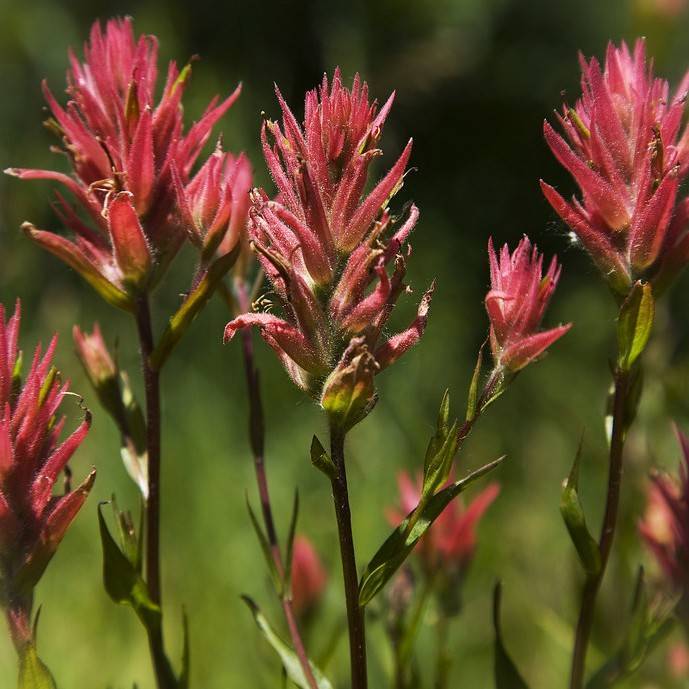
Elko Indian Paintbrush
Castilleja elkoensis
Overview
Elko Indian Paintbrush is a rare hemiparasitic wildflower found only in the sagebrush steppe ecosystems of Elko County, Nevada, where it draws partial nutrients from neighboring host plants like sagebrush. It produces clusters of showy, bright red-orange modified bracts that surround small, inconspicuous greenish-yellow flowers, creating the iconic 'paintbrush' appearance the genus is known for. This species is adapted to the arid, high-elevation conditions of its native range, and it is considered a species of conservation concern due to its restricted geographic distribution.
Care Guide
Watering
Elko Indian Paintbrush is adapted to arid native habitats, so it requires infrequent, deep watering only during extended periods of drought, as overwatering can lead to root rot. In cultivation, avoid saturating the soil, and allow the top several inches to dry out completely between waterings to replicate its natural dry steppe environment.
Light
This species thrives in full, direct sunlight, requiring a minimum of 6-8 hours of unobstructed sun per day to produce its characteristic vibrant bracts and support healthy growth. It will not tolerate heavy shade, which will lead to leggy growth, reduced flowering, and increased susceptibility to pest and disease issues.
Soil
Elko Indian Paintbrush requires well-draining, gravelly or sandy loam soil with low to moderate fertility, matching the coarse, nutrient-poor soils of its native sagebrush steppe habitat. It prefers a neutral to slightly alkaline pH, and heavy, water-retentive clay soils are unsuitable as they can quickly cause fatal root rot.
Fertilizer
As a hemiparasitic plant adapted to low-nutrient soils, Elko Indian Paintbrush requires little to no supplemental fertilization, as excess nutrients can damage its delicate root system and disrupt its ability to draw nutrients from host plants. If grown in extremely poor soil, a single, dilute application of low-nitrogen, balanced fertilizer can be applied in early spring before new growth emerges.
Temperature
This species is adapted to the high-elevation climate of northeastern Nevada, tolerating cold winter temperatures down to -20°F (-29°C) and warm summer highs up to 90°F (32°C) as long as soil drainage is adequate. It requires a period of cold winter stratification to trigger germination and spring growth, making it unsuitable for warm, frost-free climates without artificial cold treatment.
Pruning
Pruning needs are minimal for Elko Indian Paintbrush; spent flower stalks can be trimmed back in late fall after seeds have dispersed to keep the planting area tidy and prevent self-seeding if desired. Avoid cutting back green foliage during the growing season, as this will reduce the plant’s ability to photosynthesize and store energy for the following year’s growth.
Propagation
Elko Indian Paintbrush is most commonly propagated from seed, which requires 8-12 weeks of cold, moist stratification to break dormancy before sowing in spring. Seeds must be sown in close proximity to a suitable host plant, typically a species of sagebrush (Artemisia), as the seedlings are hemiparasitic and need to attach to a host’s root system to survive beyond the cotyledon stage.
Humidity
This species prefers low to moderate humidity levels between 20-50%, matching the dry conditions of its native Great Basin habitat. High humidity above 60% can increase the risk of fungal leaf spot and root rot, so ensure ample air circulation around plants if grown in more humid regions.
Repotting
Elko Indian Paintbrush is rarely grown in containers due to its hemiparasitic root system that requires contact with host plant roots, making repotting generally unnecessary and often harmful to the plant. If container cultivation is attempted, repot only in early spring before new growth emerges, taking extreme care not to damage the delicate root connections to any host plants growing in the same container.
Uses & Symbolism
Elko Indian Paintbrush is primarily used in native plant restoration projects within its limited native range to support local pollinator populations, including native bees, butterflies, and hummingbirds that feed on its nectar. It is also occasionally planted in xeriscape and native wildflower gardens in the Intermountain West for its striking, colorful bracts that add vibrant late-spring and early-summer visual interest.
Diseases & Pests
The most common disease issues for Elko Indian Paintbrush are fungal root rots caused by overwatering or poorly draining soil, which can be fatal if not addressed quickly by reducing watering and improving soil drainage. It may also be susceptible to powdery mildew and leaf spot in high-humidity conditions or if planted in areas with poor air circulation. Aphids and spider mites may occasionally feed on tender new growth, though infestations are rarely severe in its native arid habitat.
Related plants
Other plants you might like if you grow Elko Indian Paintbrush.
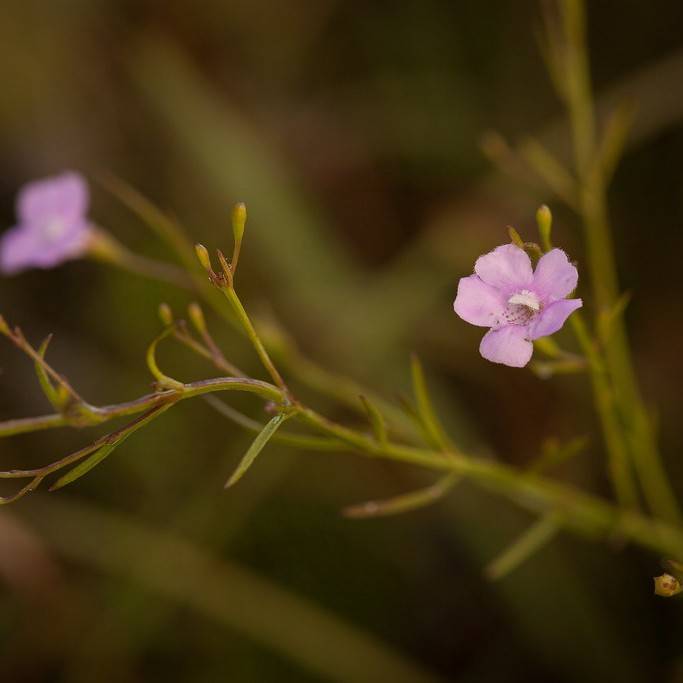
Gattinger's Agalinis
Agalinis gattingeri
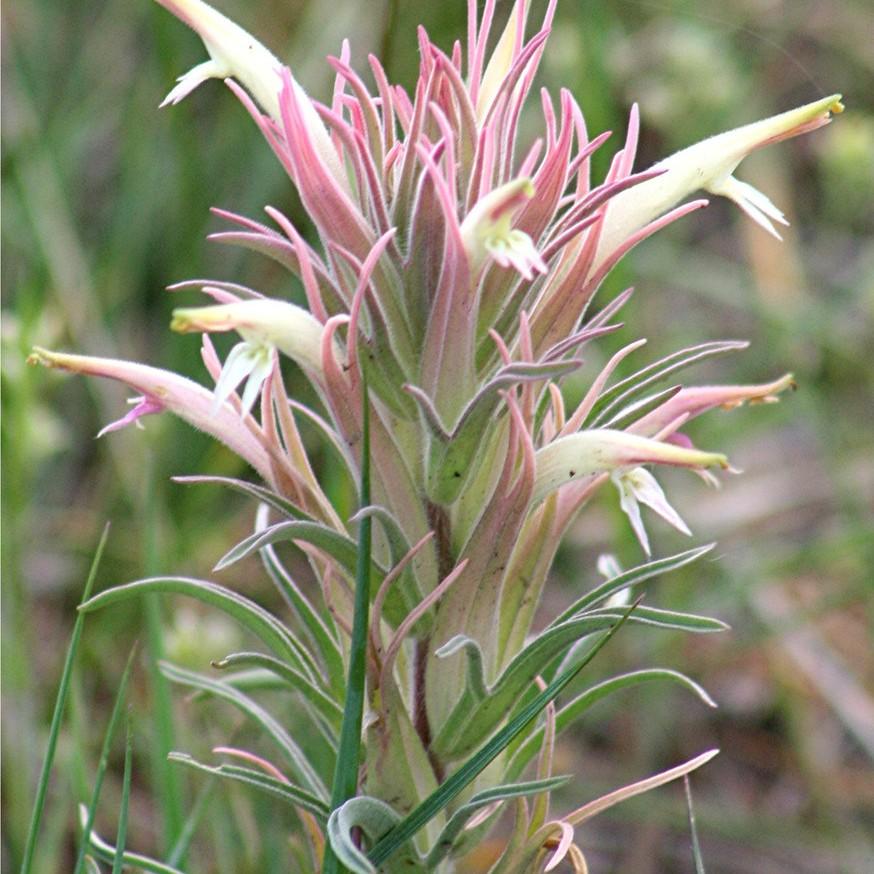
Downy Paintbrush
Castilleja sessiliflora
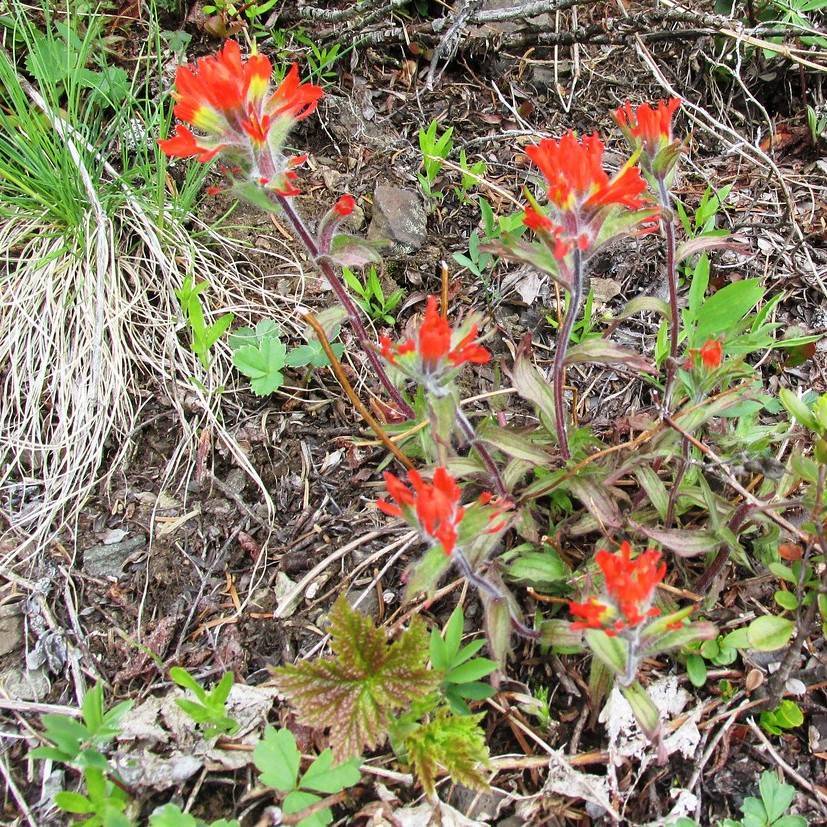
Harsh Paintbrush
Castilleja hispida
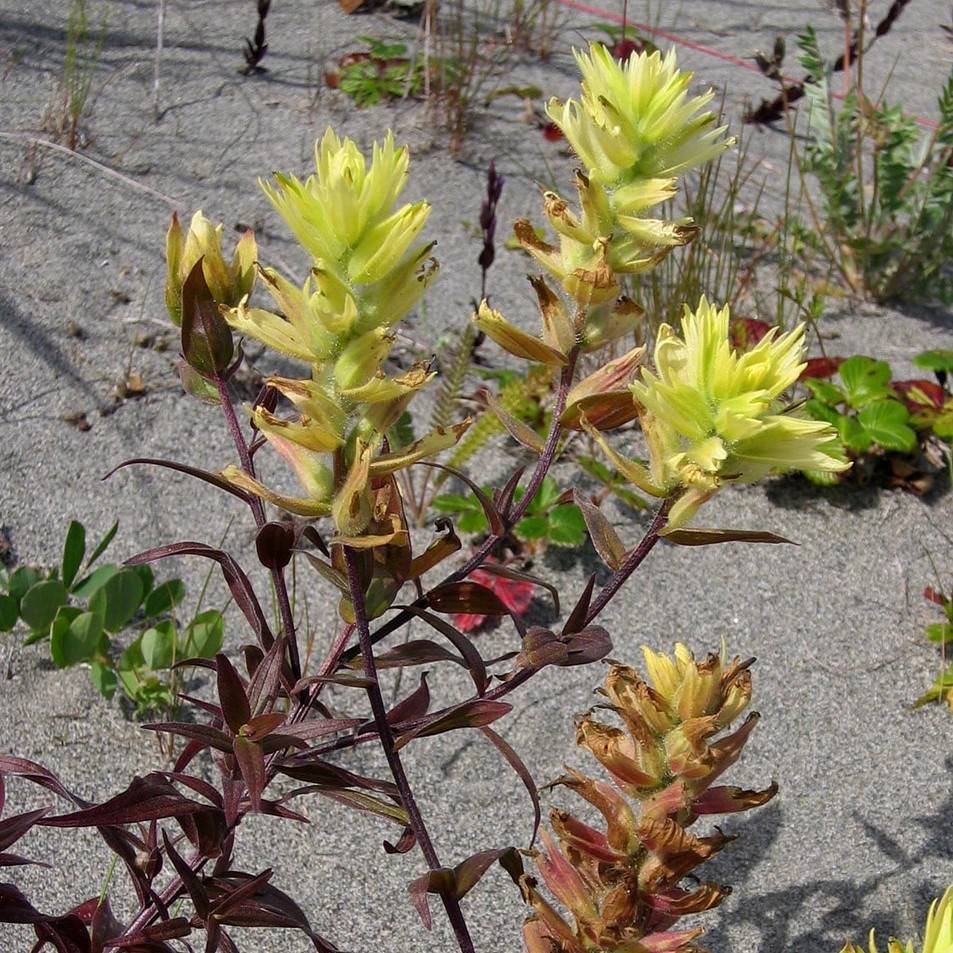
Alaska Indian Paintbrush
Castilleja unalaschcensis
%22%2F%3E%0A%20%20%20%20%20%20%3Ccircle%20cx%3D%22920%22%20cy%3D%22180%22%20r%3D%2290%22%20fill%3D%22%23cfe8d5%22%2F%3E%0A%20%20%20%20%20%20%3Cpath%20d%3D%22M600%20590c-90-180-215-255-310-280%200%20165%20118%20296%20270%20296h40z%22%20fill%3D%22%2379b88e%22%2F%3E%0A%20%20%20%20%20%20%3Cpath%20d%3D%22M600%20590c80-150%20198-212%20302-228-8%20142-123%20255-270%20255h-32z%22%20fill%3D%22%235c9f73%22%2F%3E%0A%20%20%20%20%20%20%3Cpath%20d%3D%22M600%20610V360%22%20stroke%3D%22%234f8c64%22%20stroke-width%3D%2218%22%20stroke-linecap%3D%22round%22%2F%3E%0A%20%20%20%20%20%20%3Ctext%20x%3D%22600%22%20y%3D%22700%22%20text-anchor%3D%22middle%22%20font-family%3D%22Arial%2C%20sans-serif%22%20font-size%3D%2244%22%20fill%3D%22%23365c45%22%3E%0A%20%20%20%20%20%20%20%20Plant%20image%20coming%20soon%0A%20%20%20%20%20%20%3C%2Ftext%3E%0A%20%20%20%20%3C%2Fsvg%3E%0A%20%20)
Curved Pod Astragalus
Astragalus curvicarpus
Fernald's Milk Vetch
Astragalus fernaldii
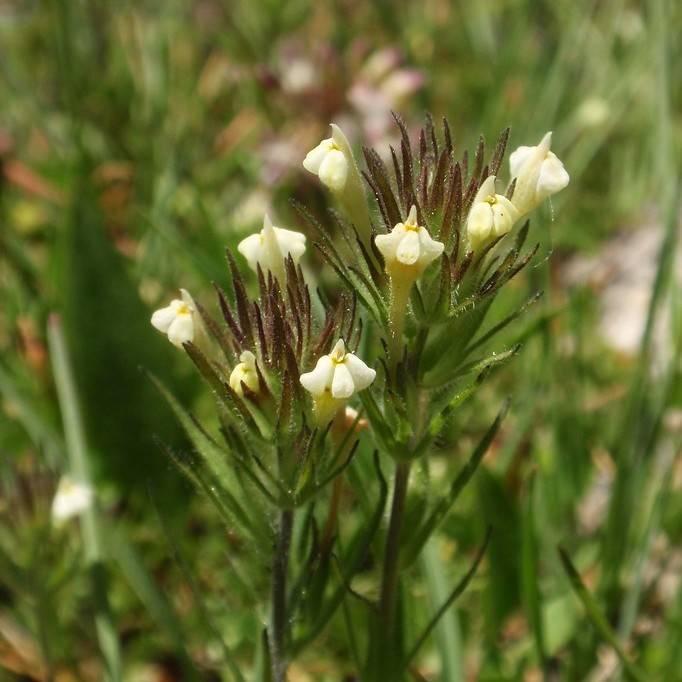
Hairy Owl's Clover
Castilleja tenuis
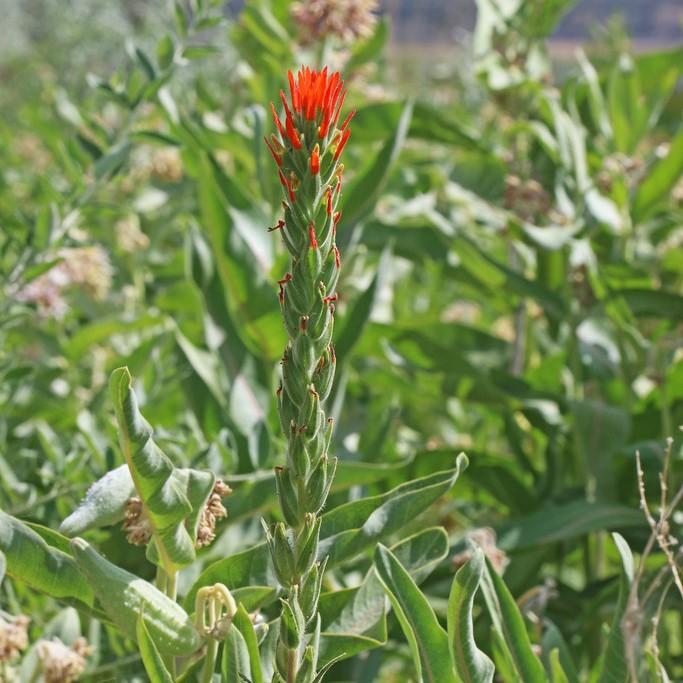
Annual Paintbrush
Castilleja indivisa