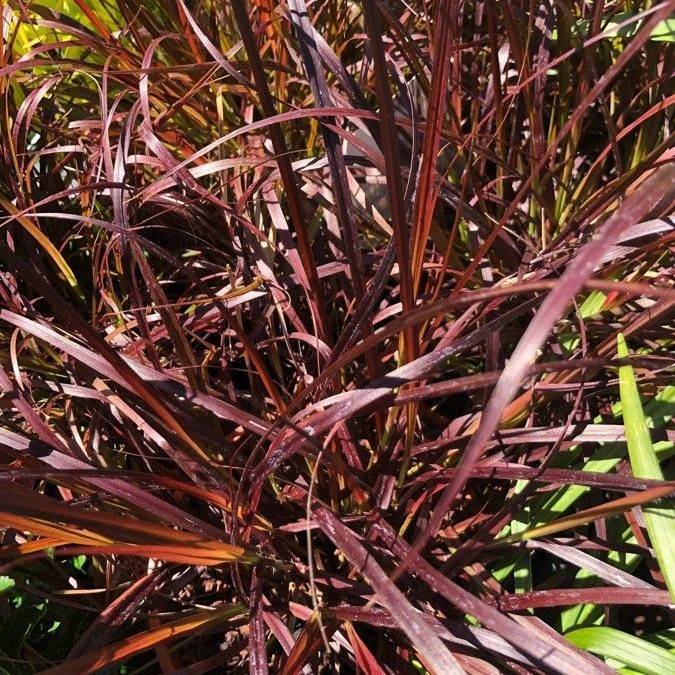
Elephant Grass
Cenchrus purpureus (syn. Pennisetum purpureum)
Overview
Elephant grass is a robust, clumping C4 grass named for its use as forage for large livestock and wild herbivores including elephants. Its thick, upright stems and long, arching, blue-green leaves form dense stands that spread via rhizomes in warm, frost-free climates. It is one of the highest-yielding tropical grasses, making it a staple for sustainable agricultural and environmental applications across tropical and subtropical regions worldwide.
Care Guide
Watering
Elephant grass is moderately drought tolerant once established, but thrives with consistent moisture, requiring 1-2 inches of water per week during active growth to support its rapid biomass production. Avoid waterlogged conditions, which can cause rhizome rot, especially in heavy clay soils; reduce watering significantly during cooler, dormant periods.
Light
This species requires full, direct sunlight for a minimum of 6 hours per day to reach its full growth potential, as low light conditions lead to sparse, leggy growth and reduced biomass yield. It can tolerate very light partial shade, but prolonged shading will weaken stands and make plants more susceptible to pest and disease pressure.
Soil
Elephant grass adapts to a wide range of soil types, including sandy, loam, and poor, degraded soils, but performs best in well-drained, fertile loam with a pH between 5.0 and 8.0. It tolerates moderately saline soils better than many other tropical forage grasses, but will not thrive in consistently waterlogged, heavy clay substrates.
Fertilizer
Apply a balanced 10-10-10 NPK fertilizer at the start of the growing season to support vigorous growth, with additional nitrogen-rich applications every 4-6 weeks during peak growth if plants are being harvested for forage or bioenergy. Unharvested ornamental stands require only a single annual application of compost or slow-release fertilizer in early spring to maintain health.
Temperature
Elephant grass thrives in warm temperatures between 77°F and 95°F (25°C and 35°C), and will cease growth if temperatures drop below 50°F (10°C). It is only hardy in USDA zones 8 through 11; light frost will kill above-ground foliage, but established rhizomes can resprout in spring in zones 8 and 9, while hard freezes will kill the entire plant in cooler regions.
Pruning
For forage or bioenergy production, cut stands back to 6-12 inches above the soil level every 6-12 weeks during the growing season to encourage fresh, tender growth and prevent stems from becoming overly woody. Ornamental stands can be cut back completely to ground level in late winter or early spring to remove dead foliage and make way for new spring growth, and can be trimmed periodically through the season to control height and spread as desired.
Propagation
Elephant grass is most commonly propagated vegetatively via stem cuttings or rhizome divisions, as seed production is variable and seedlings often lack the consistent traits of parent plants. Plant 2-3 node stem cuttings or 4-6 inch rhizome segments 2-3 inches deep in moist, warm soil at the start of the growing season, ensuring good soil contact to encourage fast rooting, which typically occurs within 1-2 weeks in ideal conditions.
Humidity
This species tolerates a wide range of humidity levels, from 40% to 90%, and thrives in the high humidity of its native tropical range, but also performs well in drier subtropical climates as long as soil moisture is adequate. Low indoor humidity is not a barrier to growth for potted ornamental specimens, as long as regular watering is maintained.
Repotting
Potted ornamental elephant grass grows quickly and will require repotting every 1-2 years in early spring, moving to a container 2-3 inches larger than the current one to accommodate its spreading rhizome system. Use a well-drained potting mix amended with compost to support growth, and trim back overgrown rhizomes and roots by up to one-third during repotting to keep potted specimens a manageable size.
Uses & Symbolism
Elephant grass is widely cultivated as high-yield forage for cattle, goats, and other ruminant livestock, and is a leading feedstock for biofuel production due to its high biomass output and low input requirements. It is also planted for erosion control on steep slopes and degraded lands, and tall ornamental cultivars are used as fast-growing privacy screens and landscape focal points in warm regions.
Diseases & Pests
Elephant grass is relatively pest and disease resistant, but may be affected by leaf blight, rust, and smut fungal infections in prolonged wet, humid conditions, which can be managed by improving air circulation around stands and avoiding overhead watering. Common pests include aphids, grasshoppers, and stem borers, which can cause significant defoliation and yield loss in dense stands; severe infestations can be treated with appropriate organic or synthetic insecticides, and regular harvesting of forage stands disrupts pest life cycles effectively.
Related plants
Other plants you might like if you grow Elephant Grass.